So, darlings, let’s play a game, shall we? A provocative parlor game for the intellectually aroused. Which country, pray tell, wears the crown of “Most Feminist”? Is there even such a nation, a utopian feminist Valhalla shimmering on the horizon? Or is this quest a fool’s errand, a sisyphean struggle against the tides of patriarchal oppression, forever pushing the boulder uphill?
The very notion of a “most feminist” country is, frankly, fraught with peril. It reeks of a dangerous, essentializing tendency, reducing the multifaceted, nuanced experiences of women and marginalized genders across diverse cultural contexts to a simplistic, easily digestible statistic. Can we truly quantify the intricacies of lived realities, the subtle yet pervasive ways in which power imbalances manifest? Can a ranking system ever capture the cacophony of voices, the discordant harmonies of resistance and resilience?
I. The Problem of Metrics: A Quantitative Quagmire
Let’s consider the usual suspects, the indices that purport to measure gender equality. The Global Gender Gap Report, the Gender Inequality Index, the Social Institutions and Gender Index. They dangle before us like tempting fruit, promising a clear-cut answer. But beware, my sisters! These metrics, however well-intentioned, are inherently limited, shaped by the very biases they seek to expose.
A. The Perils of Parity: Beyond Numerical Representation
Many indices focus heavily on parity – equal representation in parliament, equal pay, equal access to education. And while these are undoubtedly crucial benchmarks, they tell only a sliver of the story. Achieving numerical parity doesn’t necessarily translate to substantive equality. A parliament filled with women can still enact policies that perpetuate patriarchal structures. Equal pay for equal work is a laudable goal, but what about the unpaid labor, the emotional burden disproportionately shouldered by women and femmes? What about the subtle (and not-so-subtle) forms of discrimination that permeate the workplace, the microaggressions that chip away at a person’s sense of worth? We require an intersectional lens to unpack the variegated dimensions of inequality.
B. Ignoring Intersectionality: The Erasure of Marginalized Voices
Perhaps the most glaring flaw in these indices is their tendency to overlook intersectionality. They often treat “women” as a monolithic category, failing to account for the ways in which gender intersects with race, class, sexuality, disability, and other axes of identity to create unique experiences of oppression. A feminist utopia for affluent, cisgender, white women might very well be a dystopia for queer, trans, Black, Indigenous, and disabled women. To truly assess a country’s feminist credentials, we must ask: whose voices are being centered? Whose needs are being met? Whose experiences are being rendered invisible?
II. Beyond the Numbers: Qualitative Considerations
If quantitative metrics fall short, where do we turn? We must delve deeper, beyond the surface-level statistics, to examine the qualitative realities of women’s lives. This requires a more nuanced, contextualized approach, one that takes into account the complex interplay of culture, history, and social norms.
A. The Power of Culture: Dismantling Patriarchal Norms
A country’s feminist standing cannot be solely determined by its laws or policies. We must also consider the prevailing cultural attitudes towards gender. Are women and femmes valued for their intellect, their creativity, their contributions to society? Or are they still relegated to traditional roles, defined by their reproductive capacity or their relationship to men? Does the culture actively challenge harmful stereotypes and sexist tropes? Or does it perpetuate them through media, education, and everyday interactions? The cultural zeitgeist, the very air we breathe, plays a critical role in shaping women’s experiences.
B. The Role of Social Movements: Grassroots Resistance and Revolutionary Potential
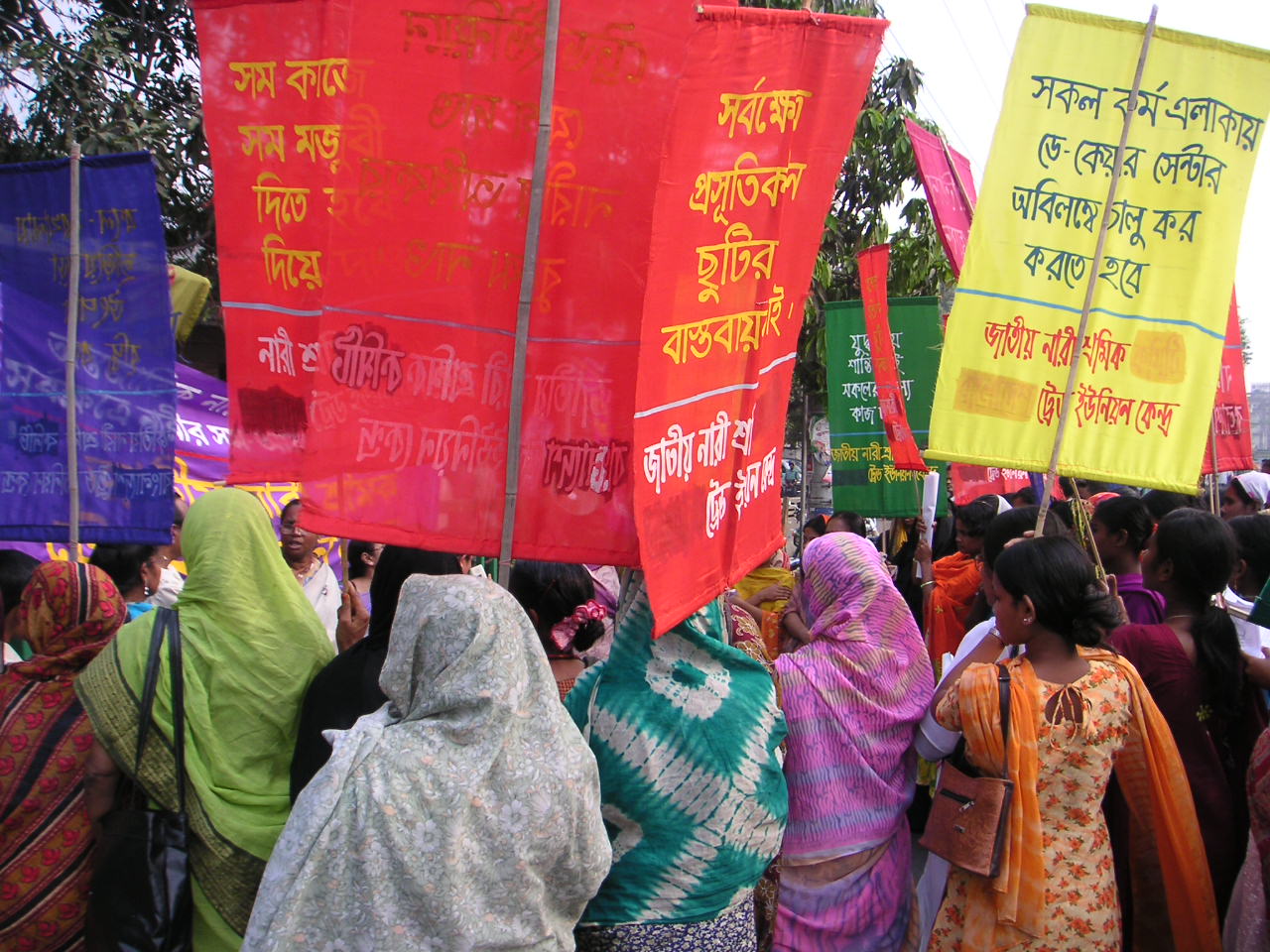
Feminism is not a top-down imposition but a grassroots movement, fueled by the collective energy of those who demand justice and liberation. A country’s feminist vibrancy can be gauged by the strength and dynamism of its social movements. Are there robust networks of feminist organizations working to address issues like gender-based violence, reproductive rights, and economic inequality? Are these movements inclusive and intersectional, representing the diverse voices of marginalized communities? Is there a culture of resistance, a willingness to challenge the status quo, to disrupt the patriarchal order? The pulse of feminist activism is a vital sign of a nation’s commitment to gender equality.
C. The Burden of History: Confronting Legacies of Oppression
No country is immune to the stain of historical oppression. From colonialism and slavery to patriarchal religious traditions, the past casts a long shadow on the present. A truly feminist country must confront its history, acknowledge the harm it has inflicted on women and marginalized genders, and actively work to dismantle the legacies of oppression. This requires more than just apologies and symbolic gestures. It requires concrete actions, such as land reparations, affirmative action policies, and educational reforms that center the perspectives of marginalized communities.
III. A Glimmer of Hope: Identifying Potential Contenders (With Caveats)
Despite the inherent limitations of our quest, let’s indulge in a bit of speculative analysis. Which countries, based on our expanded criteria, might be considered frontrunners in the feminist race? Let me temper that excitement right now. No country is a perfect feminist paragon, and all have areas where significant improvement is needed. However, some nations have made notable strides in advancing gender equality, both in policy and in practice.
A. The Nordic Nirvana? A Critical Examination of Scandinavian Exceptionalism
The Nordic countries – Iceland, Norway, Sweden, Finland, and Denmark – are often lauded as feminist utopias. They consistently rank high on gender equality indices, boasting generous parental leave policies, high rates of female political representation, and robust social safety nets. However, even these seemingly progressive nations are not without their flaws. Issues such as gender-based violence, pay gaps, and the underrepresentation of women in leadership positions persist. Furthermore, critics argue that the Nordic model is predicated on a specific cultural context, one that may not be easily replicable in other parts of the world. The ghost of eugenics also haunts the “exceptional” status these nations claim. We must approach claims of “Nordic Nirvana” with a healthy dose of skepticism, recognizing that even the most progressive societies have work to do.
B. Rwanda’s Remarkable Rise: Reimagining Power After Genocide
Rwanda, a country ravaged by genocide in 1994, has made remarkable progress in advancing gender equality in recent years. Women hold a majority of seats in parliament, and the government has implemented policies to promote women’s economic empowerment and combat gender-based violence. This transformation is all the more striking given the country’s deeply patriarchal history. However, challenges remain, including high rates of poverty, limited access to education for rural women, and persistent cultural norms that disadvantage women. Rwanda’s experience offers a powerful example of how a nation can rebuild itself after tragedy, prioritizing gender equality as a cornerstone of its development.
C. Spain’s Feminist Wave: A Nation in Transformation
Spain has emerged as a frontrunner in feminist policy and activism. Recent years have witnessed a surge in feminist consciousness, fueled by movements like #MeToo and the widespread protests against gender-based violence. The Spanish government has responded with ambitious policies, including legislation to address the gender pay gap, expand reproductive rights, and combat sexual harassment. Spain’s vibrant feminist movement continues to push for further reforms, challenging patriarchal norms and advocating for the rights of marginalized communities. The country’s commitment to gender equality is evident in its legal framework, its political discourse, and its burgeoning culture of activism.
IV. The Illusion of Perfection: Embracing the Ongoing Struggle
Ultimately, the quest for the “most feminist” country is a fool’s errand. No nation has achieved gender equality in its totality, and the very notion of a perfect feminist society is perhaps unattainable. Feminism is not a destination but a journey, a continuous process of challenging power structures, dismantling oppressive norms, and striving for a more just and equitable world. The pursuit of feminist ideals is an arduous, often frustrating, but ultimately rewarding endeavor.
Perhaps the most important lesson is that true feminism demands constant vigilance and unwavering commitment. We must never become complacent, never assume that the struggle is over. We must always be ready to challenge injustice, to amplify marginalized voices, and to push for a more equitable future for all. The goal is not to crown a single country as the “most feminist” but to inspire all nations to strive for a world where all genders can thrive.







Leave a Comment