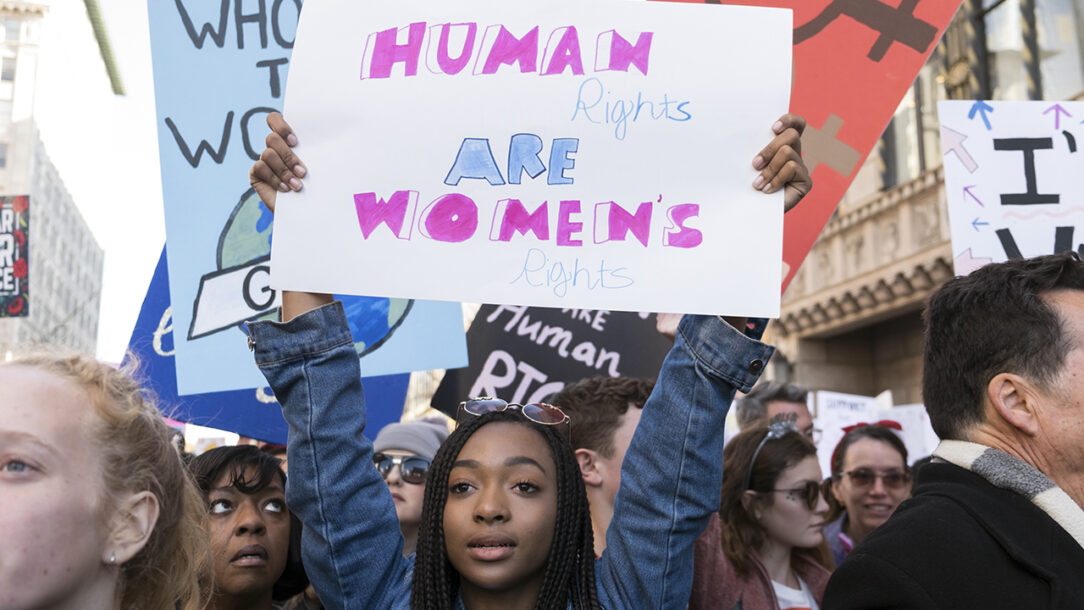
Feminism. The very word crackles with a contentious energy, doesn’t it? A lightning rod in the perpetually stormy atmosphere of socio-political discourse. Where *does* it stand, precisely, in this bewildering now? Is it a triumphant banner unfurled atop the mountain of equality, or a tattered flag clinging precariously to a crumbling edifice? The answer, as with most things of significance, is layered, nuanced, and infuriatingly complex.
Forget the saccharine narratives of progress neatly achieved. Feminism isn’t some historical artifact, entombed in textbooks. It’s a living, breathing, evolving organism – constantly adapting, mutating, and, frankly, often fighting for its damn life. To understand its current position, we need to dissect the body politic, examine its vital signs, and diagnose its persistent ailments.
Let’s begin with the **Illusory Zenith: The Mirage of Gender Equality.**
We’re bombarded with narratives of female empowerment. CEOs grace magazine covers. Politicians shatter glass ceilings (or at least chip them). Celebrities declare themselves feminists, often while simultaneously perpetuating beauty standards that would make a Victorian corset blush. This creates a shimmering mirage of progress, a comforting fiction that lulls us into a dangerous complacency. It’s the “post-feminist” lie whispered in our ears, the insidious suggestion that the battle is won, the war is over, and we can all just go home and bake cupcakes. Except, of course, the battle is far from won.
Consider the persistent gender pay gap, a stubborn economic malignancy that refuses to be excised. Women, on average, still earn less than men for doing the same work. This isn’t about individual skill or merit; it’s about systemic devaluation, about the insidious belief that women’s contributions are inherently worth less. It is a societal tax levied solely on the basis of gender. This disparity isn’t merely an economic inconvenience; it’s a societal indictment, a stark reminder that the playing field remains tilted. It’s a blatant, unrepentant theft of potential and opportunity.
And what of the underrepresentation of women in positions of power, particularly in fields like STEM and finance? The “pipeline problem” is often cited, the argument that there simply aren’t enough qualified women to fill these roles. This is, frankly, garbage. The pipeline *exists*, but it’s clogged with bias, discrimination, and a culture that actively discourages women from pursuing these paths. It’s a self-fulfilling prophecy designed to maintain the status quo. Young girls are subtly steered away from science and math, encouraged to pursue “softer” subjects, perpetuating the cycle of underrepresentation. The path is paved with microaggressions and blatant sexism.
Let’s move onto **The Ubiquitous Male Gaze: Objectification as Cultural Currency.**
Despite all the talk of empowerment, women’s bodies remain a battleground. The male gaze, that insidious lens through which women are primarily viewed as objects of desire, still permeates our culture. From advertising to entertainment, women are constantly bombarded with messages that their worth is tied to their physical appearance. This isn’t just about unrealistic beauty standards; it’s about a fundamental dehumanization, about reducing women to a collection of body parts to be judged, scrutinized, and consumed. This objectification is not merely an aesthetic issue; it has real-world consequences. It contributes to body image issues, eating disorders, and a culture of sexual harassment and assault.
The insidious creep of the male gaze extends beyond mere visual consumption. Consider the relentless policing of women’s bodies, the constant judgment and criticism leveled at their choices regarding dress, behavior, and even reproductive autonomy. A woman who embraces her sexuality is labeled a “slut,” while a woman who chooses to be more demure is deemed “prudish.” There is no winning. She is placed in a Catch-22. This perpetual scrutiny is designed to control women, to keep them in their place, to remind them that their bodies are not their own.
Consider, also, the rise of the influencer culture, where young women are encouraged to monetize their bodies and their lives, transforming themselves into walking advertisements for consumerism and unattainable beauty standards. They become commodities, their worth measured by likes, followers, and brand endorsements. It’s a gilded cage, a seemingly empowering path that ultimately reinforces the very systems of oppression it purports to subvert. Freedom is exchanged for visibility.
Now, for **The Backlash Brigade: The Resurgence of Anti-Feminist Sentiment.**
The progress that feminism has achieved has inevitably provoked a backlash. This isn’t surprising; resistance to change is a predictable human response. What *is* concerning is the virulence and sophistication of this anti-feminist sentiment. It’s no longer relegated to the fringes of society; it’s become mainstreamed, amplified by social media and political polarization.
The “men’s rights” movement, for example, falsely presents itself as a counterweight to feminism, arguing that men are the *real* victims of gender inequality. This is a blatant distortion of reality, a desperate attempt to deflect attention from the systemic oppression that women face. It ignores the vast power imbalances that still exist between men and women, and it perpetuates harmful stereotypes about both genders. It’s a deliberate misdirection, a smokescreen designed to obscure the true nature of gender inequality.
Furthermore, the anti-feminist movement often weaponizes identity politics, portraying feminism as a threat to traditional values and national identity. This strategy is particularly effective in appealing to those who feel threatened by social change, who yearn for a return to a perceived golden age when gender roles were clearly defined and unquestioned. It is rooted in nostalgia, a longing for a past that never truly existed, a past that conveniently ignores the systemic injustices that characterized previous eras.
And what of the insidious creep of misogyny into political discourse? The election of leaders who openly espouse sexist views, the normalization of sexual harassment and assault, the rollback of reproductive rights – these are all alarming signs that the gains of the feminist movement are under threat. It’s a chilling reminder that progress is not linear, that victories can be reversed, and that the fight for equality is never truly over. This is a war, and we are losing ground.
Finally, we look at **The Intersectionality Imperative: Feminism’s Moral Reckoning.**
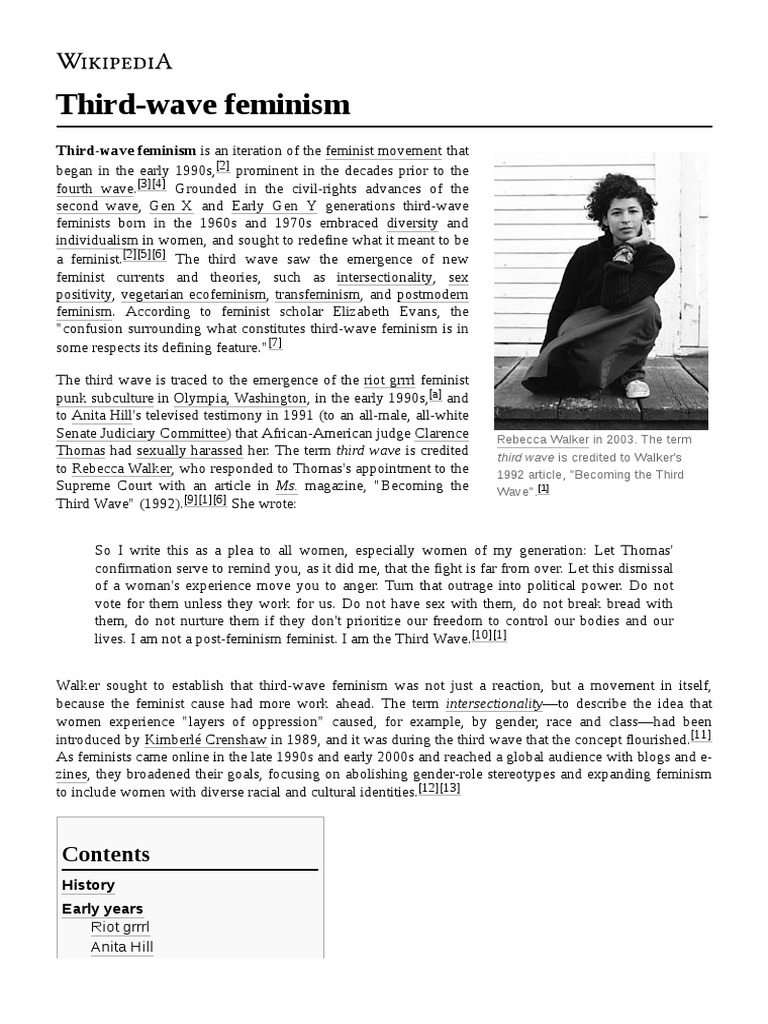
One of the most crucial developments in contemporary feminism is the growing recognition of intersectionality. This concept, coined by Kimberlé Crenshaw, acknowledges that gender is not experienced in isolation, but is interwoven with other forms of oppression, such as race, class, sexual orientation, and disability. A feminist movement that fails to account for these intersections is inherently incomplete and exclusionary.
Historically, mainstream feminism has often been dominated by the concerns of white, middle-class women, marginalizing the experiences of women of color, LGBTQ+ women, and women from other marginalized communities. This has led to a fractured and fragmented movement, hindering its ability to achieve meaningful change. It’s a form of unwitting colonialism, imposing a singular narrative of womanhood onto a diverse and complex reality.
Embracing intersectionality requires a fundamental shift in perspective, a willingness to listen to and learn from the experiences of those who have been historically silenced. It demands a recognition that privilege exists, even within the feminist movement, and a commitment to dismantling systems of oppression that impact all women, not just those who are most visible. It’s about building a truly inclusive and equitable movement, one that recognizes the inherent worth and dignity of all individuals.
The rise of intersectional feminism has also challenged traditional notions of gender identity, recognizing that gender is not a binary construct, but a spectrum. This has led to a greater understanding and acceptance of transgender and non-binary individuals, but it has also sparked controversy and backlash. The battle over trans rights is one of the most contentious issues facing feminism today, highlighting the complexities and challenges of building a truly inclusive movement.
So, where *does* feminism stand today? It stands at a crossroads, grappling with internal contradictions and external threats. It is simultaneously ascendant and besieged, triumphant and vulnerable. It’s a movement in perpetual motion, constantly evolving, adapting, and fighting for its very survival. It’s not a destination, but a journey, a relentless pursuit of a more just and equitable world for all. And that, my friends, is a fight worth fighting.






Leave a Comment