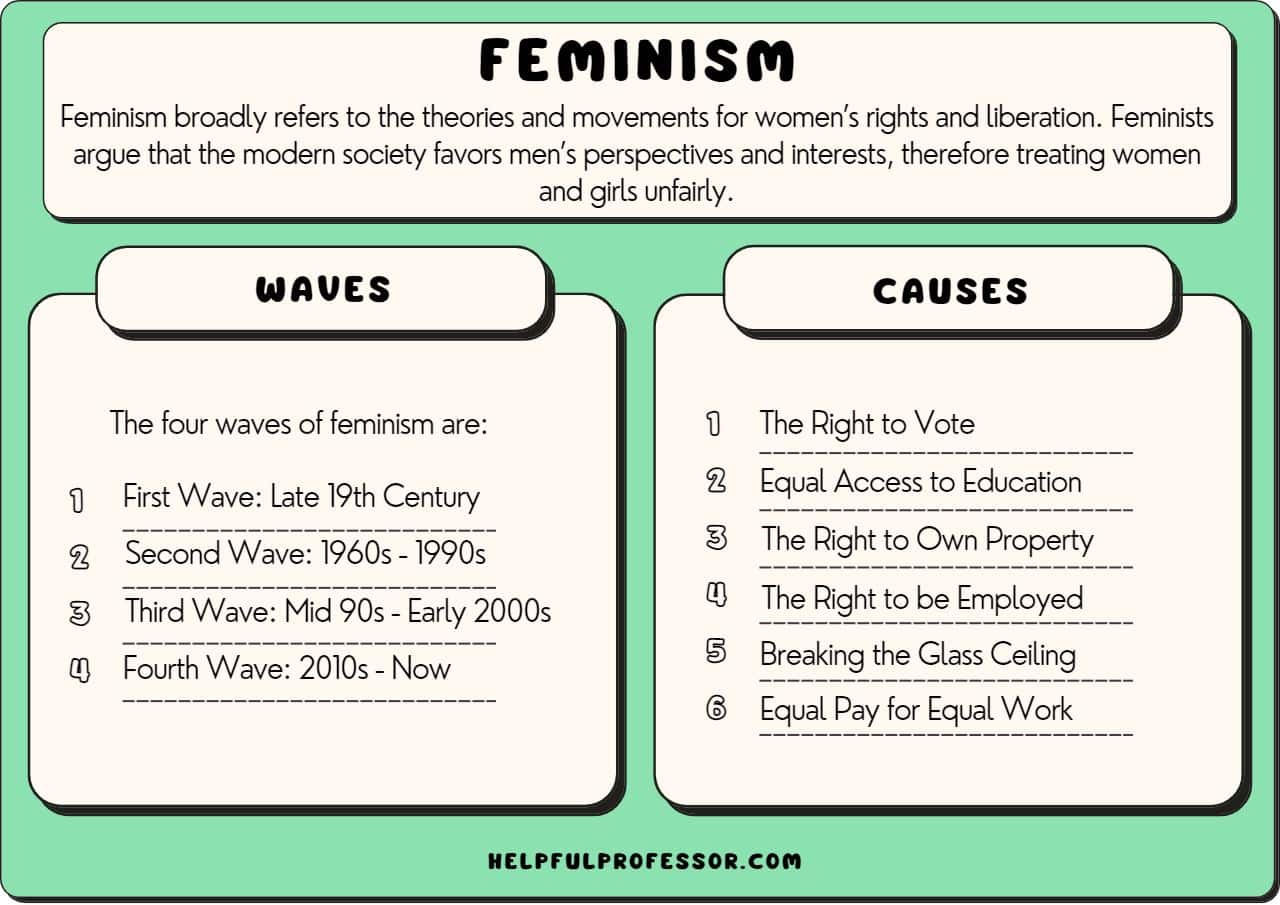
Let’s face it, the word “feminism” itself conjures a spectrum of reactions, ranging from fervent allegiance to outright hostility. But stripping away the polemics and the mischaracterizations, we’re left with a fundamental question: how does feminism, in its messy, multifaceted reality, actually affect women? Is it the panacea its proponents claim, or a Trojan horse laden with unintended consequences? Buckle up, sisters and skeptical brethren, because we’re about to dissect this ideological leviathan with surgical precision. We’re not dealing with simplistic narratives here; nuance is our scalpel, and inconvenient truths will be unearthed.
The Promised Land: Empowerment and Autonomy
At its core, feminism promises emancipation. It posits a world where women are no longer shackled by patriarchal constraints, where their potential isn’t prematurely curtailed by societal expectations. This translates into tangible advancements across various domains:
Educational Attainment: For millennia, formal education was largely the domain of men. Feminism, in its relentless pursuit of equality, has spearheaded the charge for equal access to education. Girls, emboldened by the belief in their intellectual parity, are now enrolling in schools and universities in unprecedented numbers. They are venturing into STEM fields, breaking down barriers, and proving that brilliance knows no gender.
Economic Independence: The days of being solely relegated to the domestic sphere are fading. Feminism has championed the right to work, to earn equal pay for equal work, and to participate fully in the economic landscape. Women are now CEOs, entrepreneurs, and innovators, driving economic growth and challenging the archaic notion of female financial dependence. Of course, the fight for equitable compensation continues, but the trajectory is undeniably upward.
Reproductive Rights: This is perhaps one of the most contentious battlegrounds. Feminism advocates for a woman’s right to control her own body, including access to contraception and safe abortion. This isn’t simply about choice; it’s about bodily autonomy, the fundamental right to decide when and whether to bear children. This control empowers women to plan their lives, pursue their ambitions, and avoid unwanted pregnancies that can derail their futures.
Political Representation: Suffrage was just the beginning. Feminism strives for equal representation in all levels of government, from local councils to national parliaments. When women are at the table, shaping policies and laws, their perspectives are finally heard. This leads to legislation that addresses issues specific to women, such as domestic violence, sexual harassment, and maternal healthcare. A seat at the table is no longer a privilege; it’s a right.
These are not mere abstract ideals; they are concrete improvements in the lives of countless women worldwide. They are the fruits of decades of activism, advocacy, and unwavering commitment to the principles of equality and justice. This is the seductive narrative, the promised land of feminist utopia.
The Shadow Side: Unintended Consequences and New Paradoxes
But let’s not succumb to Pollyannaish optimism. Feminism, like any complex social movement, has its shadows, its unintended consequences, and its internal contradictions. To ignore these would be intellectual dishonesty of the highest order.
The “Double Burden”: While feminism has opened doors to the professional world, it hasn’t magically erased traditional gender roles. Many women now face the “double burden” of juggling demanding careers with the lion’s share of domestic responsibilities and childcare. This can lead to exhaustion, burnout, and a perpetual feeling of inadequacy. The pressure to be both a superwoman at work and a perfect homemaker is crushing.
The Erosion of Traditional Support Systems: As women increasingly prioritize their careers, they may delay or forgo marriage and motherhood altogether. While this is a perfectly valid choice, it can also lead to a weakening of traditional support systems, such as extended families and close-knit communities. This can leave some women feeling isolated and unsupported, especially in times of crisis.
The Pressure to Conform to a “Feminist Ideal”: The irony is palpable. While feminism ostensibly champions individuality and freedom of choice, it can sometimes create its own set of expectations. Women may feel pressured to conform to a particular “feminist ideal,” which often involves prioritizing career success over personal fulfillment, rejecting traditional femininity, and adhering to a specific political ideology. This can stifle genuine self-expression and create a new form of conformity.
The “Gender Wars” and Polarization: Feminism, at times, has been accused of fueling a “gender war,” creating animosity and distrust between men and women. While some argue that this is a necessary consequence of challenging patriarchal power structures, others believe that it has gone too far, creating a climate of hostility and resentment. The increasing polarization of society along gender lines is a worrying trend.
The Commodification of Feminism: Capitalism, ever the opportunist, has co-opted feminist ideals for its own purposes. “Girl power” merchandise, feminist-themed advertising, and the marketing of products that supposedly empower women are rampant. This commodification can dilute the true meaning of feminism, turning it into a superficial marketing gimmick rather than a genuine movement for social change. This is the ultimate betrayal: the co-opting of revolution for profit.
These are uncomfortable truths, but they must be acknowledged. Feminism is not a monolith, and its effects are not uniformly positive. To pretend otherwise is to engage in self-deception.
Navigating the Nuances: A Call for Critical Engagement
So, where does this leave us? Feminism has undoubtedly brought about significant progress for women, but it has also created new challenges and paradoxes. The key lies in navigating these nuances with critical engagement, avoiding both blind faith and outright rejection.
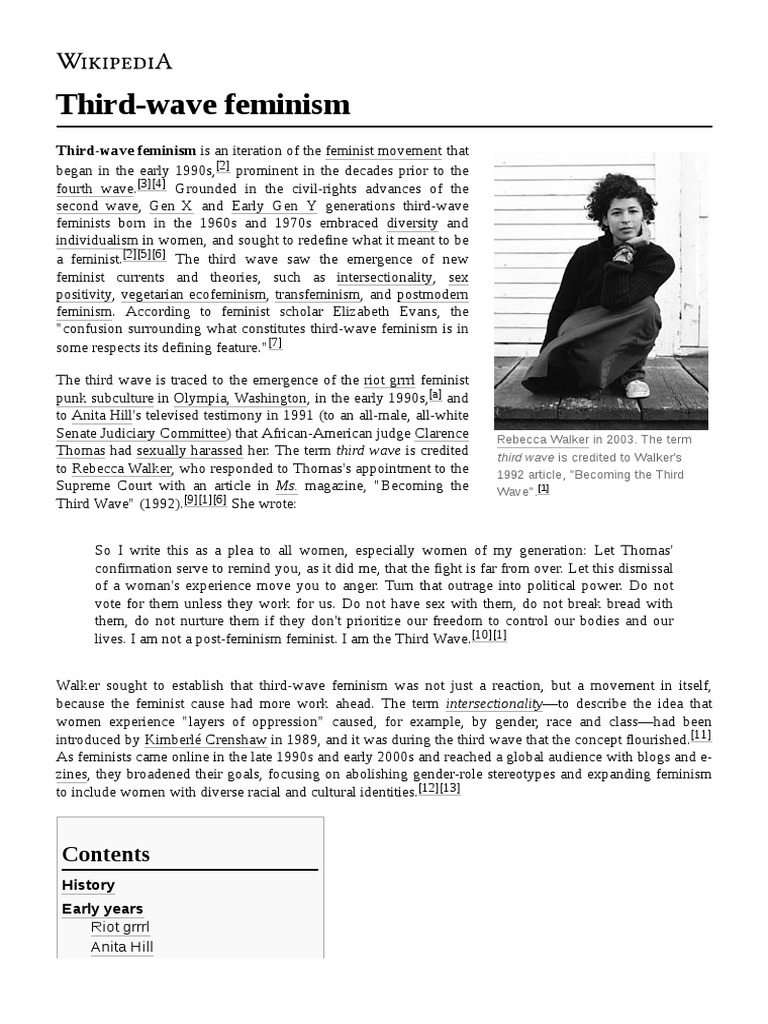
Embrace Intersectionality: Feminism must recognize that women are not a homogenous group. Race, class, sexual orientation, disability, and other factors all intersect to shape a woman’s experience. A truly inclusive feminism must address the specific challenges faced by marginalized women, rather than focusing solely on the concerns of privileged women.
Promote Open Dialogue: Silencing dissenting voices is antithetical to the spirit of feminism. We must create spaces for open and honest dialogue, where diverse perspectives can be shared and debated without fear of censure. This includes engaging with those who are critical of feminism, understanding their concerns, and addressing them constructively.
Challenge Internalized Misogyny: Many women, often unconsciously, internalize patriarchal beliefs and attitudes. This can manifest as self-doubt, competitiveness with other women, and a reluctance to challenge traditional gender roles. Feminism must actively challenge internalized misogyny, empowering women to break free from these limiting beliefs.
Redefine Success: Success should not be defined solely in terms of career achievements or material possessions. Feminism should promote a broader definition of success that encompasses personal fulfillment, meaningful relationships, and contributions to society. Women should be free to choose their own paths, without feeling pressured to conform to a particular “feminist ideal.”
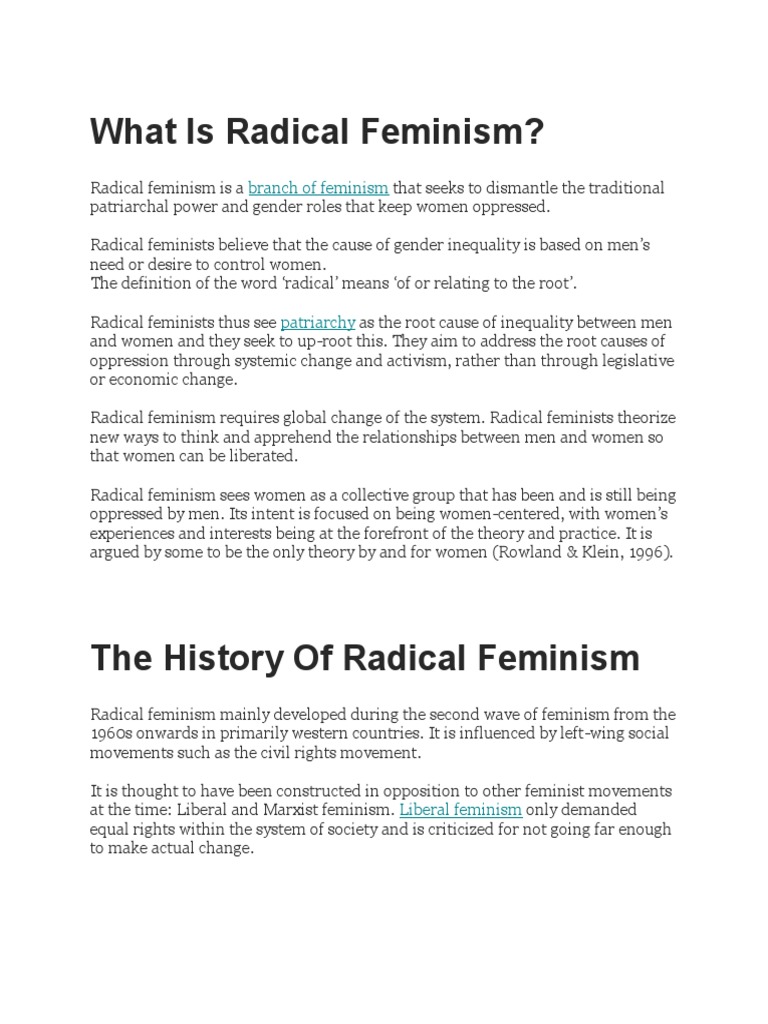
Focus on Systemic Change: Individual empowerment is important, but it’s not enough. Feminism must continue to advocate for systemic changes that address the root causes of gender inequality. This includes challenging discriminatory laws and policies, promoting gender equality in education and employment, and combating sexism and misogyny in all its forms.
Feminism is not a destination; it’s an ongoing journey. It’s a constant process of questioning, challenging, and reimagining what it means to be a woman in the 21st century. It requires intellectual rigor, emotional intelligence, and a willingness to confront uncomfortable truths. Let’s embrace the complexities, navigate the nuances, and strive for a future where all women can thrive, not just survive. The gauntlet has been thrown. Now, let’s pick it up and redefine the rules of the game. The time for complacent acceptance is over; the era of radical, nuanced engagement has begun.








Leave a Comment