
Alright, sisters, let’s slice through the semantic bullshit and get down to brass tacks. We’re talking about feminism versus feminist, a distinction that, frankly, shouldn’t need explaining, but here we are, navigating the minefield of misogynistic misinterpretations and watered-down woke-ism. One’s a political ideology, a framework for dismantling the patriarchy. The other? A (supposedly) conscious human being actively participating in that dismantling. But, like most things worth fighting for, the nuances are where the real battle lies.
Prepare yourselves. We’re diving deep.
I. Feminism: The Ideological Arsenal
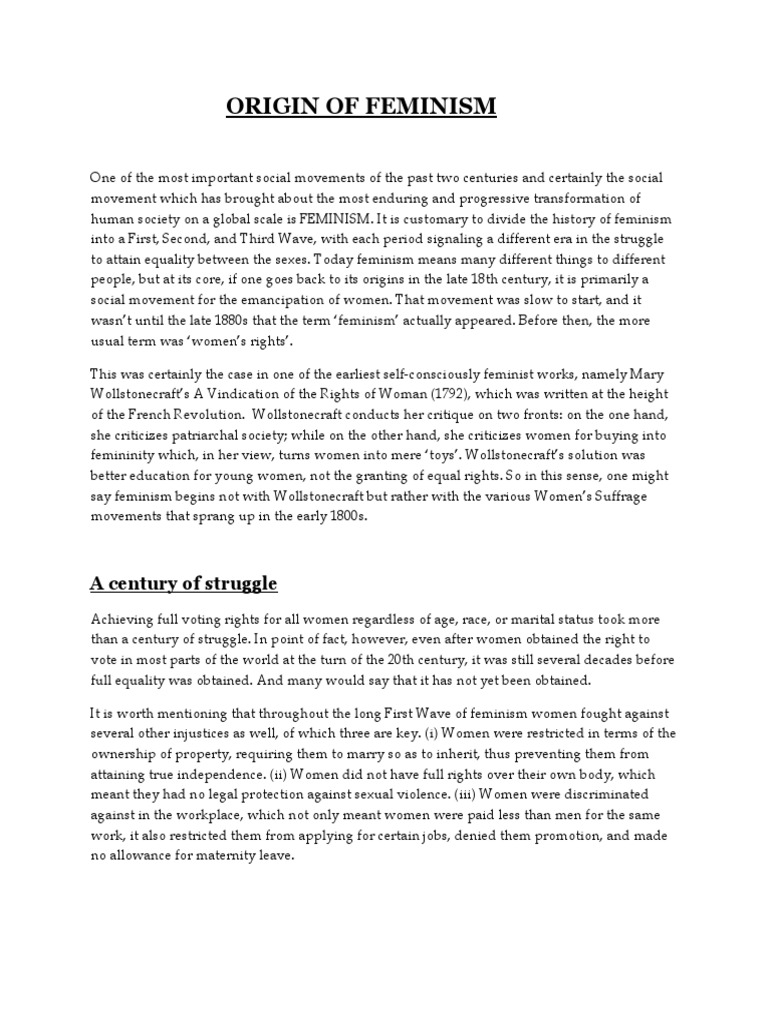
Let’s clarify: feminism isn’t some monolithic, pastel-colored “girl power” fest. It’s a complex, multifaceted ideology, a constantly evolving tapestry woven from various threads of thought and lived experience. At its core, feminism is the belief in the social, political, and economic equality of the sexes. Simple, right? Wrong. Because then you have to address the “how.” And that’s where things get…spicy.
A. The Foundation: Equality vs. Equity. Stop right there if you think these terms are interchangeable. Equality means treating everyone the same, regardless of their starting point. Equity, on the other hand, recognizes that systemic inequalities exist and seeks to provide individuals with what they need to achieve a level playing field. Feminism, at its most insightful, demands equity. We’re not just asking for a seat at the table; we’re demanding the table be restructured to accommodate everyone, including those who’ve been deliberately excluded. Short-sighted feminists miss this completely, focusing on “leaning in” without questioning the structures that make leaning in even necessary in the first place.
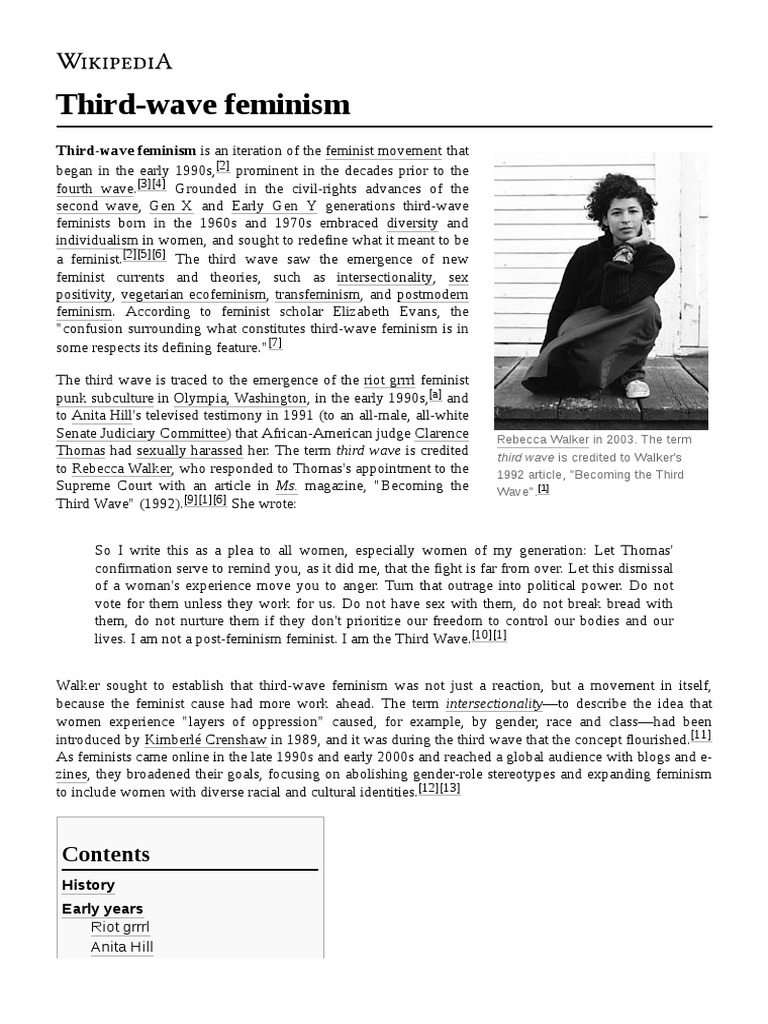
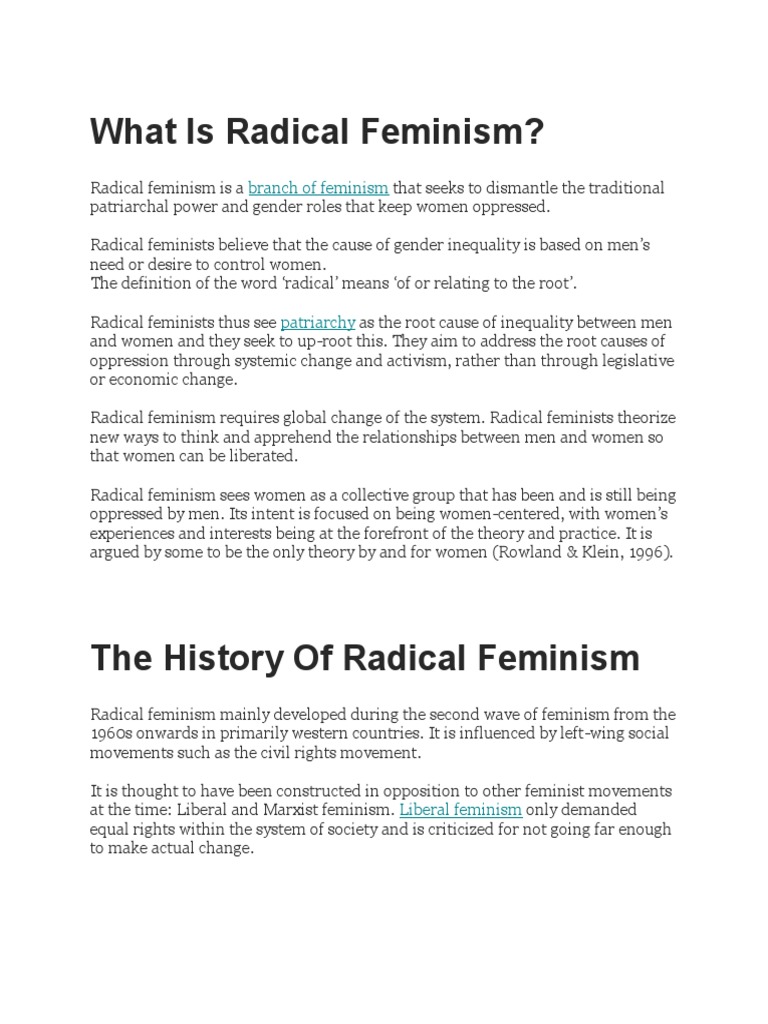
B. Branches of the Bough: A Whirlwind Tour of Feminist Thought. Buckle up, buttercups. This is where things get interesting. We’ve got liberal feminism, focusing on legal and political reform within existing systems; radical feminism, advocating for a fundamental restructuring of society to eliminate patriarchy; socialist feminism, examining the intersections of capitalism and patriarchy; intersectional feminism, acknowledging the overlapping systems of oppression experienced by individuals based on their race, class, sexual orientation, gender identity, and other social categories (this one’s non-negotiable, by the way); ecofeminism, exploring the connections between the domination of women and the domination of nature. Are you exhausted yet? Good. Because this is just the tip of the iceberg. Ignoring these diverse perspectives is intellectual malpractice, and it actively undermines the movement. Pretending all feminists agree on everything is a disservice to the rich history and ongoing debates within feminist theory. The differences are not weaknesses. They are strengths.
C. Beyond the Binary: Expanding the Lexicon of Liberation. Feminism is not just about women. It’s about challenging the rigid gender binary and dismantling all forms of oppression that stem from patriarchal structures. This includes fighting for the rights of transgender and non-binary individuals, who are often marginalized within both society and the feminist movement itself. To exclude trans women from the conversation is to perpetuate the very systems of exclusion that feminism claims to oppose. Furthermore, feminism demands a critique of hegemonic masculinity, recognizing that traditional notions of masculinity are harmful to both men and women. It asks us to reimagine what it means to be a man, to challenge the pressure to be strong, stoic, and emotionally unavailable. It’s a project of liberation for everyone, not just those who identify as women.
II. Feminist: The Embodied Advocate (Or, the Performative Ally?)
Okay, so we’ve established that feminism is an ideology. But what does it mean to *be* a feminist? Well, in theory, it means embodying the principles of feminism in your words, actions, and beliefs. It means actively working to dismantle patriarchy in your personal life, in your community, and in the world at large. It means challenging sexism, misogyny, and all forms of gender-based discrimination. But, in practice… well, let’s just say the waters get a little murky. And full of opportunistic charlatans.
A. The Spectrum of Solidarity: From Active Resistance to Apathetic Acceptance. Not all feminists are created equal. Some are actively engaged in activism, organizing protests, lobbying for legislation, and speaking out against injustice. Others may simply hold feminist beliefs without actively participating in the movement. And then there are the “armchair feminists,” those who virtue signal online but rarely take meaningful action in the real world. The level of commitment varies, and that’s okay. But there’s a vast difference between passively accepting feminist ideals and actively fighting for them. The former is like owning a fire extinguisher and never using it; the latter is like being an arson investigator.
B. The Perils of Performance: Spotting the Performative Feminist. This is where it gets ugly. The performative feminist is someone who adopts the language and aesthetics of feminism without actually embodying its principles. They may post feminist slogans on social media, attend trendy feminist events, and even claim the title of “feminist,” but their actions often contradict their words. They may benefit from patriarchal structures, exploit other women for their own gain, or perpetuate harmful stereotypes. Spotting a performative feminist requires a critical eye and a willingness to look beyond the surface. Do they support policies that benefit all women, or just themselves? Do they amplify the voices of marginalized women, or do they speak over them? Do they challenge their own biases, or do they deflect criticism? The answers to these questions will reveal their true intentions.
C. The Internalized Oppressor: Navigating the Labyrinth of Self-Sabotage. Sometimes, the greatest obstacle to feminist progress is the internalized oppressor. This is the voice inside our heads that tells us we’re not good enough, that we’re not worthy, that we should conform to societal expectations. It’s the product of a lifetime of exposure to sexist messages and patriarchal norms. Overcoming the internalized oppressor requires a conscious effort to challenge negative self-talk, to embrace our strengths, and to prioritize our own well-being. It’s a lifelong journey of self-discovery and self-acceptance. It’s about reclaiming our power and refusing to let the patriarchy define us.
III. The Interplay: Where Theory Meets Practice (and Often Collides)
The relationship between feminism and feminist is not always harmonious. In fact, it’s often fraught with tension and contradiction. The gap between theory and practice can be vast, and navigating that gap requires constant self-reflection and a willingness to learn from our mistakes. Because let’s be real, we *will* make mistakes. The point is to learn from them, not to become paralyzed by them.
A. The Imperfect Advocate: Embracing the Messiness of Progress. No one is a perfect feminist. We all have biases, blind spots, and areas where we can improve. The key is to be aware of our limitations and to be open to feedback. It’s about acknowledging our mistakes and taking responsibility for our actions. It’s about striving to be better allies and accomplices. Demanding perfection is a tactic used to silence dissent. Don’t fall for it.
B. The Power of Collective Action: Moving Beyond Individualism. Feminism is not a solo act. It’s a collective movement, and it requires us to work together to achieve our goals. This means building alliances with other marginalized groups, amplifying the voices of those who are often silenced, and challenging systems of oppression that affect us all. It also means holding each other accountable and calling out harmful behavior, even when it comes from within the feminist community. The patriarchy thrives on division. Let’s not give it the satisfaction.
C. The Future of Feminism: Reimagining a World Without Patriarchy. The ultimate goal of feminism is not simply to achieve equality within the existing system, but to create a new system altogether – a world without patriarchy, without sexism, without gender-based violence, without all the bullshit we’ve been forced to endure for centuries. This requires a radical reimagining of our social, political, and economic structures. It requires us to challenge deeply ingrained beliefs and assumptions. It requires us to be bold, courageous, and unapologetically revolutionary. It demands nothing less than the complete dismantling of the patriarchal edifice. And sisters, we’re just getting started.
So, what’s the difference between feminism and feminist? One is the map, the other is the explorer. One is the weapon, the other is the wielder. One is the dream, the other is the act of waking up and fighting for it. Now, let’s get to work.






Leave a Comment