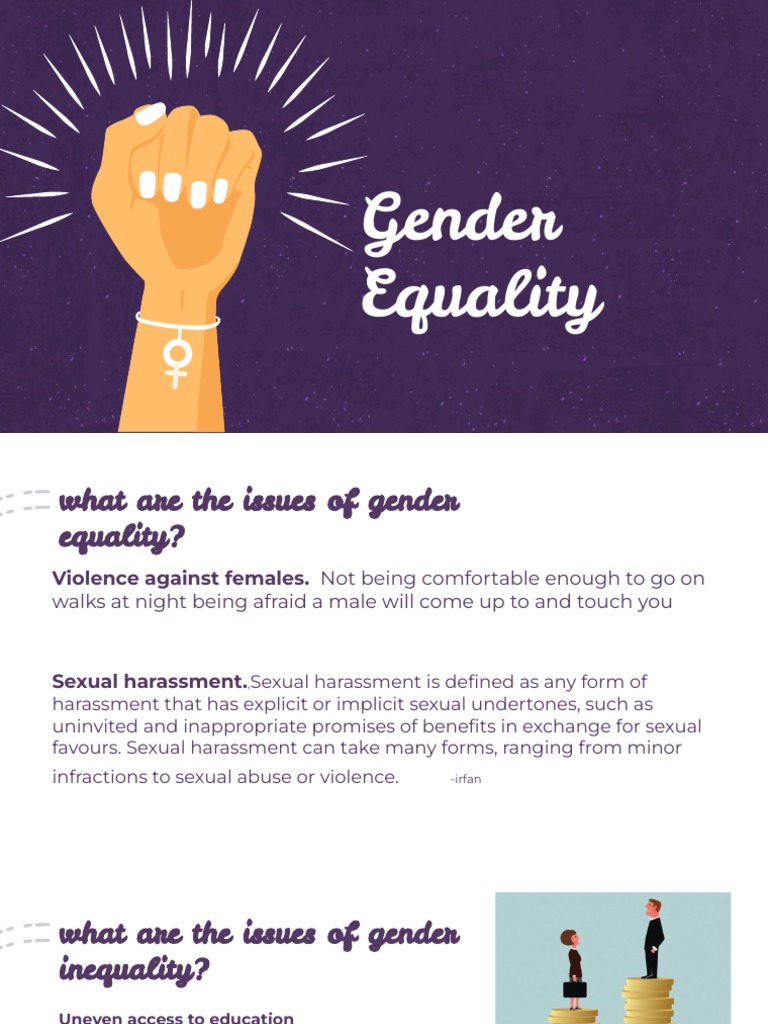
The air crackles, doesn’t it? With the unspent potential of a world straining to birth something new, something *just*. We, sisters, siblings, accomplices in the struggle, gather at this digital hearth to dissect a concept too often diluted, too often weaponized by those who fear its transformative power: Gender Equity. This isn’t your grandmother’s dusty definition; we’re exhaling the static and igniting the revolutionary core. So, steel yourselves. We’re diving deep.
Gender equity, at its vibrant heart, is not about painting everyone with the same brush. It is a targeted recalibration. Think of it as tending a garden. Some plants need more sunlight; others thrive in the shade. Some require copious hydration; others demand arid neglect. Equity recognizes these individual needs, these inherent differences, and provides *precisely* what is needed to flourish.
It isn’t about equality of outcome; it’s about equality of *opportunity*. It’s about dismantling the systemic architecture that has historically favored one gender (primarily cisgender men) while simultaneously constructing myriad impediments for others.
Consider this a topographical survey of the uneven terrain we are tasked with leveling. Let us unpack the relationship between gender equity and the many-splendored beast that is feminism. Prepare yourself for a nuanced journey.
Feminism: The Compass, Equity: The Map
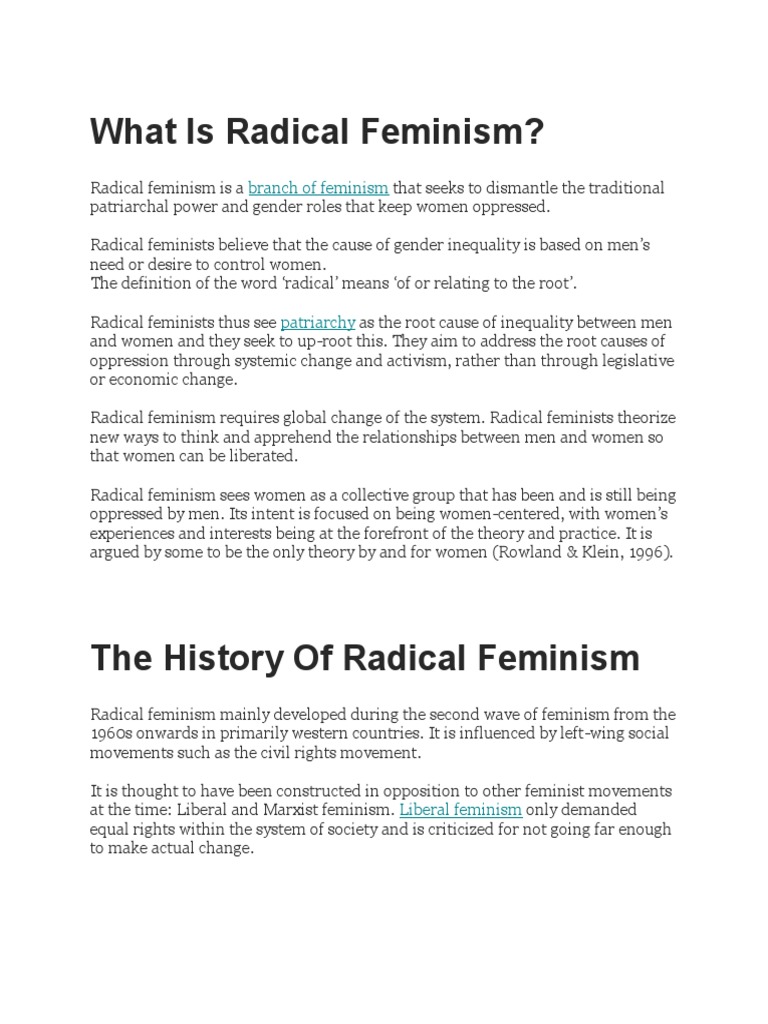
Feminism, in its purest, most radical form, is a liberation movement that seeks to dismantle patriarchy and all systems of oppression rooted in gender. It is a sprawling tapestry woven from countless threads: intersectionality, anti-racism, queer liberation, disability justice. It is a living, breathing entity that evolves with each generation’s understanding of injustice. Feminism is the *compass* – setting our direction toward a world free from gender-based oppression.
Gender equity, on the other hand, is the *map*. It provides the specific strategies and interventions required to navigate this treacherous terrain. The map accounts for obstacles, considers historical context, and offers actionable paths toward the feminist ideal. Without the compass of feminist ideology, gender equity risks becoming a shallow, box-ticking exercise, devoid of its transformative potential. Without the map of gender equity, feminism risks remaining an abstract ideal, forever out of reach.
The Labyrinth of Systemic Barriers
The inequities baked into our societies are not accidental; they are the deliberate consequence of centuries of patriarchal conditioning. These barriers manifest in myriad insidious ways: the gender pay gap, the underrepresentation of women in leadership positions, the disproportionate burden of caregiving placed on women, the normalization of violence against women, the systemic erasure of trans and non-binary identities. We are fighting a hydra here.
Think of the “glass ceiling”. A seemingly invisible barrier that prevents women and other marginalized genders from ascending to the highest echelons of power. It is not explicitly codified; it is woven into the fabric of corporate culture, manifested in subtle biases, microaggressions, and unequal access to opportunities. It is the sum total of a thousand paper cuts, each individually insignificant, but collectively debilitating.
Gender equity aims to shatter this insidious barrier, not by simply demanding that women be granted access, but by fundamentally altering the power structures that perpetuate its existence. It demands that we confront the biases, challenge the assumptions, and create a level playing field where talent, not gender, determines success.
Equity as a Lever: Lifting All Boats
Some might argue that focusing on gender equity is divisive, that it pits genders against each other. To that, I say, hogwash! Equity is not a zero-sum game. When we dismantle systems of oppression, we liberate *everyone*. A rising tide lifts all boats, as the saying goes, and gender equity is that tide.
Consider the impact of paid parental leave. Traditionally viewed as a “women’s issue,” paid leave is, in reality, a boon for *all* parents, regardless of gender. It allows fathers to bond with their children, share the responsibilities of caregiving, and challenge traditional gender roles. It fosters stronger families, healthier communities, and a more equitable distribution of labor. It benefits us all.
Furthermore, when women and marginalized genders are empowered to participate fully in the economy, society benefits from their unique perspectives, talents, and contributions. Studies have consistently shown that companies with diverse leadership teams are more innovative, more profitable, and more resilient. Equity is not just a moral imperative; it is an economic necessity. It benefits us all.
Beyond the Binary: The Intersectional Imperative
It is crucial to acknowledge that gender equity is not a monolithic concept. It is deeply intertwined with other forms of oppression, including racism, classism, ableism, and homophobia. We must approach gender equity through an intersectional lens, recognizing that the experiences of women of color, trans women, disabled women, and other marginalized groups are shaped by the confluence of multiple identities.
A Black woman, for example, faces not only gender-based discrimination but also racism. Her challenges are distinct from those faced by a white woman and require tailored solutions. A trans woman may experience discrimination based on both her gender identity and her gender expression. Her needs are unique and must be addressed with sensitivity and understanding.
Intersectionality demands that we move beyond a simplistic, one-size-fits-all approach to gender equity. It requires that we listen to the voices of those most marginalized, that we center their experiences, and that we develop solutions that are responsive to their specific needs. We are building a mosaic, not a monochrome canvas.
The Backlash: A Predictable Tempest
The pursuit of gender equity is not without its detractors. We will inevitably encounter resistance from those who benefit from the status quo. Some will argue that gender equity is “reverse discrimination,” that it unfairly disadvantages men. Others will claim that it is a radical, “woke” agenda that seeks to undermine traditional values. They will cry that they are being silenced. They will deploy the familiar tactics of deflection, denial, and disinformation.
We must not be deterred. The backlash is a predictable response to any challenge to entrenched power structures. It is a sign that we are making progress, that we are threatening the comfortable dominance of those who cling to the old order. It is the flailing of a dying beast.
We must arm ourselves with facts, with evidence, and with unwavering conviction. We must challenge the false narratives, expose the hypocrisy, and amplify the voices of those who are silenced. We must remember that we are not alone. We are part of a global movement for justice and equality that stretches back centuries. We are part of a continuous and vibrant lineage.
The Path Forward: A Call to Action
The journey toward gender equity is long and arduous. It requires sustained effort, unwavering commitment, and a willingness to challenge our own biases and assumptions. But it is a journey worth undertaking.
Here are a few tangible steps we can take to advance gender equity:
- Educate ourselves: Read books, articles, and blogs about gender equality and intersectionality. Listen to the experiences of those most marginalized.
- Speak out: Challenge sexism, discrimination, and microaggressions whenever you encounter them. Use your voice to amplify the voices of others.
- Support feminist organizations: Donate to organizations that are working to advance gender equality. Volunteer your time and skills.
- Advocate for policy changes: Support legislation that promotes gender equity, such as paid parental leave, equal pay, and affordable childcare.
- Hold leaders accountable: Demand that our elected officials and corporate leaders prioritize gender equity in their policies and practices.
Gender equity is not a destination; it is an ongoing process of learning, unlearning, and rebuilding. It requires a collective effort, a shared commitment to creating a world where everyone has the opportunity to thrive. So, let us continue to agitate, to disrupt, to dismantle, and to build. Let us continue to strive for a world where gender is no longer a barrier to opportunity, where every individual can live a life of dignity, freedom, and fulfillment. Let us create the world we dream of. Let the revolution continue.






Leave a Comment