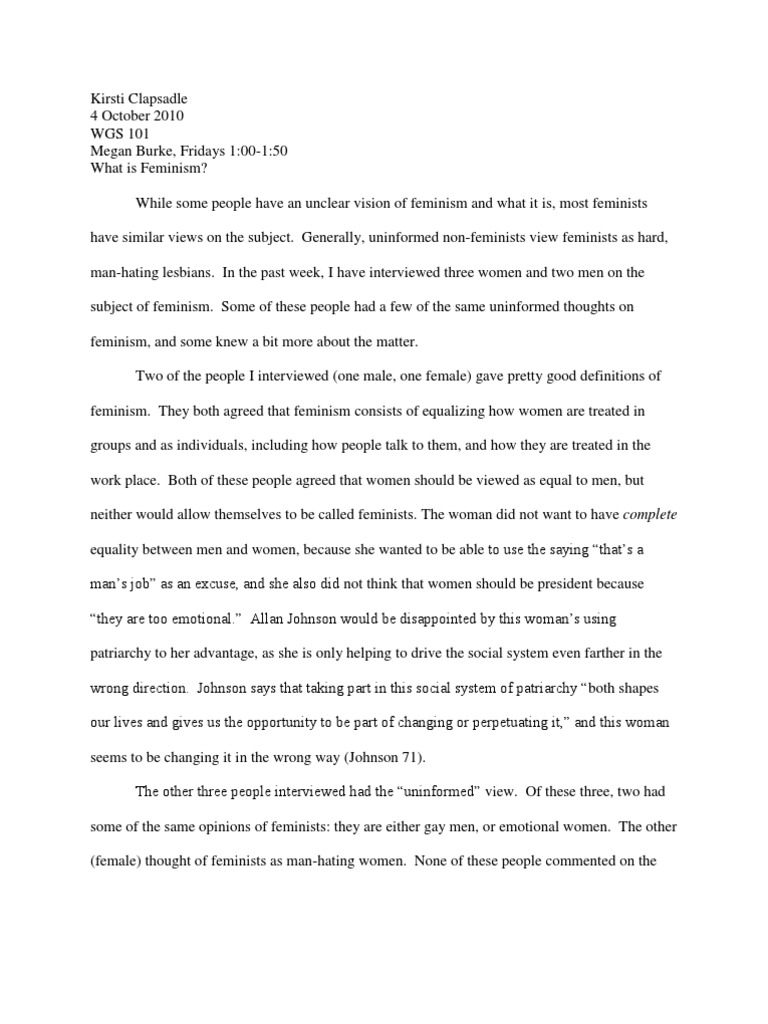
So, you think you know feminism? Darling, prepare to have your preconceived notions shattered. We’re not talking about burning bras and hating men (though, let’s be honest, sometimes…). This is about dismantling centuries of patriarchal oppression, brick by agonizing brick. Buckle up, buttercup, because this ain’t your grandmother’s women’s lib. We are diving deep, exploring the multifarious currents of feminist thought, and by the end, you’ll either be ready to join the revolution or be utterly terrified. Either way, consider your perspective irrevocably altered.
Let’s not mince words. Feminism, at its core, is the radical notion that women are, gasp, people. People deserving of equal rights, opportunities, and respect. Wild, I know. But beneath this seemingly simple concept lies a complex web of ideologies, strategies, and unwavering determination to upend the status quo. It’s not a monolithic movement, thank heavens. It’s a vibrant, sometimes messy, constantly evolving discourse.
Ready to unpack this intellectual suitcase? Let’s get to it.
The OG: Liberal Feminism – Playing by Their Rules (Sort Of)
Think of liberal feminism as the “nice girl” of the feminist family. Working within the existing system, these feminists advocate for equal rights through legal and political reforms. The suffragettes? Classic liberal feminists. They fought for the vote, believing that once women had a seat at the table, they could change the system from within. It’s about equal pay for equal work, access to education, and dismantling discriminatory laws. Sound reasonable? Sure. But is it enough? That’s where the real debate begins.
Their strategy: gradual change through legislation and advocacy. The criticism? That it doesn’t address the root causes of inequality, only the symptoms. It’s a band-aid on a gaping wound.
Radical Feminism: Tearing Down the Patriarchy, One Brick at a Time
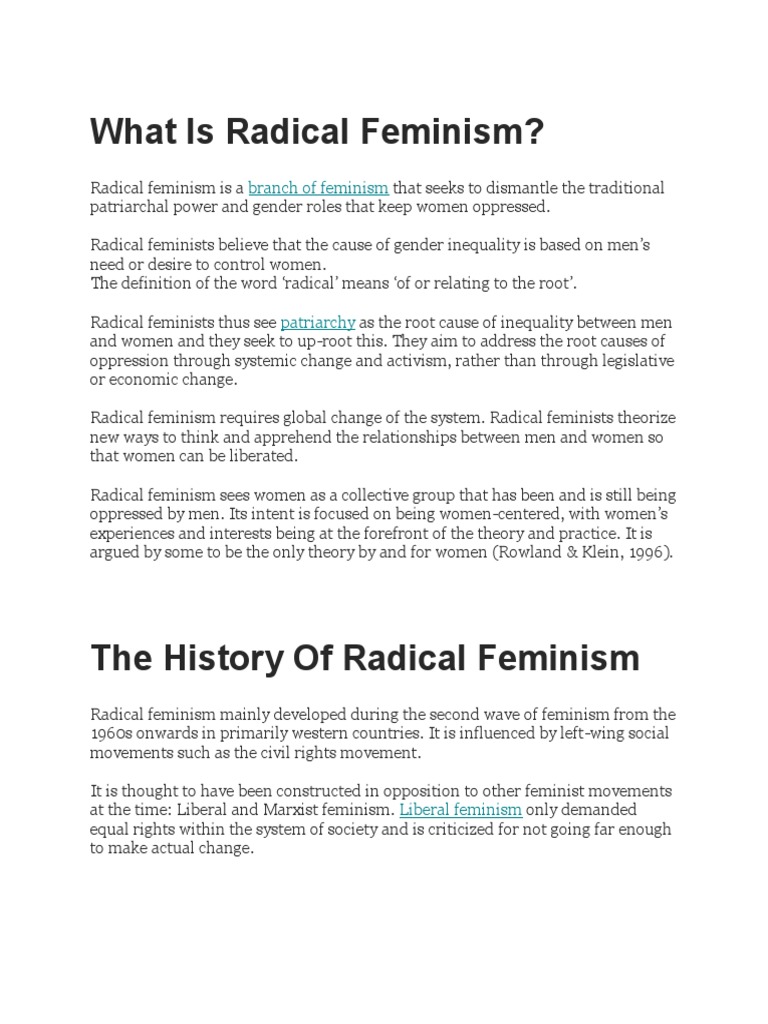
Now we’re talking. Radical feminists see patriarchy as the fundamental source of women’s oppression. They believe the entire system – political, economic, social, cultural – is designed to subjugate women. And their solution? Dismantle it all. We’re talking about challenging traditional gender roles, questioning the nuclear family, and even critiquing aspects of sexuality that perpetuate female objectification. This is where the “man-hating” stereotype comes from (unfairly, in most cases). Radical feminists are not necessarily against men, but they are vehemently against the patriarchal structures that benefit them at women’s expense.
Think Andrea Dworkin and Catherine MacKinnon. They challenged pornography and prostitution, arguing they are forms of sexual exploitation. Radical feminists want a complete societal overhaul, a fundamental shift in power dynamics. Their tactics: Consciousness-raising, direct action, and challenging societal norms at every turn.
The Critique? Sometimes, radical feminism can be essentialist, assuming a universal female experience that ignores differences based on race, class, and other factors. Can also veer into separatism, which is not a feasible approach.
Socialist Feminism: Capitalism and Patriarchy – A Match Made in Hell
Socialist feminists understand that capitalism and patriarchy are intertwined. They argue that women’s oppression is not solely based on gender but also on class. Women are often relegated to low-paying jobs, unpaid domestic labor, and are disproportionately affected by poverty. Socialist feminists want to dismantle both the capitalist system and the patriarchal structures that perpetuate inequality.
Think about the wage gap, lack of affordable childcare, and the devaluation of care work. These are all issues that socialist feminists address. Their solution: A socialist revolution that prioritizes the needs of women and all marginalized groups. They envision a society where resources are distributed equitably, and everyone has access to basic necessities like healthcare, education, and housing. Demands change in economic system to create a more equitable outcome.
Critique? Often criticized for being overly focused on economic factors and not giving enough attention to cultural and social aspects of gender inequality.
Cultural Feminism: Celebrating the “Feminine” (With a Grain of Salt)
Cultural feminism focuses on celebrating women’s unique qualities and experiences. It emphasizes the importance of female values, such as nurturing, empathy, and cooperation. It seeks to revalue these traits, which have historically been devalued in patriarchal society. Cultural feminists might promote women-only spaces, art, and literature that celebrate female experiences.
However, this approach can be tricky. Some critics argue that it can reinforce traditional gender stereotypes and essentialize women, assuming they all share the same qualities. It may also ignore the diversity of female experiences and create a false dichotomy between “masculine” and “feminine” traits.
Critique? Can veer into essentialism, reinforcing harmful stereotypes about “innate” female qualities. Can undermine gender fluidity.
Black Feminism: Intersectionality Before It Was Cool
Black feminism emerged as a critique of mainstream feminism, which often centered the experiences of white, middle-class women. Black feminists argue that racism, sexism, and classism intersect to create unique challenges for Black women. They call for a feminism that addresses the specific needs and experiences of Black women, recognizing their unique history of oppression and resilience.
Think Sojourner Truth’s “Ain’t I a Woman?” speech. It powerfully challenged the exclusion of Black women from the feminist movement. Black feminists address issues like police brutality, mass incarceration, and the school-to-prison pipeline, which disproportionately affect Black communities. It’s not just about equality; it’s about liberation.
Critique? Early critiques centered around concerns that focusing on racial disparities within feminism could potentially fragment the movement, diverting attention and resources from broader gender equality objectives. However, contemporary perspectives largely recognize the critical importance of intersectionality in achieving a truly equitable feminism.
Postcolonial Feminism: Deconstructing Western Hegemony
Postcolonial feminism examines the impact of colonialism and imperialism on women in the Global South. It critiques Western feminist perspectives that are often imposed on non-Western cultures, ignoring the specific histories and experiences of women in these regions. Postcolonial feminists challenge the notion of a universal “sisterhood,” arguing that it can mask power imbalances and reinforce Western dominance.
Think about the ways in which Western beauty standards are often imposed on women in other cultures, leading to feelings of inadequacy and self-doubt. Postcolonial feminists challenge these hegemonic discourses and advocate for a feminism that is rooted in the specific cultural contexts of each region.
Critique? Accused of relativism and a reluctance to condemn harmful cultural practices in the name of respecting cultural diversity.
Transfeminism: Embracing Gender Diversity
Transfeminism embraces transgender women and challenges traditional notions of gender. It argues that trans women are women and deserve the same rights and respect as cisgender women. Transfeminists critique the gender binary and advocate for gender self-determination, the right for individuals to define their own gender identity.
Consider the fight for access to gender-affirming healthcare, bathroom rights, and legal recognition of trans identities. Transfeminism is about challenging the very foundations of gender as a fixed and immutable category. Transgender folks should be at the fore of every discussion.
Critique? Early resistance came from some cisgender feminists, reflecting societal biases against transgender individuals. However, contemporary feminist thought largely recognizes and embraces the importance of inclusivity and solidarity with the transgender community.
Ecofeminism: Connecting the Dots Between Oppression of Women and Nature
Ecofeminism draws connections between the oppression of women and the exploitation of the environment. It argues that both are rooted in patriarchal values of domination, control, and exploitation. Ecofeminists advocate for a more sustainable and just world, based on principles of interconnectedness, respect for nature, and social justice.
Think about the disproportionate impact of environmental disasters on women and marginalized communities. Or the ways in which women are often responsible for collecting water and fuel in developing countries, making them particularly vulnerable to environmental degradation. Ecofeminism calls for a fundamental shift in our relationship with the natural world, one that is based on reciprocity and respect.
Critique? Early criticisms included concerns about essentializing women as inherently more connected to nature, which could reinforce gender stereotypes. Contemporary perspectives, however, emphasize the socio-cultural factors that link women to environmental stewardship and advocate for gender-sensitive environmental policies.
So, there you have it. A whirlwind tour through the labyrinthine world of feminist thought. This is not an exhaustive list, of course. Feminism is a living, breathing movement that is constantly evolving and adapting to new challenges. But hopefully, this has given you a better understanding of the diverse perspectives and approaches within feminism. The key takeaway? Challenge everything. Question authority. And never stop fighting for a more just and equitable world.
Don’t just stand there, go and make some noise. Change requires action, and your voice matters.






Leave a Comment