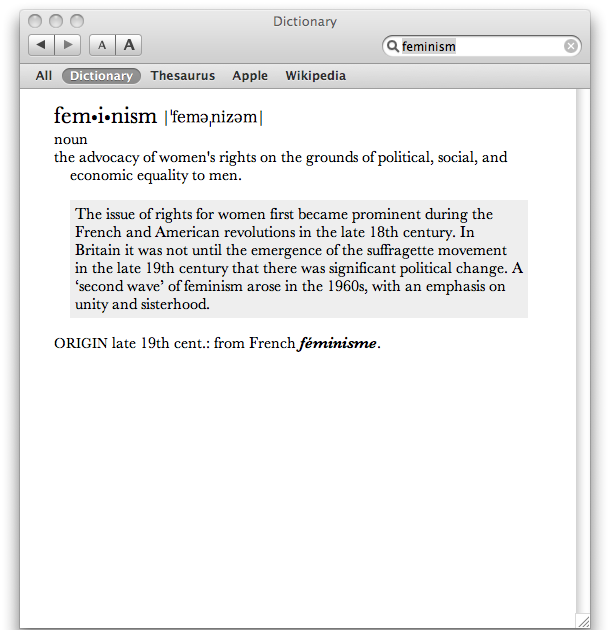
Let’s be honest: the term “feminism” often evokes eye-rolls, dismissive snorts, and frankly, a whole lot of misinformation. It’s been hijacked, misconstrued, and weaponized to the point where even *thinking* about unpacking it feels like wading into a viper’s nest. But let’s brave the venom, shall we? Because understanding what feminism *actually* is – and, perhaps more importantly, what it definitely isn’t – is crucial in dismantling the patriarchal edifice that still dictates far too much of our lives.
Forget the caricature of the bra-burning, man-hating shrew. Erase the image of the perpetually offended, humorless harpy. Those are deliberate distractions, meticulously crafted to dissuade you from engaging with the core tenets of a movement that seeks nothing more than equality and liberation for all.
So, buckle up, buttercups. We’re about to detonate some deeply entrenched misconceptions and excavate the genuine article. Get ready to have your perspectives challenged, your assumptions shattered, and your understanding of the world irrevocably altered.
What Feminism Is: The Foundation of a Just World
At its heart, feminism is breathtakingly simple: the belief that all genders are equal and deserve equal rights and opportunities. Not preferential treatment. Not dominance. Simply equality.
1. Egalitarianism’s Vanguard: Striving for Equity, Not Just Equality
Equality is the starting line, but equity is the race itself. Simply giving everyone the *same* resources doesn’t account for historical disadvantages or systemic barriers. Equity recognizes these disparities and adjusts resources accordingly to ensure a fair outcome. Feminism, therefore, isn’t just about ensuring women can vote or hold office (though those are undeniably important); it’s about dismantling the power structures that prevent them from fully participating in society in the first place.
Consider this: If a race offers everyone the same shoes, but some runners have started 100 meters behind, are they really equal? Equity addresses that starting point.
2. Intersectionality’s Embrace: Recognizing the Multiplicity of Oppression
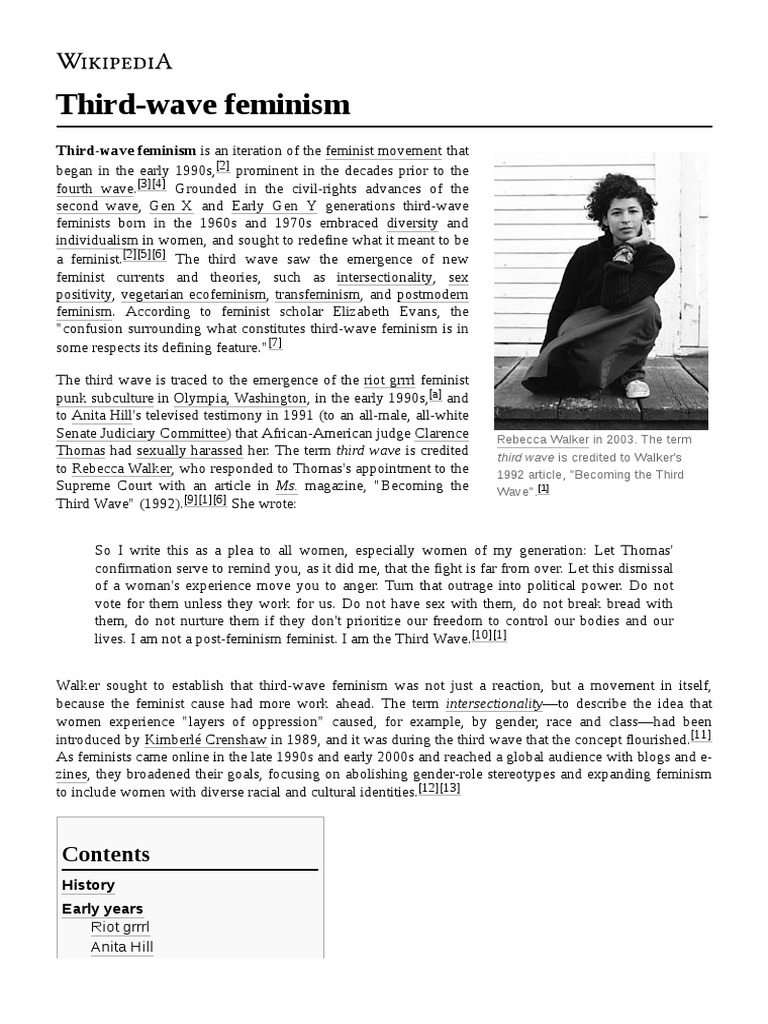
This is where things get juicy. Feminism isn’t a monolith. It recognizes that gender isn’t the only axis of oppression. Race, class, sexual orientation, disability, religion – these all intersect to create unique experiences of marginalization. A Black woman faces challenges that a white woman does not. A disabled woman faces challenges that an able-bodied woman does not. Intersectionality demands that we acknowledge these complexities and tailor our activism accordingly.
Ignoring intersectionality is like trying to fix a leaky roof with only one type of tile. You might patch some holes, but the fundamental problem persists. We need a multifaceted approach to address multifaceted oppression.
3. Empowerment’s Engine: Amplifying Voices, Not Silencing Others
Feminism isn’t about tearing men down; it’s about lifting everyone up. It’s about empowering women to pursue their dreams, to speak their minds, to control their bodies, and to live lives free from violence and coercion. A strong, empowered woman doesn’t diminish anyone else; she contributes to a stronger, more vibrant society for all.
Think of it as raising the tide. A rising tide lifts all boats. Feminism, in its truest form, seeks to create a world where everyone can flourish.
4. Liberation’s Lighthouse: Challenging Societal Norms and Expectations
From the clothes we wear to the jobs we hold, society imposes rigid expectations on us based on our gender. Feminism challenges these expectations, urging us to break free from the shackles of tradition and embrace our authentic selves. It encourages us to question why women are often expected to be nurturing and submissive, while men are expected to be stoic and assertive. It dares us to imagine a world where individuals are free to express themselves without fear of judgment or reprisal.
Norms are like invisible cages. Feminism provides the key to unlock them, allowing us to explore the full spectrum of human potential.
5. Advocacy’s Armor: Fighting for Systemic Change, Not Just Individual Victories
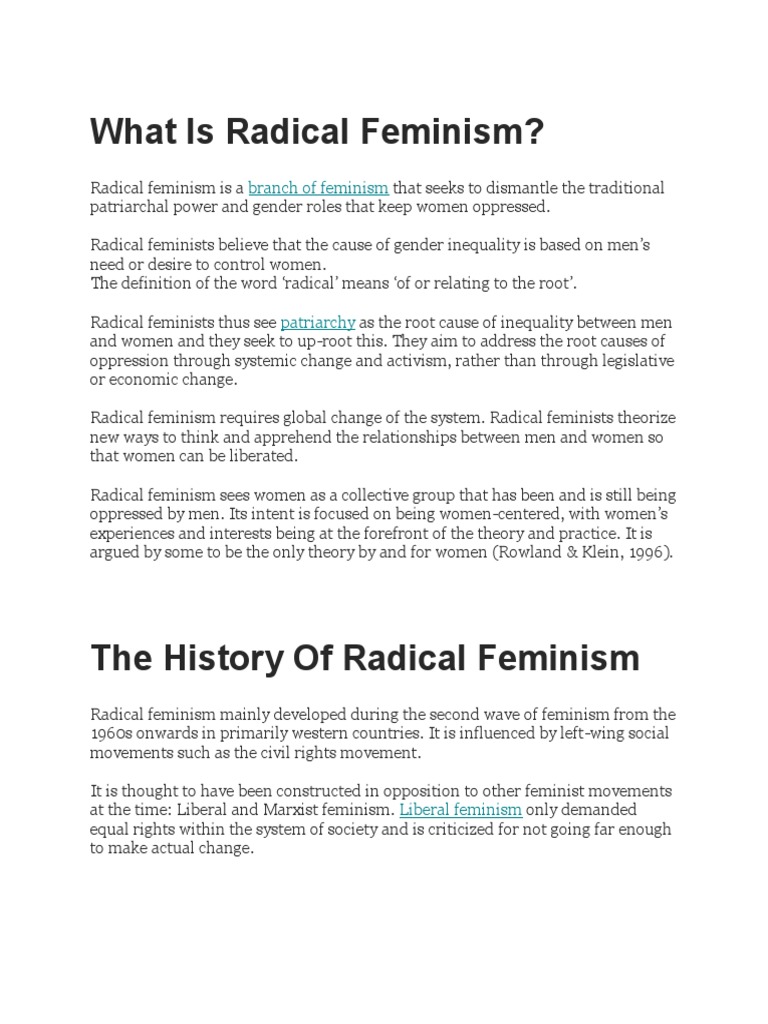
While individual success stories are inspiring, feminism recognizes that systemic change is essential for long-term progress. It’s not enough for one woman to break the glass ceiling if countless others remain trapped beneath it. Feminism demands that we challenge discriminatory laws and policies, advocate for equal pay, and dismantle the institutional structures that perpetuate inequality.
Imagine a leaky faucet. You can mop up the water repeatedly, but the problem will persist until you fix the faucet itself. Systemic change is about fixing the faucet.
What Feminism Isn’t: Debunking the Myths
Now, let’s delve into the murk and dispel some of the most pervasive myths surrounding feminism. These are the falsehoods that have been deliberately propagated to undermine the movement and discourage genuine engagement.
1. Misandry’s Mirage: It’s Not About Hating Men
This is perhaps the most common and damaging misconception. Feminism is *not* about hating men. It’s about dismantling a patriarchal system that harms *everyone*, including men. Patriarchy imposes unrealistic expectations on men, forcing them to suppress their emotions, compete fiercely with one another, and prioritize dominance over empathy. Feminism seeks to liberate men from these constraints, allowing them to embrace their full humanity without the burden of toxic masculinity.
Misandry is the antithesis of feminism. It’s a mirror image of misogyny, perpetuating the same kind of harmful prejudice and discrimination. A true feminist understands that liberation for women is inextricably linked to liberation for men.
2. Uniformity’s Fallacy: It Doesn’t Demand Identical Beliefs
Feminism is not a monolithic ideology. There is a wide spectrum of feminist thought, encompassing diverse perspectives on issues ranging from sexuality to reproductive rights to economic justice. To expect every feminist to agree on every issue is not only unrealistic but also counterproductive. The strength of the feminist movement lies in its diversity, its ability to accommodate a multitude of voices and experiences.
Think of it as a garden. A garden with only one type of flower is beautiful, but a garden with a variety of flowers is breathtaking. Diversity enriches the feminist movement.
3. Purity’s Peril: It Doesn’t Require Flawless Behavior
Feminists are human beings, not saints. They make mistakes, contradict themselves, and sometimes even fall short of their own ideals. To demand perfect behavior from feminists is to set an impossible standard, one that no human being could ever meet. Furthermore, it’s a tactic used to discredit the movement by focusing on the flaws of individual activists rather than addressing the systemic issues they are fighting to change.
Demanding perfection is a form of intellectual gatekeeping. It prevents people from engaging with the movement, fearing they will be judged for their imperfections. Feminism should be inclusive, not exclusive.
4. Victimhood’s Veneer: It’s Not About Perpetual Complaining
While acknowledging the realities of oppression is crucial, feminism is not about wallowing in victimhood. It’s about recognizing the systemic barriers that prevent women from achieving their full potential and actively working to dismantle those barriers. It’s about agency, empowerment, and resistance. It’s about transforming pain into power.
Victimhood is a disempowering state. Feminism seeks to move beyond victimhood to agency, to create a world where women are the architects of their own destinies.
5. Exclusivity’s Error: It Doesn’t Belong to One Group
Feminism is for everyone. It’s for men, women, and non-binary individuals. It’s for people of all races, classes, and sexual orientations. It’s a movement that seeks to liberate all people from the constraints of gender-based oppression. To claim that feminism belongs to one particular group is to fundamentally misunderstand its purpose and its potential.
Exclusivity breeds division. Feminism is a unifying force, bringing people together to fight for a more just and equitable world. It’s a movement that welcomes all who share its core values.
Beyond the Binary: A Call to Action
The journey toward gender equality is far from over. In fact, in many ways, it’s just beginning. The rise of reactionary forces, the persistence of misogyny in popular culture, and the ongoing struggle for reproductive rights all demonstrate the urgent need for continued feminist activism. Don’t be swayed by the misrepresentations and the caricatures. Educate yourself, engage in meaningful dialogue, and join the fight for a world where everyone can thrive, regardless of their gender. The time for complacency is over. The future is feminist, and it’s waiting to be built.
So, ditch the dogma, embrace the complexity, and prepare to be a catalyst for change. The world needs you now more than ever.






Leave a Comment