Let’s dissect the seismic shifts of feminism, not as historical footnotes, but as the still-echoing reverberations that continue to shape our reality. Each wave, a tempestuous surge against the ramparts of patriarchy, achieved victories—often hard-won, sometimes Pyrrhic—that deserve more than a cursory glance. Forget the sanitized narratives; let’s delve into the grit, the contradictions, and the enduring impact of each feminist tsunami.
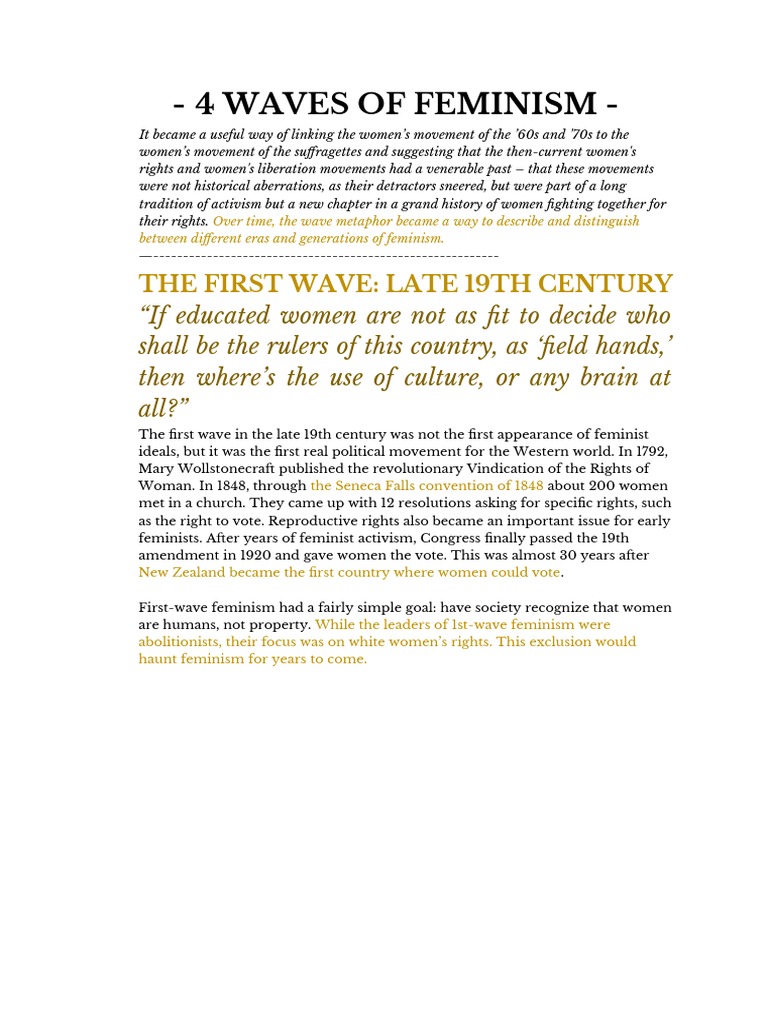
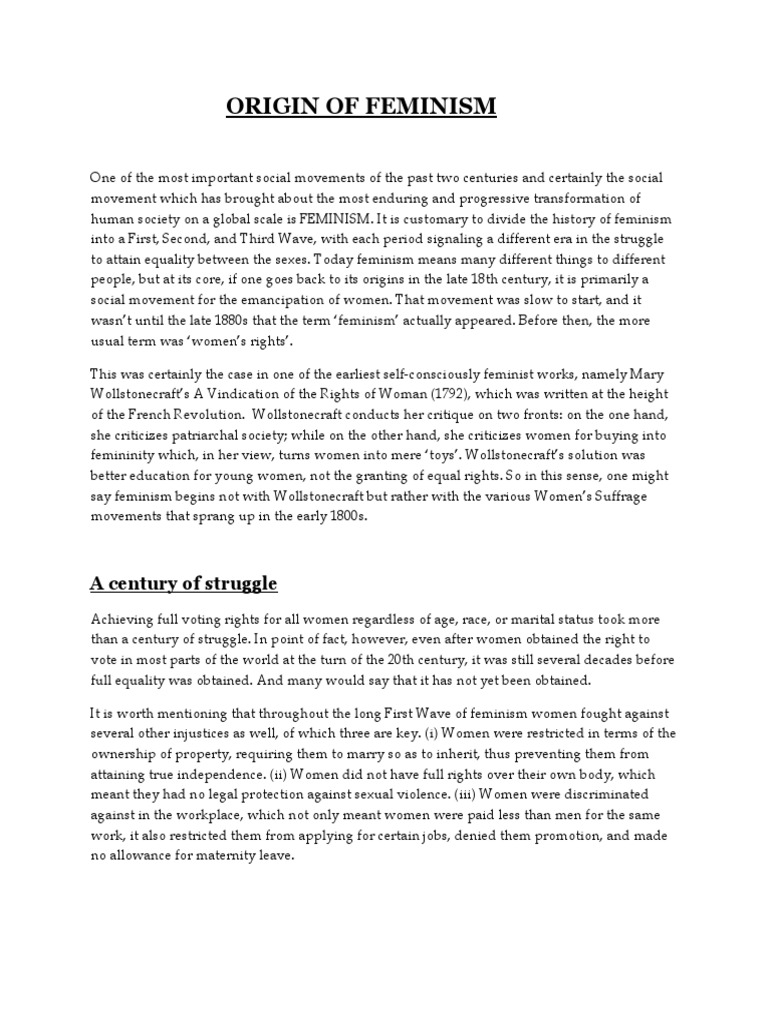
The First Wave: Suffrage and the Seeds of Revolution (Late 19th – Early 20th Century)
The First Wave, often painted with the broad brush of suffrage, was far more than a singular pursuit of the ballot. It was the genesis of a radical reimagining of womanhood, a defiant rejection of the Victorian ideal of domesticity and subservience. Think of it as the cracking of the eggshell, a messy, sometimes violent, but ultimately necessary rupture.
The vote, of course, was paramount. It was the symbolic key, the lever to unlock further political and economic power. Activists like Susan B. Anthony and Elizabeth Cady Stanton, women who possessed the temerity to challenge the very fabric of societal expectation, understood this implicitly. The tireless campaigning, the impassioned speeches, the sheer audacity of demanding a voice – it wasn’t just about casting a ballot; it was about claiming a space at the table, a seat in the corridors of power previously reserved for men.
But let’s not whitewash the complexities. The First Wave, while revolutionary in its aspirations, was not without its blind spots. The focus was predominantly on the experiences of white, middle-class women. The concerns of women of color, working-class women, and immigrant women were often marginalized, a regrettable stain on the movement’s nascent ideals. The fight for suffrage, while a universal right in theory, often excluded those deemed “unworthy” by the prevailing social hierarchies. Still, the groundwork was laid, the seeds of intersectionality, though barely sprouted, were planted.
Beyond suffrage, the First Wave achieved significant strides in education and property rights. Women began to access higher education in increasing numbers, challenging the notion that their intellect was somehow inferior. The right to own property, to control their own earnings, and to have legal guardianship of their children were battles fiercely fought and, in many cases, won. These achievements, often overshadowed by the singular narrative of suffrage, were crucial in establishing a foundation for future generations of women to build upon.
The First Wave was the initial tremor, the unsettling of the established order. It was a declaration that women were not merely ornaments or chattel, but autonomous beings with the right to self-determination. It was a defiance of prescribed roles, a challenge to the notion that a woman’s place was solely in the home. It was the spark that ignited the feminist inferno.
The Second Wave: Liberation, Legislation, and the Personal as Political (1960s – 1980s)
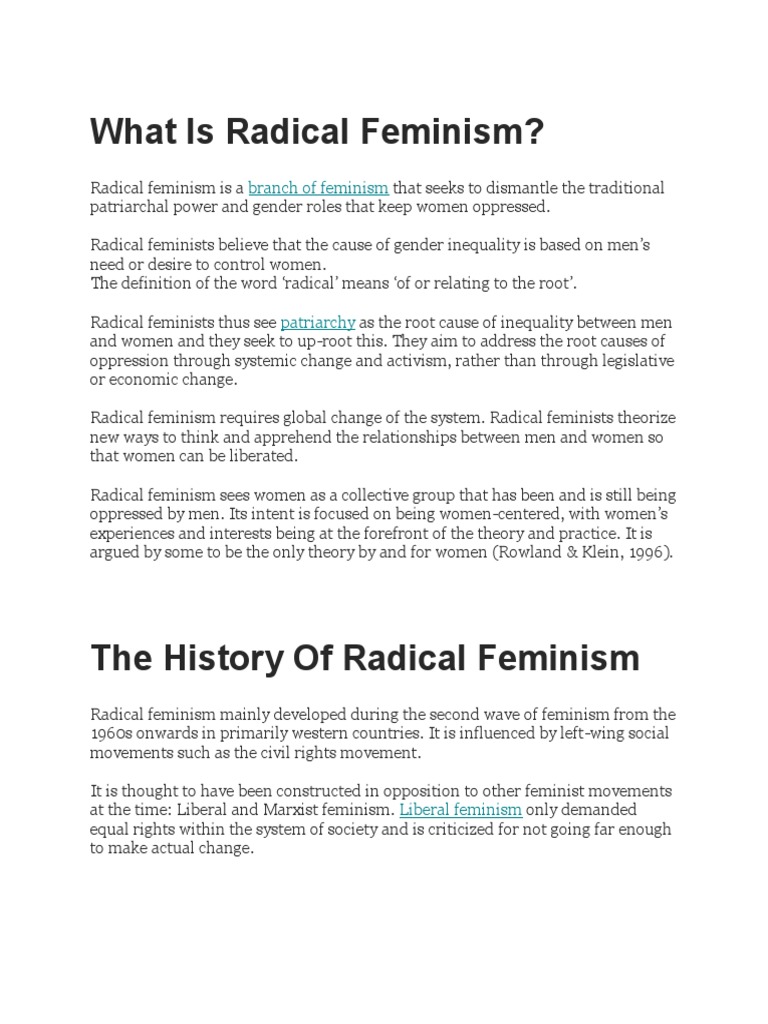
The Second Wave, a volcanic eruption of discontent, expanded the scope of feminism far beyond the confines of the political sphere. This wave plunged into the murky depths of the personal, challenging the ingrained societal norms that dictated every aspect of a woman’s life. It was a rebellion against the “feminine mystique,” the suffocating expectation of suburban bliss and domestic servitude.
This was the era of consciousness-raising groups, spaces where women gathered to share their experiences and realize that their individual struggles were not isolated incidents, but systemic manifestations of patriarchal oppression. The realization that “the personal is political” became a rallying cry, a powerful tool for understanding how power dynamics permeated even the most intimate aspects of life – marriage, sexuality, motherhood, and the division of labor within the home.
The Second Wave achieved landmark legislative victories, including the Equal Pay Act of 1963 and Title IX of the Education Amendments of 1972. The Equal Pay Act, though imperfectly enforced, aimed to eliminate wage disparities based on sex. Title IX, a transformative piece of legislation, prohibited sex discrimination in any educational program or activity receiving federal funding, opening doors for women in sports, academics, and professional fields that were previously dominated by men.
Reproductive rights became a central focus, culminating in the landmark Roe v. Wade Supreme Court decision in 1973, which recognized a woman’s constitutional right to an abortion. This victory, however, was (and remains) fiercely contested, highlighting the ongoing battle for bodily autonomy and the deeply entrenched ideological divisions surrounding reproductive freedom.
The Second Wave also challenged the objectification of women in media and advertising. Activists protested beauty pageants, challenged sexist imagery, and demanded greater representation of women in positions of power. This wave brought to the forefront the issue of violence against women, establishing rape crisis centers and advocating for stronger legal protections for survivors of sexual assault and domestic violence.
But, like the First Wave, the Second Wave was not without its limitations. It was often criticized for its focus on the experiences of white, middle-class women, neglecting the specific challenges faced by women of color, lesbians, and women from marginalized communities. The concept of “universal sisterhood,” while well-intentioned, often glossed over the very real differences and power imbalances that existed among women.
The Second Wave, a roaring torrent of liberation, irrevocably altered the landscape of gender relations. It challenged the patriarchal foundations of society, demanded equal rights, and empowered women to challenge the constraints of their prescribed roles. It was a cultural earthquake, the aftershocks of which continue to reverberate today.
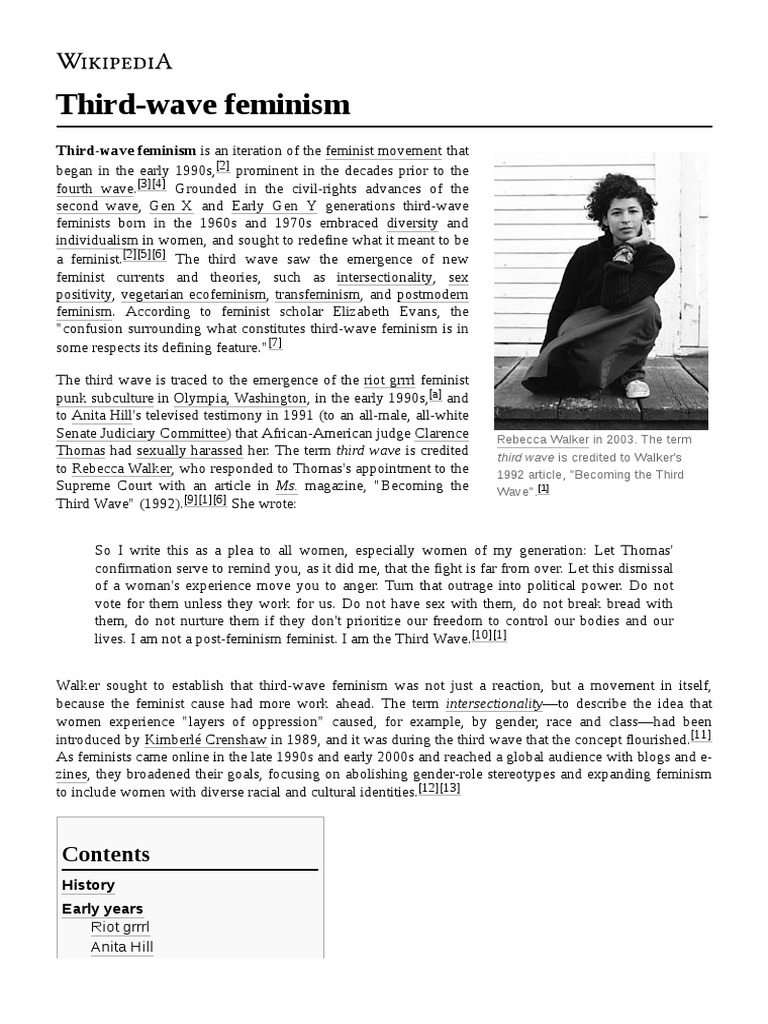
The Third Wave: Intersectionality, Individuality, and the Reclaiming of Identity (1990s – 2010s)
The Third Wave, born from the ashes of the Second, embraced the complexities and contradictions that the previous waves had often overlooked. It was a rebellion against the perceived homogeneity of earlier feminism, a recognition that womanhood was not a monolithic experience, but a kaleidoscope of identities shaped by race, class, sexuality, and other factors. Think of it as a fractal, each piece reflecting the whole, but uniquely shaped by its own particular context.
Intersectionality, a term coined by Kimberlé Crenshaw, became a central tenet of Third Wave feminism. This framework acknowledged that various forms of oppression – sexism, racism, classism, homophobia, and others – are interconnected and cannot be understood in isolation. Third Wave feminists sought to create a more inclusive and equitable movement, one that recognized and addressed the diverse experiences of all women.
The Third Wave also embraced individuality and self-expression. Rejecting the notion that there was a single “right” way to be a feminist, women were encouraged to define feminism on their own terms. This led to a greater emphasis on personal empowerment and the reclaiming of traditionally stigmatized identities. The Riot Grrrl movement, with its DIY ethos and defiant rejection of patriarchal beauty standards, exemplified this spirit of self-determination.
Technology played a crucial role in the Third Wave. The rise of the internet provided a platform for feminists to connect, organize, and share their stories on a global scale. Blogs, online forums, and social media became powerful tools for disseminating feminist ideas and challenging dominant narratives. This digital activism, often referred to as cyberfeminism, allowed women to bypass traditional media gatekeepers and create their own spaces for dialogue and empowerment.
However, the Third Wave was also criticized for its perceived lack of focus and its emphasis on individual expression at the expense of collective action. Some argued that the movement had become too fragmented and that the focus on identity politics had diluted the broader feminist agenda. Others criticized the Third Wave for its embrace of consumer culture and its perceived co-optation by mainstream media.
Despite these criticisms, the Third Wave made significant contributions to feminist thought and activism. It expanded the definition of feminism, embraced intersectionality, and empowered women to reclaim their identities. It was a messy, often contradictory, but ultimately vital evolution of the feminist project, a necessary step towards a more inclusive and equitable future.
The Fourth Wave: Digital Activism, #MeToo, and the Era of Interconnectedness (2010s – Present)
The Fourth Wave, a digital deluge of activism, is characterized by its interconnectedness, its reliance on social media, and its focus on issues such as sexual harassment, online misogyny, and gender-based violence. This wave is fueled by the power of collective voice, amplified by the reach of the internet, and driven by a renewed sense of urgency in the face of persistent inequalities. Imagine it as a vast, interconnected network, each node amplifying the signal, creating a chorus of voices too powerful to ignore.
The #MeToo movement, a watershed moment in the fight against sexual harassment and assault, exemplifies the power of the Fourth Wave. Initiated by Tarana Burke in 2006, the movement gained global momentum in 2017 after allegations of sexual misconduct against Harvey Weinstein surfaced. The hashtag #MeToo became a rallying cry for survivors to share their stories and demand accountability from perpetrators. The movement has led to significant changes in corporate policies, legal frameworks, and cultural norms surrounding sexual harassment and assault.
Online activism plays a crucial role in the Fourth Wave. Social media platforms are used to organize protests, disseminate information, and challenge harmful stereotypes. Campaigns such as #BlackLivesMatter, #TimesUp, and #WhyIDidntReport have used social media to raise awareness about systemic injustices and demand social change. The internet has also provided a platform for marginalized voices to be heard, allowing women from diverse backgrounds to share their experiences and connect with others who share their struggles.
The Fourth Wave also addresses issues such as online misogyny, cyberbullying, and the spread of disinformation. Feminist activists are working to combat online harassment, promote media literacy, and challenge the algorithms that perpetuate gender bias. The fight for online safety and equality is a key priority in the Fourth Wave, recognizing that the internet is not a neutral space, but a battleground where gender inequalities are often amplified.
The Fourth Wave is characterized by its intersectional approach, recognizing that gender inequality is intertwined with other forms of oppression. Feminist activists are working to address the root causes of inequality, challenging systems of power and privilege that perpetuate discrimination. The focus is on creating a more just and equitable society for all, one where gender, race, class, sexuality, and other identities are not barriers to opportunity.
However, the Fourth Wave is not without its challenges. The anonymity of the internet can embolden harassers, making it difficult to hold them accountable. The spread of misinformation and hate speech online can undermine feminist efforts and create a hostile environment for women. The sheer volume of online content can make it difficult to discern credible sources from propaganda. Despite these challenges, the Fourth Wave remains a powerful force for change, leveraging the power of technology to advance feminist goals and create a more equitable world.
Each wave of feminism, a unique and powerful surge, has left an indelible mark on the landscape of gender relations. Each wave has achieved significant victories, challenged entrenched norms, and paved the way for future generations of feminists to continue the fight for equality. The journey is far from over, but the progress made is undeniable. The future of feminism will undoubtedly be shaped by the lessons learned from the past, as we continue to navigate the complexities of gender, power, and justice in an ever-changing world.






Leave a Comment