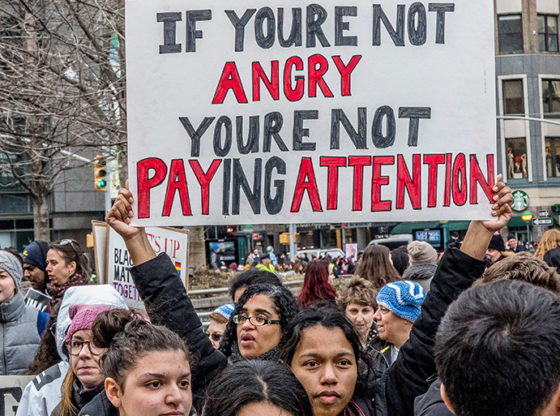
Feminism in the curriculum? A veritable Pandora’s Box of pedagogical potential, or a Trojan Horse smuggling radical ideologies into the hallowed halls of academia? Let’s stir the pot, shall we? The very suggestion, of course, elicits a cacophony of opinions, ranging from enthusiastic endorsements to vehement denunciations. The question, then, isn’t simply *whether* feminism should be taught, but *how*, *why*, and perhaps most importantly, *whose* feminism gets the spotlight.
This isn’t about mere academic exercise, darling. It’s about shaping minds, challenging norms, and ultimately, forging a more equitable future. Buckle up, buttercups, because we’re about to dissect this controversy with the precision of a neurosurgeon and the audacity of a riot grrrl.
I. The Imperative: Why Feminism Belongs in the Classroom
A. Deconstructing the Patriarchy, One Lesson at a Time
The patriarchy, that insidious, omnipresent system of male dominance, doesn’t just magically exist. It’s perpetuated through subtle (and not-so-subtle) messaging, ingrained biases, and a historical narrative meticulously crafted to center male experiences. Education, traditionally a bastion of patriarchal values, has often served as a key mechanism in this perpetuation. Isn’t it therefore morally incumbent upon us, as enlightened denizens of the 21st century, to disrupt this cycle?
Enter feminism. A robust and nuanced feminist education can equip students with the critical thinking skills to deconstruct these deeply embedded biases. How many times have you heard of a female mathematician or scientist being overlooked simply because of their gender? Through a feminist lens, students can learn to identify and challenge the assumptions that limit individuals based on gender, race, class, sexual orientation, and other intersecting identities.
B. Unveiling Herstory: Reclaiming Narratives
History books have a notorious habit of conveniently omitting, minimizing, or distorting the contributions of women. Let’s be honest, historical narratives are often phallocentric chronicles, brimming with tales of conquering kings and brilliant inventors (mostly men, naturally), with women relegated to supporting roles or worse, footnotes. Feminism is necessary to counter this pervasive historical illiteracy.
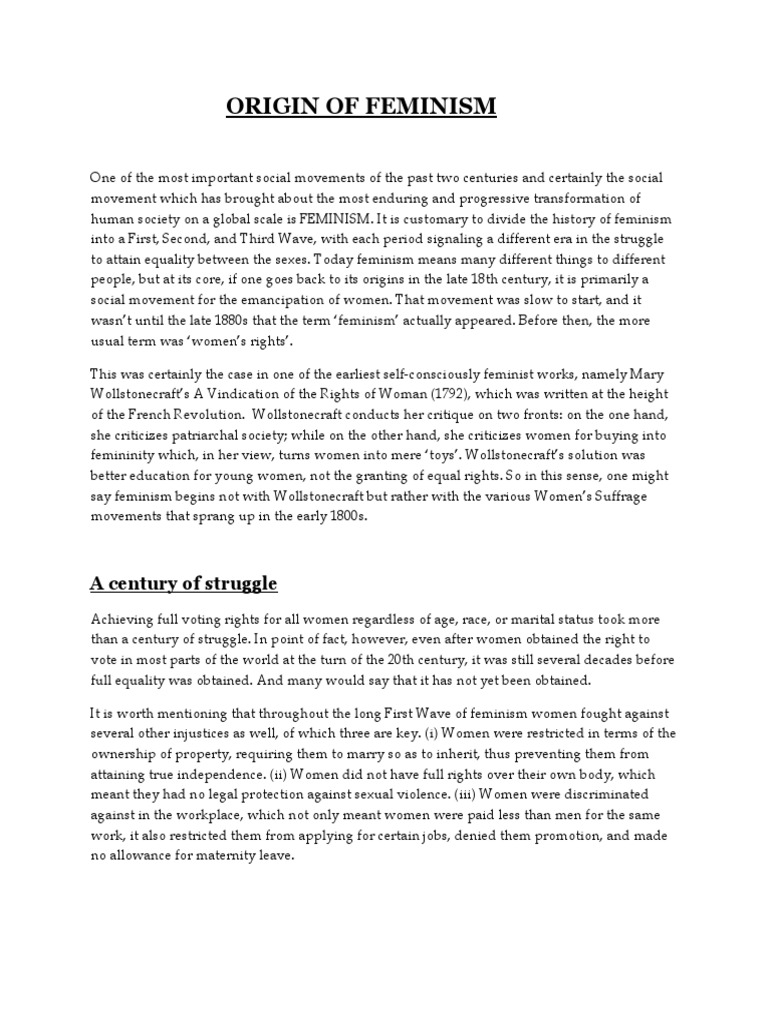
A feminist approach to history illuminates the lives, struggles, and achievements of women throughout time. It’s not just about adding a few token female figures to the curriculum. It’s about fundamentally rethinking the way we understand the past. Think about women like Sojourner Truth, Rosa Parks, Ada Lovelace, Marie Curie. Understanding their role and the biases they faced is vital to understanding our history. It’s about examining power dynamics, exploring diverse perspectives, and challenging the dominant narrative. It’s about weaving “herstory” back into the fabric of our shared understanding.
C. Cultivating Empathy and Dismantling Toxic Masculinity
Feminism isn’t just for women, darlings. It’s for everyone. It’s about dismantling the toxic constraints of gender roles that harm us all.
A feminist education fosters empathy by encouraging students to step outside their own experiences and consider the perspectives of others. It challenges the rigid gender binaries that limit self-expression and perpetuate harmful stereotypes. This is especially crucial for boys, who are often socialized to suppress their emotions and conform to narrow definitions of masculinity.
Feminism offers a pathway towards a more nuanced and compassionate understanding of gender. It allows for the exploration of emotions, vulnerability, and healthy relationships. It allows for a broader spectrum of being. By challenging toxic masculinity, feminism can help create a safer, more inclusive, and ultimately, more fulfilling world for everyone.
II. The Gauntlet: Challenges and Considerations
A. Defining Feminism: A Labyrinth of Interpretations
Feminism, as we all know, isn’t a monolithic entity. It’s a multifaceted movement with a rich history and a diverse array of perspectives. This multiplicity, while a strength, can also be a source of contention. Who gets to define feminism for the purpose of curriculum development? Which feminist voices are prioritized, and which are marginalized?
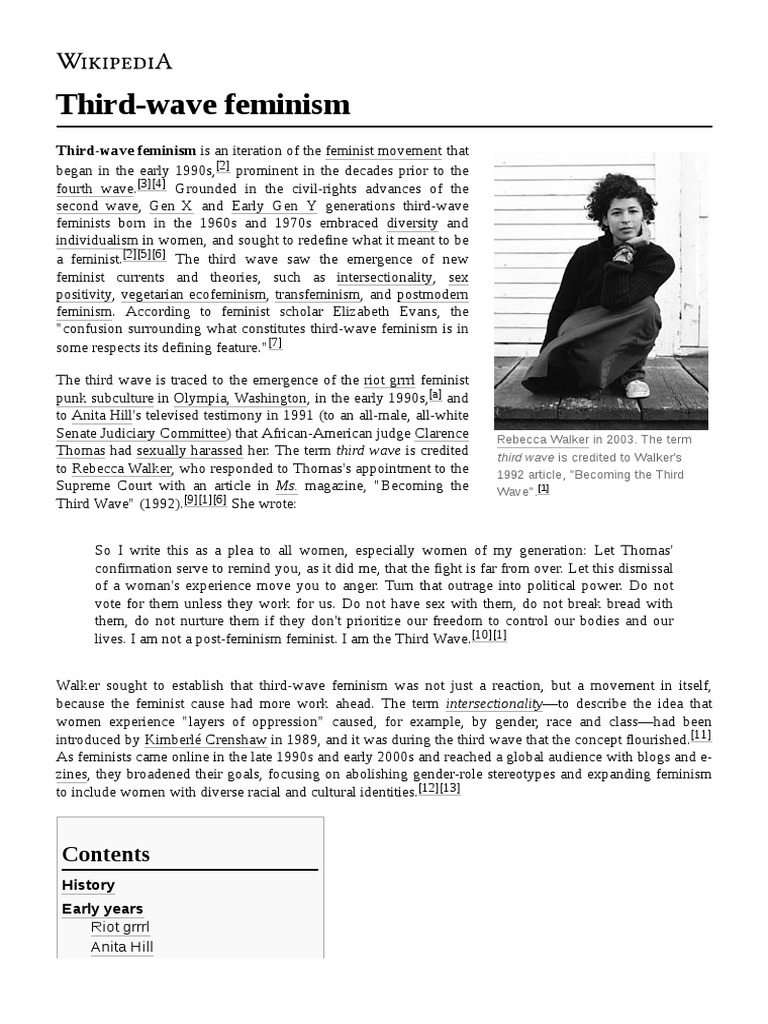
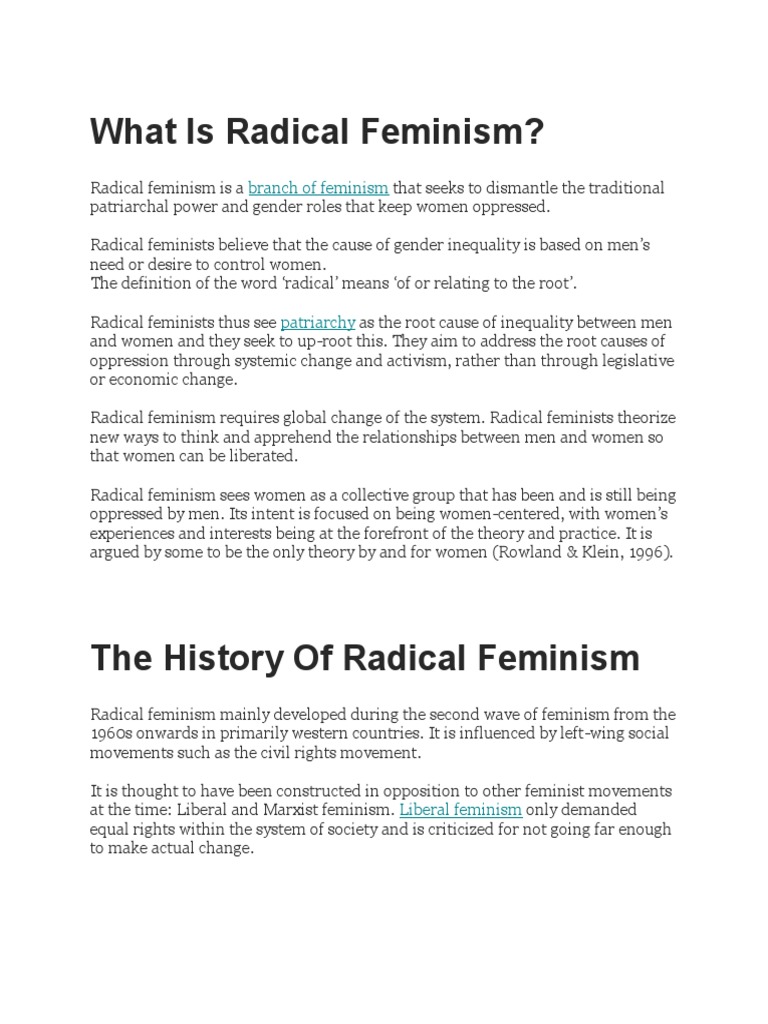
Liberal feminism, radical feminism, intersectional feminism, eco-feminism… the list goes on. Each branch offers a unique analysis of gender inequality and proposes different solutions. Navigating this labyrinth requires careful consideration and a commitment to inclusivity. It is vital to engage the plurality of voices to prevent a single, monolithic definition from being imposed on students. The curriculum must reflect this complexity and encourage critical engagement with different feminist perspectives.
B. Avoiding Indoctrination: Promoting Critical Thinking
The line between education and indoctrination can be perilously thin. Detractors often accuse feminism of being a form of ideological brainwashing, attempting to impose a particular worldview on impressionable young minds. While it’s crucial to expose students to feminist ideas, it’s equally important to foster critical thinking and intellectual autonomy.
The goal isn’t to create unquestioning converts to feminism, but to equip students with the tools to analyze power dynamics, challenge assumptions, and form their own informed opinions. This requires a pedagogical approach that emphasizes debate, discussion, and the exploration of alternative perspectives. The curriculum should present a range of viewpoints, including those critical of feminism, and encourage students to engage in respectful and rigorous intellectual inquiry.
C. Addressing Context and Age-Appropriateness: Striking the Right Balance
Let’s be realistic, throwing Simone de Beauvoir at a group of third graders is hardly a recipe for pedagogical success. The content and delivery of feminist education must be tailored to the specific age and developmental stage of the students. What is appropriate for a high school seminar might be entirely unsuitable for an elementary school classroom.
The curriculum should be carefully designed to address relevant issues in a sensitive and age-appropriate manner. For younger students, this might involve focusing on concepts like gender equality, respect, and empathy. For older students, the curriculum can delve into more complex topics such as intersectionality, structural oppression, and feminist theory. It’s crucial to engage parents and community members in the conversation to ensure that the curriculum aligns with local values and priorities.
III. The Strategy: Implementing Feminism in Schools
A. Integrating Feminism Across the Curriculum: A Holistic Approach
Feminism shouldn’t be confined to a single, isolated course. It should be integrated across the curriculum, permeating various subjects and disciplines. History, literature, social studies, science, even mathematics – all offer opportunities to explore gender dynamics and challenge patriarchal assumptions.
Consider how a feminist lens might transform the teaching of history, for example. Instead of focusing solely on the actions of male leaders, the curriculum could explore the experiences and contributions of women throughout history. In literature, students could analyze the representation of female characters and examine the ways in which gender shapes narratives. This interdisciplinary approach ensures that feminism is not treated as a separate subject, but rather as an integral part of a well-rounded education.
B. Empowering Teachers: Providing Training and Resources
Teachers, bless their hearts, are often overworked and underpaid. Expecting them to effectively teach feminism without adequate training and support is, frankly, unrealistic. Schools must invest in providing teachers with the resources and professional development they need to confidently and competently address feminist issues in the classroom.
This training should cover a range of topics, including feminist theory, intersectionality, inclusive pedagogy, and strategies for addressing controversial issues. Teachers should also be provided with access to high-quality resources, such as lesson plans, articles, books, and films. By empowering teachers, we empower them to empower their students.
C. Fostering Dialogue and Collaboration: Engaging the Community
Implementing feminism in schools is not a task that can be accomplished in isolation. It requires ongoing dialogue and collaboration between educators, students, parents, and community members. Open communication and transparency are essential for building trust and addressing concerns.
Schools should create opportunities for students to discuss feminist issues with their peers, teachers, and families. Parents should be involved in the curriculum development process and given opportunities to provide feedback. Community organizations can also play a valuable role in supporting feminist education by providing resources, guest speakers, and mentorship opportunities. By fostering a collaborative environment, schools can create a more inclusive and empowering learning experience for all students.
So, should schools be required to teach feminism? The answer, unequivocally, is a resounding *yes*. But not just *any* feminism. A feminism that is inclusive, critical, nuanced, and age-appropriate. A feminism that empowers students to challenge the status quo, dismantle oppressive systems, and create a more just and equitable world for all. Let the revolution be taught.







Leave a Comment