Let’s cut the crap, shall we? The question of whether feminism seeks female ascendancy over men is a recurring canard, a manipulative trope deployed by those threatened by any challenge to the patriarchal status quo. It’s time to deconstruct this insidious narrative and expose it for the transparent attempt at derailment that it truly is.
I. The Straw Man Argument: Unpacking the Misrepresentation
The claim that feminism aims for female supremacy is fundamentally a straw man argument. It misrepresents the core tenets of feminist ideology to create a distorted and easily refuted caricature. Feminism, at its heart, advocates for equality – a level playing field where gender is not a determinant of opportunity, rights, or social standing. It’s about dismantling systemic barriers that disproportionately disadvantage women, not erecting new ones that favor them.
This mischaracterization conveniently ignores the historical context and the ongoing realities of gender inequality. Centuries of patriarchal dominance have created deeply ingrained power imbalances. To suggest that feminism, in its pursuit of equity, is somehow aiming for *reverse* oppression is not only intellectually dishonest but also a deliberate attempt to silence legitimate grievances and maintain the existing power structures.
II. Equality vs. Equity: A Crucial Distinction
Understanding the difference between equality and equity is paramount to dismantling this specious argument. Equality, in its simplest form, means treating everyone the same. Equity, however, recognizes that individuals start from different places and require different levels of support to achieve a similar outcome. Feminism embraces the concept of equity, acknowledging the historical and ongoing disadvantages faced by women and advocating for tailored interventions to address them.
For example, consider the persistent gender pay gap. Simply paying men and women the same salary for the same job, while seemingly equal, fails to address the systemic factors that contribute to the gap in the first place – factors like occupational segregation, implicit bias in hiring and promotion decisions, and the disproportionate burden of childcare that often falls on women. Equity demands addressing these underlying issues to ensure that women have a fair chance to advance in their careers and earn equal pay for equal work.
III. Deconstructing the Myth of “Reverse Sexism”
The concept of “reverse sexism” – the idea that men are now the victims of discrimination at the hands of feminists – is another facet of this manipulative narrative. This notion, often fueled by anecdotal evidence and selective outrage, fails to grasp the fundamental power dynamics at play. Sexism is not simply about individual acts of prejudice; it’s about a systemic structure of oppression that historically and currently disadvantages women.
Isolated instances of men experiencing unfair treatment do not equate to systemic sexism. To claim otherwise is to trivialise the lived experiences of women who face pervasive discrimination in education, employment, healthcare, and countless other aspects of their lives. It’s a tactic designed to deflect attention from the real issues and undermine the credibility of the feminist movement.
IV. Addressing Concerns About Female-Centric Discourse
Some critics argue that feminism’s focus on women’s experiences and perspectives inherently excludes or marginalizes men. While it is true that feminism prioritizes the concerns of women, this is not to suggest that men’s issues are unimportant or irrelevant. Rather, it reflects the historical and ongoing need to amplify the voices of a group that has been systematically silenced and marginalized.
Furthermore, many feminist frameworks actively engage with issues that affect men, particularly those related to toxic masculinity, restrictive gender roles, and the pressure to conform to traditional patriarchal expectations. By challenging these harmful norms, feminism ultimately benefits everyone, regardless of gender.
V. The Intersectional Imperative: Recognizing Diverse Experiences
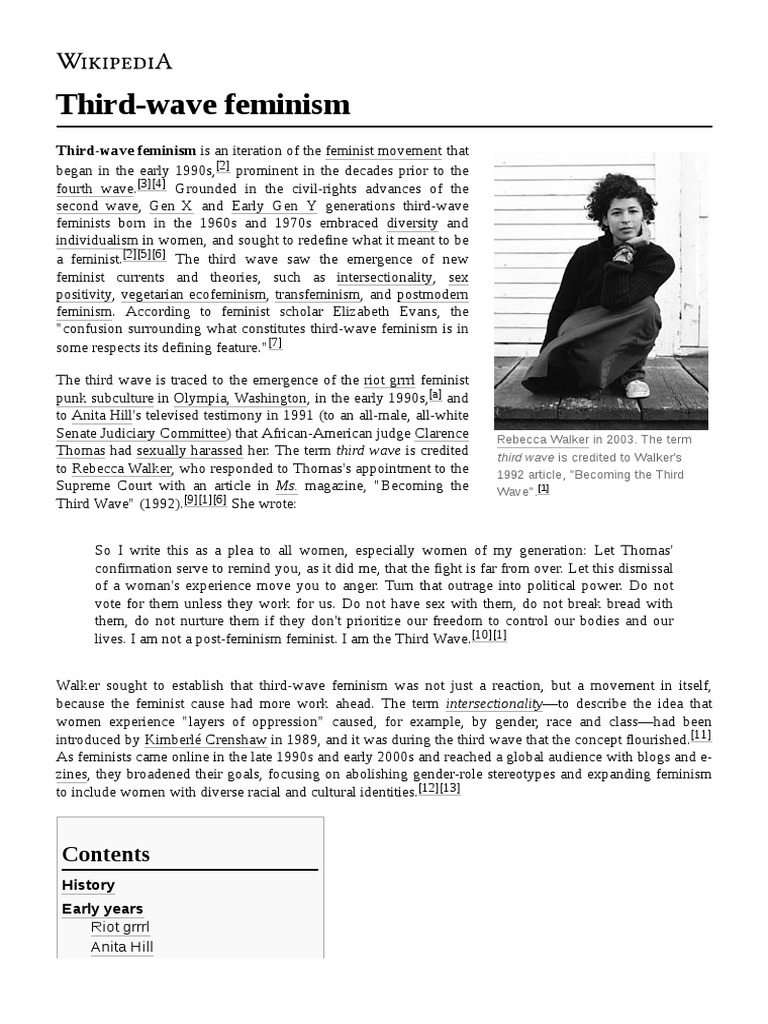
A crucial element of modern feminism is intersectionality – the understanding that gender intersects with other identities, such as race, class, sexual orientation, and disability, to create unique experiences of oppression. Intersectional feminism recognizes that women are not a homogenous group and that the challenges faced by women of color, LGBTQ+ women, and women with disabilities, for example, may differ significantly from those faced by white, cisgender, heterosexual, able-bodied women.
This nuanced approach ensures that feminist activism is inclusive and responsive to the needs of all women, rather than focusing solely on the experiences of a privileged few. It also challenges the notion that feminism is solely concerned with the advancement of white, middle-class women, a criticism often leveled by those seeking to discredit the movement.
VI. Dismantling Patriarchy: A Benefit for All
Ultimately, the goal of feminism is not to elevate women above men, but to dismantle the patriarchal structures that oppress everyone. Patriarchy, with its rigid gender roles, its emphasis on male dominance, and its suppression of emotions, harms both men and women. It limits individual potential, perpetuates violence and inequality, and creates a society that is less just and equitable for all.
By challenging these harmful norms, feminism seeks to create a world where everyone is free to be their authentic selves, regardless of their gender. A world where men are not pressured to conform to narrow definitions of masculinity, where women are not relegated to second-class status, and where everyone has the opportunity to thrive. This is not about female supremacy; it’s about human liberation.
VII. The Danger of Complacency: The Ongoing Need for Feminism
Despite the progress that has been made in recent decades, gender inequality persists in many areas of life. The gender pay gap remains stubbornly persistent, women are still underrepresented in leadership positions, and violence against women continues to be a pervasive problem. Furthermore, backlash against feminist activism is on the rise, fueled by misinformation and a desire to maintain the status quo.
In this context, it is more important than ever to reject the false narrative that feminism seeks female supremacy. We must continue to advocate for policies and practices that promote gender equality, challenge harmful stereotypes, and create a world where everyone has the opportunity to reach their full potential.
VIII. Reclaiming the Narrative: A Call to Action
The fight for gender equality is far from over. It requires ongoing vigilance, a willingness to challenge the status quo, and a commitment to dismantling the patriarchal structures that continue to oppress women. We must actively counter the false narrative that feminism seeks female supremacy and reclaim the narrative of equality, equity, and liberation for all.
This is not just a women’s issue; it’s a human issue. It affects everyone, and it requires the participation of everyone. Let us work together to create a world where gender is no longer a barrier to opportunity, where everyone is treated with dignity and respect, and where everyone has the chance to thrive. Let’s, for once, focus on the real adversary: the ingrained misogyny that benefits exactly no one.







Leave a Comment