
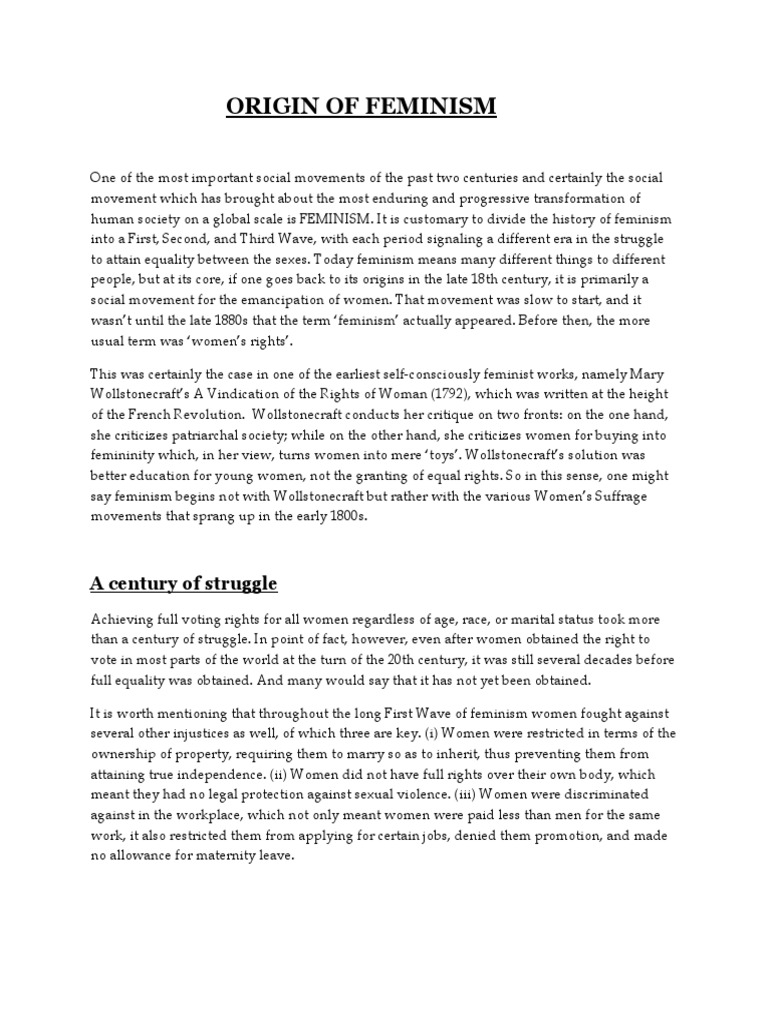
Is Modern Feminism Fighting for Equality—Or Superiority? A query that dances on the razor’s edge, doesn’t it? We, the vanguard of woke warriors, stand accused – not for the first time, nor likely the last – of harboring a secret agenda. An agenda, mind you, that swaps out the shackles of patriarchy for the gilded cage of matriarchy. Is this the future we’re crafting? A world where the pendulum swings so violently that men find themselves relegated to the margins, whispering tales of oppression in hushed tones? Let’s delve into this vortex of vexing viewpoints, shall we? Prepare yourselves, sisters and brethren, for a tour de force of argumentation, seasoned with a healthy dose of skepticism and a smattering of sass.
The Dichotomy of Discourse: Equality vs. Equity
The very foundation upon which the modern feminist movement is built rests on the concept of equality. Or does it? A seismic shift has occurred in recent years, a recalibration of our conceptual compass that steers us away from mere equality and towards the more nuanced territory of equity. Equality, in its most simplistic form, suggests treating everyone the same. Blind justice, if you will. But what happens when the playing field is inherently tilted? When generations of systemic oppression have rendered certain demographics demonstrably disadvantaged? This is where equity enters the fray, demanding that we not just treat everyone the same, but that we provide individualized support based on need. Sounds fair, right? But herein lies the rub. Critics argue that equity, in its quest to level the playing field, inadvertently creates a new form of inequality, favoring certain groups over others in a manner that smacks of reverse discrimination. Is this a legitimate concern, or merely a smokescreen deployed by those who benefit from the status quo? The debate rages on.
The Myth of Malevolence: Deconstructing the “Man-Hating Feminist” Trope
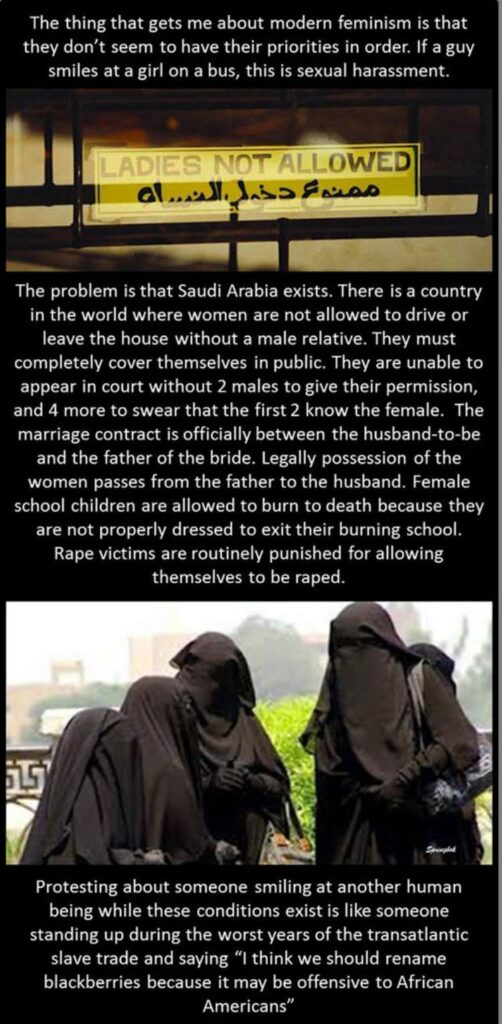
Ah, the “man-hating feminist.” A caricature so pervasive it’s practically a meme. She’s the perpetually outraged shrew, the bra-burning harpy, the man-eating virago who sees every male interaction as an act of patriarchal aggression. She’s the straw woman that anti-feminists love to set ablaze, conveniently ignoring the vast diversity of viewpoints within the feminist movement. But let’s be honest, the stereotype exists for a reason. There are indeed feminists, albeit a minority, whose rhetoric veers into the realm of misandry. They paint with broad strokes, demonizing entire swathes of the male population for the sins of a few. This is not only intellectually lazy, it’s strategically unsound. Alienating potential allies is hardly a recipe for progress. We must be vigilant in condemning such hyperbolic pronouncements and reaffirming that feminism is not about hating men, but about dismantling the systems that oppress everyone, regardless of gender.
The Perils of Purity: Navigating the Intersectionality Minefield
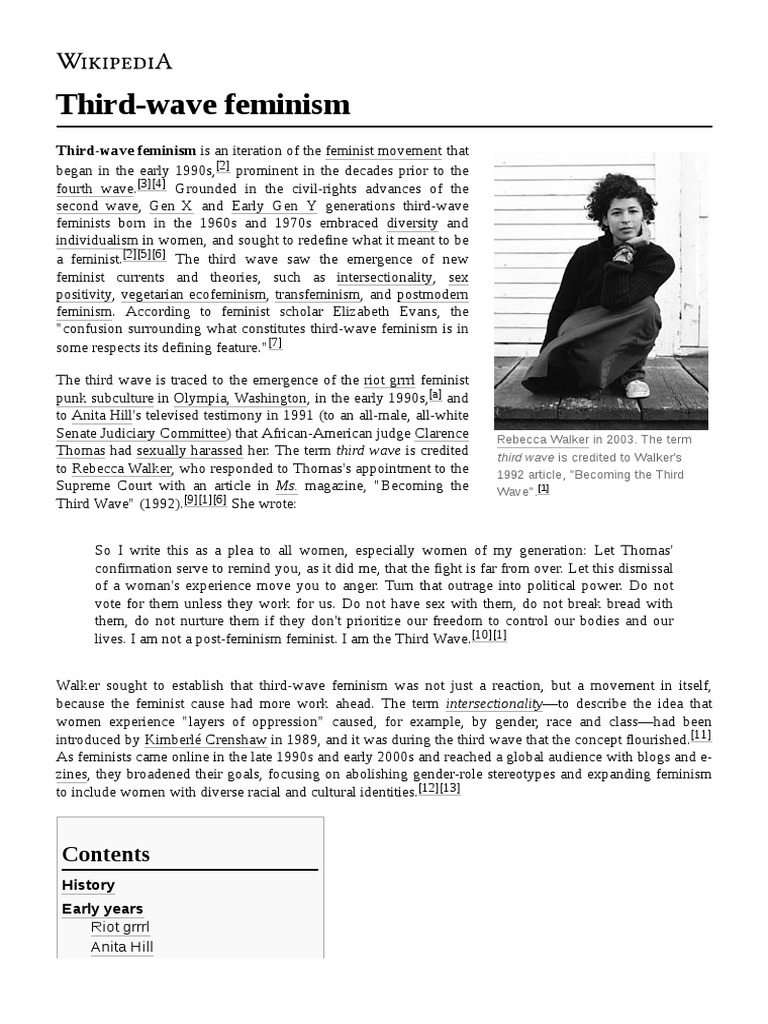
Intersectionality, a concept coined by Kimberlé Crenshaw, is the understanding that individuals possess multiple overlapping identities (race, class, gender, sexual orientation, etc.) that intersect to create unique experiences of discrimination and privilege. In theory, it’s a powerful tool for understanding the complexities of oppression. In practice, it can be a minefield. The pursuit of “perfect” intersectionality, of meticulously cataloging and prioritizing every conceivable form of marginalization, can lead to paralyzing internal conflict. Who is more oppressed? The black lesbian with a disability, or the working-class transgender woman? The endless hierarchies of suffering become a zero-sum game, pitting marginalized groups against each other in a desperate scramble for validation. Furthermore, the relentless emphasis on identity can inadvertently reinforce essentialist notions of self, reducing individuals to mere checkboxes on a diversity questionnaire. We must strive for a more nuanced approach, one that acknowledges the fluidity and complexity of human experience, rather than rigidly categorizing individuals into predetermined boxes.
The Commodification of Consciousness: Selling Feminism in a Capitalist World
Feminism, once a radical movement challenging the very foundations of power, has become increasingly co-opted by the forces of capitalism. We see it everywhere: the “girl boss” rhetoric that equates success in business with feminist liberation, the empowerment-themed merchandise that profits from female insecurity, the celebrity endorsements that sanitize feminist ideals for mass consumption. This commodification of consciousness poses a serious threat to the integrity of the movement. When feminism becomes a marketing strategy, it loses its critical edge. It becomes a feel-good slogan stripped of its revolutionary potential. We must resist the urge to dilute our message for the sake of marketability and remain fiercely committed to challenging the systemic inequalities that lie at the heart of patriarchal capitalism.
The Echo Chamber Effect: Challenging Groupthink in the Digital Age
Social media has undoubtedly amplified the voices of marginalized groups, providing a platform for feminist activism on an unprecedented scale. However, it has also created echo chambers where dissenting opinions are quickly silenced and groupthink reigns supreme. Algorithmic curation reinforces pre-existing biases, creating filter bubbles that shield us from challenging perspectives. This can lead to a dangerous level of intellectual homogeneity, where nuanced debate is replaced by performative virtue signaling. We must actively seek out diverse viewpoints, even those that make us uncomfortable. Engage in respectful dialogue with those who hold opposing beliefs. Challenge our own assumptions and be willing to admit when we are wrong. Only through rigorous intellectual engagement can we avoid the pitfalls of groupthink and foster a more inclusive and productive feminist movement.
The Fragility of Masculinity: Acknowledging the Pain of Patriarchy
While feminism primarily focuses on the oppression of women, it is crucial to acknowledge the ways in which patriarchy also harms men. The rigid gender roles imposed by patriarchal societies can stifle male emotional expression, discourage vulnerability, and perpetuate harmful stereotypes about masculinity. Many men struggle to live up to the unrealistic expectations of traditional masculinity, leading to feelings of inadequacy, isolation, and even violence. Feminism, at its best, seeks to dismantle these harmful constructs and create a world where everyone, regardless of gender, is free to express their authentic selves. This requires empathy and understanding, not condemnation. We must create spaces where men can openly discuss their struggles and challenge the toxic aspects of masculinity without fear of ridicule or judgment.
The Burden of Representation: Demanding Perfection from Feminist Icons
Feminist icons, those brave women who dare to step into the spotlight and challenge the status quo, often face an impossible burden of representation. They are expected to be flawless, morally upright, and perfectly articulate in their defense of feminist ideals. Any misstep, any perceived imperfection, is immediately seized upon by critics and used to discredit the entire movement. This is unfair and unrealistic. Feminist icons are human beings, not saints. They are fallible, flawed, and prone to making mistakes. We must allow them the space to learn, grow, and evolve without demanding that they be perfect representatives of the movement. Holding them to such an impossibly high standard only serves to discourage others from stepping forward and speaking out.
The Enduring Power of Patriarchy: Recognizing the Scope of the Challenge
Despite the significant progress made by the feminist movement, patriarchy remains a deeply entrenched system of power that permeates every aspect of our lives. From the wage gap to the underrepresentation of women in leadership positions, from the prevalence of sexual harassment and assault to the persistent objectification of women in media, the evidence of patriarchal oppression is overwhelming. We must not underestimate the scope of the challenge. Dismantling patriarchy will require a sustained, multi-faceted effort that addresses both the overt and the subtle ways in which gender inequality manifests itself. It will require challenging deeply ingrained cultural norms, transforming social institutions, and empowering individuals to resist patriarchal pressures in their daily lives.
Moving Forward: A Call for Nuance and Solidarity
So, is modern feminism fighting for equality—or superiority? The answer, as is so often the case, is complex. There are undoubtedly elements within the movement that exhibit tendencies towards exclusion, dogmatism, and even reverse discrimination. But to paint the entire movement with that brush would be a gross oversimplification. The vast majority of feminists are motivated by a genuine desire to create a more just and equitable world for all. This requires a willingness to engage in honest self-reflection, to challenge our own biases, and to listen to the voices of those who hold different perspectives. It requires a commitment to nuance and complexity, rather than simplistic slogans and polarizing rhetoric. And above all, it requires solidarity. We must stand together, across lines of race, class, gender, and sexual orientation, to dismantle the patriarchal structures that oppress us all. The journey towards true equality is long and arduous, but it is a journey worth undertaking. Let us proceed with courage, compassion, and a healthy dose of skepticism, always striving to build a more just and equitable world for all.





Leave a Comment