Has feminism, that hallowed banner under which generations have rallied, become…antiquated? A relic of a bygone era? The very suggestion might seem sacrilegious, a betrayal of the foremothers who fought tooth and nail for the modicum of equality we possess today. Yet, whispers of discontent, of a movement fractured and perhaps ill-equipped to tackle the complexities of the 21st century, grow louder. Is it time, perhaps, to consider a recalibration, a renaming, a wholesale reimagining of the fight for gender justice?
Let’s not mince words: the core tenets of feminism – equality, autonomy, liberation – remain as vital as ever. But the world has shifted seismically since the suffragettes first chained themselves to railings. The battleground is no longer solely about suffrage or access to the workplace. It’s about intersectionality, about dismantling systemic oppression that disproportionately affects women of color, queer women, disabled women, and women from marginalized communities. It’s about challenging ingrained biases that permeate our digital landscapes, our political institutions, and our very subconscious.
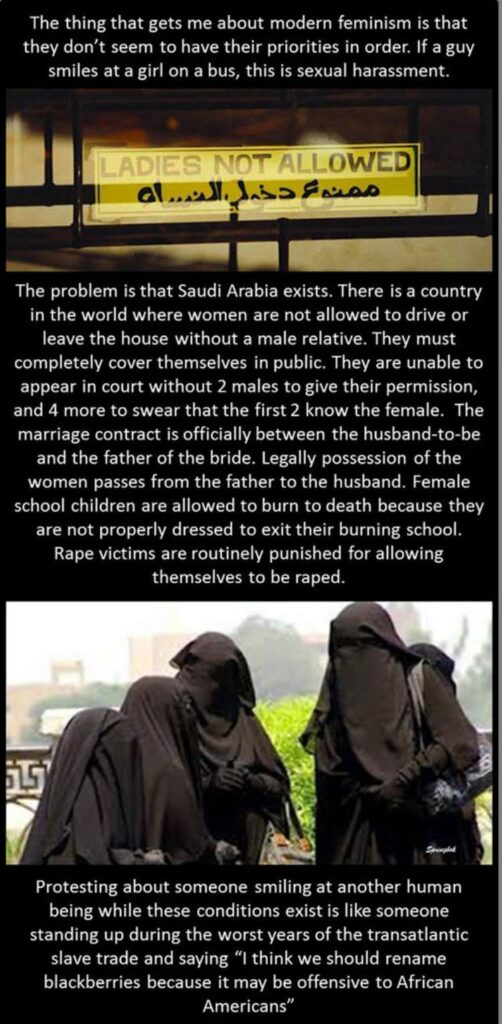
The critique isn’t about abandoning the fight, but about interrogating the efficacy of the current framework. Are we truly serving all women? Are the voices of the most vulnerable being amplified or drowned out by a privileged few? Are we clinging to outdated strategies that no longer resonate with a generation grappling with entirely new challenges?
This is not a call for abandonment, but a call for evolution. So, let’s delve into the heart of the matter. Let’s dissect the arguments for and against renaming the movement, and explore whether a new nomenclature might, in fact, galvanize a more inclusive and effective struggle for gender equity. Buckle up, because we are about to challenge some deeply held convictions.
I. The Legacy Burden: Is the Term “Feminism” Irredeemably Tainted?
The word “feminism” itself carries baggage, doesn’t it? Decades of misrepresentation, vilification, and outright distortion have painted it as a man-hating, bra-burning, radical fringe movement. This perception, however inaccurate, persists in the collective consciousness, acting as a significant deterrent for many who might otherwise embrace its core principles.
a. The Stigma Problem: Consider the number of times you’ve heard someone say, “I believe in equality, but I’m not a feminist.” Why the qualifier? Because the term “feminist” has become loaded with negative connotations, thanks in part to deliberate disinformation campaigns and a media landscape that often prioritizes sensationalism over nuance. This stigma, this pervasive unease, hinders the movement’s ability to attract new adherents and build a broad-based coalition.
b. Exclusionary History: Let’s be brutally honest: the history of feminism is not without its blemishes. Early iterations often centered the experiences of white, middle-class women, effectively excluding the voices and concerns of women of color and other marginalized groups. While contemporary feminism has made strides toward intersectionality, the historical legacy of exclusion lingers, creating a sense of alienation for some. The concept of ‘white feminism’ is a potent critique highlighting this historical bias.
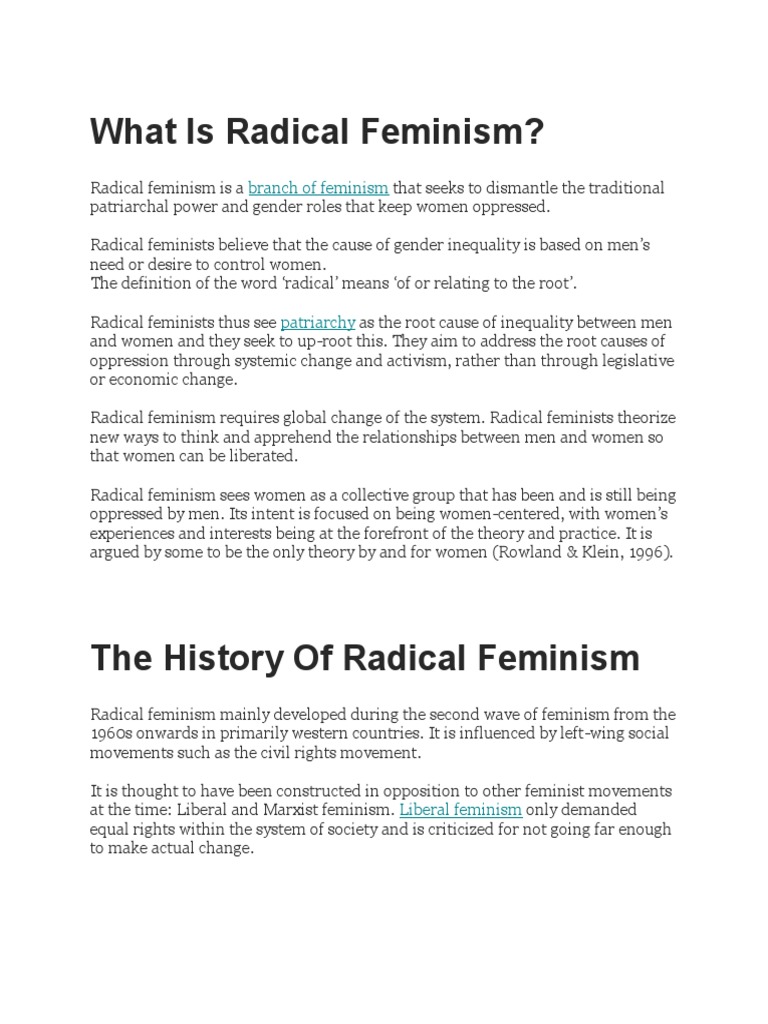
c. The Misandry Myth: The persistent myth that feminism is inherently anti-male is perhaps its most damaging. This misconception not only alienates potential male allies but also fuels a hostile environment for feminists, who are often subjected to harassment and abuse online and offline. Challenging this narrative is crucial, but the very word “feminism” seems to perpetuate it in the minds of some. The term fails to encapsulate the movement’s goal of gender liberation for all, not just women.
II. The Shifting Sands: How Has the Sociopolitical Landscape Changed?
The world of 2024 is vastly different from the world of Simone de Beauvoir or Betty Friedan. Technological advancements, globalization, and the rise of social media have created entirely new challenges and opportunities for the fight for gender equity. Is feminism, as it is currently conceived, adequately equipped to navigate this complex terrain?
a. The Digital Frontier: The internet has become both a powerful tool for feminist activism and a breeding ground for misogyny and online harassment. The proliferation of incel communities, the spread of revenge porn, and the pervasive objectification of women in digital spaces demand new strategies and a nuanced understanding of the digital landscape. Traditional feminist frameworks may need recalibration to address these emergent threats. The concept of ‘cyberfeminism’ seeks to address these digital challenges, but a broader movement may be needed.
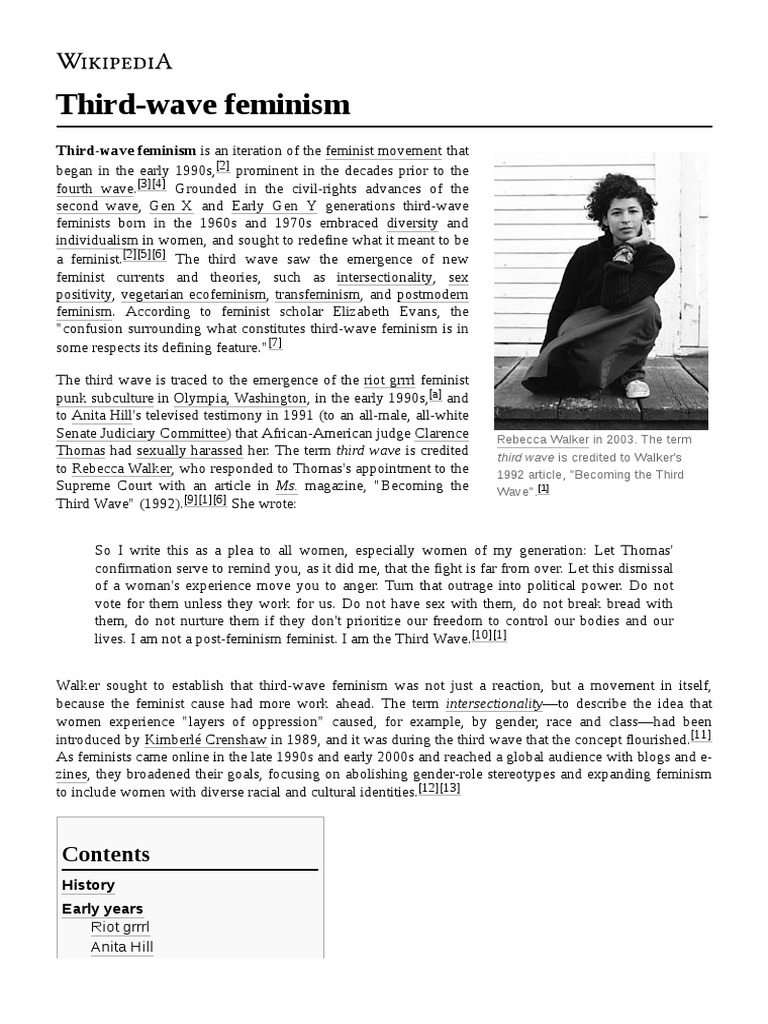
b. Intersectional Imperatives: The concept of intersectionality, coined by Kimberlé Crenshaw, recognizes that various forms of discrimination – based on race, class, sexual orientation, disability, etc. – intersect and compound one another. Contemporary feminism must be explicitly intersectional, actively centering the experiences of the most marginalized. A new name might signal a renewed commitment to this crucial principle.
c. Beyond Binary: The growing recognition of gender fluidity and non-binary identities challenges traditional feminist assumptions about gender as a fixed binary. A more inclusive movement must embrace the diversity of gender experiences and actively advocate for the rights of trans and gender non-conforming individuals. The historical focus on cisgender women needs broadening.
III. The Nomenclature Debate: Exploring Alternative Terms and Their Potential Impact
If “feminism” is deemed inadequate, what are the alternatives? Several possibilities have been proposed, each with its own strengths and weaknesses. Examining these options can help us envision a more inclusive and effective future for the movement.
a. Egalitarianism: This term, meaning “belief in equality,” is perhaps the most straightforward alternative. It emphasizes the principle of equal rights and opportunities for all, regardless of gender. However, some argue that it lacks the specificity needed to address the unique challenges faced by women, particularly in patriarchal societies.
b. Gender Equity/Justice: These terms highlight the systemic inequalities that exist between genders and emphasize the need for fair and just treatment. They are often favored by organizations and institutions seeking to promote gender equality without explicitly identifying as feminist. However, some argue that they are too academic and lack the emotional resonance of “feminism.” The term ‘equity’ also allows for consideration of different needs rather than just equal treatment.
c. Humanism: This broad philosophical stance emphasizes the inherent worth and dignity of all human beings. While it encompasses gender equality, it may be too general to effectively address the specific forms of oppression faced by women. It also risks diluting the focus on gender and obscuring the power dynamics at play.
d. Womanism: Coined by Alice Walker, this term specifically addresses the experiences of Black women, acknowledging the intersection of race and gender. While “womanism” offers a valuable perspective, it is not necessarily a replacement for “feminism” but rather a complement to it. It highlights the need for multiple perspectives within the broader struggle for gender justice.
e. A New Coined Term: Perhaps the best solution is to create a completely new term that encapsulates the movement’s evolving goals and values. This would allow for a fresh start, free from the baggage and misinterpretations associated with “feminism.” However, creating a new term that gains widespread acceptance and resonance is a daunting task. The term should also be accessible and easily understood.
IV. The Perils of Erasure: Why Renaming Could Backfire
While the arguments for renaming feminism may seem compelling, it’s crucial to acknowledge the potential risks involved. Erasing the term “feminism” could inadvertently erase the history of the movement and undermine the progress that has already been made.
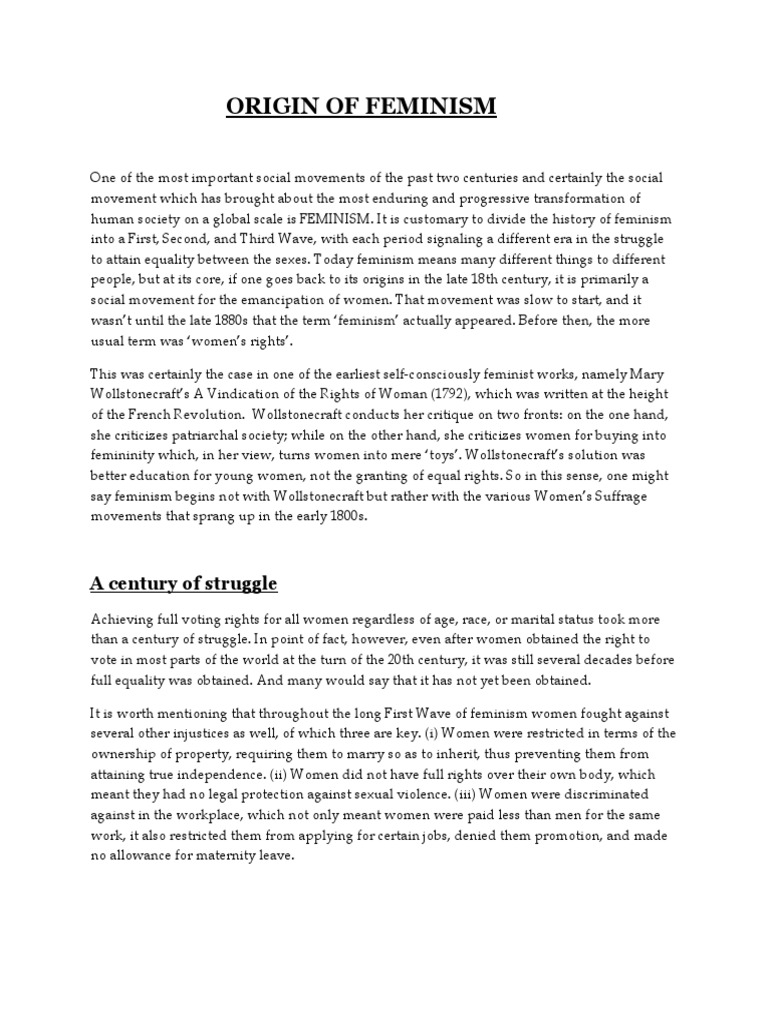
a. Disrespecting the Forebears: Generations of activists have fought under the banner of feminism, and discarding the term could be seen as a betrayal of their legacy. These are the individuals who paved the way for the rights and freedoms we enjoy today, and their contributions should not be forgotten. The concept of ‘generational solidarity’ is crucial in maintaining historical continuity.
b. Losing Momentum: Renaming the movement could create confusion and division, potentially hindering its ability to mobilize and advocate for change. Building a new brand identity from scratch is a time-consuming and resource-intensive endeavor. The existing brand recognition of ‘feminism’, however tarnished, has value.
c. Ignoring the Root Cause: The problem may not be the word “feminism” itself, but rather the societal attitudes and prejudices that perpetuate gender inequality. Simply changing the name will not magically solve these deeply ingrained problems. Addressing the root causes of misogyny and sexism is paramount, regardless of what the movement is called.
V. The Path Forward: Reclaiming and Redefining Feminism
Perhaps the solution is not to abandon “feminism” altogether, but rather to reclaim and redefine it. To actively challenge the negative stereotypes, to amplify the voices of marginalized women, and to broaden the movement’s scope to encompass the complexities of the 21st century.
a. Embracing Intersectionality: Make intersectionality the cornerstone of the movement. Actively seek out and amplify the voices of women of color, queer women, disabled women, and women from other marginalized communities. Ensure that their experiences are centered and their perspectives are valued.
b. Promoting Media Literacy: Combat the misinformation and negative stereotypes that surround feminism by promoting media literacy and critical thinking skills. Encourage individuals to question the narratives they consume and to seek out diverse perspectives.
c. Building Bridges: Reach out to potential allies, including men, and engage in constructive dialogue about gender equality. Challenge the misandry myth and demonstrate that feminism benefits everyone, not just women. Focus on shared goals and common ground.
d. Reclaiming the Narrative: Actively challenge the negative stereotypes associated with feminism and present a more nuanced and accurate portrayal of the movement’s goals and values. Use social media and other platforms to share personal stories, highlight positive role models, and debunk common misconceptions.
Ultimately, the question of whether to rename feminism is a complex one with no easy answers. The decision requires careful consideration of the potential benefits and risks, as well as a deep understanding of the movement’s history and evolving goals. Whether we choose to reclaim the term “feminism” or to forge a new path with a different nomenclature, the ultimate goal remains the same: to create a world where all genders are treated with dignity, respect, and equality. The future of the movement depends on our ability to adapt, evolve, and remain committed to the fight for gender justice.






Leave a Comment