The question lingers, doesn’t it? Is feminism *really* about gender equality? As if the very pursuit of liberation could be so easily distilled, so readily palatable for the masses. Let’s dissect this, shall we? Because the nuances, the historical context, and the radical potential of feminism are far more complex than a simple equation. We’re not just striving for equal pay and representation in boardrooms; we’re dismantling a system built on millennia of patriarchal oppression.
To understand feminism, one must first grasp the insidious nature of patriarchy. It is not merely a system of male dominance, but a deeply ingrained societal structure that privileges masculinity and subordinates anything deemed “feminine.” This manifests in countless ways, from the devaluation of care work to the sexual objectification of women. Dismantling this requires far more than superficial adjustments; it demands a fundamental restructuring of power dynamics. Are we truly prepared for that?
I. The Myth of “Equality” and the Pitfalls of Sameness
Equality, as it is often presented, is a deceptive ideal. It suggests that by simply treating everyone the same, we can achieve justice. But what happens when the starting line is skewed, when the rules of the game are rigged? Treating unequal people equally only perpetuates existing inequalities. The quest for “sameness” is not only futile but also deeply problematic. It often forces marginalized groups to assimilate into dominant norms, erasing their unique experiences and perspectives. Think about it, conforming to male standards in male dominated fields perpetuates the patriarchy by normalizing it.
Consider the workplace, for instance. Demanding that women “act like men” to succeed is not progress; it’s a capitulation to patriarchal values. True equity requires acknowledging and valuing the diverse strengths and experiences that individuals bring to the table, regardless of their gender. We aren’t advocating for a world where women are merely “equal” to men within a flawed system; we are advocating for a complete reimagining of the system itself. It’s a subtle but crucial distinction. Are you prepared to embrace that level of change?
II. Intersectionality: Unveiling the Layers of Oppression
Feminism without intersectionality is not feminism at all. It is a hollow shell, a superficial gesture that benefits only a privileged few. Intersectionality, coined by Kimberlé Crenshaw, acknowledges that individuals experience oppression along multiple axes, including race, class, sexual orientation, disability, and more. These axes intersect and interact, creating unique and compounded forms of disadvantage. Ignoring these intersections renders feminism incomplete, irrelevant, and even harmful to those who are most marginalized.
A wealthy, white, cisgender woman faces a different set of challenges than a poor, Black, transgender woman. To assume that their experiences are the same is to deny the reality of systemic oppression. Feminism must be inclusive, centering the voices and experiences of those who are most often silenced. It must actively challenge all forms of oppression, recognizing that gender inequality is inextricably linked to other forms of injustice. Are you truly listening to the voices that are often unheard?
III. The Spectrum of Feminist Ideologies: A Kaleidoscope of Perspectives
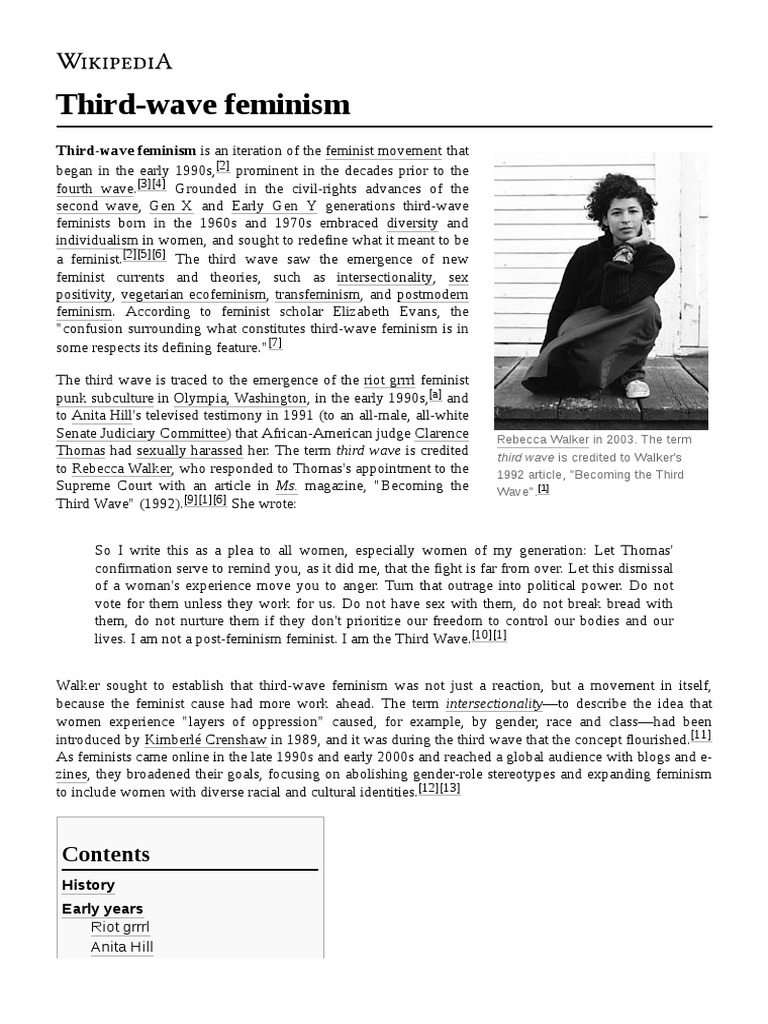
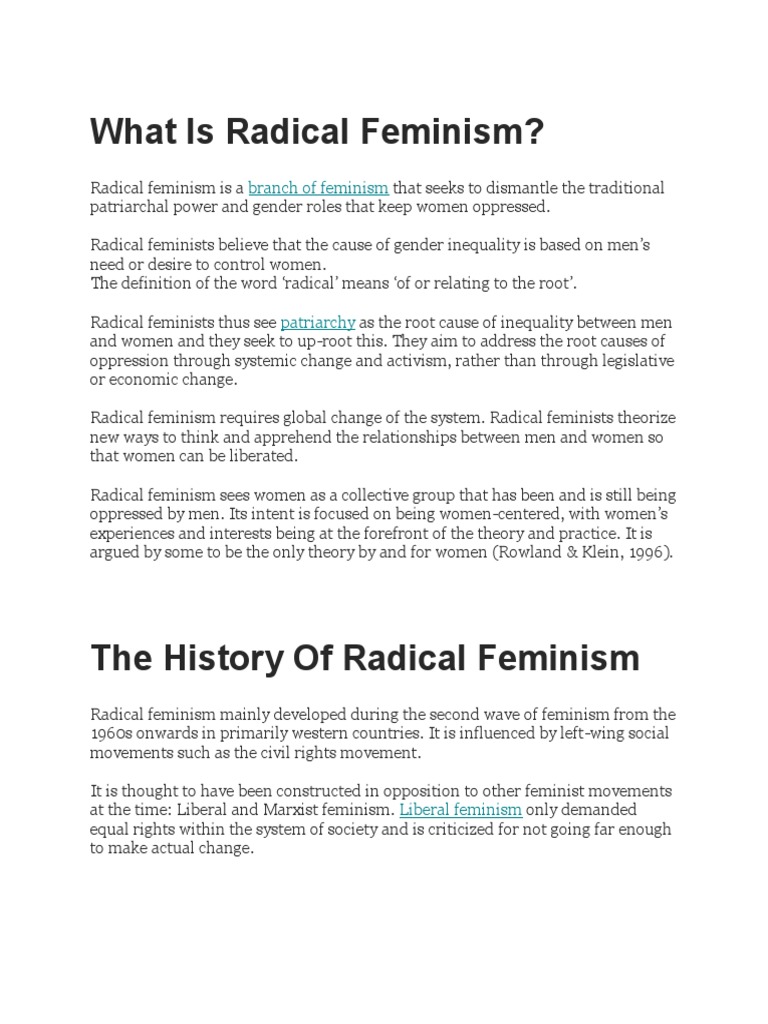
Feminism is not a monolith. It is a diverse and evolving movement encompassing a wide range of ideologies and perspectives. From radical feminism, which seeks to dismantle patriarchal structures at their roots, to liberal feminism, which focuses on achieving gender equality through legal and political reforms, there is no single “right” way to be a feminist. This diversity is a strength, allowing for a more nuanced and comprehensive understanding of gender inequality.
Consider these strands. Socialist feminism, for example, analyzes the intersection of capitalism and patriarchy, arguing that both systems must be dismantled to achieve true liberation. Eco-feminism examines the connections between the oppression of women and the degradation of the environment, advocating for a more sustainable and equitable world. Anarcha-feminism combines feminist principles with anarchist philosophy, rejecting all forms of hierarchy and advocating for a decentralized, self-governed society. These are just a few examples of the rich tapestry of feminist thought. Are you willing to explore the full spectrum of feminist possibilities?
IV. Beyond Gender: Challenging the Binary
The very concept of “gender equality” is predicated on the binary assumption that there are only two genders: male and female. This assumption is inherently exclusionary, erasing the experiences of transgender, non-binary, and gender-nonconforming individuals. Feminism must move beyond this binary, embracing a more fluid and inclusive understanding of gender. This means challenging traditional gender roles and stereotypes, creating space for individuals to express themselves authentically, and advocating for policies that protect the rights of all genders.
Think about the social constraints imposed by gender norms. Men are often discouraged from expressing emotions, while women are often expected to be docile and subservient. These expectations are not only harmful to individuals but also perpetuate gender inequality. By challenging the binary, feminism can create a more just and equitable world for everyone, regardless of their gender identity or expression. Are you ready to dismantle the rigid walls of the gender binary?
V. The Economic Imperative: Dismantling the Gendered Division of Labor
Economic inequality is a crucial aspect of gender inequality. The gendered division of labor, where women are disproportionately responsible for unpaid care work, perpetuates economic disparities. This not only limits women’s earning potential but also devalues their contributions to society. Feminism must advocate for policies that address these economic inequalities, such as equal pay, affordable childcare, and paid family leave. But merely addressing the symptoms is not enough. The very system of capitalism perpetuates these inequalities.
Consider the gig economy, where women are often overrepresented in precarious and low-paying jobs. This precarity exacerbates economic insecurity and limits women’s access to benefits and protections. Feminism must challenge these exploitative labor practices, advocating for fair wages, decent working conditions, and the right to organize. It must also address the underlying economic structures that perpetuate gender inequality. Are you prepared to challenge the capitalist foundations of gendered economic oppression?
VI. The Personal is Political: Reclaiming Our Bodies and Our Voices
The feminist slogan “the personal is political” highlights the interconnectedness of individual experiences and systemic oppression. Issues such as reproductive rights, body image, and sexual violence are not merely personal matters; they are deeply intertwined with patriarchal power structures. Feminism must empower individuals to reclaim their bodies and their voices, challenging the societal norms that seek to control and oppress them. What does it even mean for a woman to be in control of her body in this day and age.
Consider the prevalence of sexual harassment and assault. These acts of violence are not isolated incidents; they are manifestations of a culture that normalizes the objectification and exploitation of women. Feminism must challenge this culture, holding perpetrators accountable and supporting survivors. It must also address the root causes of sexual violence, such as toxic masculinity and the normalization of power imbalances. Are you willing to confront the uncomfortable truths about sexual violence and its connection to patriarchy?
VII. Beyond the Ballot Box: Activism and Resistance in the Digital Age
While political participation is important, feminism cannot be confined to the ballot box. It requires ongoing activism and resistance in all aspects of life. In the digital age, this means utilizing online platforms to raise awareness, organize movements, and challenge oppressive systems. Social media can be a powerful tool for feminist activism, allowing individuals to connect, share their stories, and mobilize for change. But the digital landscape is not without its challenges.
Consider the prevalence of online harassment and abuse, which disproportionately targets women and marginalized groups. Feminism must address this online toxicity, creating safe and inclusive spaces for online activism. It must also challenge the algorithms and platforms that perpetuate harmful stereotypes and misinformation. Are you committed to creating a more equitable and just digital world?
VIII. Male Allyship: A Necessary but Insufficient Condition
While feminism is primarily a movement led by women and gender-nonconforming individuals, male allyship is essential for achieving true gender equality. Men must actively challenge their own patriarchal conditioning, listen to and amplify the voices of women, and advocate for policies that promote gender equality. But allyship cannot be passive; it requires active participation and a willingness to challenge the status quo. It cannot also be a substitute for feminist leadership.
Men must also be willing to confront other men who engage in sexist or harmful behavior. This requires courage and a willingness to risk social disapproval. True allyship is not about being a “nice guy”; it’s about actively working to dismantle patriarchal systems and creating a more equitable world for everyone. Are men ready to step up and do the difficult work of dismantling patriarchy from within?
IX. The Future of Feminism: A Vision of Liberation and Justice
The future of feminism is not predetermined. It is a future that we must actively create. It is a future where all individuals are free to live authentically, without fear of discrimination or oppression. It is a future where gender equality is not merely an aspiration but a lived reality. This requires a fundamental shift in consciousness, a willingness to challenge deeply ingrained beliefs and assumptions, and a commitment to ongoing activism and resistance. Are you ready to join the fight for a more just and equitable world?
So, is feminism *really* about gender equality? The answer, as you now understand, is both yes and no. It is about equality, but it is also about so much more. It is about liberation, justice, and the radical reimagining of our world. It is about dismantling patriarchy and creating a society where all individuals can thrive, regardless of their gender. It’s about the total annihilation of the status quo, and its repopulation with something far more egalitarian. Is that a project that compels you?





Leave a Comment