Ready to dismantle the patriarchal literary canon, one scorching essay at a time? Good. Because let’s face it: the “classics” are riddled with the insidious fingerprints of male dominance, whispering misogynistic narratives into the impressionable minds of generations. A feminist literary essay isn’t just about analyzing texts; it’s about excavating the buried voices of women, challenging ingrained biases, and wielding the power of language to forge a more equitable literary landscape. Consider this your battle plan.
I. Excavating the Text: Beyond Surface-Level Readings
Forget passive consumption. We’re engaging in active deconstruction. Start by selecting a text ripe for feminist analysis. Think: novels, poems, plays – anything that offers fertile ground for interrogating gender roles, power dynamics, and the representation of women. But, and this is crucial, resist the urge to simply condemn. Nuance is your weapon.
A. Identifying the Patriarchal Subtext: Unearthing the Invisible Chains
Subtext is the snake in the garden of literary interpretation. It’s the unspoken assumptions, the subtle biases, the ingrained prejudices that permeate the narrative fabric. Ask yourself: How are women portrayed? Are they active agents or passive objects? Are their voices amplified or silenced? Are their desires acknowledged or dismissed? Look for instances of:
1. Male Gaze Domination: The text is being filtered through a masculine lens, objectifying women and reducing them to their physical attributes. It is insidious. It demands to be uprooted.
2. Stereotypical Tropes: The Madonna/Whore dichotomy, the Damsel in Distress, the Evil Seductress – these tired tropes are the shackles of female representation. Unmask them. Expose their inherent limitations.
3. Erasure of Female Experience: Are women’s stories marginalized or ignored altogether? Is their perspective deemed irrelevant or insignificant? Demand space for their voices. Write them back into existence.
B. Decentering the Male Narrative: Amplifying the Marginalized Voices
The default protagonist is almost always male. The default perspective is almost always masculine. We need to actively decenter these narratives and shine a light on the experiences of women. This means:
1. Giving Voice to the Silent: Focus on female characters who are relegated to the periphery. Explore their motivations, their desires, their struggles. Imagine what their stories might be if they were given the agency they deserve.
2. Challenging the Dominant Interpretation: Question the established readings of the text. Offer alternative interpretations that prioritize the female perspective. Subvert the patriarchal narrative.
3. Interrogating the Authorial Intent: Was the author aware of their own biases? Did they consciously or unconsciously perpetuate harmful stereotypes? Hold them accountable. Demand critical engagement.
II. Weaving the Theoretical Framework: Arming Yourself with Feminist Theory
Theory isn’t some abstract academic exercise; it’s a powerful tool for understanding and challenging the structures of power that shape our world. Feminist theory provides a lens through which to analyze the text and expose its underlying ideological assumptions.
A. Selecting the Appropriate Lens: A Kaleidoscope of Feminist Perspectives
Feminist theory isn’t a monolithic entity. It’s a diverse and multifaceted field with a range of perspectives to choose from. Select the theoretical framework that best aligns with your analysis and your argumentative aims. Consider:
1. Liberal Feminism: Focuses on achieving gender equality through legal and political reforms. Does the text advocate for equal rights for women? Does it challenge discriminatory laws or practices?
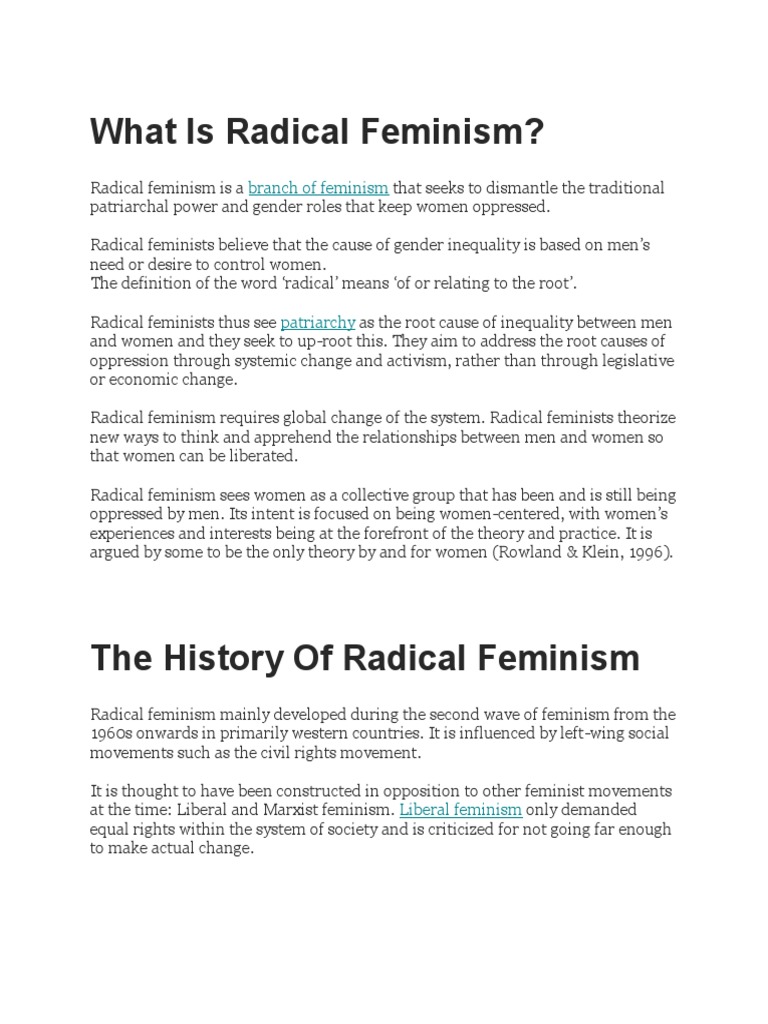
2. Radical Feminism: Sees patriarchy as the root cause of women’s oppression and advocates for fundamental social and political change. Does the text expose the systemic nature of male dominance? Does it challenge the patriarchal foundations of society?
3. Marxist Feminism: Examines the intersection of gender and class oppression, arguing that capitalism reinforces patriarchal power structures. Does the text explore the economic exploitation of women? Does it highlight the ways in which capitalism perpetuates gender inequality?
4. Poststructuralist Feminism: Deconstructs the binary categories of male and female, arguing that gender is a social construct that is constantly being negotiated and redefined. Does the text challenge traditional notions of femininity and masculinity? Does it expose the fluidity and instability of gender identities?
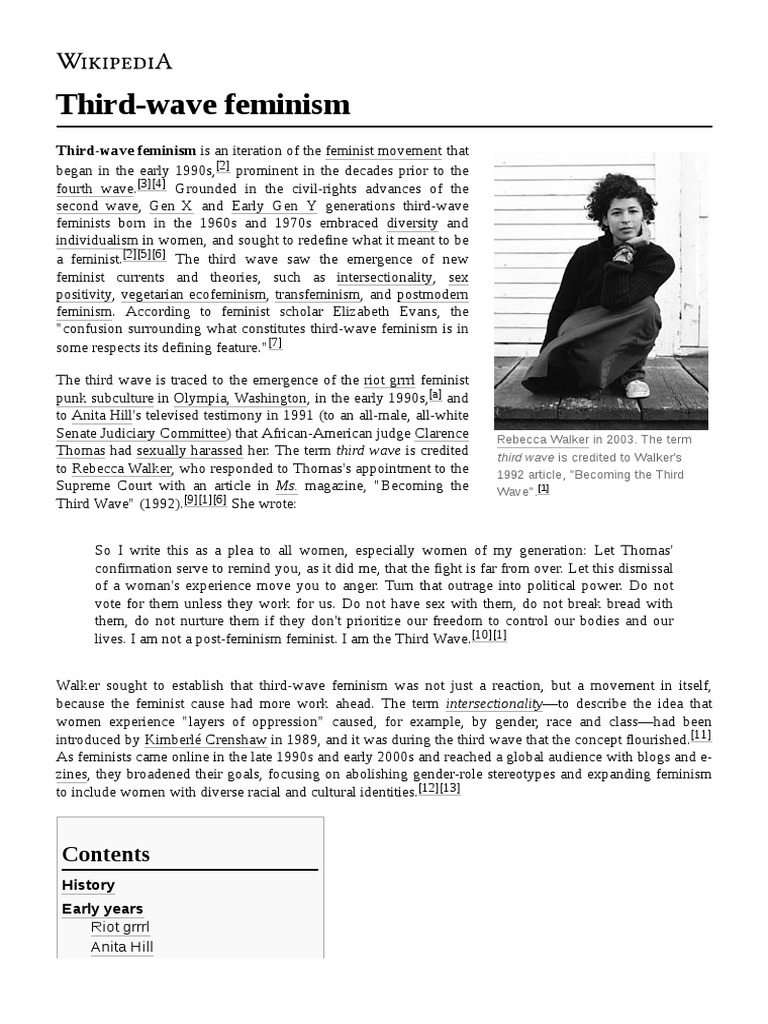
5. Intersectionality: Critically examines how various forms of oppression, such as race, class, sexuality, and disability, intersect to shape the experiences of marginalized groups. Does the text acknowledge the diversity of women’s experiences? Does it explore the unique challenges faced by women of color, working-class women, or LGBTQ+ women?
B. Integrating Theory into Your Argument: A Seamless Fusion of Analysis and Interpretation
Don’t just drop theoretical jargon into your essay like a lead weight. Integrate it organically into your analysis. Use theory to illuminate your readings of the text, to support your claims, and to deepen your understanding of the issues at stake. Demonstrate how the theoretical framework helps you to see the text in a new light, to uncover hidden meanings, and to challenge dominant interpretations.
III. Crafting the Argument: A Symphony of Rhetorical Power
Your essay is a weapon. A beautifully crafted, intellectually devastating weapon designed to dismantle patriarchal assumptions and ignite feminist consciousness. Your thesis statement is the core of your argument, the guiding principle that will shape your analysis. It should be clear, concise, and argumentative. It should take a stand. It should provoke thought. It should make them uncomfortable.
A. Constructing a Compelling Thesis Statement: The Foundation of Your Argument
A weak thesis is a death sentence. Avoid vague generalizations and predictable pronouncements. Your thesis should be specific, focused, and contestable. It should offer a fresh perspective on the text and make a claim that is worth arguing for. For example, instead of saying “Hamlet is a sexist play,” try something like “Hamlet uses Ophelia’s madness to silence female agency and reinforce patriarchal control, positioning her as a sacrificial lamb to Hamlet’s existential angst.”
B. Structuring Your Essay: A Logical Progression of Ideas
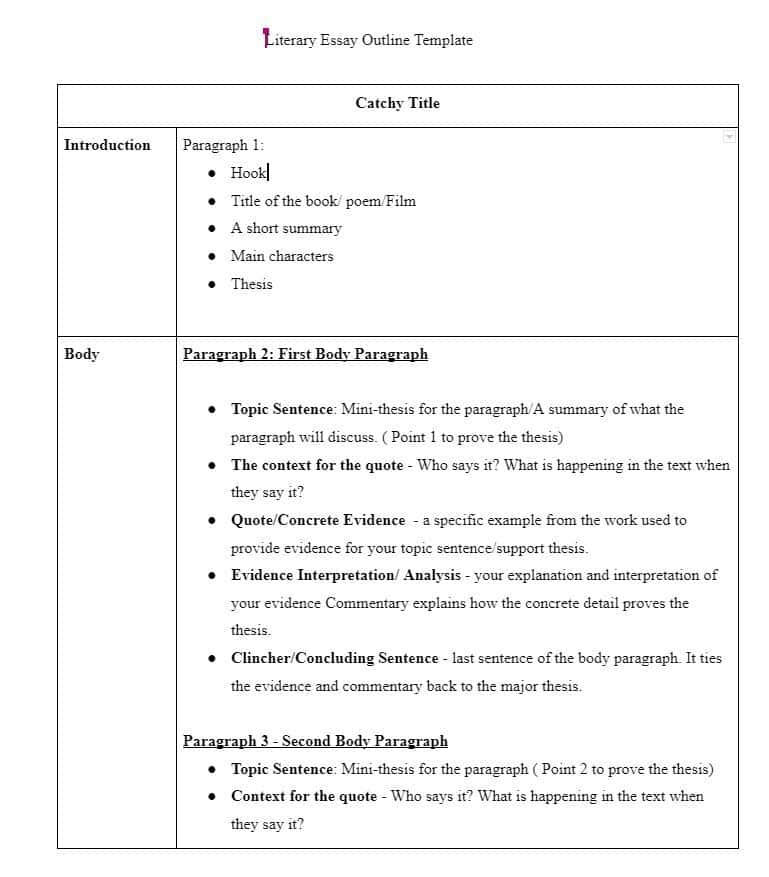
Clarity is crucial. Guide your reader through your argument with a clear and logical structure. Each paragraph should focus on a specific point that supports your thesis. Use topic sentences to introduce the main idea of each paragraph and transition words to connect your ideas smoothly. Avoid digressions and tangents. Stay focused on your central argument.
C. Supporting Your Claims with Evidence: The Arsenal of Literary Analysis
Your argument is only as strong as the evidence that supports it. Use textual evidence – direct quotes, paraphrases, and summaries – to illustrate your points and to persuade your reader of the validity of your claims. Analyze the language, imagery, and symbolism of the text to uncover its underlying ideological assumptions. Don’t just quote; analyze. Don’t just summarize; interpret. Excavate the hidden meanings and expose the power dynamics at play. Contextualize your claims by drawing on relevant historical, social, and cultural information.
D. Anticipating Counterarguments: Strengthening Your Position Through Refutation
Don’t shy away from opposing viewpoints. Acknowledge them, address them, and dismantle them. By anticipating potential counterarguments, you demonstrate that you have considered all sides of the issue and that your argument is well-reasoned and defensible. Refute opposing viewpoints by pointing out their flaws, their limitations, and their biases. Show how your argument is stronger, more nuanced, and more compelling.
IV. Polishing the Prose: Elevating Your Writing to an Art Form
Your language should be as sharp and incisive as your ideas. Choose your words carefully, paying attention to their connotations and their emotional impact. Avoid clichés and jargon. Strive for originality and precision. Craft sentences that are both informative and engaging. Let your passion for the subject shine through your writing.
A. Mastering the Art of Rhetoric: Persuasion Through Language
Rhetoric isn’t just about fancy words; it’s about the art of persuasion. Use rhetorical devices – metaphors, similes, analogies, irony, satire – to enhance your writing and to make your argument more compelling. Vary your sentence structure to create rhythm and flow. Use active voice to make your writing more direct and forceful. Avoid passive voice, which can make your writing sound weak and indecisive.
B. Citing Sources Accurately: Maintaining Academic Integrity
Plagiarism is a cardinal sin. Always cite your sources accurately and consistently, using a recognized citation style (MLA, Chicago, APA). Give credit where credit is due. Acknowledge the intellectual contributions of others. Be transparent about your sources. Academic integrity is non-negotiable.
C. Proofreading and Editing: Ensuring Clarity and Accuracy
Typos and grammatical errors are a distraction. Proofread your essay carefully to catch any mistakes. Ask a friend or colleague to read your essay and provide feedback. Edit your essay for clarity, concision, and coherence. Ensure that your argument is well-structured and that your evidence is persuasive. A polished essay is a powerful essay. Now, go forth and dismantle the patriarchy, one essay at a time.








Leave a Comment