
Does feminism, that boisterous, banner-waving movement for equality, inadvertently throw a wrench into the already complex and multifaceted image of the Black woman? It’s a question that’s been bubbling beneath the surface, a simmering cauldron of anxieties and accusations. Are we, in our zealous pursuit of liberation, inadvertently perpetuating harmful stereotypes or, worse, erasing the unique struggles of Black women from the larger feminist narrative?
Let’s not mince words; this is a loaded question. It demands a critical examination of the historical baggage feminism carries and a stark assessment of how it has, at times, failed to fully embrace intersectionality. Are we truly leveling the playing field, or are we simply rearranging the furniture on a fundamentally biased structure? Let’s dive deep, shall we?
I. The Myth of Monolithic Feminism: A Historical Reckoning
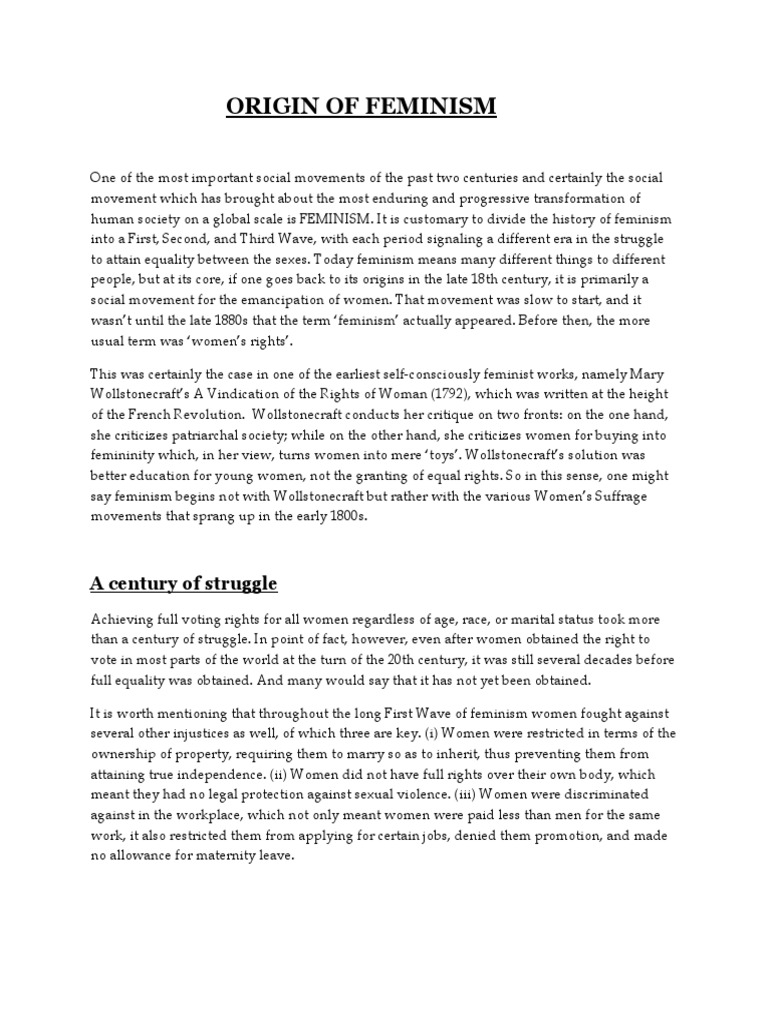
First, we must acknowledge a historical sin: the initial exclusion of Black women from the dominant feminist discourse. Early waves of feminism, often spearheaded by white, middle-class women, largely ignored or actively marginalized the experiences of women of color. This historical amnesia wasn’t merely an oversight; it was a deliberate act of centering a specific narrative – one that prioritized the concerns of a privileged subset while relegating others to the periphery.
This created a fissure, a deep-seated distrust that lingers even today. Why should Black women, who have consistently faced the twin burdens of racism and sexism, pledge allegiance to a movement that has historically overlooked their plight? This historical context is crucial for understanding the ongoing skepticism and the need for a more inclusive, intersectional approach.
The concept of “double jeopardy,” articulated by Black feminists like Frances Beal, underscores the unique challenges faced by Black women. It’s not simply about being a woman; it’s about navigating a society that simultaneously devalues your gender and your race. Failing to recognize this duality is a profound act of erasure.
II. Stereotypes & Archetypes: Reclaiming the Narrative
Black women have long been subjected to damaging stereotypes that permeate popular culture and societal perceptions. These archetypes, such as the “Mammy,” the “Sapphire,” and the “Jezebel,” reduce Black women to caricatures, stripping them of their individuality and agency. These tropes are deeply embedded in the collective consciousness and contribute to systemic biases in areas like employment, healthcare, and education.
Does feminism, as it’s traditionally conceived, challenge these stereotypes effectively? Sometimes, yes. However, it can also inadvertently reinforce them by focusing solely on gender-based oppression while neglecting the specific ways in which racism shapes the experiences of Black women. For instance, a feminist critique of traditional beauty standards might ignore the historical context of hair discrimination against Black women, failing to acknowledge the societal pressure to conform to Eurocentric ideals of beauty.
A truly intersectional feminism must actively dismantle these stereotypes, amplifying the voices of Black women and challenging the pervasive narratives that seek to diminish their humanity. It requires a conscious effort to deconstruct the ingrained biases that influence our perceptions and to create space for a more nuanced and authentic representation of Black female identity.
III. The Burden of Representation: A Double-Edged Sword
Black women often face the added burden of representation. They are expected to be spokespersons for their entire race, shouldering the responsibility of dispelling stereotypes and advocating for social justice. This expectation can be exhausting and isolating, placing undue pressure on individuals to represent the diverse experiences of an entire community.
Feminism, in its quest for gender equality, can sometimes contribute to this burden by overlooking the unique pressures faced by Black women. It’s not enough to simply include Black women in the conversation; we must also create space for them to define their own narratives and to challenge the expectations that society places upon them.
Imagine the pressure – constantly having to explain your existence, constantly having to justify your struggles. This is the reality for many Black women who are thrust into the spotlight, expected to be the ultimate ambassadors for their race. It’s a draining and unsustainable position that demands empathy and understanding.
IV. Economic Disparity: A Persistent Barrier
Economic inequality is a persistent barrier to advancement for Black women. The gender pay gap is even wider for Black women, who typically earn significantly less than their white male counterparts. This disparity is further compounded by systemic racism, which limits access to education, employment opportunities, and capital.
Feminist advocacy for equal pay is essential, but it must be specifically tailored to address the unique challenges faced by Black women. This requires a nuanced understanding of the historical and systemic factors that contribute to economic disparity, as well as targeted interventions to address these inequities.
Furthermore, issues like access to affordable childcare, healthcare, and housing disproportionately affect Black women. A feminist agenda that ignores these realities is ultimately incomplete and ineffective. We need to advocate for policies that support the economic empowerment of Black women and create a more equitable playing field for all.
V. The “Strong Black Woman” Trope: A Paradoxical Trap
The “Strong Black Woman” trope, while seemingly positive, can be a paradoxical trap. It perpetuates the idea that Black women are inherently resilient and capable of enduring hardship, which can lead to their struggles being minimized or ignored. This trope can also discourage Black women from seeking help or support, as they are expected to be self-sufficient and unwavering.
Feminism should challenge this trope by acknowledging the vulnerability and humanity of Black women. We need to create space for them to express their emotions, to ask for help, and to be seen as complex individuals with a full range of experiences. The idea that Black women must always be strong and stoic is both unrealistic and harmful. It denies them the right to be vulnerable and to seek the support they need.
VI. Intersectionality as a Solution: Reimagining Feminism
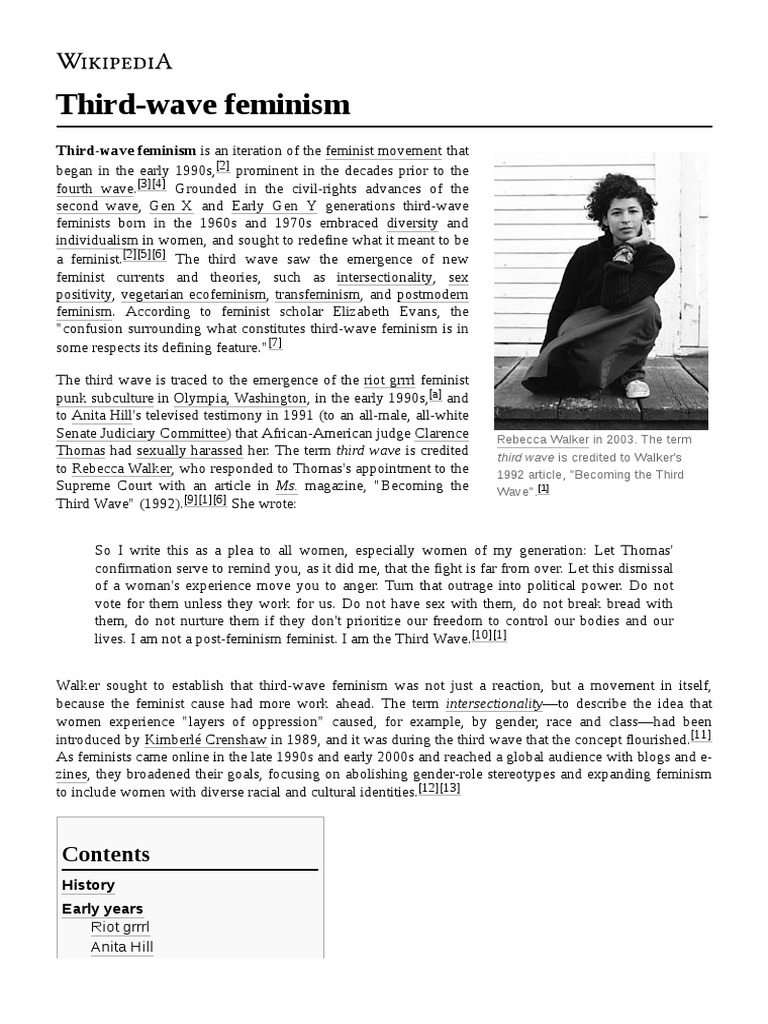
The key to addressing these challenges lies in embracing intersectionality. Coined by Kimberlé Crenshaw, intersectionality recognizes that individuals experience oppression based on a complex interplay of factors, including race, gender, class, sexual orientation, and disability. It acknowledges that these identities are interconnected and that their combined effect creates unique and often overlapping forms of discrimination.
An intersectional feminist approach prioritizes the voices and experiences of marginalized women, challenging the dominant narratives and advocating for policies that address the root causes of inequality. It requires a willingness to listen, to learn, and to adapt our strategies to meet the diverse needs of all women. This means actively seeking out and amplifying the voices of Black women, creating space for them to lead and to shape the feminist agenda.
It’s not about simply adding Black women to the existing framework; it’s about fundamentally reimagining feminism to be more inclusive, more equitable, and more responsive to the needs of all women, regardless of their race, class, or background.
VII. Reproductive Justice: A Crucial Battleground
Reproductive justice, a concept developed by Black feminists, goes beyond the traditional focus on reproductive rights to encompass the right to have children, not have children, and to raise children in safe and healthy environments. It recognizes that reproductive freedom is inextricably linked to social and economic justice, and that Black women face unique challenges in accessing reproductive healthcare due to systemic racism and economic inequality.
Feminist advocacy for reproductive rights must be grounded in a reproductive justice framework, addressing the social, economic, and environmental factors that impact the reproductive health and well-being of Black women. This includes advocating for access to affordable healthcare, childcare, and housing, as well as challenging policies that disproportionately affect Black families.
Furthermore, it’s crucial to address the historical legacy of forced sterilization and reproductive coercion that has disproportionately targeted Black women. This history of abuse has created a deep-seated distrust of the medical establishment and underscores the need for culturally sensitive and patient-centered care.
VIII. Moving Forward: A Call to Action
Does feminism harm the Black female image? The answer is complex and nuanced. Historically, it has. But it doesn’t have to. By embracing intersectionality, challenging stereotypes, and advocating for policies that address the specific needs of Black women, we can create a feminist movement that is truly inclusive and empowering.
This requires a conscious and ongoing effort to deconstruct ingrained biases, to amplify marginalized voices, and to create space for diverse perspectives. It requires a commitment to listening, learning, and adapting our strategies to meet the evolving needs of all women. It requires a willingness to challenge the status quo and to demand a more just and equitable world.
The path forward is not easy, but it is essential. Let us work together to build a feminist movement that truly represents and empowers all women, regardless of their race, class, or background. The time for complacency is over. The time for action is now.
So, let’s dismantle the structures that perpetuate inequity and build a future where all women, especially Black women, can thrive without compromise. Let’s get to work.






Leave a Comment