Is Feminism truly a global sisterhood, a unified front against patriarchal oppression? Or is that just a pretty, politically expedient fiction we tell ourselves? Let’s rip apart this shimmering facade and examine the fragmented reality of feminist movements across the globe. Prepare to have your assumptions challenged, your comfortable notions shattered.
I. The Myth of Monolithic Feminism: Unpacking the ‘Global’ Label
The very idea of a “global” feminism implies a singular, unified entity. It suggests a shared understanding of oppression and a common roadmap to liberation. But is this reflective of reality, or a convenient oversimplification that silences marginalized voices?
A. The Western-Centric Narrative: Perpetuating Hegemony. For too long, feminist discourse has been dominated by Western, often white, perspectives. This hegemonic narrative risks universalizing specific experiences and imposing them onto vastly different cultural contexts. We need to deconstruct the notion that Western feminism is the default, the gold standard against which all other movements are measured.
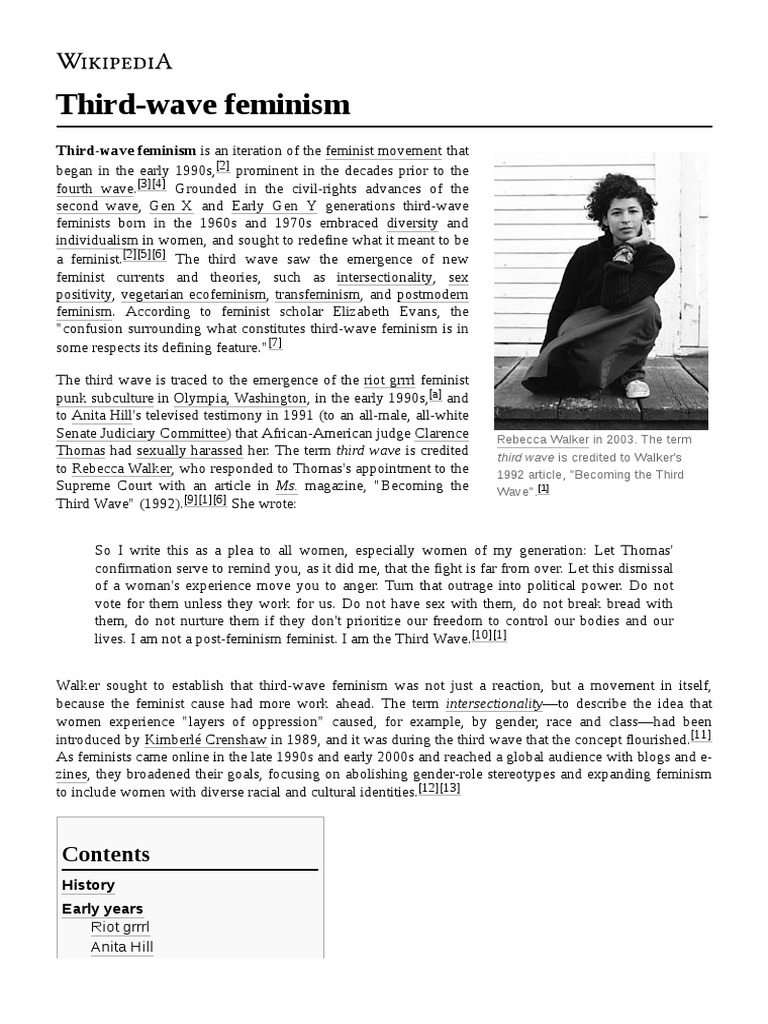
B. Intersectionality’s Challenge: A Mosaic, Not a Monolith. The concept of intersectionality, brilliantly articulated by Kimberlé Crenshaw, underscores the interconnected nature of social categorizations such as race, class, and gender. It reveals how these categories create overlapping systems of discrimination or disadvantage. How can we possibly speak of a unified feminism when experiences of oppression are so fundamentally shaped by these intersections? A wealthy white woman in Silicon Valley faces different challenges than a Dalit woman in rural India, and their feminisms must reflect that.
C. Contextualizing Struggle: Beyond Universal Solutions. What works in Sweden may not work in Saudi Arabia. The specific manifestations of patriarchy vary wildly across cultures, demanding tailored, nuanced approaches. A one-size-fits-all feminism is not only ineffective but also potentially harmful, disregarding the unique social, political, and economic realities of different communities. We need context-specific advocacy.
II. Feminist Movements Across Continents: A Kaleidoscope of Resistance
Let’s journey across the globe and examine the diverse expressions of feminist resistance. Each movement is a testament to the resilience and ingenuity of women fighting for their rights, often in the face of immense adversity.
A. Africa: Indigeneity and Resistance. African feminisms are deeply rooted in indigenous knowledge systems and traditions of resistance against colonialism and neocolonialism. The fight for land rights, economic justice, and an end to harmful traditional practices are central to many African feminist movements. Think of the activism surrounding female genital mutilation, child marriage, and the struggle for political representation. The Maendeleo Ya Wanawake Organization in Kenya, for instance, has played a pivotal role in advocating for women’s rights and economic empowerment for decades, blending modern approaches with traditional values.
B. Asia: Navigating Tradition and Modernity. Asian feminisms grapple with complex intersections of tradition, modernity, and globalization. Issues such as sex-selective abortions, dowry-related violence, and the exploitation of women in the garment industry are pressing concerns. In India, the fight against systemic gender inequality is interwoven with caste-based discrimination and religious fundamentalism. In China, the feminist movement faces unique challenges under an authoritarian regime, navigating censorship and surveillance to advocate for reproductive rights and gender equality in the workplace.
C. Latin America: Confronting Violence and Inequality. Latin American feminisms are often characterized by a strong focus on social justice, economic equality, and an end to gender-based violence. The “Ni Una Menos” movement, which originated in Argentina, has galvanized women across the region to protest femicide and demand accountability from governments. Indigenous women’s movements are also playing a vital role in protecting ancestral lands and fighting for environmental justice. They reclaim their rights and demand respect.
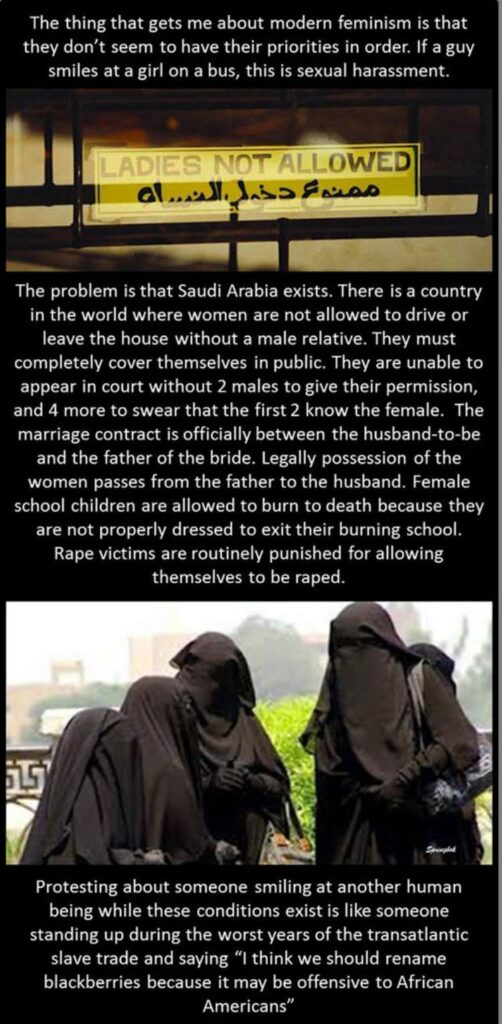
D. The Middle East: Defiance in the Face of Oppression. Feminist movements in the Middle East operate in contexts marked by political instability, religious conservatism, and authoritarian rule. Despite these challenges, women are actively resisting patriarchal structures and demanding greater autonomy. The fight for the right to education, freedom of movement, and an end to discriminatory laws are key priorities. The bravery of women who defy dress codes and challenge traditional gender roles is a testament to their unwavering commitment to liberation.
E. Europe: Beyond the Suffrage Movement. European feminisms, while often perceived as more advanced, still face significant challenges. Issues such as the gender pay gap, sexual harassment, and the underrepresentation of women in leadership positions remain persistent problems. The rise of right-wing populism and anti-immigrant sentiment poses a threat to women’s rights and reproductive freedom. Scandinavian countries, often lauded for their gender equality policies, still grapple with subtle forms of discrimination and the perpetuation of traditional gender roles.
F. North America: From #MeToo to Reproductive Rights. North American feminisms are diverse, encompassing issues such as reproductive rights, racial justice, and LGBTQ+ equality. The #MeToo movement has exposed the pervasive nature of sexual harassment and assault, sparking a national conversation about consent and accountability. The ongoing fight for reproductive rights, particularly in the United States, remains a crucial battleground. Indigenous women’s movements are also at the forefront of the fight against environmental degradation and the protection of sacred lands.
III. The Pitfalls of Universalization: Cultural Relativism vs. Human Rights
As we celebrate the diversity of feminist movements, we must also confront the complex issue of cultural relativism. Can we critique practices that are considered culturally acceptable, even if they violate fundamental human rights? This is the question that plagues feminists.
A. Defining the Boundaries: When Tradition Becomes Oppression. The line between cultural preservation and the perpetuation of harmful practices can be blurry. How do we balance respect for cultural diversity with the imperative to protect women’s rights? Are there universal human rights that transcend cultural norms? These are not easy questions to answer. However, the exploitation and oppression of women should never be justified in the name of tradition.
B. Avoiding Cultural Imperialism: Listening to Local Voices. It is crucial to avoid imposing Western values and perspectives onto other cultures. Feminist solidarity should involve listening to and supporting local activists, rather than dictating solutions from afar. We must recognize that women within different cultures are best positioned to understand their own challenges and develop appropriate strategies for change. Cultural humility is paramount.
C. The Role of International Organizations: Navigating Diplomacy and Advocacy. International organizations like the United Nations play a crucial role in promoting women’s rights globally. However, they must also be mindful of cultural sensitivities and avoid imposing top-down solutions. The most effective approach involves working in partnership with local organizations and governments to support sustainable, community-led initiatives. They must empower local advocacy.
IV. The Future of Global Feminism: Towards Intersectional Solidarity
What does the future hold for feminism? How can we build a truly global movement that is inclusive, intersectional, and effective? The answer lies in cultivating deeper understanding, fostering genuine solidarity, and challenging the power structures that perpetuate inequality.
A. Centering Marginalized Voices: Amplifying the Silenced. We must actively seek out and amplify the voices of women who are often marginalized within feminist discourse. This includes women of color, indigenous women, women with disabilities, and LGBTQ+ women. Their experiences and perspectives are essential to building a more inclusive and equitable movement. It’s time to amplify marginalized voices.
B. Building Cross-Border Solidarity: Connecting Movements. Feminist movements around the world can learn from each other’s experiences and strategies. Building cross-border solidarity networks can facilitate the sharing of knowledge, resources, and support. This requires dismantling the silos that often separate movements and fostering genuine connections based on mutual respect and understanding. Building solidarity is a strategy for success.
C. Challenging Global Capitalism: Addressing Economic Inequality. Economic inequality is a major driver of gender inequality. Global capitalism, with its emphasis on profit maximization and deregulation, often exacerbates the exploitation of women, particularly in the global South. Feminist movements must actively challenge the structures of global capitalism and advocate for economic justice and fair labor practices.
D. Embracing Digital Activism: Leveraging Technology for Change. The internet and social media have created new opportunities for feminist activism. Online platforms can be used to raise awareness, mobilize support, and connect women across borders. However, it is also important to be aware of the risks of online harassment and censorship. Digital activism can be a powerful tool for change, but it must be used strategically and responsibly. Tech is used for empowerment.
E. Deconstructing the Patriarchy Within: Internal Reflection. Finally, feminism demands continuous self-reflection. It is not enough to fight against external structures of oppression; we must also confront the internalized patriarchy that shapes our own thoughts and behaviors. We must actively challenge our own biases and assumptions and strive to create a more equitable and just world within ourselves and our communities. The work starts within.
The journey towards a truly global feminism is a long and arduous one. But with unwavering commitment, intersectional solidarity, and a willingness to challenge the status quo, we can build a world where all women are free to live lives of dignity, equality, and justice. The revolution continues; let’s make it truly global.





Leave a Comment