Can you reconcile the ancient dance of gender roles with the fiery, unapologetic march of feminism? It’s the question that simmers beneath the surface of every consciousness raised in the crosscurrents of tradition and liberation. A question that claws at the foundations of identity, demanding a reckoning. Can you? Really? Let’s dissect this Gordian knot.
I. The Phantom of Gender Roles: A Spectral Inheritance
First, we must acknowledge the insidious grip of gender roles. These aren’t harmless traditions; they are often the ossified remnants of patriarchal control, whispering directives into our ears from the graves of generations past. A constant hum in the background, dictating who should speak, who should nurture, who should dominate, and who should submit. They are anachronistic vestiges that linger like a persistent cough, symptomatic of a deeper societal malady.
A. Defining the Beast: What Are “Gender Roles,” Really?
Gender roles are not merely preferences. They are socially constructed expectations concerning behaviors, attitudes, and activities deemed “appropriate” for individuals based solely on their perceived sex. This is not biology; this is a societal imposition. They are the invisible chains that bind us to predetermined paths, stifling individual expression and limiting potential.
B. The Historical Chains: How Did We Get Here?
Patriarchy, for centuries, cemented these roles. Think of the agricultural revolution, where physical strength was prized, relegating women to domestic spheres. Think of religious doctrines that codified female submission. Each epoch contributed to the entrenchment of these roles, layering them onto our collective psyche like geological strata. Are we simply to accept that because something “has always been this way,” that it *should* continue to be so?
C. The Modern Mirage: Gender Roles in the 21st Century.
Even in our purportedly enlightened age, gender roles persist, albeit often cloaked in more palatable language. They permeate media representations, subtly shaping our perceptions of men and women. They influence career choices, pushing women toward traditionally “caring” professions and men toward positions of power. They are a ubiquitous, almost undetectable toxin in the air we breathe.
II. The Ferocity of Feminism: A Battle Cry for Autonomy
Feminism, at its core, is about choice. It’s about empowering individuals, regardless of gender identity, to forge their own paths, free from societal constraints and expectations. It demands the dismantling of systems that perpetuate inequality and oppression. It is, in essence, a revolutionary act of self-determination.
A. Defining the Lioness: The Many Faces of Feminism.
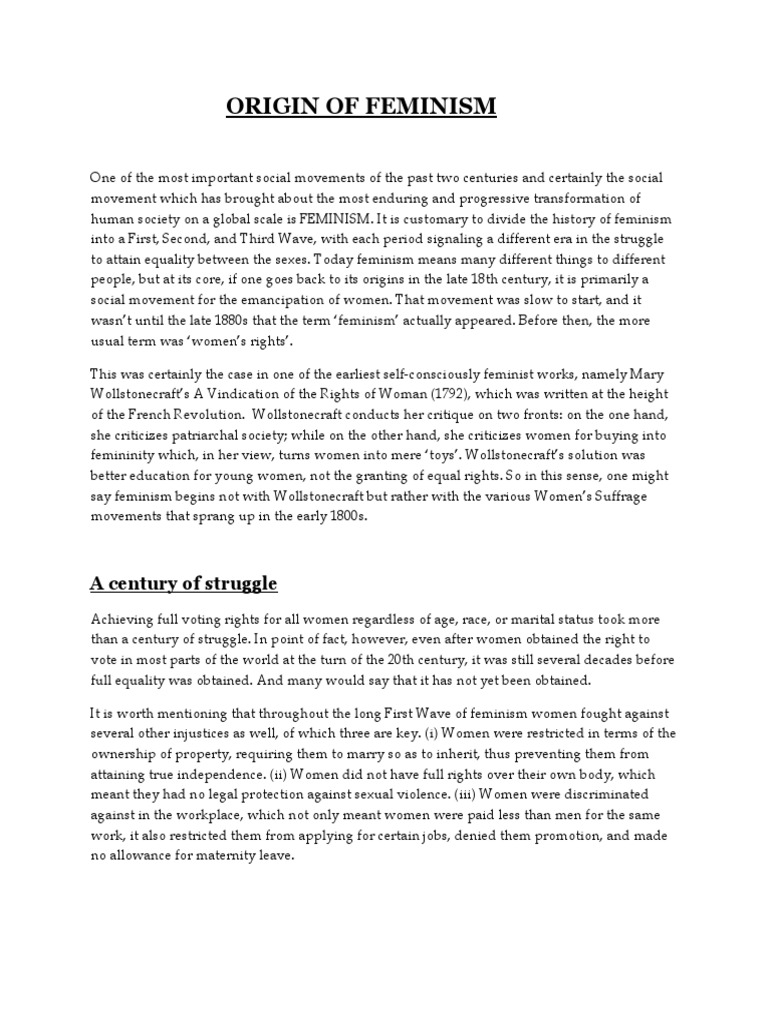
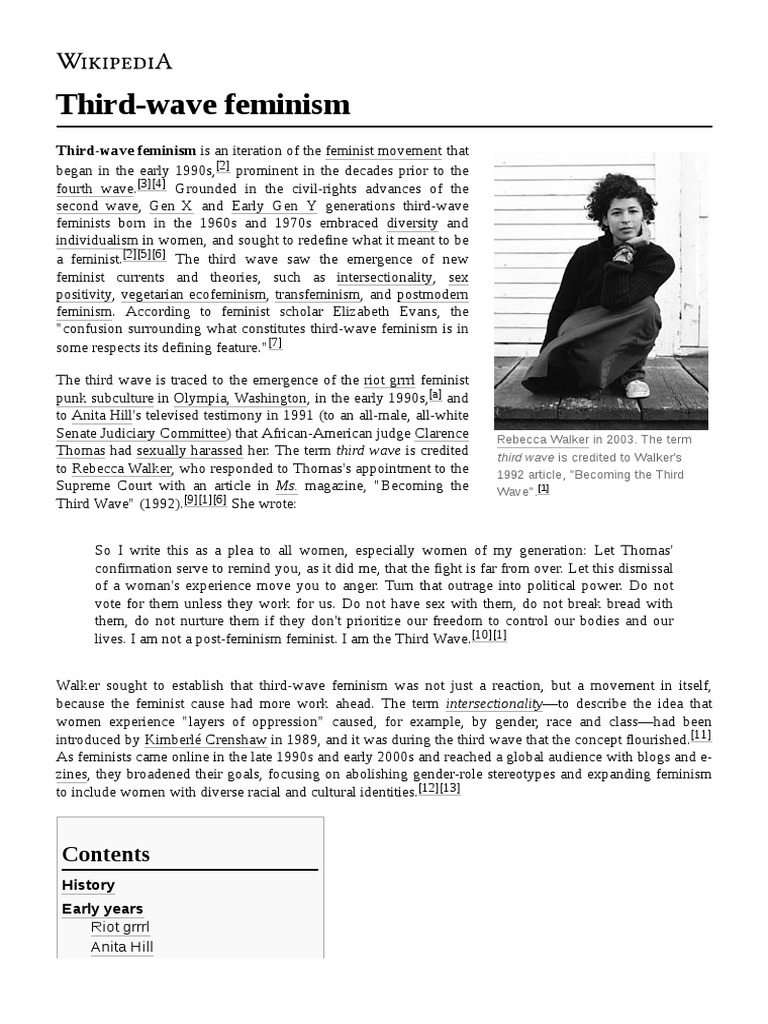
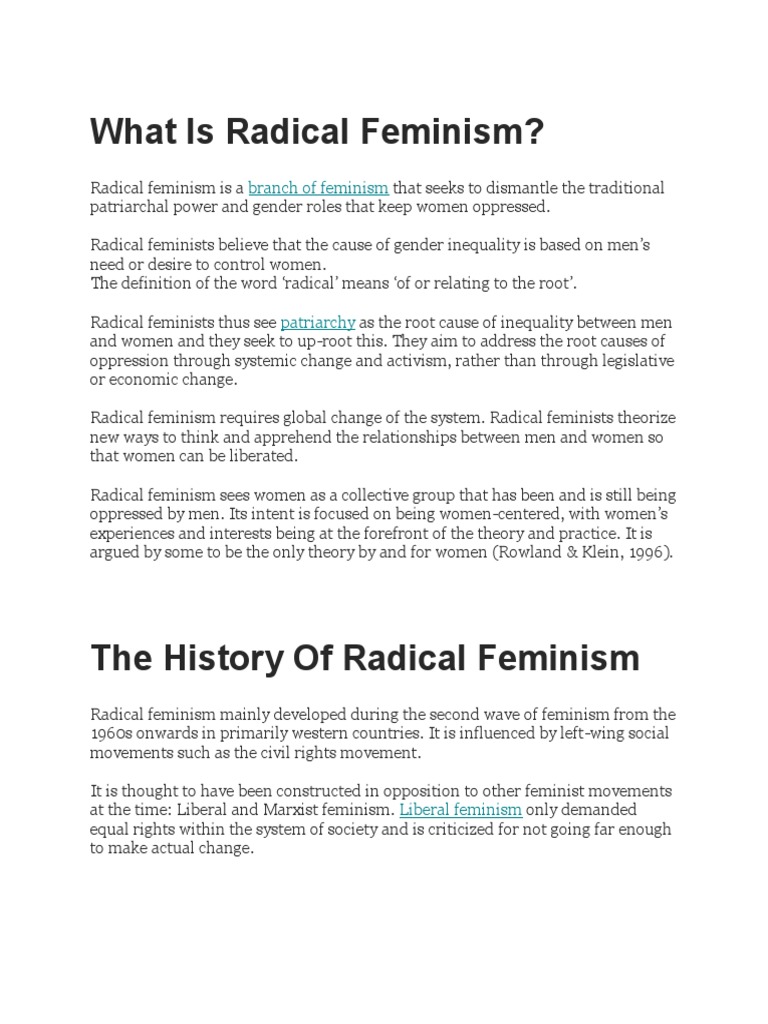
Feminism is not monolithic. It encompasses a spectrum of ideologies, from intersectional feminism, which emphasizes the interconnectedness of various forms of oppression, to radical feminism, which seeks a fundamental restructuring of society. What unites these diverse strands is a commitment to gender equality and the eradication of patriarchal structures.
B. The Pillars of Power: Core Feminist Principles.
Autonomy. Equality. Liberation. These are the bedrock principles of feminism. Autonomy – the right to self-governance and freedom from coercion. Equality – the pursuit of equal rights and opportunities for all genders. Liberation – the dismantling of oppressive systems that perpetuate inequality. These are not mere buzzwords; they are the foundational stones of a just and equitable society.
C. The Ongoing War: The Fight for Gender Equality in the 21st Century.
The fight is far from over. Gender pay gaps persist. Women remain underrepresented in positions of power. Violence against women continues to be a pervasive problem. The battleground has shifted, but the struggle remains. We must remain vigilant, constantly challenging the status quo and demanding systemic change.
III. The Tightrope Walk: Reconciling Beliefs, Embracing Contradictions
Here’s where things get complicated. Can a person genuinely believe in traditional gender roles and still consider themselves a feminist? The answer, as is often the case, is nuanced and depends entirely on the *why* and the *how*.
A. The Danger Zone: When “Tradition” Becomes Oppression.
If adherence to gender roles is rooted in the belief that one gender is inherently superior to another, then it is fundamentally incompatible with feminism. If it involves coercion, limitation of opportunities, or the denial of autonomy, then it is antithetical to feminist principles. There is no room for such archaic thinking in a modern, equitable world.
B. The Fine Line: Choice vs. Coercion.
The crux of the matter lies in the concept of choice. If an individual *chooses* to embrace certain gendered behaviors or roles, without external pressure or societal coercion, then that choice should be respected. However, it is crucial to critically examine the origins of that choice. Is it truly autonomous, or is it the product of internalized misogyny and societal conditioning?
C. The Internal Conflict: Navigating Personal Beliefs.
Many individuals grapple with this internal conflict. They may have been raised in environments that instilled traditional values, and they may genuinely find comfort and meaning in those values. However, they also recognize the importance of gender equality and want to support feminist goals. The key is to engage in critical self-reflection and to challenge any beliefs that perpetuate inequality.
IV. The Path Forward: A Call for Radical Reimagining
Ultimately, the question isn’t whether one *can* believe in gender roles and be a feminist, but rather *how* can we redefine these concepts in a way that aligns with feminist principles. We must move beyond rigid categorizations and embrace a more fluid, inclusive understanding of gender and identity.
A. Deconstructing the Narrative: Challenging Societal Expectations.
We must actively challenge the societal narratives that reinforce harmful gender stereotypes. We must promote diverse representations of gender in media, education, and culture. We must encourage critical thinking and empower individuals to question the status quo.
B. Reclaiming Choice: Empowering Individuals to Define Themselves.
Feminism is not about dictating how people should live their lives. It’s about empowering them to define themselves on their own terms, free from societal constraints. It’s about creating a world where individuals can embrace their authentic selves, regardless of gender identity or expression.
C. Building a Better Future: Creating a Truly Equitable Society.
The ultimate goal is to create a society where gender is no longer a determinant of opportunity or potential. A society where all individuals are valued and respected for their unique contributions. A society where the ghosts of patriarchal oppression are finally laid to rest.
So, can you believe in gender roles and still be a feminist? Perhaps. But only if those “roles” are freely chosen, consciously examined, and devoid of any hint of coercion or inequality. Otherwise, you’re not just dancing with the phantom; you’re actively resurrecting it. And that, my friends, is an act of unforgivable treachery against the very soul of liberation.





Leave a Comment