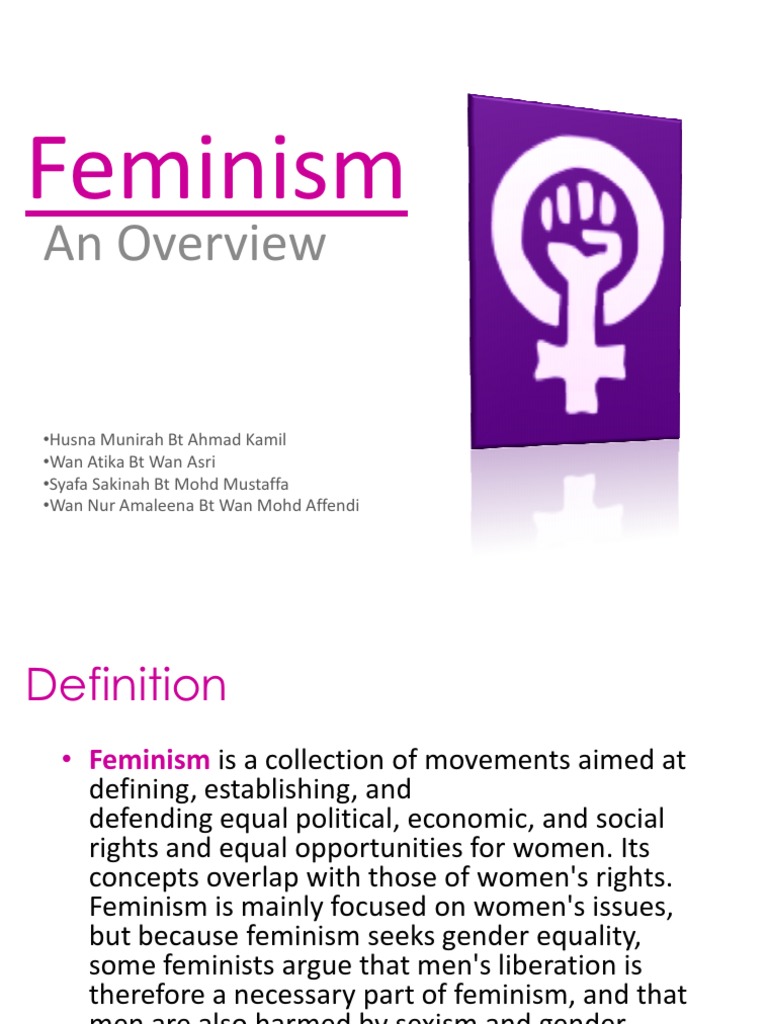
Let’s dive headfirst into the tempestuous ocean that is feminism. Forget the simplistic narratives, the watered-down definitions offered by those clinging to patriarchal life rafts. We’re charting a course through the 4 waves, a chronological odyssey of radical thought and action. Each wave, a seismic shift, a tsunami crashing against the ramparts of inequity. Prepare to get soaked.
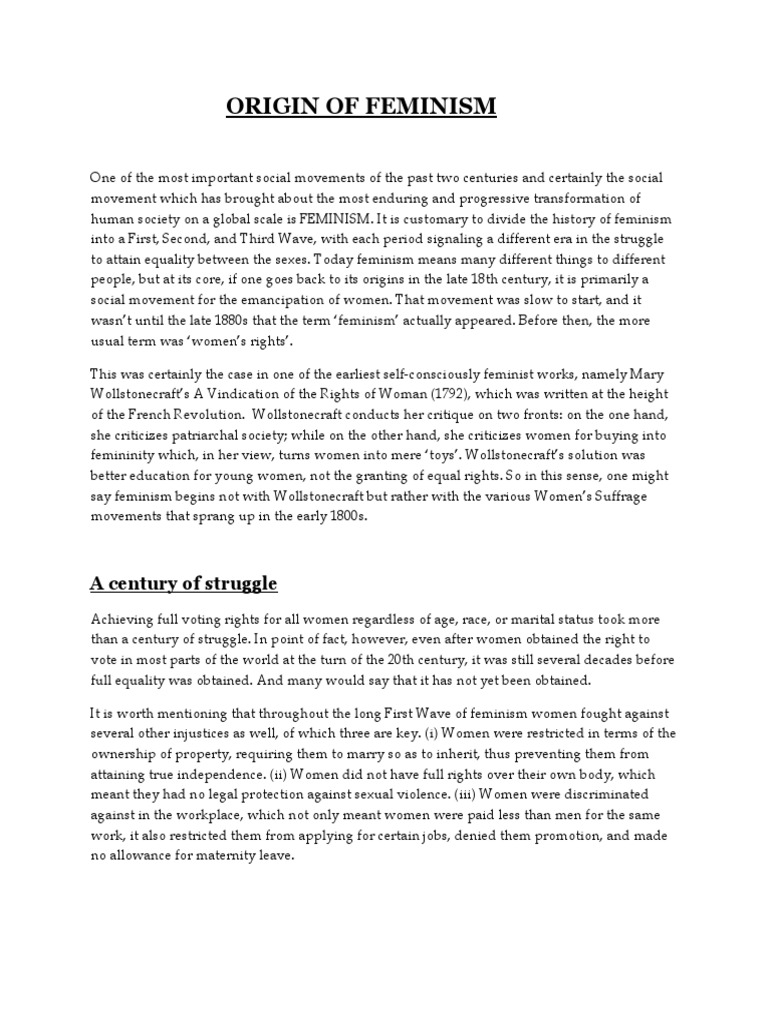
The First Wave: Suffrage and the Seeds of Discontent (Late 19th – Early 20th Century)
Imagine a world choked by corsets, both literal and metaphorical. Women, relegated to the domestic sphere, treated as property, their voices muffled, their intellect dismissed. The first wave, a rebellion against this suffocating reality, focused primarily on suffrage – the right to vote. But it was so much more. It was a burgeoning awareness of systemic oppression, a collective awakening to the blatant hypocrisy of a society that lauded freedom while denying it to half its population. It was a refusal to remain silent. A clarion call.
The Suffragettes: Militancy and Martyrdom
Think beyond gentle petitions and polite requests. The Suffragettes, particularly in Britain, were revolutionaries. Emmeline Pankhurst, a name that should be etched in every woman’s heart, led the Women’s Social and Political Union (WSPU), employing militant tactics – civil disobedience, property damage, hunger strikes – to force the government to listen. They were vilified, imprisoned, force-fed, and yet, they persisted. Their sacrifices, their unwavering dedication, paved the way for enfranchisement. Their spirit, a burning pyre of defiance.
However, the first wave wasn’t without its limitations. Its focus was largely on the concerns of white, middle-class women, often overlooking the unique challenges faced by women of color and working-class women. This is a crucial point. We must acknowledge the historical exclusion within feminist movements, a legacy that continues to demand our critical attention.
Key Figures and Landmark Achievements
Susan B. Anthony, Elizabeth Cady Stanton, Sojourner Truth – these are the titans upon whose shoulders we stand. Their activism, their writings, their unwavering commitment to equality, laid the foundation for subsequent generations of feminists. The 19th Amendment to the US Constitution in 1920, granting women the right to vote, was a monumental victory, a testament to their tireless efforts. But it was just the beginning. A mere crack in the dam.
The Second Wave: Beyond Suffrage – Liberation and Radicalism (1960s – 1980s)
The second wave emerged from the ashes of post-war America, a period of societal upheaval and burgeoning counter-culture movements. It expanded the feminist agenda beyond suffrage, challenging deeply ingrained patriarchal structures in all aspects of life – work, family, sexuality, and reproductive rights. This was a period of profound self-discovery. Women began questioning the very fabric of their existence.
The Personal is Political
This iconic phrase, coined by Carol Hanisch, encapsulated the core tenet of second-wave feminism. It recognized that seemingly personal issues – domestic violence, sexual harassment, unequal pay – were not isolated incidents but rather manifestations of systemic oppression. This realization was revolutionary. It transformed individual struggles into collective battles. It empowered women to speak their truths, to break the silence surrounding taboo subjects.
Radical Feminism and the Critique of Patriarchy
Radical feminists, like Andrea Dworkin and Catherine MacKinnon, launched a scathing critique of patriarchy, arguing that male dominance was the root cause of all female oppression. They challenged traditional gender roles, advocated for female autonomy, and exposed the pervasive nature of sexual violence. Their work was controversial, often polarizing, but undeniably impactful. They forced society to confront uncomfortable truths about power and control.
Reproductive Rights: A Battle for Bodily Autonomy
The fight for reproductive rights became a central focus of second-wave feminism. Access to contraception and safe, legal abortion were seen as essential for women’s control over their own bodies and their own destinies. The Roe v. Wade Supreme Court decision in 1973, legalizing abortion nationwide, was a landmark victory. But the battle continues to this day, as access to reproductive healthcare is constantly under attack. A never-ending tug-of-war.
Limitations and Criticisms
Like the first wave, the second wave was criticized for its lack of inclusivity. It primarily focused on the concerns of white, middle-class women, often neglecting the experiences of women of color, working-class women, and lesbian women. Furthermore, some radical feminist perspectives were criticized for being essentialist, portraying women as inherently different from men and reinforcing gender stereotypes. The movement was a tapestry of viewpoints, sometimes conflicting.
Key Figures and Landmark Achievements
Betty Friedan, Gloria Steinem, Angela Davis – these are the icons of the second wave. Friedan’s “The Feminine Mystique” sparked a national conversation about the dissatisfaction of suburban housewives. Steinem’s activism and journalism brought feminist ideas to a wider audience. Davis’s intersectional approach to feminism highlighted the interconnectedness of race, class, and gender oppression. Their legacies continue to inspire and challenge us.
The Third Wave: Intersectionality and Individual Expression (Early 1990s – 2010s)
The third wave emerged as a response to the perceived limitations and shortcomings of the second wave. It embraced intersectionality, recognizing that women’s experiences are shaped by a complex interplay of factors, including race, class, sexual orientation, and disability. It also emphasized individual expression and challenged traditional notions of femininity. This wave was a kaleidoscope of identities.
Intersectionality: A New Lens
Coined by Kimberlé Crenshaw, the term “intersectionality” revolutionized feminist thought. It highlighted the ways in which different forms of oppression intersect and create unique challenges for individuals who experience multiple forms of marginalization. This framework allowed for a more nuanced understanding of power dynamics and paved the way for more inclusive feminist activism. The world is not black and white, it is a spectrum of hues.
Challenging Gender Norms and Embracing Individual Expression
The third wave embraced a more fluid and diverse understanding of gender. It challenged traditional notions of femininity and masculinity, encouraging women to express themselves in ways that felt authentic to them. Riot Grrrl, a feminist punk subculture, emerged as a powerful force, using music and zines to express their anger and frustration with societal expectations. Rebellion in its purest form.
Cyberfeminism and the Digital Landscape
The rise of the internet provided new avenues for feminist activism. Cyberfeminism explored the potential of technology to challenge gender norms and create online spaces for women to connect and organize. Blogs, online forums, and social media platforms became powerful tools for sharing stories, raising awareness, and mobilizing action. The digital world, a new frontier for feminist expression.
Limitations and Criticisms
The third wave was criticized for being overly individualistic and lacking a cohesive political agenda. Some argued that its focus on personal expression detracted from the collective fight for social justice. Others criticized its embrace of consumerism and its tendency to prioritize individual empowerment over systemic change. The pendulum swung, sometimes too far.
Key Figures and Landmark Achievements
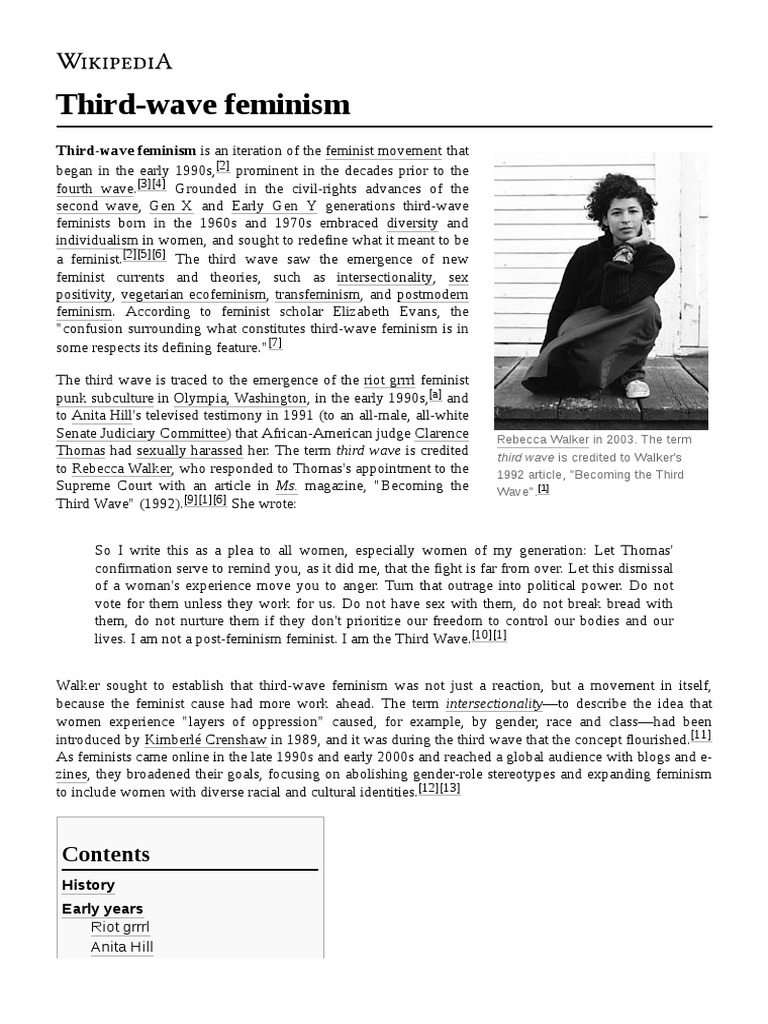
Rebecca Walker, Jennifer Baumgardner, Anita Hill – these are the voices of the third wave. Walker’s essay “Becoming the Third Wave” articulated the concerns of a new generation of feminists. Baumgardner and Amy Richards’s book “Manifesta: Young Women, Feminism, and the Future” provided a comprehensive overview of third-wave feminism. Hill’s testimony in the Clarence Thomas Supreme Court confirmation hearings brought the issue of sexual harassment to the forefront of national consciousness. Their bravery, a beacon in the darkness.
The Fourth Wave: Digital Activism and Global Solidarity (2010s – Present)
The fourth wave, fueled by social media and digital technology, is characterized by its global reach, its focus on intersectionality, and its use of online platforms to raise awareness, mobilize action, and challenge systemic oppression. This wave is a digital tsunami, sweeping across borders and connecting feminists around the world.
Social Media and the Power of Online Activism
Social media platforms like Twitter, Facebook, and Instagram have become powerful tools for feminist activism. Hashtags like #MeToo, #TimesUp, and #BlackLivesMatter have sparked global conversations about sexual harassment, gender inequality, and racial justice. Online petitions, crowdfunding campaigns, and digital protests have mobilized millions of people to take action. The internet, a global megaphone for feminist voices.
Intersectional Feminism and the Fight for Social Justice
The fourth wave embraces intersectionality as a core principle, recognizing that all forms of oppression are interconnected. It prioritizes the voices and experiences of marginalized communities and challenges systems of power that perpetuate inequality. This wave is a symphony of voices, each one contributing to a more just and equitable world.
Challenging Rape Culture and Promoting Consent
The fourth wave has brought renewed attention to the issue of rape culture, challenging societal attitudes that normalize sexual violence and blame victims. The #MeToo movement, sparked by allegations against Harvey Weinstein, exposed the pervasive nature of sexual harassment and assault across industries and empowered survivors to speak out. The fight for consent, a fundamental human right.
Limitations and Criticisms
The fourth wave has been criticized for its reliance on social media, with some arguing that online activism is superficial and ineffective. Others have raised concerns about the potential for online harassment and doxing. The digital world, a double-edged sword.
Key Figures and Landmark Achievements
Malala Yousafzai, Tarana Burke, Emma Watson – these are the faces of the fourth wave. Yousafzai’s activism for girls’ education has inspired millions around the world. Burke’s #MeToo movement has empowered survivors of sexual violence to speak out. Watson’s HeForShe campaign has engaged men and boys in the fight for gender equality. Their courage, a testament to the power of individual action.
The waves of feminism are not discrete entities but rather interconnected currents in a constantly flowing river. Each wave builds upon the achievements of its predecessors, while also addressing new challenges and evolving in response to changing social and political landscapes. The journey continues.
The fight for gender equality is far from over. We must continue to challenge patriarchal structures, amplify marginalized voices, and work towards a world where all people are treated with dignity and respect. The future of feminism is in our hands. Let’s make it a future worth fighting for. Let us continue to build the future, one brick at a time. It will be long and arduous, but we will prevail.





Leave a Comment