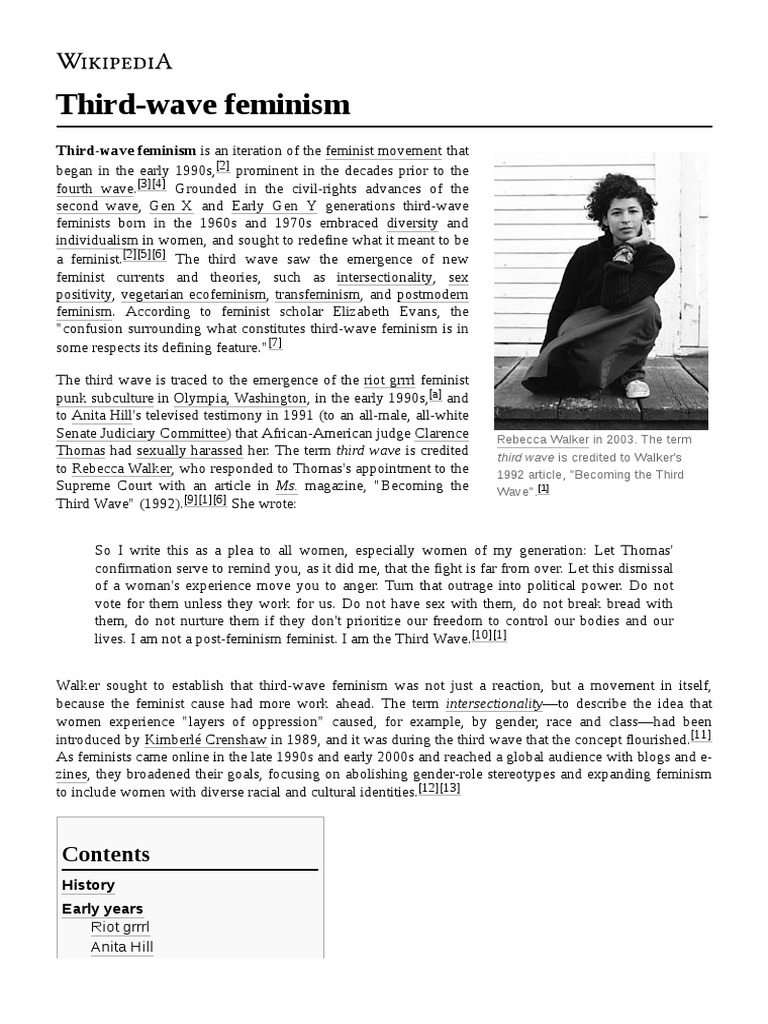
So, you think you know feminism? Please. Let’s peel back the layers of that dusty, monolithic “feminism” you’ve been spoon-fed and dive headfirst into the swirling vortex of Third Wave Feminism. Prepare to have your preconceived notions obliterated. This isn’t your grandmother’s bra-burning movement (though honestly, more power to her if she did). This is an insurgency. A kaleidoscopic revolution forged in the fires of intersectionality, challenging everything you thought you knew about gender, power, and liberation.
Forget the tidy narratives. Third Wave Feminism laughs in the face of simple definitions. It’s a shapeshifter, a chameleon, a glorious, messy, and often contradictory beast. We’re talking about a movement that recognized the inherent flaws in previous iterations, acknowledging that the experiences of white, middle-class women were not – and could never be – representative of the whole. Third Wave Feminism explodes the myth of a singular “woman’s experience.” It’s about recognizing that gender is just one facet of a complex, multifaceted identity. Get ready, because we’re about to unpack this intellectual baggage.
I. The Shattered Mirror: A Critique of Second Wave Feminism
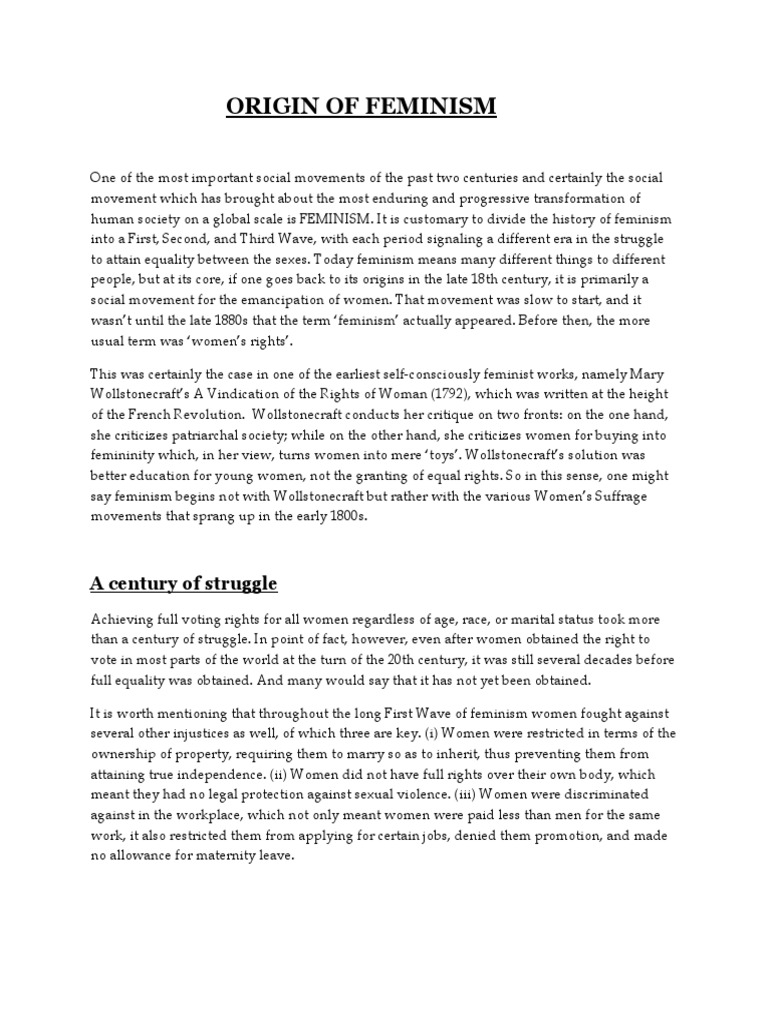
Let’s not mince words. Second Wave Feminism, while groundbreaking in its time, suffered from a crippling case of homogeneity. Its focus on universal sisterhood glossed over the very real differences between women, effectively silencing marginalized voices. Think about it: How can you advocate for “women’s rights” when you’re only talking about a select few? It’s a rhetorical question. The answer is self-evident.
Consider these fractures in the mirrored façade of Second Wave Feminism:
- The Myth of the Universal Woman: This dangerous assumption ignored the diverse realities of women of color, queer women, disabled women, and women from different socioeconomic backgrounds. It’s a slap in the face to assume that all women face the same challenges and have the same priorities. A myopic view is always a dangerous view.
- Essentialism Under Fire: The idea that there is an inherent, essential “feminine” nature was rightly challenged. Third Wave Feminists argued that gender is a social construct, not a biological imperative. You are not born a “woman,” you become one. Or, you become something entirely different and equally valid.
- Limited Focus on Intersectionality: While Second Wave Feminism touched on some aspects of social justice, it often failed to fully grasp the interconnectedness of various forms of oppression. It was the start of something, sure. But the Third Wave took it to a new level.
The consequence? Women of color and other marginalized groups found themselves excluded from the conversation, their experiences deemed secondary or even irrelevant. This is intellectual colonialism and it will not stand. Third Wave Feminism arose as a direct response to this exclusionary behavior, demanding that all voices be heard and valued.
II. Intersectionality: The Cornerstone of Third Wave Feminism
Enter intersectionality, the intellectual grenade launched by Kimberlé Crenshaw that forever changed the landscape of feminist thought. Intersectionality acknowledges that individuals experience oppression based on a complex interplay of various social categories, including race, gender, class, sexual orientation, and disability. These categories are not mutually exclusive; they intersect and create unique experiences of discrimination and privilege.
Think of it like this: a Black woman doesn’t experience sexism and racism as separate entities. She experiences them simultaneously, in a way that is distinct from the experiences of a white woman or a Black man. Her identity is not simply the sum of its parts; it is a complex and nuanced whole. Short sentences are great for impact.
Intersectionality forces us to confront the uncomfortable reality that oppression is not a one-size-fits-all phenomenon. It demands that we acknowledge the privilege that some women hold over others and that we work to dismantle all forms of oppression, not just those that affect us directly. This is not about playing the oppression Olympics. It’s about building a truly inclusive and equitable society.
Here are some critical aspects of Intersectionality:
- Recognizing Interlocking Systems of Oppression: Acknowledging that racism, sexism, classism, homophobia, and other forms of oppression are interconnected and mutually reinforcing. These systems are not silos; they are intricately woven together.
- Centering Marginalized Voices: Prioritizing the experiences and perspectives of those who are most marginalized by these systems. Listen to those who have been systematically silenced. Their voices are essential.
- Challenging Power Structures: Working to dismantle the power structures that perpetuate inequality and injustice. This requires more than just individual acts of resistance. It requires systemic change.
III. Identity Politics: Claiming Agency and Challenging Norms
Identity politics, often misunderstood and maligned, is a crucial component of Third Wave Feminism. It’s not about creating divisions or playing victim. It’s about reclaiming agency and challenging the dominant narratives that have historically marginalized certain groups. This is about owning your story and refusing to let others define you.
Third Wave Feminists embraced identity politics as a way to assert their right to self-definition and to challenge the heteronormative, patriarchal norms that had long dictated their lives. It’s about recognizing that your identity is not something to be ashamed of; it is a source of strength and resilience. Embrace your identity. Celebrate your individuality.
Consider these key elements of Identity Politics within Third Wave Feminism:
- Reclaiming Labels: Taking control of derogatory labels and turning them into badges of honor. Think of the reclamation of the word “slut” or the embrace of the term “queer.” It’s about refusing to be defined by your oppressors.
- Creating Safe Spaces: Establishing communities where marginalized individuals can feel safe, supported, and empowered. These spaces are vital for healing and resistance.
- Amplifying Marginalized Voices: Ensuring that the voices of marginalized individuals are heard and amplified in the mainstream. This requires actively seeking out and supporting marginalized artists, writers, activists, and leaders.
IV. Radical Change: Disrupting the Status Quo
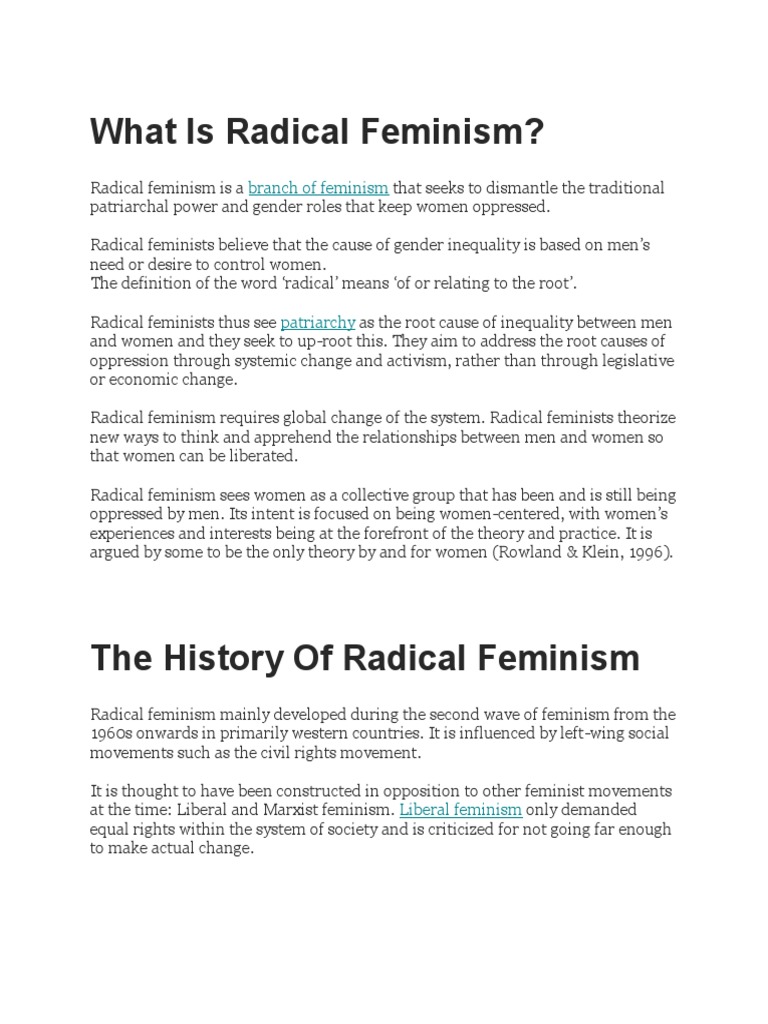
Third Wave Feminism is not about incremental reforms or polite suggestions. It’s about radical change. It’s about dismantling the systems of oppression that permeate every aspect of our lives, from the workplace to the media to our personal relationships. This is not a game. This is a fight for survival. It is a call to arms.
This wave isn’t afraid to challenge the status quo, to question authority, and to disrupt the established order. It recognizes that true equality requires a fundamental transformation of society, not just a few minor adjustments. The revolution will not be televised. It will be tweeted, blogged, and livestreamed.
Examine these avenues for radical change:
- Challenging Rape Culture: Working to dismantle the attitudes and beliefs that normalize and excuse sexual violence. This requires a multifaceted approach, including education, advocacy, and legal reform.
- Promoting Body Positivity: Challenging unrealistic beauty standards and promoting body acceptance for all. This is about reclaiming our bodies and celebrating our diversity.
- Advocating for Reproductive Justice: Fighting for access to safe, affordable, and comprehensive reproductive healthcare for all women. This is not just about abortion; it’s about the right to control our own bodies and our own futures.
- Critiquing Consumer Culture: Examining the ways in which consumer culture perpetuates harmful gender stereotypes and reinforces patriarchal values. It is a toxic stew.
- Promoting Transgender Rights: Recognizing that trans rights are human rights and advocating for the full inclusion and equality of transgender individuals. This is about embracing diversity in all its forms.
V. The Ever-Evolving Landscape: Where Do We Go From Here?
Third Wave Feminism is not a static entity. It is constantly evolving and adapting to the changing needs of society. As new challenges arise, feminists continue to develop new strategies and approaches to achieve equality and justice.
The rise of the internet and social media has created new opportunities for feminist activism and organizing. Online communities provide a space for marginalized voices to be heard and for individuals to connect and collaborate on projects. Think of the power of hashtags like #MeToo and #BlackLivesMatter. They are testaments to the power of online activism.
However, the internet also presents new challenges, such as online harassment and the spread of misinformation. Feminists must be vigilant in combating these threats and in ensuring that the internet remains a safe and inclusive space for all.
The fight for gender equality is far from over. There are still many battles to be fought and many victories to be won. But with the passion, creativity, and resilience of Third Wave Feminists, the future looks brighter than ever. The fight will continue. The resistance will grow. The revolution will be feminized.
So, are you ready to join the insurgency? To dismantle the patriarchy, brick by bloody brick? The choice, dear reader, is yours. But be warned: once you’ve tasted the radical possibilities of Third Wave Feminism, there’s no turning back. You have been warned.






Leave a Comment