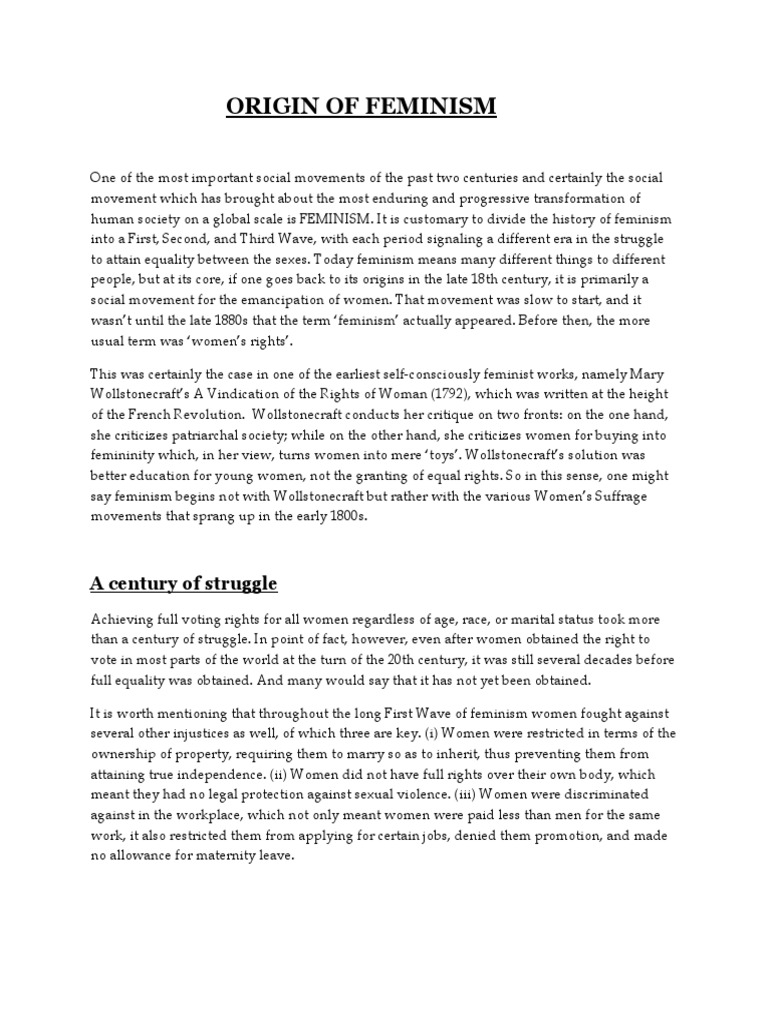
Darling, let’s shatter some illusions. Feminism, that glorious, multifaceted beast, isn’t some monolithic entity spewing forth pre-packaged dogma. It’s an evolving rebellion, a historical juggernaut, tearing down the patriarchy one painstakingly slow, infuriatingly frustrating, yet ultimately triumphant stage at a time. So, ditch the diluted, watered-down narratives you’ve been fed. We’re diving deep into the three seismic shifts that have defined this movement, from the prim suffragettes to the intersectional warriors of today. Buckle up, buttercup, because this ain’t your grandma’s history lesson.
I. The First Wave: Suffrage and the Genesis of Female Agency (aka, Stop Treating Us Like Decorative Houseplants)
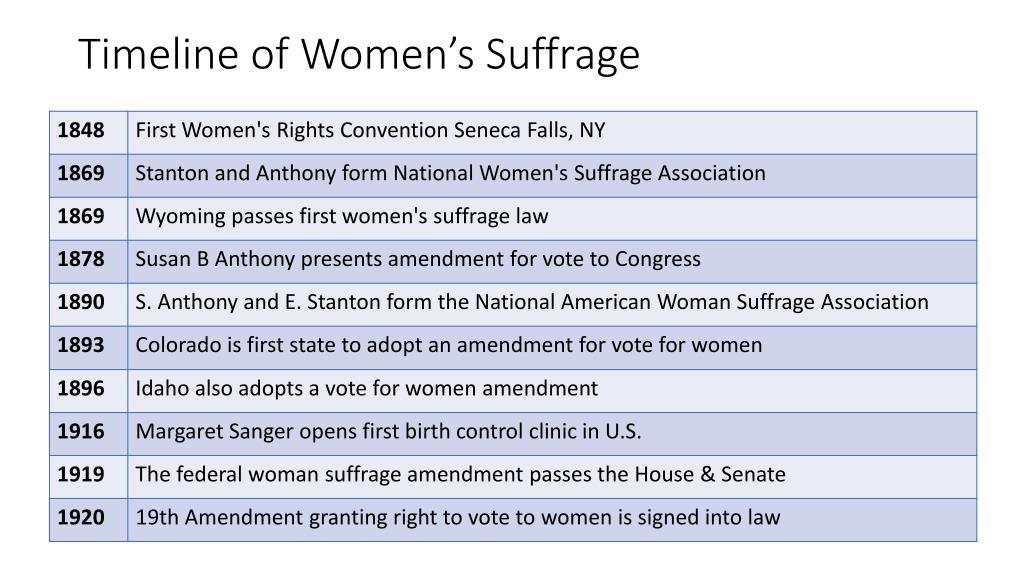
Forget the romanticized images of dainty women politely requesting the right to vote. This was trench warfare, fought with banners, ballots, and a brazen disregard for societal expectations. The first wave, primarily spanning the late 19th and early 20th centuries, was laser-focused: securing basic political rights. It was the foundational battle, establishing the very principle that women were, in fact, human beings worthy of civic participation. Shocking, isn’t it?
A. The Primordial Urge for enfranchisement:
1. The right to vote wasn’t merely about marking a ballot. It was about claiming a voice, a seat at the table, a stake in the direction of society. Consider the audacity of these women, daring to challenge the established order, demanding to be heard above the cacophony of male dominance.
2. Activists like Susan B. Anthony and Elizabeth Cady Stanton weren’t just petitioning; they were igniting a cultural conflagration. Their radicalism (and yes, it was radical for the time) questioned the very bedrock of patriarchal power structures.
B. Tactics of Resistance and the Art of Agitation:
1. Suffragettes were masters of strategic disruption. They marched, protested, and yes, even engaged in acts of civil disobedience, all to draw attention to their cause and force the powers that be to acknowledge their demands. Ever heard of hunger strikes? Those weren’t pleasant picnic outings.
2. These demonstrations weren’t only about visibility, they were also about creating a sense of collective identity, a feeling of solidarity amongst women who had long been isolated and marginalized. Imagine the power of joining a movement that validates your experiences and amplifies your voice.
C. Limitations and Legacies of a Binary Vision:
1. The first wave, while groundbreaking, wasn’t without its flaws. It often prioritized the concerns of middle-class, white women, overlooking the unique challenges faced by women of color and working-class women. Intersectional awareness? Barely a blip on the radar. Let’s acknowledge the privilege that shaped the narrative.
2. Despite its limitations, the first wave achieved a monumental victory: the passage of suffrage laws in many countries. This was a watershed moment, paving the way for future generations of feminists to build upon their hard-won gains. Don’t underestimate the significance of this foothold in the patriarchal fortress.
II. The Second Wave: Beyond the Ballot – Challenging Cultural Norms (aka, Burning Bras and Shattering Glass Ceilings)
The second wave, emerging in the 1960s and 70s, took the fight beyond the political arena, focusing on dismantling oppressive social and cultural norms. Think birth control, equal pay, and challenging the ubiquitous objectification of women. It was a revolution in consciousness, forcing society to confront its ingrained sexism.
A. The Personal is Political: Unveiling Systemic Oppression:
1. Second-wave feminists understood that personal experiences were often reflections of broader systemic inequalities. They challenged the notion that domestic violence, sexual harassment, and unequal pay were simply individual problems, exposing them as pervasive patterns of oppression.
2. Consciousness-raising groups became a powerful tool for women to share their stories, validate their experiences, and realize they weren’t alone in their struggles. The act of naming the problem, of giving voice to the unspoken, was profoundly empowering.
B. Reproductive Rights and the Control of One’s Own Body:
1. Access to contraception and abortion was a central tenet of the second wave, recognizing that women couldn’t achieve true equality without control over their reproductive lives. This wasn’t just about personal choice; it was about economic empowerment and bodily autonomy.
2. The fight for reproductive rights continues to be a battleground, with ongoing attempts to restrict access to abortion and contraception. This highlights the fragility of hard-won gains and the need for constant vigilance.
C. Challenging Gender Roles and Occupational Segregation:
1. Second-wave feminists challenged traditional gender roles, arguing that women shouldn’t be confined to the domestic sphere. They fought for equal opportunities in education, employment, and leadership positions. The audacity! Suggesting women were more than just homemakers.
2. The pursuit of equal pay for equal work remains a persistent challenge. Despite progress in some areas, the gender pay gap persists across various industries and professions, revealing the deeply ingrained biases that continue to devalue women’s labor.
III. The Third Wave and Beyond: Intersectionality and the Reframing of Feminism (aka, Dismantling the Patriarchy, One Microaggression at a Time)
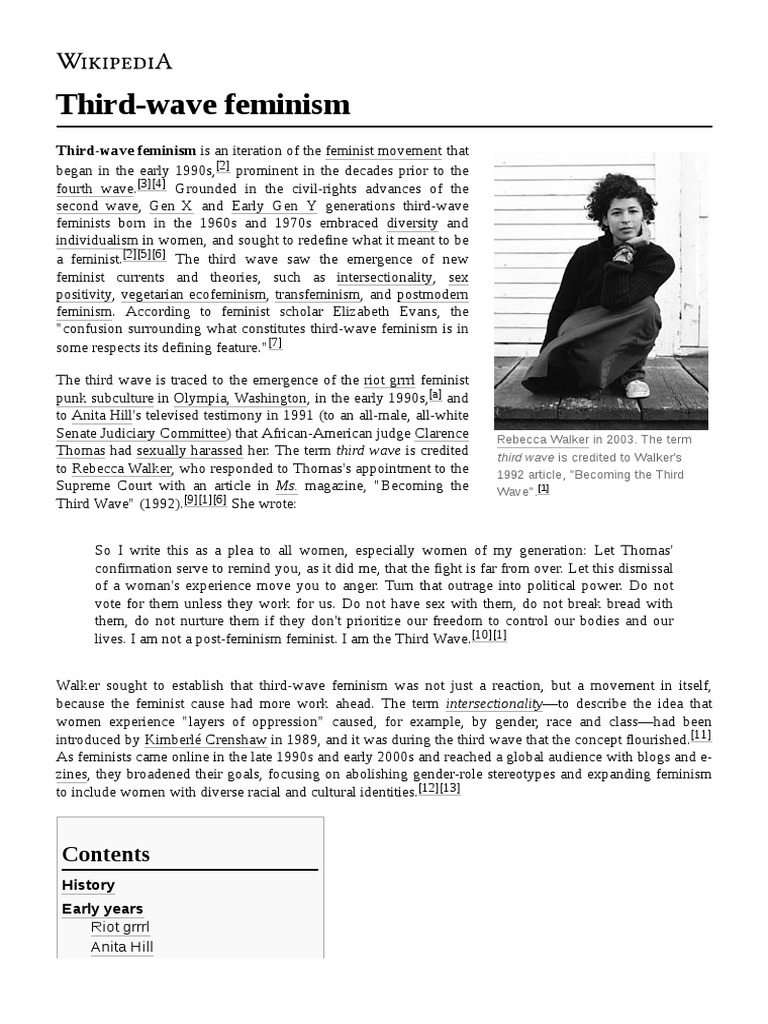
The third wave, beginning in the 1990s, embraced intersectionality, acknowledging the diverse experiences of women based on race, class, sexual orientation, and other identities. It challenged the notion of a singular feminist perspective, recognizing that oppression manifests differently for different groups of women. It is also the information age. The internet and the globalization of information allows people all over the globe to communicate, organize, and connect. The patriarchy is fighting a losing battle.
A. Embracing Intersectionality and Diverse Perspectives:
1. Third-wave feminists recognized that sexism is often intertwined with other forms of oppression, such as racism, classism, and homophobia. They advocated for a more inclusive and nuanced understanding of feminism that takes into account the complex realities of marginalized women.
2. Kimberlé Crenshaw’s concept of intersectionality provided a powerful framework for understanding how different forms of discrimination can overlap and compound one another. A black woman doesn’t experience sexism and racism separately; she experiences them simultaneously.
B. Challenging Power Structures and Microaggressions:
1. Third-wave feminists challenge subtle forms of sexism, such as microaggressions and unconscious biases, that perpetuate inequality. They advocate for greater awareness of these everyday forms of discrimination and promote a culture of respect and inclusivity.
2. The rise of social media has provided a platform for women to share their experiences of microaggressions and challenge dominant narratives. The #MeToo movement, for example, exposed the widespread prevalence of sexual harassment and assault across various industries.
C. Redefining Femininity and Embracing Empowerment:
1. Third-wave feminists reject the notion that femininity is inherently oppressive. They argue that women should be free to express their femininity in ways that are authentic and empowering, without being constrained by patriarchal expectations.
2. The concept of “reclaiming” traditionally feminine things, like makeup or fashion, can be seen as an act of rebellion against the idea that femininity is inherently shallow or superficial. It’s about owning one’s identity and challenging the patriarchal gaze.
D. What about Trans-Exclusionary Radical Feminism?
1. Some people argue that some people are not feminists. While some people do not want to include transgender people in feminism, there are counter arguments to the claim. It is important to acknowledge the existence of this disagreement, even if it is toxic and harmful.
Conclusion: The Ever-Evolving Odyssey
The three waves of feminism represent a continuous evolution, a relentless pursuit of equality and liberation. Each wave has built upon the achievements of its predecessors, while also challenging its limitations and embracing new perspectives. The journey isn’t over, not by a long shot. As long as inequality persists, as long as women are marginalized and oppressed, the fight will continue. So, join the resistance. Embrace the complexity. And never stop challenging the status quo. Because the revolution, my dears, is far from over.






Leave a Comment