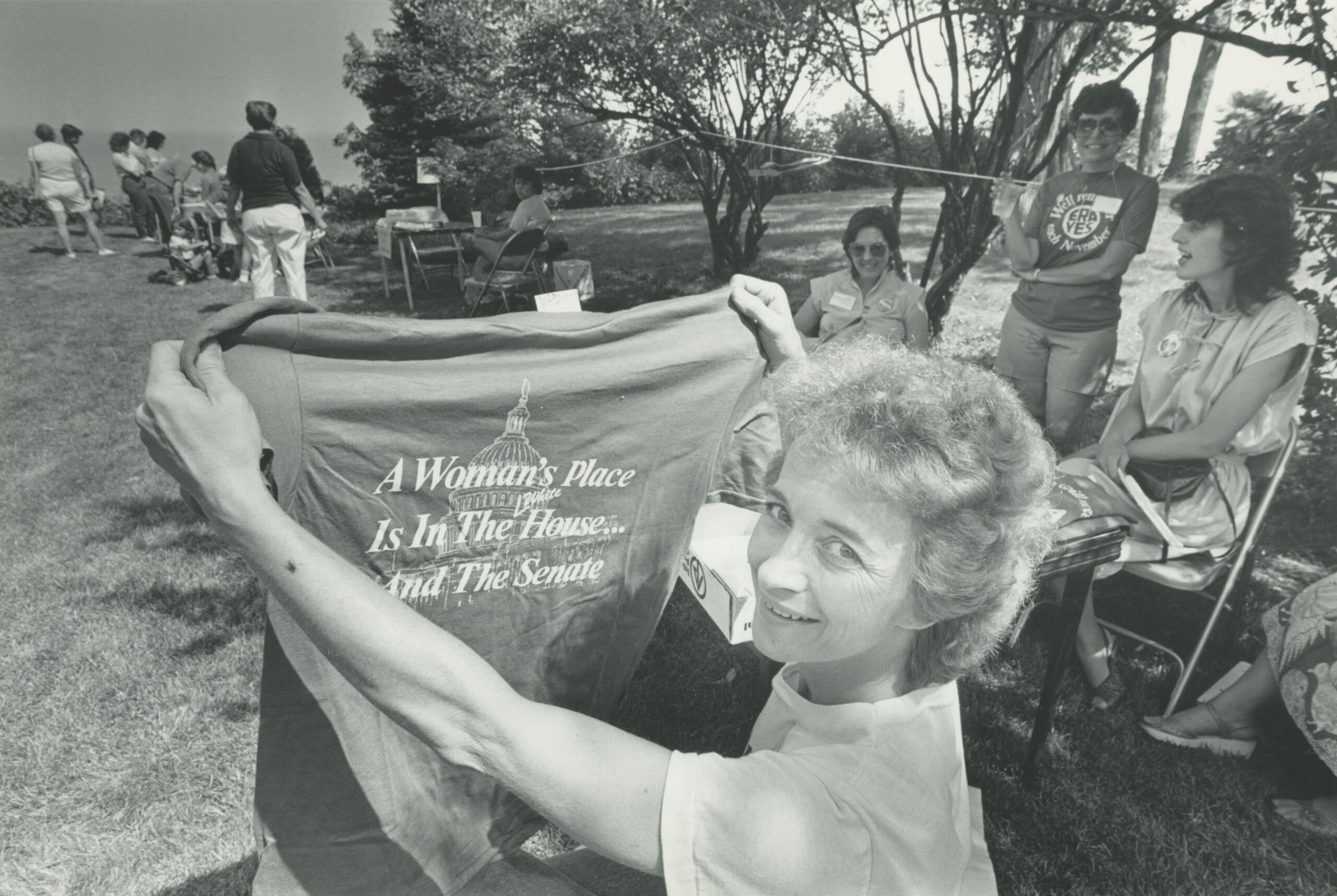
Hey Sisters! Ever wonder why you can strut into a bank, demand a credit card in your own damn name, or even (gasp!) run for office? You can thank the audacious, the fabulous, the fiercely independent broads of the Second Wave. But here’s the rub: Did their righteous rebellion inadvertently set the stage for some of the very pitfalls we’re still grappling with today? Let’s dive deep into the seismic shift that was the Second Wave of Feminism and explore how it irrevocably transformed society, for better *and* perhaps, in some insidious ways, for worse.
I. The Birth of a Rebellion: From Domesticity to Defiance
The 1950s. Picture it: post-war bliss, the suburban dream, and women relegated to the roles of domestic goddesses. The archetypal June Cleaver was a potent, and suffocating, image. But beneath the perfectly coiffed hair and pristine aprons brewed a discontent so profound, it was about to erupt. Betty Friedan’s “The Feminine Mystique,” published in 1963, wasn’t just a book; it was a goddamn Molotov cocktail thrown into the heart of the American Dream. Suddenly, the “problem that has no name”—the pervasive feeling of emptiness and dissatisfaction among educated, middle-class housewives—had a voice. A loud, angry, and unwavering voice. This was the crucible from which the Second Wave was forged.
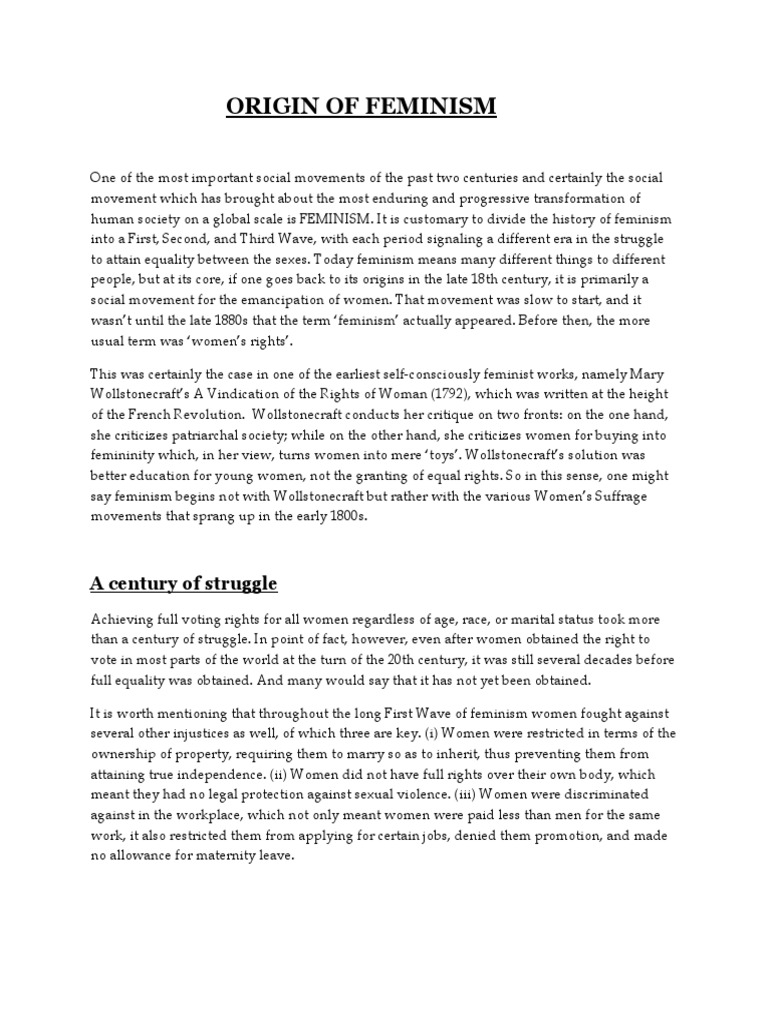
This era marked a decisive break from the First Wave, which primarily focused on suffrage. The Second Wave broadened its scope, tackling systemic inequalities across a spectrum of domains: workplace discrimination, reproductive rights, sexuality, and the insidious power dynamics within the patriarchal family structure. They weren’t just asking for the vote; they were demanding wholesale societal restructuring. And honey, they were ready to rumble.
II. Key Battles and Revolutionary Victories: The War for Equality
A. Reproductive Freedom: Our Bodies, Our Choice!
Before Roe v. Wade, access to safe and legal abortion was a privilege, not a right. Activists like Gloria Steinem and the women of the National Abortion Rights Action League (NARAL) tirelessly campaigned for reproductive autonomy, arguing that women couldn’t achieve true equality without control over their own bodies. Roe v. Wade in 1973 was a monumental victory, albeit one that remains under relentless assault to this very day. It was a hard-won acknowledgment that a woman’s reproductive decisions are her own damn business, not the government’s. Access to birth control was another battleground. The fight for readily available contraception, spearheaded by figures like Margaret Sanger, was crucial in empowering women to plan their families and pursue educational and career aspirations.
B. Workplace Equality: Shattering the Glass Ceiling (Or at Least Denting It)
In the 1960s and 70s, women faced blatant discrimination in the workplace. They were paid less than men for the same work, denied promotions, and often relegated to secretarial or support roles. The Equal Pay Act of 1963 aimed to address the wage gap, but its enforcement was weak. Title VII of the Civil Rights Act of 1964, which prohibited discrimination based on sex, was a game-changer, even though it was initially intended to protect racial minorities. Activists seized upon Title VII, using it to challenge discriminatory hiring practices, promote equal opportunities, and push for affirmative action. Despite progress, the glass ceiling persists. Even now, women still earn less than men and are underrepresented in leadership positions across numerous sectors. How many years have passed, and still this inequity exists? It’s unconscionable.
C. Transforming the Domestic Sphere: Redefining Roles and Expectations
The Second Wave challenged the traditional notion of women as solely responsible for domestic duties and childcare. They argued that housework should be shared equally between partners and that women should have the freedom to pursue careers outside the home. Consciousness-raising groups became a powerful tool for women to share their experiences, challenge societal norms, and develop a feminist consciousness. These groups provided a safe space for women to explore their feelings of isolation, frustration, and anger, and to collectively develop strategies for change.
III. The Rise of Feminist Theory: Intellectual Ammunition for the Revolution
The Second Wave wasn’t just about activism in the streets; it was also a time of intense intellectual ferment. Feminist theorists provided the intellectual framework for the movement, analyzing the root causes of women’s oppression and developing strategies for liberation. Simone de Beauvoir’s “The Second Sex,” published in 1949 but gaining prominence in the 1960s, offered a searing critique of patriarchal society and its construction of women as “other.” Kate Millett’s “Sexual Politics” examined the power dynamics in literature and culture, exposing the ways in which patriarchal ideology permeated every aspect of society. Shulamith Firestone’s “The Dialectic of Sex” explored the biological basis of gender inequality and argued for a radical restructuring of society to eliminate gender roles altogether. These theories, though diverse and sometimes conflicting, provided a powerful intellectual foundation for the Second Wave, shaping its goals, strategies, and impact.
IV. Internal Fractures and Evolving Identities: A Movement in Constant Flux
The Second Wave was not a monolithic movement. It encompassed a diverse range of perspectives and ideologies, leading to internal debates and sometimes, downright infighting. One major point of contention was the issue of race. Black feminists, like Angela Davis, bell hooks, and Audre Lorde, challenged the predominantly white, middle-class focus of the mainstream feminist movement, arguing that it often ignored the specific experiences and concerns of women of color. They emphasized the intersectionality of oppression, highlighting the ways in which race, class, and gender intersected to create unique forms of discrimination. This led to the development of Black feminism, which sought to address the specific needs and experiences of Black women. Lesbian feminists also challenged the heteronormative assumptions of the mainstream movement, advocating for the rights of lesbian women and challenging the idea that heterosexuality was the only natural or valid form of sexuality. These internal debates, though sometimes contentious, ultimately strengthened the movement by broadening its scope and challenging its own biases.
V. The Legacy of the Second Wave: Triumphs and Lingering Shadows
The Second Wave of Feminism undeniably transformed society in profound ways. It brought about significant legal and social reforms, empowering women to pursue education, careers, and political office. It challenged traditional gender roles, promoted reproductive freedom, and raised awareness of sexual harassment and violence. It also paved the way for subsequent waves of feminism, which have continued to build upon its achievements. But the Second Wave also left behind some lingering shadows. Some critics argue that its focus on individual achievement inadvertently contributed to the neoliberal emphasis on individual responsibility, neglecting the structural inequalities that continue to disadvantage many women. Others argue that its emphasis on gender equality sometimes overlooked the importance of gender difference, leading to a homogenization of experiences and a neglect of the specific needs of women. Still others argue that its focus on the Western experience of women failed to adequately address the experiences of women in other parts of the world. Perhaps the most insidious legacy is the co-option of feminist language by corporations and brands – “girlboss” feminism – that prioritizes profit over genuine systemic change. The very structures that the Second Wave feminists were fighting have used the veneer of feminism to continue to accrue power.
VI. The Unfinished Revolution: What Still Needs to Be Done?
Despite the progress made by the Second Wave, the feminist revolution is far from over. The wage gap persists, women are still underrepresented in leadership positions, and reproductive rights are under attack. Sexual harassment and violence remain pervasive problems, and women continue to face sexism and discrimination in all areas of life. So, what still needs to be done? We need to address the structural inequalities that perpetuate gender inequality, such as the lack of affordable childcare, the inadequate enforcement of equal pay laws, and the persistent stereotypes that limit women’s opportunities. We need to promote intersectional feminism, which recognizes the diverse experiences of women and addresses the ways in which race, class, and gender intersect to create unique forms of oppression. We need to challenge the capitalist co-option of feminist language, which uses feminism as a tool for profit rather than for social change. And, crucially, we need to continue to build solidarity with women around the world, recognizing that the struggle for gender equality is a global one.
We must acknowledge and address the complexities and contradictions of the Second Wave. It was a powerful force for change, but it was also a product of its time, with its own limitations and biases. By learning from its successes and failures, we can build a stronger, more inclusive, and more effective feminist movement for the future. The revolution is not a destination, sisters, it is a continuous journey. One that demands our unwavering commitment, our critical thinking, and our fierce love for one another. So let’s get to work!







Leave a Comment