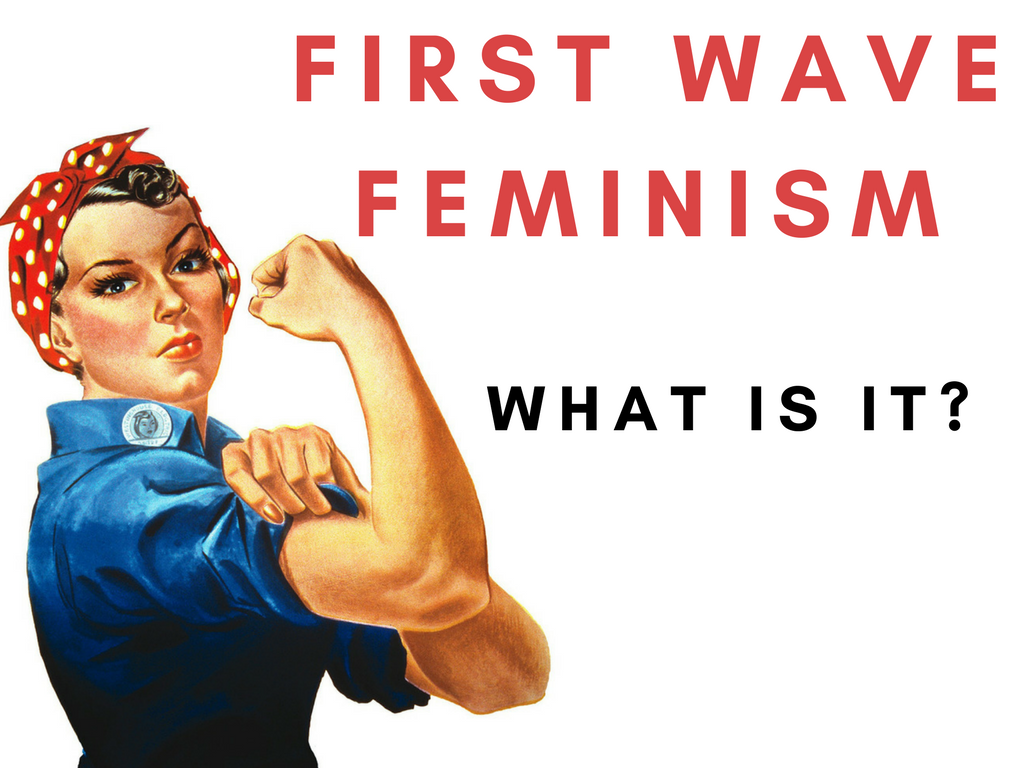
Let’s be honest, shall we? You think you know feminism. Pop anthems, angry tweets, maybe even a bra burning or two conjured in your mind’s eye. But I’m here to tell you, sweetheart, that’s the Instagram filter on a movement that began with women who quite literally clawed their way into the historical record. We’re diving deep, beyond the superficial, into the trench warfare of the First Wave. Forget the polite narratives. We’re excavating the grit, the grime, and the glorious, messy beginnings of the fight for equality.
Prepare to have your preconceptions detonated. We’re not just talking about corsets and quaint petitions. This was a revolution, a seismic shift in the tectonic plates of societal power. So, buckle up, buttercup. It’s time to truly understand where it all began.
I. Genesis: The Crucible of Discontent
Before we even utter the hallowed word “feminism,” we need to acknowledge the suffocating atmosphere from which it sprung. Picture a world where a woman’s existence was, legally and socially, an extension of her father, then her husband. No independent property rights. Limited access to education. Careers? Don’t be absurd! Her domain was the domestic sphere, and woe betide the woman who dared to venture beyond its gilded cage.
Think about the sheer, crushing weight of that societal expectation. The lack of autonomy. The enforced silence. It’s enough to drive anyone to insurrection, isn’t it? This wasn’t merely about wanting “more.” It was about wanting anything. About wanting a voice. About wanting to be recognized as a sentient being, not just a broodmare or a household ornament. It was a profound existential yearning.
And from this yearning, a spark ignited. Not a single, solitary spark, mind you, but a constellation of burgeoning resentments. The early abolitionist movement provided fertile ground, with women like Sojourner Truth and the Grimké sisters recognizing the parallels between the oppression of enslaved people and the subjugation of women. The temperance movement offered another avenue for women to flex their nascent political muscles, fighting against the societal ills caused by alcohol abuse. These weren’t explicitly feminist movements, but they were crucial training grounds, spaces where women could organize, strategize, and find their collective voice.
II. The Suffrage Surge: Beyond Bonnets and Tea Parties
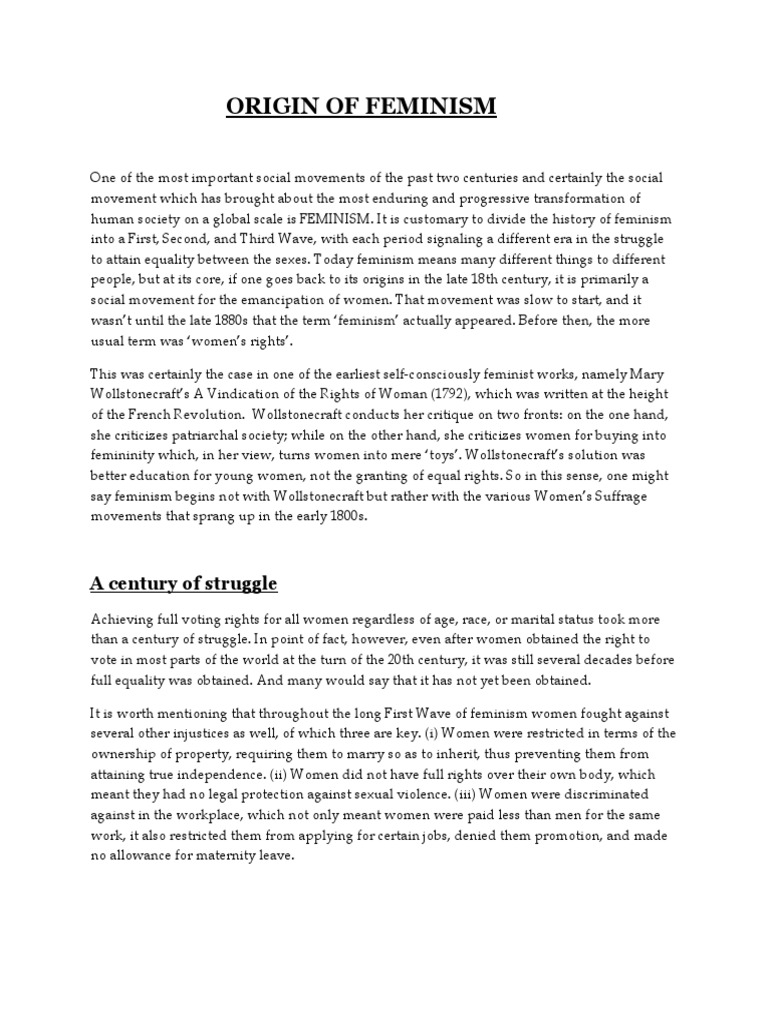
Let’s dispense with the sanitized image of suffragettes as delicate ladies in white dresses politely requesting the right to vote. The reality was far more radical. These were women who faced ridicule, imprisonment, and even physical violence for daring to challenge the status quo. Suffrage was not merely a political goal; it was a symbol of women’s personhood, their right to participate in the shaping of their own destinies.
The movement was a tapestry woven from diverse threads. You had the National Woman Suffrage Association (NWSA), led by the indomitable duo of Susan B. Anthony and Elizabeth Cady Stanton, advocating for a broad range of reforms, including property rights, divorce law reform, and equal pay. Their approach was often confrontational, unafraid to challenge the very foundations of patriarchal power.
Then there was the American Woman Suffrage Association (AWSA), which took a more state-by-state approach, focusing primarily on securing the vote. While often perceived as more moderate, they were no less committed to the cause. The key figures included Lucy Stone and Henry Blackwell, who believed in a gradual, incremental approach to achieving suffrage.
These two organizations, despite their differences, eventually merged in 1890 to form the National American Woman Suffrage Association (NAWSA). But the fight continued, with tactics ranging from peaceful protests and parades to civil disobedience and even acts of sabotage. The suffragettes were masters of propaganda, using pamphlets, newspapers, and public speeches to sway public opinion. They understood the power of imagery, crafting a visual identity that challenged Victorian ideals of femininity.
III. More Than the Vote: A Multifaceted Movement
To reduce the First Wave to simply the suffrage movement is to fundamentally misunderstand its scope. The struggle for the vote was undeniably central, but it was intertwined with a host of other concerns: economic independence, access to education, reproductive rights, and the dismantling of patriarchal structures in all spheres of life.
Consider the fight for educational opportunities. Women were systematically denied access to higher education, deemed intellectually inferior and incapable of rigorous academic pursuits. Figures like Emma Willard and Mary Lyon challenged these assumptions, founding schools and colleges that provided women with the intellectual tools to compete in a male-dominated world. These institutions were not just places of learning; they were incubators of feminist thought, spaces where women could develop their intellectual prowess and forge a collective identity.
The struggle for economic independence was equally crucial. Women were relegated to low-paying, menial jobs, often working long hours in dangerous conditions. The burgeoning labor movement provided opportunities for women to organize and fight for fair wages and better working conditions. Figures like Rose Schneiderman and Clara Lemlich spearheaded strikes and protests, demanding recognition for the contributions of women workers. The Triangle Shirtwaist Factory fire in 1911, a horrific tragedy that claimed the lives of over 140 garment workers, exposed the brutal realities of industrial labor and galvanized the movement for workplace safety regulations.
And let’s not forget the courageous advocates for reproductive rights, who dared to challenge the prevailing moral codes that dictated women’s reproductive lives. Margaret Sanger, a pioneer in the birth control movement, faced imprisonment and censorship for her advocacy. But she persisted, believing that women should have the right to control their own bodies and determine their own destinies. Her work laid the foundation for the modern reproductive rights movement.
IV. Internal Schisms: The Complicated Truth
The First Wave, like any social movement, was not without its internal contradictions and tensions. Race, class, and ideology often divided the movement, revealing the complex and sometimes uncomfortable truths about privilege and exclusion.
The issue of race was particularly fraught. While many white suffragettes advocated for universal suffrage, they often prioritized the needs of white women over those of Black women. Black women were often excluded from suffrage organizations and faced discrimination at polling places. Figures like Ida B. Wells-Barnett and Mary Church Terrell challenged this racism, founding their own organizations and fighting for the rights of Black women. They understood that the struggle for women’s rights was inextricably linked to the struggle for racial justice.
Class divisions also played a significant role. The suffrage movement was often dominated by middle-class and upper-class women, who sometimes failed to recognize the needs and concerns of working-class women. Socialist feminists like Emma Goldman and Elizabeth Gurley Flynn argued that true liberation required not only political equality but also economic justice. They challenged the capitalist system and advocated for a more equitable distribution of wealth and power.
These internal schisms remind us that the pursuit of equality is never a simple or straightforward process. It requires constant self-reflection, a willingness to challenge our own biases, and a commitment to inclusivity.
V. Legacy: A Foundation For the Future
The First Wave of feminism culminated in the passage of the 19th Amendment in 1920, granting women the right to vote. This was a monumental achievement, a testament to the decades of struggle and sacrifice. But it was not the end of the story. The fight for equality continued, evolving and adapting to new challenges.
The First Wave laid the foundation for subsequent waves of feminism, inspiring future generations to challenge patriarchal structures and fight for a more just and equitable world. It taught us the importance of organization, the power of collective action, and the necessity of challenging the status quo. It demonstrated that even the most entrenched systems of oppression can be dismantled with courage, determination, and unwavering commitment.
So, the next time you hear someone dismiss feminism as a frivolous or irrelevant movement, remember the women of the First Wave. Remember their struggles, their sacrifices, and their enduring legacy. They were the pioneers, the groundbreakers, the women who dared to dream of a world where women could be free to pursue their own destinies. And they paved the way for us to continue that fight.
Let’s not relegate these heroines to dusty textbooks. Let’s amplify their voices, learn from their mistakes, and carry their torch forward. The revolution, darling, is far from over.






Leave a Comment