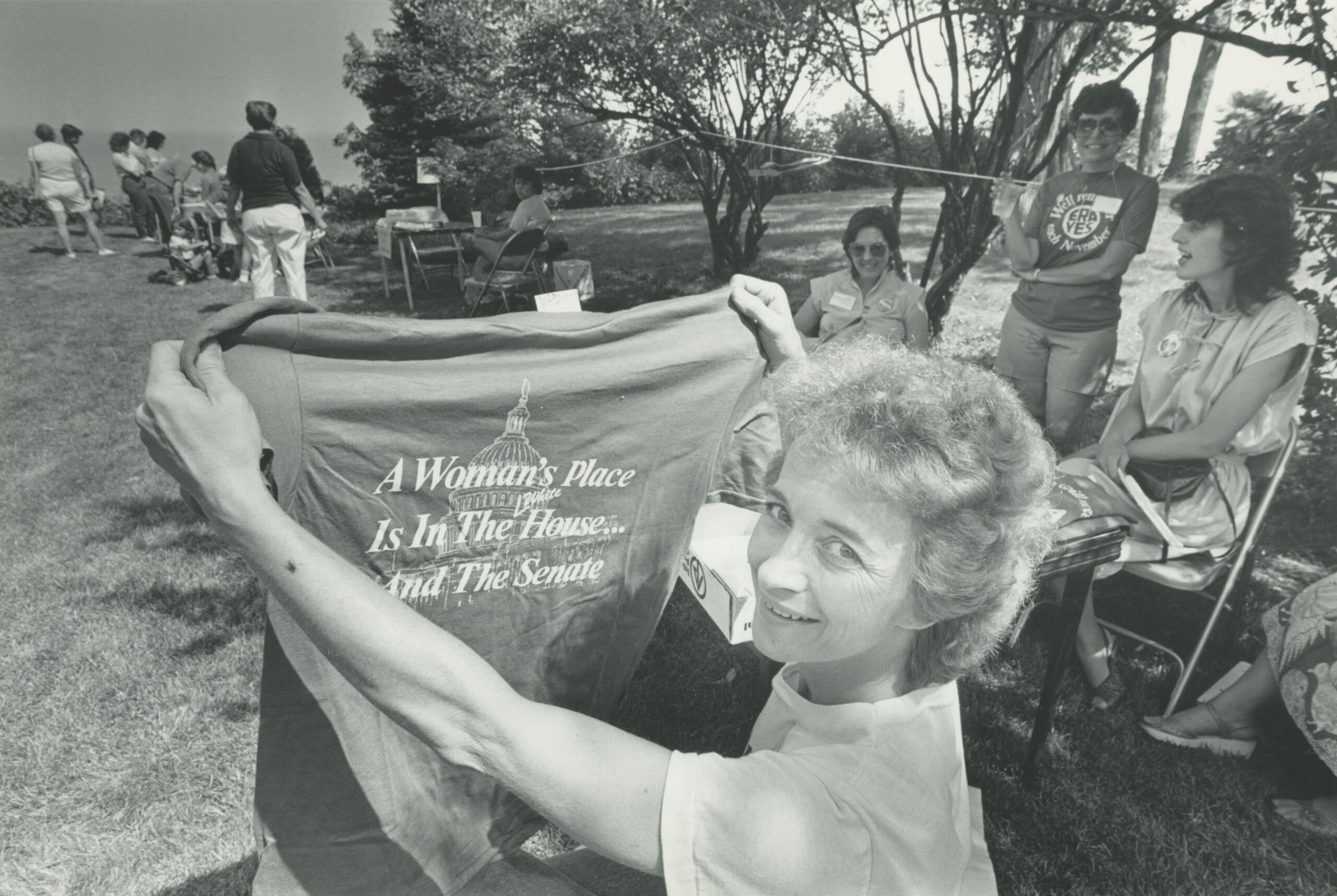
Second-wave feminism: a seismic upheaval that didn’t just chip at the patriarchal edifice, but sought to topple it altogether. It wasn’t merely about suffrage; it was about the very soul of womanhood, a reclamation project writ large across the societal canvas.
Forget the dainty image of the “weaker sex.” Second-wave feminists were intellectual guerillas, launching barrages of meticulously crafted arguments against the entrenched structures of oppression. They wielded theory like a rapier, dissecting the insidious ways patriarchy permeated every facet of life. This wasn’t a polite request for equality; it was a declaration of war against the status quo.
Let’s dive into the multifaceted nature of this revolutionary tide, dissecting its core tenets and enduring legacies.
The Crucible of Consciousness: Key Issues & Ideologies
This wasn’t a monolithic movement. It was a bubbling cauldron of diverse perspectives, united by a shared recognition of systemic gender inequality.
1. Reproductive Autonomy: The Sovereign Right Over One’s Body
Central to the second-wave feminist agenda was the concept of reproductive freedom. Think about it: the ability to control one’s own body, including the decision to bear children, is the bedrock of self-determination. Without it, women are relegated to the status of incubators, their lives dictated by biological imperatives rather than individual aspirations. Second-wave feminists challenged laws restricting access to contraception and abortion, viewing them as instruments of patriarchal control. They understood that forced motherhood perpetuates cycles of poverty and limits women’s educational and professional opportunities. This was not merely a matter of choice, but a fundamental human right.
2. Workplace Equality: Shattering the Glass Ceiling
The iconic imagery of women entering the workforce during World War II belied the pervasive discrimination they faced. They were often paid less than men for the same work, denied promotions, and subjected to blatant sexism. Second-wave feminists fought for equal pay, equal opportunities, and an end to discriminatory hiring practices. They challenged the notion that women’s primary role was in the home, arguing that they had the right to pursue fulfilling careers and achieve economic independence. Imagine the sheer audacity of demanding to be treated as equals in a world designed to keep them subordinate. It was a revolutionary act.
3. Domestic Sphere Critique: Unmasking the “Feminine Mystique”
Betty Friedan’s groundbreaking book, “The Feminine Mystique,” peeled back the layers of societal conditioning that trapped women in the gilded cage of domesticity. It exposed the profound discontent felt by many suburban housewives who, despite material comfort, felt unfulfilled and stifled. This critique extended beyond individual unhappiness to challenge the very notion of the “ideal” woman. Second-wave feminists argued that the domestic sphere was not a haven of tranquility, but a site of labor exploitation and emotional subjugation. They demanded that housework be recognized as work, and that men share equally in domestic responsibilities. The idea of domesticity, once considered sacred, was now a battlefield.
4. Challenging Gender Stereotypes: Deconstructing the Binary
Second-wave feminists sought to dismantle the rigid gender stereotypes that confined both men and women. They challenged the idea that women were inherently passive, emotional, and nurturing, while men were inherently active, rational, and assertive. They argued that these stereotypes were socially constructed and served to reinforce patriarchal power structures. This involved critiquing media portrayals of women as sex objects or subservient wives, and promoting more diverse and empowering representations. To imagine a world beyond these constraints was, in itself, a radical act of imagination.
5. Legal and Political Reforms: Forging a Path to Power
The movement pushed for legal reforms to eliminate gender discrimination in areas such as employment, education, and credit. The Equal Rights Amendment (ERA), though ultimately unsuccessful in achieving ratification, became a symbol of this push for legal equality. Second-wave feminists also sought to increase women’s representation in politics, believing that their voices needed to be heard in the halls of power. They understood that true equality required not only changing hearts and minds, but also changing laws.
The Weaponry of Change: Tactics and Strategies
Second-wave feminists were not passive observers; they were active agents of change, employing a diverse range of tactics to achieve their goals.
1. Consciousness-Raising Groups: Sharing the Lived Experience
These small, informal groups provided a space for women to share their personal experiences and realize that their struggles were not isolated, but systemic. They were incubators of feminist thought, where women collectively analyzed the ways in which patriarchy impacted their lives. The simple act of sharing experiences became a potent form of political action, forging solidarity and empowering women to challenge the status quo.
2. Protests and Demonstrations: Taking to the Streets
From picketing beauty pageants to organizing large-scale marches, second-wave feminists used public demonstrations to draw attention to their cause and put pressure on lawmakers. These protests were often theatrical and attention-grabbing, designed to disrupt the complacency of everyday life and force people to confront the issue of gender inequality. Think of it: visibility was the armor, outrage the sword.
3. Writing and Publishing: Forging a Feminist Canon
The movement produced a wealth of influential books, articles, and journals that articulated feminist theory and analysis. These writings provided a framework for understanding gender inequality and inspired countless women to become involved in the movement. Publications like “Ms.” magazine provided a platform for feminist voices and challenged mainstream media representations of women. Words were the weapons, ideas the ammunition.
4. Guerrilla Theater and Performance Art: Disrupting the Narrative
Feminists used creative tactics to challenge traditional gender roles and stereotypes. They staged “guerrilla theater” performances in public spaces, disrupting everyday routines and provoking critical reflection. Performance art allowed women to express their experiences and challenge dominant narratives in a visceral and emotional way. Art became a tool for subversion and empowerment.
The Unfolding Legacy: Lasting Impacts and Unfinished Business
Second-wave feminism fundamentally transformed the landscape of gender relations. Its impact reverberates to this day, shaping our understanding of equality and justice.
1. Increased Women’s Participation in Education and the Workforce
The movement paved the way for women to pursue higher education and enter professions previously dominated by men. While gender inequality persists, the gains made during the second wave are undeniable. Women now hold positions of power and influence in all areas of society, though parity remains a distant goal.
2. Legal and Political Advancements
Second-wave feminism led to significant legal and political reforms, including laws prohibiting gender discrimination in employment and education. While the ERA failed to be ratified, it remains a symbol of the ongoing struggle for legal equality. The movement also increased women’s representation in politics, although their numbers still lag behind men.
3. A More Nuanced Understanding of Gender
The movement challenged traditional notions of gender and sexuality, paving the way for a more inclusive and nuanced understanding of human identity. The rise of intersectionality, which recognizes the interconnectedness of various forms of oppression, owes much to the groundwork laid by second-wave feminists. However, this is an ever evolving concept.
4. Lingering Challenges: The Unfinished Revolution
Despite the significant progress made, gender inequality persists in many forms. Women continue to face discrimination in the workplace, are underrepresented in leadership positions, and are disproportionately affected by violence. The fight for reproductive freedom is under constant attack, and the “feminine mystique” still exerts a powerful influence on women’s lives. The revolution, it seems, remains unfinished.
Second-wave feminism wasn’t a fairytale ending. It was a messy, complex, and often contradictory struggle. But it was a struggle worth fighting. It was a moment when women dared to dream of a world where they were not defined by their gender, but by their potential. And that dream, however elusive, continues to inspire us today.
The struggle for gender equality is a relay race, each generation passing the baton to the next. Second-wave feminism ran a remarkable leg of that race, leaving an indelible mark on the world. It’s up to us to pick up the baton and continue the fight, until true equality is finally achieved. The future is unwritten, and the pen is in our hands.









Leave a Comment