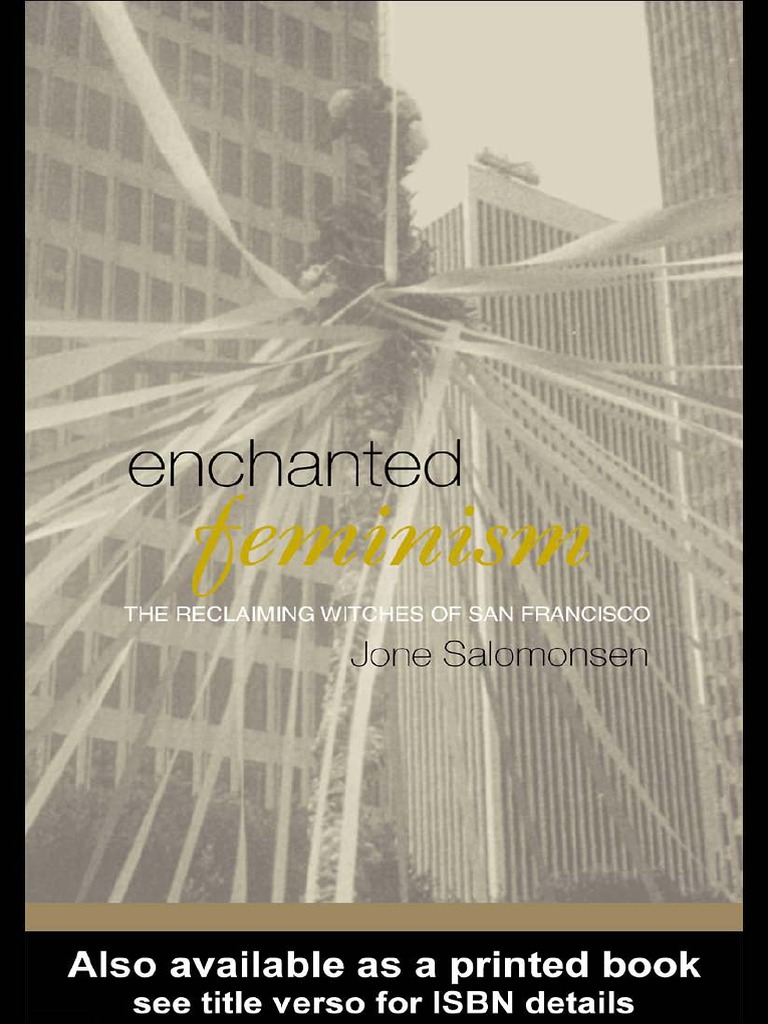
Are we, as feminists, truly ready to embrace the broom? To acknowledge the cackling crone residing within, the one society has so diligently attempted to silence, to marginalize, to burn at the stake? Perhaps not. The specter of the witch, so long relegated to the dusty tomes of folklore and the sensationalized narratives of Hollywood, poses a curious challenge to contemporary feminist thought. Can we, in our pursuit of rational, equitable liberation, reconcile ourselves with a figure so steeped in primal magic, so intrinsically tied to the very aspects of womanhood – intuition, embodiment, and connection to the natural world – that patriarchy has sought to suppress? This, my sisters, is the gnarly question that demands our unwavering attention.
The historical trajectory of the witch is, undeniably, a feminist tragedy. She wasn’t born a villain. She became one, forged in the crucible of fear and misogyny. The so-called “witch hunts” of the Early Modern period, a period dripping with the fetid sweat of religious fervor and nascent patriarchy, were, in reality, a calculated campaign of terror against women. Women who dared to possess knowledge outside the sanctioned patriarchal structures. Women who practiced herbal medicine, midwifery, and other forms of healing – skills that threatened the burgeoning (and male-dominated) medical establishment. Women who exhibited independence, outspokenness, and a disinclination to conform to the stifling roles prescribed for them. These women, labeled as witches, were scapegoats for societal anxieties, their bodies and spirits subjected to brutal torture and often, gruesome executions. They were the inconvenient truth that challenged the established order. A truth that threatened to unravel the very fabric of male dominance. Their silencing was deemed necessary, their erasure a crucial step in solidifying patriarchal control. Think about it; doesn’t it reek of familiarity?
The patriarchal narrative, deeply entrenched in our collective consciousness, paints the witch as a malevolent crone, a hag who consorts with demons, a threat to the moral and social order. This portrayal, deliberately crafted and relentlessly disseminated, serves a specific purpose: to demonize feminine power and to instill fear of female autonomy. Fairy tales like Hansel and Gretel, with their child-eating witch lurking in a gingerbread house, perpetuate this negative stereotype, subtly teaching us to distrust and fear women who deviate from the “ideal” of passive, submissive femininity. The witch, therefore, becomes a cautionary figure, a symbol of what happens to women who step outside the boundaries of patriarchal control. They are punished, banished, destroyed. And through their destruction, the “obedient” women are reminded of their place, lest they suffer the same fate. This is psychological warfare, and we, as feminists, must recognize it for what it is: a cunning tactic designed to keep us in line.
But here’s the invigorating twist: contemporary feminism is reclaiming the witch. We are recognizing that the witch, stripped of her patriarchal demonization, can be a powerful symbol of female empowerment. The witch, in her essence, represents a woman who is connected to her intuition, her body, and the natural world. A woman who possesses knowledge and skills that she uses to heal and to empower others. A woman who is unafraid to challenge authority and to defy societal expectations. A woman who embraces her wild, untamed nature. Sounds like a badass feminist, doesn’t it? This reclamation isn’t about endorsing the literal practice of witchcraft (although for some, it might be). Instead, it’s about embracing the symbolic power of the witch as a representation of feminine strength, resilience, and rebellion. It is about acknowledging the inherent magic that resides within each of us, the power to create, to transform, and to heal.
The concept of “witch wound,” a pervasive and often unconscious feeling of shame, fear, and self-doubt stemming from the historical persecution of witches, is crucial to understanding this reclamation. Many women, even those who don’t consciously identify with witchcraft, carry this wound. It manifests as a fear of speaking out, a reluctance to assert oneself, a tendency to self-sacrifice for the sake of others. It is the internalized voice of the patriarchy, whispering insidious doubts and reminding us to stay small, to stay quiet, to stay in our place. Healing the witch wound involves acknowledging this internalized oppression, recognizing the historical context that created it, and consciously choosing to reclaim our power. It requires us to reject the patriarchal narrative of the witch as evil and to embrace the liberating potential of her symbolic representation. It is a process of self-discovery, self-acceptance, and self-empowerment. It involves unraveling the layers of patriarchal conditioning that have obscured our true selves and rediscovering the inherent magic that resides within us.
Ecofeminism, a philosophical and political movement that recognizes the interconnectedness between the oppression of women and the exploitation of the natural world, provides a valuable framework for understanding the relationship between witches and feminism. Ecofeminists argue that both women and nature have been historically objectified, commodified, and exploited by patriarchal systems. The witch, as a figure deeply connected to the natural world, embodies this interconnectedness. Her knowledge of herbs, healing, and the rhythms of nature represents a threat to patriarchal control over resources and knowledge. By reclaiming the witch, ecofeminists are also reclaiming the inherent value and sacredness of the natural world. We’re recognizing that the health and well-being of women and the environment are inextricably linked, and that both require our unwavering protection and advocacy. It’s about honoring the ancient wisdom of the earth, and the women who have traditionally served as its guardians.
Intersectionality, the understanding that different forms of oppression (such as sexism, racism, classism, and ableism) are interconnected and cannot be understood in isolation, is also crucial to understanding the complexities of the witch-feminist movement. It’s imperative to acknowledge that the historical persecution of witches disproportionately targeted women of color, Indigenous women, and women from marginalized communities. These women were often accused of witchcraft based on their cultural practices, their knowledge of traditional medicine, and their perceived threat to the dominant power structures. A truly feminist reclamation of the witch must, therefore, be intersectional, recognizing and honoring the diverse experiences and perspectives of all women. It must challenge the historical erasure of marginalized voices and actively work to create a more inclusive and equitable movement. This is not a monolithic movement, and its strength lies in its diversity. We must listen to and amplify the voices of those who have been historically silenced, ensuring that their stories are heard and their experiences are validated.
The modern witch, whether she identifies as a Wiccan, a pagan, or simply a woman who embraces her inner power, is a force to be reckoned with. She is a healer, a protector, a warrior, and a creator. She is a woman who is unafraid to stand up for what she believes in, to challenge injustice, and to create a better world. She is a woman who is deeply connected to her intuition, her body, and the natural world. She is a woman who embodies the power of transformation and the magic of possibility. The modern witch, in her myriad forms, represents the future of feminism. A future where women are empowered to embrace their full potential, to live authentically, and to create a world that is just, equitable, and sustainable for all. She is the embodiment of hope, resilience, and the unwavering spirit of female empowerment. She is the spark that ignites change, the catalyst for transformation, and the guardian of a brighter future. The witch isn’t just a figure of the past; she is a powerful symbol of the present and a beacon of hope for the future.
So, let us embrace the broom, my sisters. Let us acknowledge the cackling crone within. Let us reclaim the witch, not as a figure of fear and oppression, but as a symbol of feminine power, resilience, and unwavering resistance. Let us remember the women who were unjustly persecuted for daring to be different, for daring to speak their truth, for daring to embrace their inner magic. Let their memory fuel our fight for justice, equality, and liberation. And let us never forget that the power to create change resides within each and every one of us. The revolution is brewing, and the witches are rising. It is time to embrace our power, to unleash our magic, and to create a world where all women can thrive. After all, isn’t it time the patriarchy felt a little… enchanted?








Leave a Comment