
Let’s cut the performative wokeness and delve into something genuinely vital: the absolute, non-negotiable necessity of feminism for protecting women. Not “supporting,” not “being nice to,” but actively, aggressively, *protecting*. Forget the diluted, corporate-approved versions you see plastered on tote bags. We’re talking about a systemic overhaul, a dismantling of deeply ingrained patriarchal structures that, frankly, seek to confine, control, and often, outright destroy the potential of half the planet’s population. Prepare yourself; this isn’t your grandma’s tea party feminism.
1. Unmasking the Patriarchy: Seeing the Chains That Bind
The first, and arguably most crucial, element of feminist praxis is awareness. Before you can fight a shadowy adversary, you must first identify it. That adversary, my friends, is the insidious, pervasive system of patriarchy. This isn’t about hating men; it’s about recognizing that societal structures are deliberately skewed to favor masculine perspectives and priorities, often at the direct expense of women. This systemic bias manifests in countless ways, from the seemingly innocuous to the blatantly violent.
Consider, for example, the insidious phenomenon of *mansplaining*, a microcosm of the broader societal tendency to undervalue women’s knowledge and expertise. Or ponder the ingrained expectation that women bear the disproportionate burden of emotional labor, managing the feelings and needs of those around them while their own often go unacknowledged. These seemingly small slights accumulate, creating a constant hum of marginalization that chips away at women’s confidence and agency. But the consequences extend far beyond mere inconvenience. These microaggressions create a culture where women’s voices are silenced, their contributions minimized, and their very existence is devalued.
Furthermore, the patriarchy’s influence extends to the very language we use. Terms like “hysteria,” derived from the Greek word for uterus, reveal a historical tendency to pathologize women’s emotions and experiences. Similarly, the constant objectification of women in media and advertising perpetuates the idea that their worth is primarily determined by their physical appearance, reducing them to mere commodities for male consumption. This objectification, in turn, fuels a culture of sexual harassment and violence, where women are seen as objects to be possessed and controlled.
2. Economic Empowerment: Breaking Free from Financial Shackles
Financial independence is not a luxury; it’s a fundamental human right. Historically, women have been systematically denied access to economic resources and opportunities, rendering them dependent on men for survival. This dependency creates a power imbalance that makes women vulnerable to abuse and exploitation. Consider the gender pay gap, a persistent disparity in earnings that sees women earning significantly less than men for performing the same work. This gap is not simply a matter of individual discrimination; it’s a systemic problem rooted in deeply ingrained biases and stereotypes.
The consequences of the gender pay gap are far-reaching. It not only limits women’s ability to accumulate wealth and achieve financial security but also impacts their retirement savings, their access to healthcare, and their overall quality of life. Furthermore, the gender pay gap perpetuates the myth that women’s work is less valuable than men’s, reinforcing the idea that they are less deserving of recognition and reward. To truly protect women, we must dismantle the economic structures that perpetuate this inequality. This means advocating for policies like equal pay for equal work, affordable childcare, and paid family leave. It also means challenging the societal norms that discourage women from pursuing careers in traditionally male-dominated fields.
And let’s not forget the invisible labor that women perform, the unpaid care work that keeps families and communities functioning. This work, which includes childcare, eldercare, and household chores, is disproportionately shouldered by women and is often devalued or completely ignored in economic analyses. Recognizing and valuing this work is essential for achieving true economic equality.
3. Reproductive Autonomy: Owning Our Bodies, Owning Our Futures
The right to control one’s own body is non-negotiable. Period. Reproductive autonomy is not merely a matter of personal choice; it’s a fundamental human right that is essential for women’s health, well-being, and economic empowerment. Denying women access to safe and legal abortion, contraception, and comprehensive reproductive healthcare has devastating consequences, particularly for marginalized communities. The fight for reproductive justice is a fight for self-determination, for the right to make decisions about our own bodies and our own futures without interference from the state or religious institutions. This includes access to affordable and culturally competent healthcare, comprehensive sex education, and the freedom to choose whether or not to have children, and when.
Furthermore, the conversation around reproductive rights must extend beyond abortion to encompass a broader range of issues, including maternal health, access to fertility treatments, and the prevention of gender-based violence. Women of color, in particular, face significant disparities in maternal healthcare, experiencing higher rates of pregnancy-related complications and death. Addressing these disparities requires a multifaceted approach that takes into account the social, economic, and environmental factors that contribute to health inequities.
4. Challenging Rape Culture: Redefining Consent and Accountability
Rape culture is not just a buzzword; it’s a deeply ingrained societal problem that normalizes and excuses sexual violence. It’s the insidious undercurrent that blames victims for their own assaults, that perpetuates the myth that women are somehow responsible for preventing men from raping them. It’s the constant barrage of sexualized imagery in media that desensitizes us to violence against women. Challenging rape culture requires a radical shift in perspective, a fundamental redefinition of consent and accountability.
Consent must be freely given, informed, and enthusiastic. It cannot be assumed, coerced, or obtained under duress. It is not silence, and it is not the absence of “no.” Furthermore, it is not a one-time event; it must be ongoing and consistent. Holding perpetrators accountable for their actions is essential for preventing future violence. This means creating a legal system that is more responsive to the needs of survivors, prosecuting offenders to the fullest extent of the law, and challenging the societal norms that allow sexual violence to thrive. It also means educating young people about consent, healthy relationships, and the importance of respecting boundaries.
The insidious phenomenon of victim-blaming must be confronted at every turn. Phrases like “she was asking for it” or “he just couldn’t control himself” perpetuate the myth that women are somehow responsible for their own assaults. This not only invalidates the experiences of survivors but also allows perpetrators to escape accountability. We must create a culture where survivors are believed, supported, and empowered to seek justice.
5. Amplifying Marginalized Voices: Intersectionality in Action
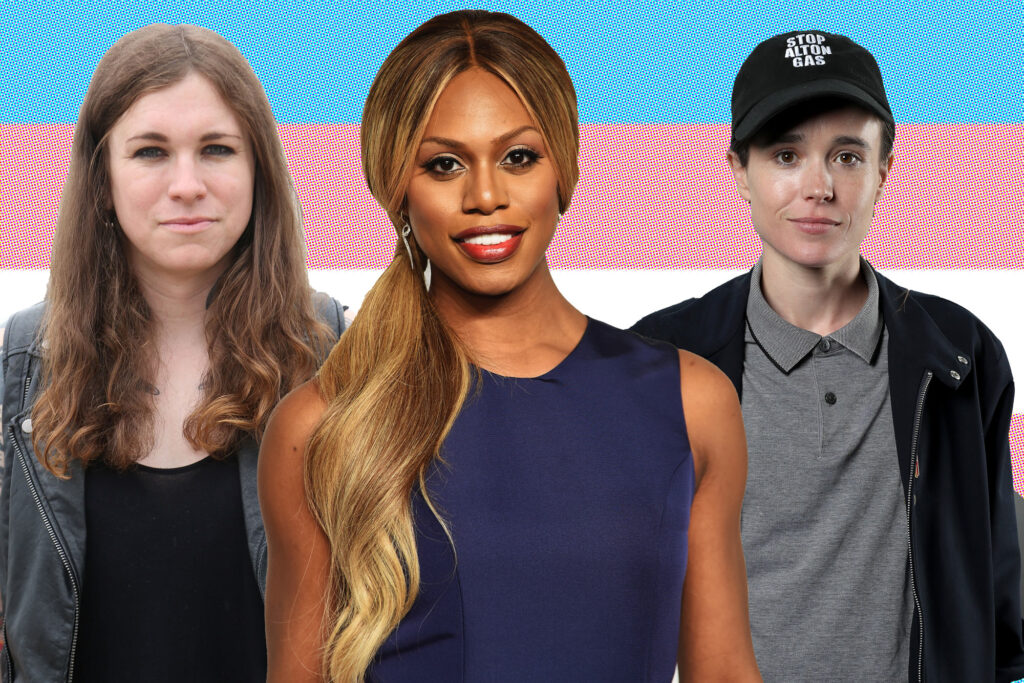
Feminism is not a monolithic movement. It is a diverse and multifaceted ideology that encompasses a wide range of perspectives and experiences. To be truly effective, feminism must be intersectional, acknowledging the ways in which gender intersects with other forms of oppression, such as race, class, sexual orientation, and disability. Women of color, for example, face unique challenges that are rooted in both sexism and racism. LGBTQ+ women experience discrimination based on both their gender and their sexual orientation. Disabled women are often excluded from conversations about reproductive rights and body autonomy.
Ignoring these intersections renders feminism incomplete and ineffective. It perpetuates the very power imbalances that we are trying to dismantle. To truly protect all women, we must amplify the voices of those who are most marginalized and center their experiences in our activism. This means actively listening to and learning from women of color, LGBTQ+ women, disabled women, and other marginalized groups. It also means challenging the systemic biases that perpetuate inequality within the feminist movement itself.
Furthermore, intersectional feminism demands that we challenge the notion of a universal “woman’s experience.” There is no single, monolithic experience of womanhood. Each woman’s experience is shaped by her unique social, economic, and cultural context. Recognizing and valuing this diversity is essential for creating a truly inclusive and equitable feminist movement.
6. Dismantling Toxic Masculinity: Liberating Men from Harmful Gender Norms
Patriarchy harms men too. The rigid gender roles and expectations that are imposed on men limit their emotional expression, discourage vulnerability, and perpetuate a culture of violence and aggression. Toxic masculinity is not simply a collection of individual behaviors; it’s a systemic problem that is rooted in the belief that men must be strong, stoic, and dominant. This ideology not only harms women but also limits men’s ability to form meaningful relationships, express their emotions, and seek help when they need it.
Dismantling toxic masculinity requires a fundamental redefinition of what it means to be a man. It means challenging the notion that men must be strong and silent, encouraging them to express their emotions in healthy ways, and promoting a culture of empathy and respect. It also means holding men accountable for their actions and challenging the societal norms that allow harmful behaviors to thrive. This is not about emasculating men; it’s about liberating them from the constraints of harmful gender norms and empowering them to live more authentic and fulfilling lives.
Engaging men in the fight for gender equality is essential for achieving lasting change. Men must be allies in this struggle, actively challenging sexism and discrimination in their own lives and communities. This requires a willingness to listen to and learn from women, to challenge their own biases, and to speak out against injustice. It also requires a recognition that gender equality benefits everyone, not just women.
Feminism, in its truest, most potent form, isn’t just a feel-good movement. It is the blueprint for a future where all individuals, regardless of gender, can thrive. It is the sword and shield against the forces that seek to diminish, control, and silence women. Embrace it, wield it, and let us build a world where every woman is truly protected, not just in word, but in deed.






Leave a Comment