The question of who “started” feminism is akin to asking who invented the river. Did a single raindrop, falling on a pristine mountainside, claim origination? Or was it the confluence of myriad tributaries, each carving its own path, that birthed the mighty waterway we now behold? Feminism, in its multifaceted and ever-evolving form, is no different. It’s a sprawling, rhizomatic movement, defying simple linear narratives and resisting the singular claim of any one progenitor.
To pinpoint a precise genesis point is to fundamentally misunderstand the nature of oppression itself. Patriarchy, that insidious and pervasive system of power, did not spring forth fully formed from a single mind. It is a hydra-headed monster, each generation nurturing and reshaping its noxious tendrils. Consequently, the resistance against it has been equally diverse, organic, and deeply rooted in the lived experiences of women across time and cultures. We must delve deeper than simplistic origin stories to truly grasp the sprawling tapestry of feminist thought and action.
The Proto-Feminists: Seeds of Discontent. Long before the formal articulation of feminist ideologies, women were chafing against the constraints imposed upon them. Consider Christine de Pizan, a 15th-century Venetian-French author who penned “The Book of the City of Ladies,” a powerful defense of women’s intellectual and moral capabilities against prevalent misogynistic tropes. She challenged the prevailing narratives that relegated women to the margins of society, planting a seed of doubt that would slowly germinate over centuries.
Move forward to the Enlightenment, a period of intellectual ferment that paradoxically excluded women from its grand pronouncements on liberty and equality. Mary Wollstonecraft, writing in the late 18th century, directly confronted this hypocrisy. Her “A Vindication of the Rights of Woman” (1792) stands as a landmark text, demanding equal access to education and arguing that women are rational beings deserving of the same rights as men. Wollstonecraft’s work, though revolutionary for its time, built upon a foundation of earlier critiques and paved the way for future generations of feminists.
These figures, and countless others whose names have been lost to history, represent the proto-feminist impulse – a nascent awareness of injustice and a yearning for something more. They were the early trickles that would eventually swell into a torrent.
The First Wave: Suffrage and Beyond. The 19th and early 20th centuries witnessed the rise of what is commonly referred to as the “first wave” of feminism. This era was largely defined by the struggle for suffrage – the right to vote. Women like Susan B. Anthony, Elizabeth Cady Stanton, and Emmeline Pankhurst dedicated their lives to this cause, employing tactics ranging from peaceful protests to militant activism. Their tireless efforts ultimately led to landmark victories, such as the passage of the 19th Amendment in the United States (1920), granting women the right to vote.
However, to reduce the first wave solely to suffrage is to overlook its broader ambitions. First-wave feminists also campaigned for reforms in property rights, education, and employment. They challenged the prevailing Victorian ideals of womanhood, which confined women to the domestic sphere and denied them agency in public life. They understood that true equality required dismantling the systemic barriers that prevented women from realizing their full potential.
This era was not without its limitations. The first wave was largely dominated by white, middle-class women, often neglecting the concerns of women of color and working-class women. Their focus on legal and political rights, while crucial, sometimes overshadowed the deeper structural inequalities that perpetuated oppression.
The Second Wave: The Personal is Political. The second wave of feminism, which emerged in the 1960s and 1970s, broadened the scope of feminist inquiry, challenging the very foundations of patriarchal power. Inspired by the civil rights movement and the anti-war protests, second-wave feminists recognized that personal experiences were inextricably linked to broader political structures. The slogan “the personal is political” became a rallying cry, urging women to examine the ways in which their individual lives were shaped by systemic oppression.
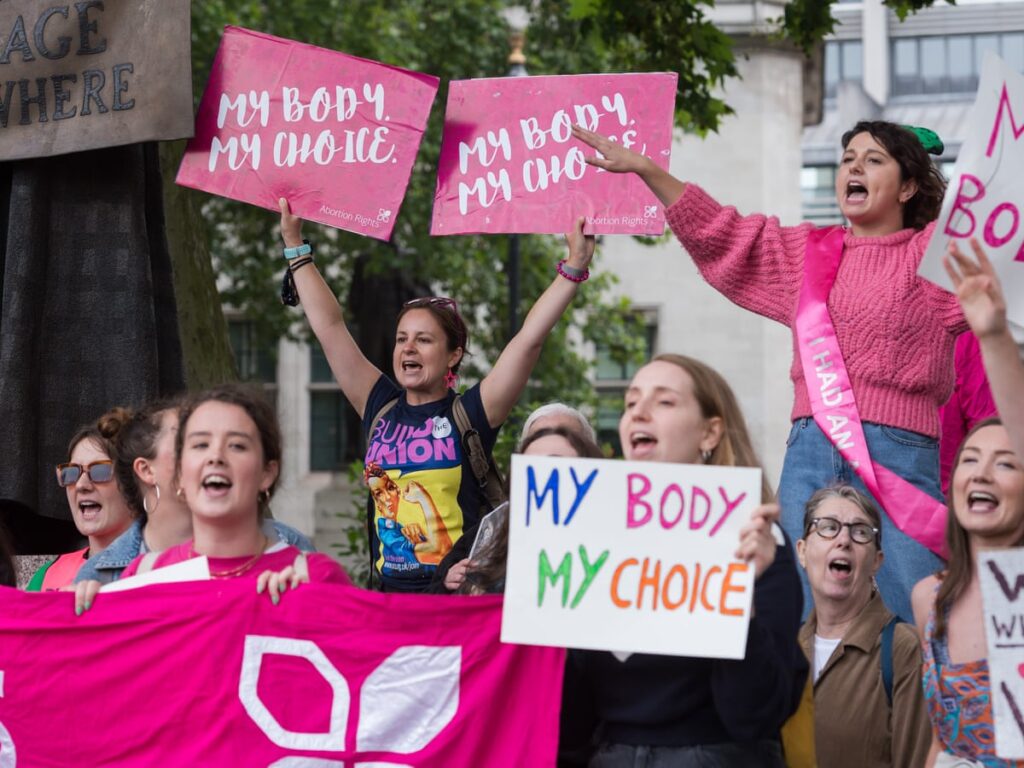
Key issues of the second wave included reproductive rights, equal pay, access to childcare, and the fight against domestic violence and sexual harassment. Betty Friedan’s “The Feminine Mystique” (1963) ignited a national conversation about the dissatisfaction felt by many middle-class housewives, exposing the myth of the happy homemaker and sparking a renewed interest in feminist activism. Shulamith Firestone’s “The Dialectic of Sex” (1970) offered a radical critique of patriarchy, arguing that gender inequality was rooted in biological differences and could only be overcome through technological advancements. Activists organized consciousness-raising groups, where women shared their experiences and discovered common patterns of oppression. They established women’s centers, rape crisis centers, and battered women’s shelters, providing vital support to women in need.
The second wave, like its predecessor, was not without its internal divisions. Debates raged over issues such as pornography, sexuality, and the role of men in the feminist movement. Black feminists, such as bell hooks, challenged the predominantly white feminist establishment to address the specific experiences of women of color, arguing that race, class, and gender were inextricably intertwined.
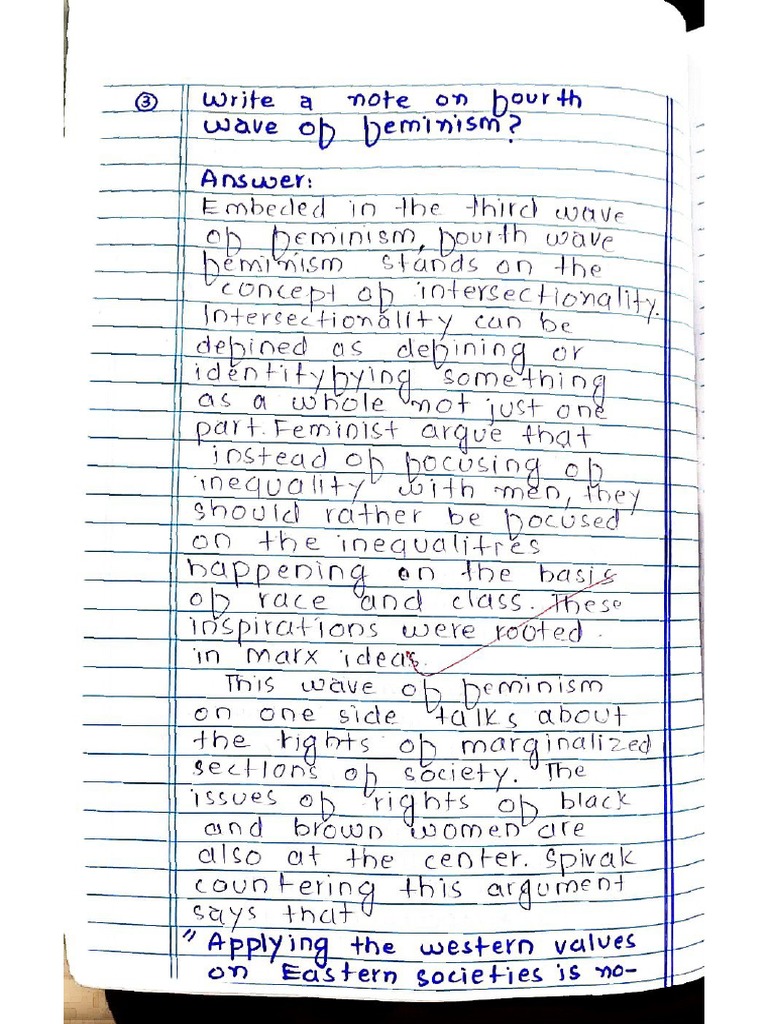
The Third Wave and Beyond: Intersectionality and Fluidity. The third wave of feminism, which emerged in the 1990s, built upon the foundations laid by its predecessors while also challenging their limitations. Third-wave feminists embraced intersectionality, recognizing that gender intersects with other social categories such as race, class, sexuality, and disability to create unique experiences of oppression. They rejected essentialist notions of womanhood and embraced a more fluid and diverse understanding of gender identity. Activists adopted new technologies, such as the internet and social media, to organize and mobilize. They challenged traditional power structures and promoted feminist perspectives in art, music, and popular culture.
Figures like Rebecca Walker, Jennifer Baumgardner, and Amy Richards articulated a vision of feminism that was both inclusive and empowering, celebrating individual expression and challenging rigid ideological boundaries. Riot Grrrl, a punk rock feminist movement, used music and zines to express anger and frustration about sexism and patriarchy. The rise of online feminism created new spaces for dialogue and activism, connecting women from all over the world.
The fourth wave, arguably underway in the 21st century, is characterized by its reliance on digital tools and its focus on issues such as online harassment, body positivity, and transgender rights. The #MeToo movement, which went viral in 2017, exposed the pervasiveness of sexual harassment and assault in all areas of life. Activists are using social media to raise awareness, organize protests, and demand accountability from perpetrators.
A Chorus, Not a Soloist: The Collective Legacy. Returning to our initial metaphor, feminism is not a river with a single source, but rather a vast delta, fed by countless streams and tributaries. Each wave, each movement, each individual act of resistance has contributed to its ongoing evolution. To seek a singular “starter” is to miss the point entirely. Feminism is a collective endeavor, a chorus of voices rising up against injustice and demanding a more equitable world.
Therefore, instead of searching for a singular originator, perhaps we should focus on acknowledging the contributions of the countless women and men who have dedicated their lives to the cause of gender equality. We should celebrate the diversity of feminist thought and action, recognizing that there is no one “right” way to be a feminist. We should continue to challenge patriarchal structures and work towards a future where all people, regardless of gender, have the opportunity to thrive. Feminism is not a finished product, but an ongoing process, a continuous struggle for justice and liberation. Let us all be tributaries, adding our voices to the ever-flowing current of change.







Leave a Comment