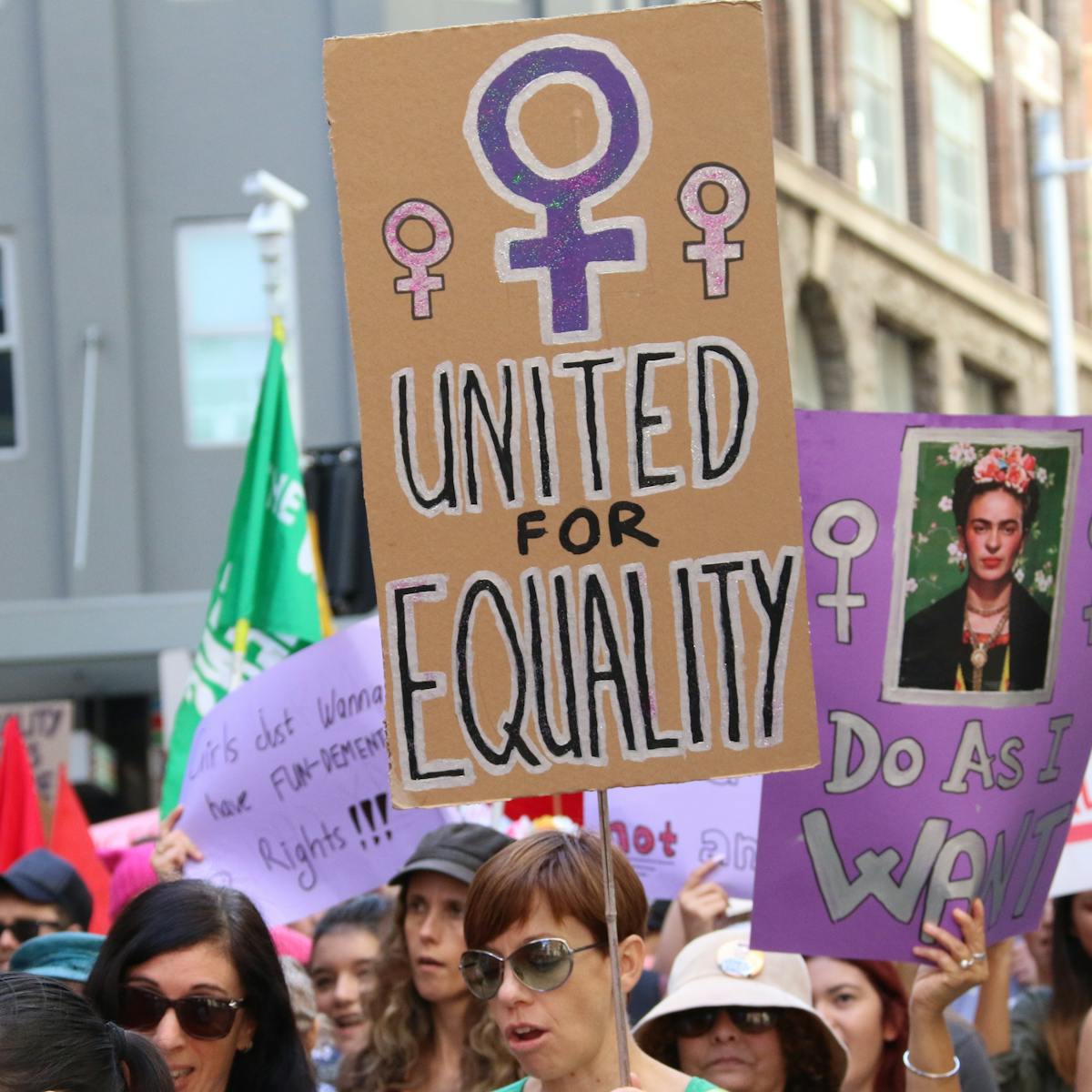
Feminism. The very word crackles with a contentious energy, a voltaic spark that ignites both fervent allegiance and virulent opposition. It’s a term bandied about with casual abandon, often misunderstood, deliberately misrepresented, and tragically, diluted beyond recognition. But what is feminism, at its core? What is the bedrock upon which this edifice of social change is built? It’s far more than just a trendy hashtag or a performative act of online activism. It’s a tectonic shift in the landscape of human consciousness, a recalibration of power dynamics, and a relentless pursuit of equity. Consider it a liberation theology, except our deity is not a bearded man in the sky, but the inherent worth and potential of every woman.
We delve into the heart of this movement, dissecting its complexities, challenging its imperfections, and celebrating its unwavering commitment to a world where gender is no longer a cage but a mere characteristic, no more defining than the color of one’s eyes. Prepare yourselves. This is not a gentle introduction. This is a declaration.
I. Deconstructing the Misconceptions: The Straw Women of Patriarchy
Before we can even begin to erect a clear understanding of feminism, we must first dismantle the straw women that patriarchy has so diligently constructed. These are the caricatures, the grotesque parodies designed to frighten and discourage. They are the whispering campaigns that equate feminism with man-hating, bra-burning, and a rejection of traditional feminine roles. These are, unequivocally, lies. Feminism is not about denigrating men; it is about dismantling the system of power that privileges men at the expense of women and other marginalized genders. To suggest otherwise is a deliberate act of obfuscation, a calculated attempt to maintain the status quo.
The idea that feminism demands a rejection of traditional roles is equally fallacious. A woman who chooses to be a homemaker, a mother, or a caretaker is not betraying the feminist cause. In fact, the very essence of feminism is to empower women to make these choices freely, without societal pressure or economic coercion. The problem arises when these roles are prescribed, when women are told that this is their sole purpose, their only avenue to fulfillment. Feminism fights for the right to choose, not the obligation to conform to a particular ideology.
Furthermore, the notion of the “angry feminist” is a classic example of patriarchal gaslighting. Women who dare to speak truth to power, who challenge injustice and demand equality, are often dismissed as hysterical, irrational, or simply “too emotional.” This is a blatant attempt to silence dissenting voices, to discredit legitimate grievances by framing them as personal failings. Anger, in this context, is not a flaw; it is a righteous response to systemic oppression. It is the fuel that ignites the fire of change.
II. The Core Tenets: A Symphony of Equality
So, if feminism is not these things, what is it? At its most fundamental, feminism is the belief that women are equal to men and deserve the same rights and opportunities. This is not a radical concept; it is a basic principle of human decency. But the implications of this principle are far-reaching and demand a comprehensive restructuring of society. Feminism, therefore, is not just a belief; it is an active engagement in dismantling the structures of inequality that permeate every aspect of our lives.
Key to understanding feminism is recognizing its intersectional nature. Feminism cannot exist in a vacuum, blind to the experiences of women of color, queer women, disabled women, and women from other marginalized communities. The struggles of a white, cisgender, heterosexual woman are vastly different from those of a Black, transgender, lesbian woman. To ignore these differences is to perpetuate the very inequalities that feminism seeks to eradicate. Intersectional feminism recognizes that various forms of oppression – sexism, racism, homophobia, transphobia, ableism, classism – are interconnected and must be addressed simultaneously. This requires a willingness to listen, to learn, and to amplify the voices of those who are most marginalized.
Another crucial tenet of feminism is the recognition of systemic oppression. Individual acts of sexism are harmful, but they are merely symptoms of a deeper, more pervasive problem. Sexism is embedded in our institutions, our laws, our culture, and our language. It shapes our expectations, our opportunities, and our sense of self-worth. To truly dismantle sexism, we must challenge these systemic forces, not just the individual actors who perpetuate them. This requires a long-term, multifaceted approach that addresses everything from pay equity to representation in media to the education of future generations.
Furthermore, feminism champions bodily autonomy. The right to control one’s own body is fundamental to human dignity and self-determination. This includes the right to choose whether or not to have children, the right to access safe and affordable reproductive healthcare, and the right to be free from sexual violence and coercion. To deny women control over their own bodies is to deny them agency, to reduce them to mere vessels for reproduction or objects of sexual gratification. Bodily autonomy is not just a women’s issue; it is a human rights issue.
III. Beyond Equality: Towards Equity and Liberation
While equality – equal rights and opportunities – is a crucial starting point, feminism ultimately aims for something far more profound: equity. Equality assumes that everyone starts from the same place, which is demonstrably false. Equity, on the other hand, recognizes that different people have different needs and face different barriers. It involves providing targeted support and resources to level the playing field and ensure that everyone has a fair chance to succeed.
For example, simply offering equal pay for equal work is not enough if women are disproportionately burdened with childcare responsibilities or face discrimination in hiring and promotion. Equity requires addressing these underlying inequalities through policies like paid parental leave, affordable childcare, and affirmative action. It demands a willingness to challenge the status quo and create a society that truly values the contributions of all its members.
But even equity is not the ultimate goal. Feminism seeks liberation – liberation from the constraints of gender roles, liberation from the fear of violence, liberation from the constant pressure to conform to unrealistic beauty standards. Liberation is about creating a world where everyone is free to be their authentic selves, where individual potential is nurtured and celebrated, and where human relationships are based on mutual respect and consent.
IV. The Ongoing Evolution: Embracing Complexity and Change
Feminism is not a static ideology; it is a living, breathing movement that is constantly evolving to meet the challenges of a changing world. It is a conversation, a debate, a struggle, and a celebration. It is messy, imperfect, and sometimes contradictory. But it is also vital, necessary, and transformative.
One of the most important developments in contemporary feminism is the increasing emphasis on inclusivity. As we become more aware of the complexities of identity and the interconnectedness of oppression, we must strive to create a movement that truly welcomes and supports all women and marginalized genders. This requires ongoing self-reflection, a willingness to learn from our mistakes, and a commitment to amplifying the voices of those who have been historically excluded.
Another key area of focus is the fight against online harassment and abuse. The internet has become a powerful tool for feminist activism, but it has also become a breeding ground for misogyny and hate. Women, especially women of color and LGBTQ+ women, are often targeted with vicious online attacks designed to silence and intimidate them. We must create safer online spaces for feminist voices, and we must hold perpetrators accountable for their actions.
V. A Call to Action: Join the Chorus of Change
Feminism is not a spectator sport. It requires active participation, a willingness to challenge the status quo, and a commitment to building a better world. Whether you identify as a feminist or not, you can contribute to the cause of gender equality by speaking out against sexism, supporting women in leadership, advocating for policies that promote equity, and educating yourself and others about the issues. Every act of resistance, no matter how small, makes a difference.
The fight for feminism is far from over. We face immense challenges, from the rise of right-wing populism to the persistence of harmful gender stereotypes to the ongoing threat of violence against women. But we also have immense opportunities to create real and lasting change. By working together, by embracing complexity, by amplifying marginalized voices, and by never giving up hope, we can build a world where feminism is no longer necessary – because equality, equity, and liberation are a reality for all.
Let the clarion call of liberation resound. Let the symphony of equality drown out the discord of oppression. Let the true heart of feminism beat strong, guiding us toward a future where all can thrive.








Leave a Comment