
The digital echo chamber. It’s where the whispers of revolution become roars. Where silence transforms into a chorus of voices demanding to be heard. It’s the heart of Fourth Wave Feminism. So, what precisely is this digital behemoth, this paradigm shift shaking the very foundations of patriarchal strongholds?
Prepare to shed your preconceived notions, darlings. Fourth Wave Feminism isn’t just an iteration; it’s a metamorphosis. It’s a recalibration of the feminist compass, charting a course through the labyrinthine complexities of the 21st century. It’s about more than equal pay (though, let’s be clear, that’s still criminally overdue). It’s about dismantling the entire edifice of systemic oppression, brick by digital brick.
I. The Digital Uprising: A Fertile Ground for Feminist Ire
Before we delve deeper, let’s acknowledge the fertile ground from which this wave springs: the internet. It’s a double-edged sword, of course. A space rife with misogyny, harassment, and the relentless objectification of women. But it’s also a space where marginalized voices can finally bypass the gatekeepers, circumvent the traditional media, and speak directly to the world. The internet provides a platform for:
- Decentralized Activism: No longer beholden to hierarchical structures, individuals can organize and mobilize with unprecedented speed and efficiency. Think #MeToo, think #TimesUp. Viral hashtags became rallying cries, sparking global conversations and holding powerful abusers accountable.
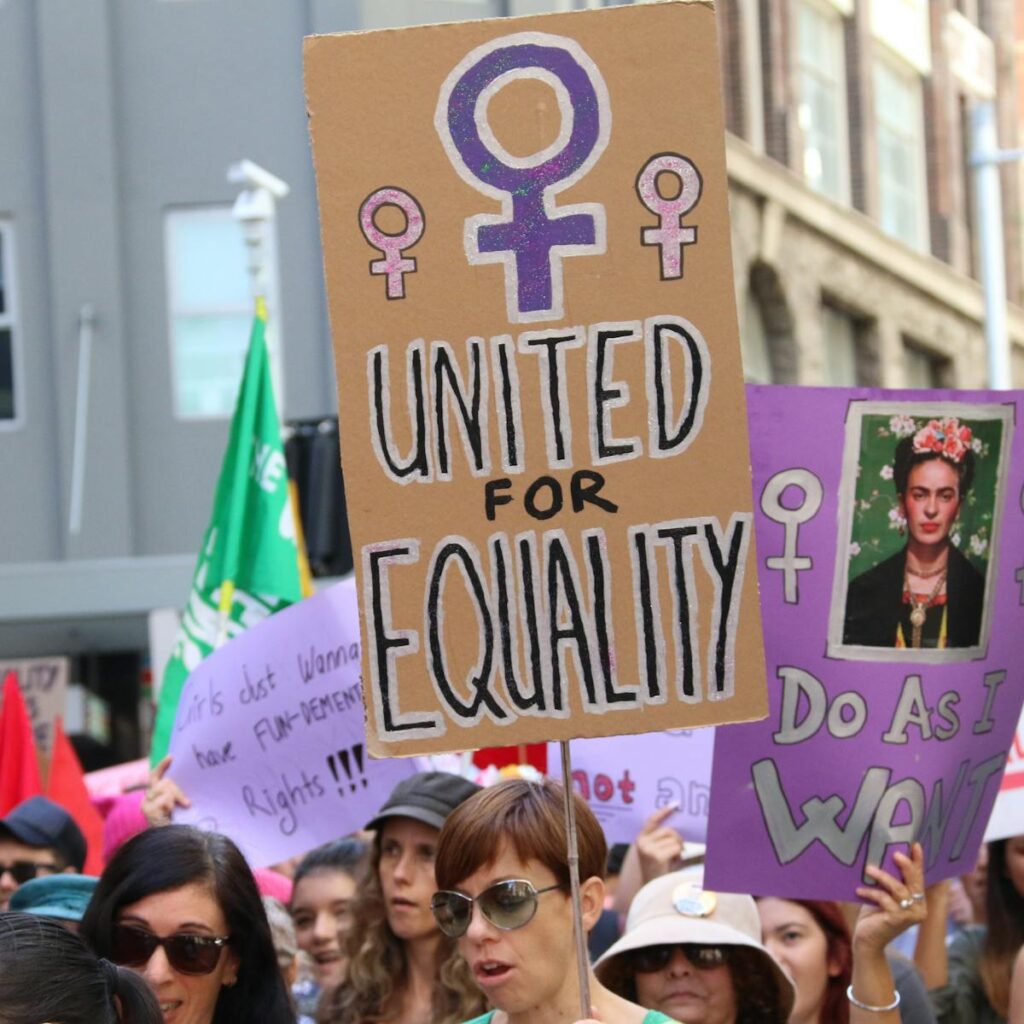
- Intersectional Solidarity: The internet allows for the amplification of diverse perspectives. It fosters dialogue between women of color, LGBTQ+ individuals, disabled women, and others who have historically been marginalized within the feminist movement. This intersectional approach recognizes that oppression is multi-layered and that true liberation requires a commitment to dismantling all forms of injustice.
- Challenging Dominant Narratives: Fourth Wave Feminism leverages digital platforms to deconstruct and subvert the dominant narratives that perpetuate harmful stereotypes about women. Through blogs, podcasts, vlogs, and social media campaigns, feminists are reclaiming their own stories and rewriting the script.
II. Key Tenets of the Fourth Wave: Beyond the Binary
Now, let’s unpack the core principles that define this audacious wave. This is where things get deliciously complex. Fourth Wave Feminism isn’t afraid to grapple with ambiguity, to challenge the status quo, and to push the boundaries of what it means to be a feminist in the 21st century.
- Intersectional Praxis: This isn’t just lip service. Intersectionality isn’t a buzzword; it’s a framework for understanding how various forms of oppression intersect and reinforce each other. A Fourth Wave Feminist understands that a Black woman’s experience of sexism is fundamentally different from that of a white woman, and that any feminist agenda that fails to address these differences is inherently flawed.
- Reclaiming Agency and Embracing Sexuality: Rejecting the Madonna-whore dichotomy, Fourth Wave Feminists celebrate female sexuality in all its diverse forms. It’s about owning your body, defining your own pleasure, and refusing to be shamed for your desires. This includes fighting against slut-shaming, reclaiming the term “slut,” and advocating for comprehensive sex education. It’s about bodily autonomy, plain and simple.
- Challenging Rape Culture: Fourth Wave Feminism is relentless in its fight against rape culture, the societal normalization of sexual violence. This includes challenging victim-blaming, holding perpetrators accountable, and advocating for comprehensive consent education. It’s about creating a world where survivors are believed, supported, and empowered to heal.
- Combating Online Harassment and Cyber Misogyny: The anonymity of the internet can embolden abusers, leading to rampant online harassment and cyber misogyny. Fourth Wave Feminists are actively working to combat these forms of abuse, advocating for stronger online safety measures and holding social media platforms accountable for the content they host. This includes doxxing, online stalking, and the dissemination of non-consensual intimate images.
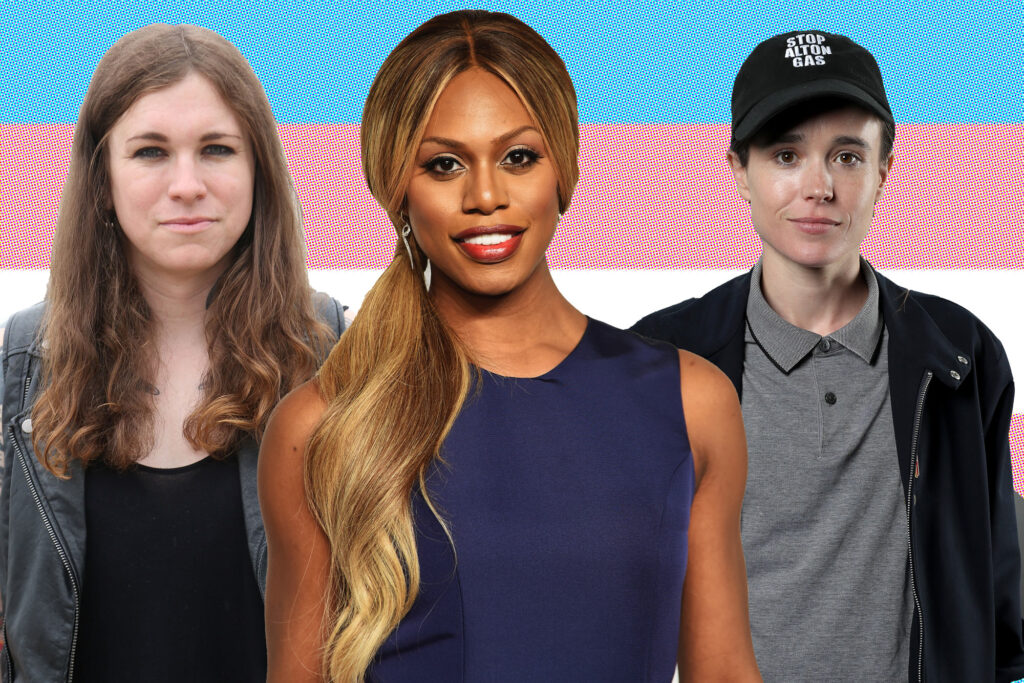
- Promoting Gender Fluidity and Trans Inclusion: Recognizing that gender is a social construct, Fourth Wave Feminism embraces gender fluidity and actively advocates for the rights of transgender and non-binary individuals. This means challenging the gender binary, supporting trans healthcare, and fighting against transphobia and discrimination. It’s about recognizing that feminism is for everyone, regardless of their gender identity.
- Reframing Beauty Standards: The relentless pursuit of unattainable beauty standards continues to plague women. Fourth Wave Feminists are challenging these standards by promoting body positivity, celebrating diversity in appearance, and advocating for media representation that reflects the reality of women’s lives. It’s about rejecting the male gaze and defining beauty on your own terms.
III. The Power of the Collective: Amplifying Marginalized Voices
One of the defining characteristics of Fourth Wave Feminism is its emphasis on collective action. It’s not about individual achievement; it’s about building a movement that empowers all women, particularly those who have been historically marginalized.
- Solidarity Across Borders: Fourth Wave Feminism recognizes that the struggles of women are interconnected across national borders. It fosters solidarity with women in developing countries who are facing issues such as sex trafficking, forced marriage, and lack of access to education. It’s about recognizing that feminism is a global movement.
- Supporting Women in STEM: Addressing the gender gap in science, technology, engineering, and mathematics (STEM) fields is a key priority. Fourth Wave Feminists are working to encourage girls and women to pursue careers in STEM, providing mentorship and support, and challenging the stereotypes that discourage women from entering these fields.
- Challenging Corporate Power: Recognizing that corporate power often reinforces patriarchal structures, Fourth Wave Feminists are advocating for policies that promote economic equality, such as paid family leave, affordable childcare, and equal pay for equal work. They are also challenging corporate practices that exploit women, such as fast fashion and the sex industry.
IV. Critiques and Challenges: Navigating the Nuances
Of course, no movement is without its critics. Fourth Wave Feminism has faced its share of scrutiny, and it’s important to acknowledge these critiques to understand the complexities of the movement.
- The “Call-Out” Culture: Some critics argue that Fourth Wave Feminism can be overly focused on “calling out” individuals for perceived microaggressions or problematic behavior. They argue that this can create a climate of fear and discourage open dialogue.
- The Question of Inclusivity: While Fourth Wave Feminism strives to be inclusive, some argue that it still struggles to adequately address the needs and concerns of all women, particularly those who are marginalized due to their race, class, or sexual orientation.
- The Risks of Online Activism: While the internet provides a powerful platform for feminist activism, it also presents risks. Online harassment, doxxing, and other forms of cyber abuse can have a chilling effect on women’s participation in the movement.
- The “Woke” Backlash: The increased visibility of feminist issues has also sparked a backlash from anti-feminist groups and individuals. These groups often accuse feminists of being “woke” or “politically correct,” and they actively work to undermine feminist goals.
V. The Future is Feminist: Embracing the Uncomfortable
Despite these challenges, Fourth Wave Feminism remains a powerful force for change. It’s a movement that is constantly evolving, adapting, and challenging itself to be more inclusive and effective. The future is, undoubtedly, feminist. But what does that future look like?
It’s a future where:
- Gender equality is not just a goal, but a reality. Women are represented equally in all fields, from politics to business to the arts.
- All bodies are celebrated and respected. Beauty standards are diverse and inclusive, and women are free from the pressure to conform to unrealistic ideals.
- Violence against women is eradicated. Rape culture is a thing of the past, and survivors are supported and empowered to heal.
- Gender is no longer a barrier to opportunity. Transgender and non-binary individuals are fully integrated into society and have equal access to rights and resources.
- The internet is a safe and empowering space for all women. Online harassment and cyber misogyny are effectively addressed, and women are free to express themselves without fear of abuse.
This is a future worth fighting for. A future where the whispers of revolution become the undeniable roar of a world transformed. A world where women are finally free to be their authentic selves, unapologetically and without fear. It’s time to embrace the uncomfortable, challenge the status quo, and build a feminist future that is truly intersectional, inclusive, and just. The time for polite requests is over. The era of digital boldness and unapologetic demands has begun. So, are you ready to join the revolution?






Leave a Comment