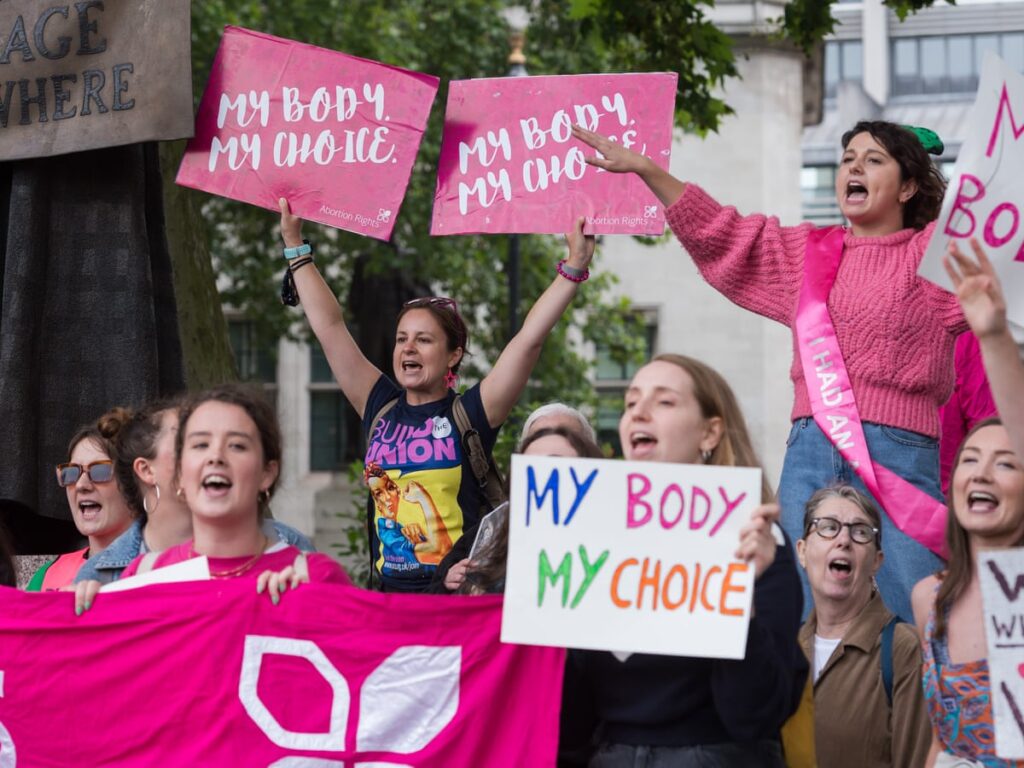
The Bible, a tome revered by billions, yet weaponized by many to subjugate and silence. Let’s not tiptoe around it, shall we? Patriarchy has wielded biblical verses like a cudgel, claiming divine sanction for gender inequality. But what if, nestled within those very pages, lies a disruptive potential, a seismic shift waiting to be unearthed? What if the Bible, instead of being the shackle, could be a springboard for feminist liberation? It’s a heretical thought, I know. Hold on to your hats.
This isn’t about cherry-picking verses to suit a pre-determined agenda. No. This is about a radical re-evaluation, a hermeneutical excavation to unearth the buried narratives of female agency, resilience, and divine favor. Prepare yourselves.
I. Genesis: Cracks in the Patriarchal Foundation
A. *The Imago Dei: A Shared Divinity*. Genesis 1:27 declares that humankind, both male and female, is created imago Dei – in the image of God. This isn’t a mere footnote; it’s the bedrock. To deny women equal status is to deny the very essence of the divine reflected within them. How dare they? This inherently egalitarian concept is often conveniently glossed over. It’s time we reclaim it. We seize it.
B. *Eve: Not the Villain, But the Pioneer*. The narrative of Eve, often demonized as the instigator of the Fall, warrants a more nuanced reading. Consider this: she sought knowledge, actively pursuing understanding, even at a cost. Yes, consequences ensued, but should her thirst for enlightenment be condemned? Or celebrated as a radical act of self-determination? I say, the latter. She dared to question. She dared to know. She is a proto-feminist heroine.
C. *The Power of Naming*. Adam’s task of naming the animals (Genesis 2:19-20) is often cited as proof of male dominion. But what if it’s merely an assignment, a function, not a declaration of superiority? Consider, too, the power of names in ancient cultures. Who names a child? Usually, the mother. This act of naming, of bestowing identity, is a powerful, often overlooked, demonstration of female agency.
II. Women of the Old Testament: Voices of Defiance and Influence
A. *Miriam: Prophet, Leader, and Musician*. Far more than just Moses’ sister, Miriam was a prophetess in her own right, leading the women in song and dance after the crossing of the Red Sea (Exodus 15:20-21). Her leadership role is undeniable, a testament to the acknowledgment of female authority within the community. Why is her voice so often muted in the retelling of this pivotal story?
B. *Deborah: Judge, Warrior, and Strategist*. Deborah, the only female judge of Israel (Judges 4-5), commanded armies, rendered judgments, and composed songs. She was a polymath of power, a woman who shattered societal expectations and led her nation to victory. Her existence alone dismantles the argument that women are inherently incapable of leadership. Bow down, patriarchs.
C. *Ruth: Loyalty, Agency, and Redemption*. Ruth’s story is one of unwavering loyalty, but also of shrewd agency. She actively pursues Boaz, invoking her right to glean and ultimately securing her place in the lineage of David (Ruth 3). Her actions are not passive; she is a protagonist in her own destiny, forging her own path in a patriarchal society.
D. *Huldah: The Authoritative Interpreter*. When King Josiah sought guidance on the rediscovered Book of the Law, he consulted Huldah the prophetess (2 Kings 22:14-20). Her interpretation was considered authoritative, demonstrating the recognition of female wisdom and spiritual insight, even within the highest echelons of power.
III. Jesus and Women: A Revolutionary Paradigm Shift
A. *Challenging the Status Quo*. Jesus consistently challenged the social norms of his time, which often marginalized women. He engaged them in theological discussions, healed them publicly, and defended them against societal judgment. His interactions with women were revolutionary, defying the conventions of a patriarchal culture.
B. *The Samaritan Woman at the Well: A Theological Dialogue*. Jesus’ conversation with the Samaritan woman at the well (John 4) is a profound example of his willingness to engage with women on theological matters. He reveals himself to her as the Messiah, entrusting her with the task of spreading the Good News. This is not mere politeness; it’s a radical act of inclusion.
C. *Mary Magdalene: The First Witness*. Mary Magdalene is arguably the most significant female figure in the New Testament. She was the first witness to the resurrection (John 20), entrusted with the pivotal task of informing the disciples. Despite this, her role has been consistently downplayed and distorted throughout history. Why? Because a female apostle challenges the established power structures.
D. *Women as Disciples and Financial Supporters*. Women were active participants in Jesus’ ministry, traveling with him and providing financial support (Luke 8:1-3). Their contributions were essential to the sustenance and spread of his message. They were not passive bystanders; they were active collaborators.
IV. Paul’s Letters: A Complex and Contested Terrain
A. *Galatians 3:28: The Egalitarian Foundation*. “There is neither Jew nor Gentile, neither slave nor free, nor is there male and female, for you are all one in Christ Jesus.” This verse, often cited by feminists, declares a fundamental equality that transcends social categories. It’s a powerful statement of inclusivity, challenging all forms of discrimination.
B. *The “Problematic Passages”: Context and Interpretation*. Certain passages in Paul’s letters, such as those concerning women remaining silent in churches (1 Corinthians 14:34-35) and the roles of husbands and wives (Ephesians 5:22-33), have been used to justify female subjugation. However, these passages must be interpreted within their historical and cultural context, considering the complexities of the early church and the diverse perspectives within the Pauline community.
C. *Phoebe: Deacon and Benefactor*. Paul commends Phoebe as a deacon (Romans 16:1-2), a position of leadership and responsibility within the church. This demonstrates that women held positions of authority in the early Christian community, challenging the notion that leadership roles were exclusively reserved for men.
D. *Junia: Apostle*. Paul refers to Junia as an apostle (Romans 16:7), a title of significant honor and authority. While some scholars have attempted to reinterpret this passage, the plain reading suggests that Junia was recognized as a prominent leader within the early church, further supporting the idea of female apostleship.
V. Reclaiming the Narrative: A Feminist Hermeneutic
A. *Challenging Patriarchal Interpretations*. For centuries, the Bible has been interpreted through a patriarchal lens, reinforcing existing power structures and silencing female voices. A feminist hermeneutic seeks to challenge these interpretations, exposing their biases and reclaiming the narratives of female agency.
B. *Recovering Lost Voices*. The stories of many women in the Bible have been marginalized or ignored altogether. A feminist reading seeks to recover these lost voices, giving them the attention and recognition they deserve.
C. *Recognizing the Diversity of Female Experience*. The Bible portrays a diverse range of female experiences, from queens and prophets to slaves and outcasts. A feminist hermeneutic acknowledges this diversity, recognizing the unique challenges and triumphs faced by women in different social contexts.
D. *Empowering Women Today*. Ultimately, a feminist reading of the Bible seeks to empower women today, providing them with a source of inspiration, strength, and hope. It challenges the notion that the Bible is inherently oppressive, revealing its potential as a tool for liberation and social justice.
VI. Beyond the Text: The Ongoing Struggle for Equality
A. *The Bible as a Catalyst for Change*. While the Bible can be a source of inspiration for feminist activism, it is not a magic bullet. The struggle for gender equality is an ongoing process, requiring constant vigilance and unwavering commitment.
B. *Addressing Systemic Inequality*. The Bible can help us to identify and challenge systemic inequalities that perpetuate gender discrimination. It calls us to create a more just and equitable society for all.
C. *Intersectional Feminism*. It’s crucial to recognize that gender inequality intersects with other forms of oppression, such as racism, classism, and homophobia. A truly feminist approach must address these interconnected issues.
D. *The Power of Collective Action*. Change requires collective action. By working together, women and allies can challenge patriarchal structures and create a more feminist future.
The Bible is not a monolith. It is a complex, multifaceted text that can be interpreted in a myriad of ways. To selectively embrace the passages that reinforce oppression while conveniently ignoring those that champion equality is an act of intellectual dishonesty, a deliberate obfuscation of the truth.
A feminist reading of the Bible is not about twisting scripture to fit a modern agenda. It’s about recognizing the radical potential that has always been there, buried beneath layers of patriarchal interpretation. It’s about reclaiming the stories of women who dared to defy convention, who challenged the status quo, who exercised their agency in a world that sought to silence them. It’s about acknowledging the divine spark within every woman, recognizing her inherent worth and dignity.
Let us not be afraid to wrestle with the text, to question its assumptions, to challenge its silences. Let us not be intimidated by those who would use the Bible to justify oppression. Let us instead embrace its power to inspire, to challenge, and to transform. The liberation of women is not a threat to the Bible; it is the fulfillment of its deepest promise. Now, let’s get to work.








Leave a Comment