
The veneration of certain books as foundational texts for feminism often sparks curiosity. Why these books? What is it about them that continues to resonate, to provoke, to incite action and introspection decades, even centuries, after their initial publication? It’s not merely about the articulation of grievances, though that is undeniably crucial. It’s about the seismic shift in consciousness they engendered, the intellectual scaffolding they provided for a movement determined to dismantle patriarchal structures and build a more equitable world.
To dissect this phenomenon, we must venture beyond a simple list of titles and delve into the intellectual currents that shaped them, the societal contexts that demanded their existence, and the enduring power of their revolutionary ideas. We must acknowledge the inherent biases in any canon formation, the voices historically excluded, and the ongoing project of expanding our understanding of what constitutes feminist thought.
I. The Foundational Texts: Seeds of Discontent and Visions of Liberation
This section explores the bedrock texts that laid the groundwork for subsequent feminist theorizing, focusing on their core arguments and enduring impact.
A. A Vindication of the Rights of Woman (1792) by Mary Wollstonecraft: This incendiary tract, penned during the tumultuous era of the French Revolution, challenged the prevailing notions of female inferiority. Wollstonecraft, a staunch advocate of reason and education, argued that women were not inherently less intelligent than men, but rather, systematically deprived of the opportunities to cultivate their intellectual potential. Her insistence on female rationality and autonomy constituted a radical departure from traditional views and laid the groundwork for future demands for equal rights. Wollstonecraft dismantled the very idea that women’s roles were dictated by nature. The audacity of her pronouncements remains breathtaking even today.
B. The Subjection of Women (1869) by John Stuart Mill and Harriet Taylor Mill: This collaborative work, a powerful indictment of marital tyranny and legal subjugation, presented a compelling case for female enfranchisement and economic independence. The Mills argued that the subjugation of women was not only unjust but also detrimental to societal progress, stifling intellectual innovation and perpetuating outdated social norms. Their meticulous analysis of the legal and social barriers faced by women, coupled with their passionate plea for equal rights, made a significant contribution to the burgeoning women’s suffrage movement. Consider the societal implication of stifled intellectual innovation: a collective stagnation. They dared to envision a future where women were not simply tolerated, but celebrated for their contributions.
C. Woman and Socialism (1879) by August Bebel: Bebel, a prominent figure in the German socialist movement, offered a groundbreaking analysis of the intertwined nature of gender and class oppression. He argued that the liberation of women was inextricably linked to the overthrow of capitalism and the establishment of a socialist society. Bebel’s work highlighted the economic dimensions of female subordination and emphasized the importance of collective action in achieving gender equality. He understood the economic stranglehold that kept women subservient. His work resonated deeply with working-class women, providing a theoretical framework for their struggles against both economic exploitation and patriarchal domination.
II. The Second Wave: Radicalizing the Discourse and Challenging the Status Quo
This section delves into the texts that defined the second-wave feminist movement, exploring their emphasis on consciousness-raising, reproductive rights, and the deconstruction of gender roles.
A. The Second Sex (1949) by Simone de Beauvoir: This monumental work, a profound exploration of the social construction of womanhood, revolutionized feminist thought. De Beauvoir argued that “one is not born, but rather becomes, a woman,” challenging the notion that female identity is biologically determined. Her existentialist perspective emphasized the freedom and responsibility of individuals to define their own lives, regardless of societal expectations. De Beauvoir’s analysis of the ways in which women are objectified and marginalized remains remarkably prescient. The concept of “othering” became a central tenet of feminist theory. Consider the pervasive impact of societal expectations on individual self-perception.
B. The Feminine Mystique (1963) by Betty Friedan: This seminal work exposed the widespread dissatisfaction and malaise experienced by middle-class housewives in post-war America. Friedan identified “the problem that has no name,” a pervasive feeling of emptiness and lack of fulfillment that plagued women confined to the domestic sphere. Her book sparked a national conversation about the limitations of traditional gender roles and inspired countless women to seek education, employment, and greater autonomy. She gave voice to a silent epidemic of discontent. The book became a lightning rod for change. She articulated the unspoken desires of a generation.
C. Sexual Politics (1970) by Kate Millett: This controversial and influential book offered a scathing critique of patriarchal power dynamics in literature, art, and popular culture. Millett argued that sexism was not merely a matter of individual prejudice but rather a systemic form of oppression woven into the fabric of society. Her analysis of the representation of women in literature exposed the ways in which male authors often reinforced patriarchal stereotypes and contributed to the perpetuation of female subordination. She unmasked the insidious ways in which power operated. The book became a cornerstone of radical feminism. Millett dared to expose the naked truth.
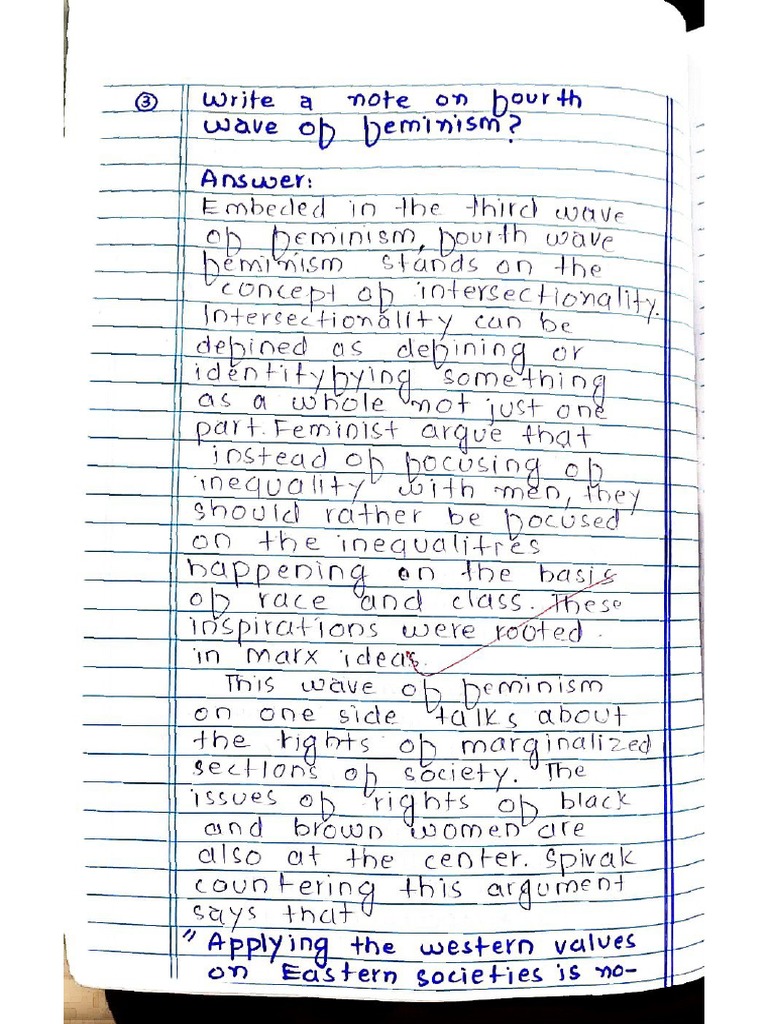
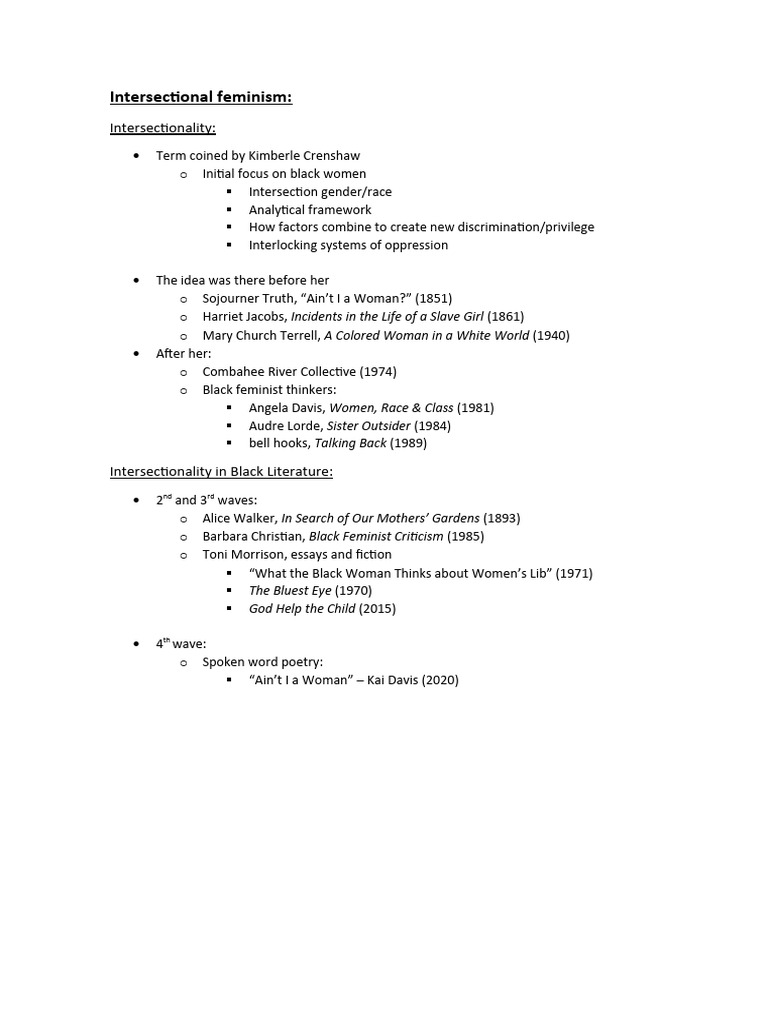
III. Expanding the Canon: Intersectionality and the Challenge to White Feminism
This section addresses the crucial contributions of women of color and other marginalized groups to feminist thought, highlighting the importance of intersectionality and the critique of white-centric perspectives.
A. Ain’t I a Woman: Black Women and Feminism (1981) by bell hooks: Hooks’s groundbreaking work challenged the dominance of white feminist perspectives and emphasized the unique experiences of Black women, who face the combined oppression of racism and sexism. She critiqued the tendency of mainstream feminism to prioritize the concerns of white, middle-class women while marginalizing the voices and experiences of women of color. Hooks’s work paved the way for a more inclusive and intersectional understanding of feminism. She demanded that feminism address the complexities of lived experience. This was a call for genuine solidarity. The audacity to challenge the status quo was essential.
B. This Bridge Called My Back: Writings by Radical Women of Color (1981) edited by Cherríe Moraga and Gloria Anzaldúa: This anthology, a landmark in feminist literature, provided a platform for women of color to share their stories, perspectives, and political analyses. The contributors explored the intersections of race, class, sexuality, and gender, challenging the monolithic image of feminism and demanding a more nuanced and inclusive approach. This anthology forced a reckoning with the limitations of mainstream feminism. It amplified marginalized voices. It was a powerful testament to the strength and resilience of women of color.
C. Sister Outsider: Essays and Speeches (1984) by Audre Lorde: Lorde’s powerful essays and speeches addressed a wide range of issues, including racism, homophobia, sexism, and classism. She emphasized the importance of self-definition and the need for marginalized groups to challenge dominant narratives and reclaim their own stories. Lorde’s work continues to inspire activists and scholars to engage in critical self-reflection and to build coalitions across difference. Her words were a call to action, a demand for justice. She challenged us to confront our own biases. She was a force of nature.
IV. Contemporary Currents: Trans Feminism, Environmentalism, and the Future of the Movement
This section explores the evolving landscape of feminist thought, focusing on the contributions of trans feminists, the intersection of feminism and environmentalism, and the challenges and opportunities facing the movement in the 21st century.
A. Writings by Trans Feminist Activists: The contributions of trans feminists are reshaping our understanding of gender, identity, and liberation. Their writings challenge the binary conception of gender and advocate for the rights and recognition of transgender individuals. Trans feminist perspectives are essential for building a more inclusive and equitable feminist movement. They are pushing the boundaries of feminist thought. They are demanding recognition and respect. The future of feminism depends on their voices being heard.
B. Feminist Environmentalism: This emerging field explores the connections between environmental degradation and patriarchal systems of domination. Feminist environmentalists argue that the exploitation of nature is intertwined with the oppression of women and other marginalized groups. They advocate for sustainable practices and a more just and equitable relationship between humans and the environment. The fate of the planet is inextricably linked to the liberation of women. This perspective offers a powerful framework for addressing the environmental crisis.
C. The Ongoing Evolution of Feminist Thought: The feminist movement is constantly evolving, adapting to new challenges and incorporating new perspectives. From online activism to grassroots organizing, feminists are utilizing a variety of strategies to advance their goals. The future of feminism will depend on its ability to address the complex and interconnected issues facing the world today. It is a movement that refuses to be silenced. It is a force for change.
V. Beyond the Canon: The Unsung Voices and the Ongoing Project of Re-evaluation
This final section emphasizes the importance of recognizing the limitations of any canon and the ongoing project of expanding our understanding of feminist thought to include the voices and experiences of those historically excluded.
A. The Erasure of Marginalized Voices: The history of feminism is often told through the lens of dominant groups, overlooking the contributions of women of color, working-class women, lesbian women, and other marginalized communities. It is crucial to actively seek out and amplify the voices of those who have been historically silenced. The exclusion of these voices impoverishes our understanding of feminism. It perpetuates systemic inequalities. We must actively challenge these patterns of erasure.
B. The Importance of Oral Histories and Personal Narratives: Oral histories and personal narratives provide invaluable insights into the lived experiences of women and other marginalized groups. These accounts offer a counter-narrative to the dominant historical record and challenge traditional notions of knowledge production. Listening to these stories is essential for building empathy and understanding. They offer a glimpse into the complexities of human experience. They remind us of the power of individual stories to shape history.
C. The Ongoing Project of Re-evaluating the Canon: The feminist canon is not a static entity but rather a constantly evolving body of work. It is important to critically examine the texts that are traditionally considered foundational and to consider new perspectives and voices. This ongoing process of re-evaluation is essential for ensuring that the feminist movement remains relevant and inclusive. The canon must be constantly challenged and expanded. We must be willing to question our assumptions. The future of feminism depends on our ability to learn from the past and to adapt to the present.
The books that “built” feminism are not simply relics of the past, but rather living documents that continue to inform and inspire the struggle for gender equality. However, we must resist the temptation to treat them as sacred texts, divorced from their historical context. Instead, we must engage with them critically, acknowledging their limitations and seeking out the voices and perspectives that have been historically marginalized. Only then can we truly understand the power of these texts to transform consciousness and to build a more just and equitable world.




Leave a Comment