
The relentless pursuit of equality, a struggle etched in the annals of time, manifests as a series of dynamic and often turbulent waves. Feminism, far from being a monolithic entity, is a complex tapestry woven with diverse perspectives, strategies, and goals. Each wave represents a distinct era, grappling with specific societal constraints and striving for liberation in its own unique context. Forget the saccharine narratives; this is about power, disruption, and the unwavering demand for a seat at the table. This is about dismantling the patriarchal edifice, brick by precarious brick.
Delving into the ocean of feminist thought, one encounters a veritable archipelago of perspectives. To navigate these intellectual currents, it’s crucial to understand the core tenets and historical context that define each wave. We’re not just talking about suffrage and equal pay; we’re talking about a fundamental restructuring of power dynamics, a dismantling of ingrained biases, and the forging of a truly equitable world. Buckle up, sisters; this is a deep dive.
First-Wave Feminism: The Suffrage Surge and the Dawn of Recognition
The late 19th and early 20th centuries witnessed the nascent stirrings of organized feminist activism. First-wave feminism, primarily focused on legal and political rights, centered around the audacious demand for suffrage. Women, relegated to the domestic sphere and denied basic citizenship rights, began to mobilize. Figures like Susan B. Anthony, Elizabeth Cady Stanton, and Sojourner Truth emerged as powerful orators and organizers, challenging the prevailing societal norms and demanding enfranchisement. Their struggle was arduous, met with fierce resistance from patriarchal institutions and societal prejudices. They endured imprisonment, ridicule, and systematic attempts to silence their voices. Yet, their unwavering determination eventually culminated in landmark victories, such as the passage of the 19th Amendment in the United States, granting women the right to vote. The fight for suffrage, however, was not without its limitations. The movement largely catered to the concerns of middle-class, white women, often marginalizing the experiences of women of color and working-class women. Intersectionality, though not explicitly articulated, was conspicuously absent.
Key Content Areas for Exploring First-Wave Feminism:
- Biographies: Uncover the lives and struggles of prominent suffragettes and activists. Their stories are testaments to courage and resilience in the face of overwhelming adversity.
- Primary Source Documents: Analyze seminal texts such as “The Declaration of Sentiments” and speeches by leading figures to gain firsthand insight into the movement’s core principles.
- Political Cartoons and Propaganda: Examine the visual rhetoric used by both proponents and opponents of suffrage. These images offer valuable clues into the societal attitudes and prejudices of the era.
- Legal and Political Context: Understand the legislative landscape and the political maneuvering that ultimately led to the achievement of suffrage.
- Limitations and Exclusions: Critically assess the movement’s shortcomings, particularly its failure to adequately address the concerns of marginalized women.
Second-Wave Feminism: Challenging the Personal as Political
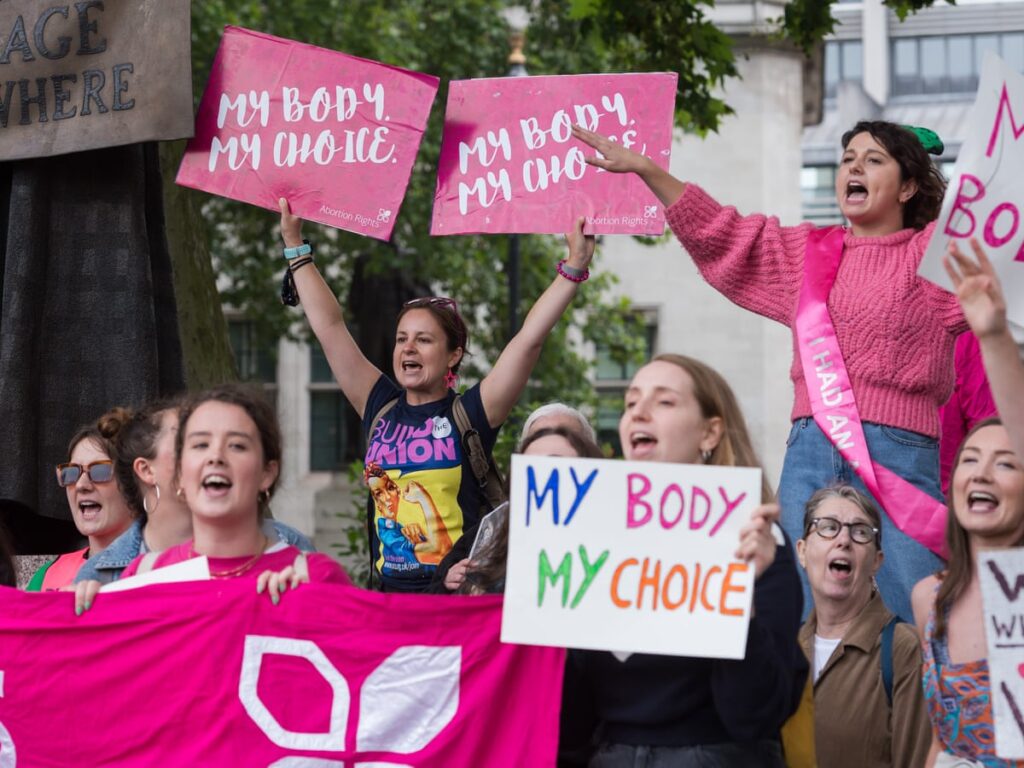
Emerging in the 1960s and 70s, second-wave feminism expanded the scope of feminist concerns beyond legal and political rights. Inspired by the Civil Rights Movement and the anti-war protests, this wave challenged the pervasive sexism embedded within social institutions, cultural norms, and interpersonal relationships. “The personal is political” became the rallying cry, exposing the ways in which seemingly private experiences were shaped by broader power structures. Issues such as reproductive rights, domestic violence, workplace discrimination, and sexual liberation took center stage. Groundbreaking texts like Betty Friedan’s “The Feminine Mystique” and Kate Millett’s “Sexual Politics” ignited widespread debate and challenged the idealized image of the happy housewife. Radical feminism, a prominent strand within this wave, advocated for the complete overthrow of patriarchal structures. This was a time of consciousness-raising groups, bra-burning (metaphorically, mostly), and a profound questioning of gender roles and expectations.
Key Content Areas for Exploring Second-Wave Feminism:
- Seminal Texts and Literature: Engage with influential works that shaped the movement’s intellectual landscape. Consider the lasting impact of authors like Simone de Beauvoir, Gloria Steinem, and Andrea Dworkin.
- Consciousness-Raising Groups: Explore the methodology and impact of these grassroots forums for sharing personal experiences and developing collective political consciousness.
- Legal and Legislative Reforms: Examine the legal battles fought to secure reproductive rights, equal employment opportunities, and protection against domestic violence.
- The Rise of Feminist Art and Culture: Analyze the ways in which artists and cultural producers challenged patriarchal representations and celebrated female experiences.
- Internal Divisions and Debates: Investigate the tensions and disagreements within the movement, particularly around issues of sexuality, race, and class.
Third-Wave Feminism: Embracing Complexity and Challenging Essentialism
Arising in the 1990s, third-wave feminism emerged as a response to perceived limitations and exclusions within second-wave feminism. This wave embraced intersectionality, recognizing that women’s experiences are shaped by a complex interplay of factors, including race, class, sexuality, and ability. Third-wave feminists challenged essentialist notions of womanhood, celebrating diversity and embracing fluidity in gender expression. They utilized new technologies and digital platforms to amplify their voices and organize collective action. Issues such as cyberfeminism, environmental justice, and global feminism gained prominence. This was also a period of reclaiming traditionally feminized activities and aesthetics, such as makeup and fashion, as forms of empowerment rather than oppression. Riot grrrl music, with its raw energy and unapologetic lyrics, became a powerful symbol of third-wave feminist activism.
Key Content Areas for Exploring Third-Wave Feminism:
- Intersectionality and Identity Politics: Delve into the concept of intersectionality and its implications for feminist theory and practice. Explore the challenges of building coalitions across diverse identities.
- Cyberfeminism and Digital Activism: Examine the role of the internet and social media in facilitating feminist organizing and challenging online sexism.
- Global Feminism and Transnational Solidarity: Investigate the ways in which feminist movements are working to address global issues such as poverty, violence, and environmental degradation.
- Reclaiming Femininity and Challenging Gender Norms: Analyze the strategies used by third-wave feminists to redefine femininity and challenge rigid gender categories.
- Pop Culture and Media Representations: Critically examine the portrayal of women in popular culture and media, and the ways in which these representations are challenged by feminist activists.
Fourth-Wave Feminism: The Digital Uprising and the Call for Accountability
Characterized by its reliance on digital platforms and social media, fourth-wave feminism, beginning in the early 21st century, has harnessed the power of online activism to expose sexism, harassment, and inequality. The #MeToo movement, a watershed moment in this wave, brought widespread attention to the prevalence of sexual assault and harassment, holding powerful individuals accountable for their actions. This wave is marked by a heightened awareness of intersectionality, inclusivity, and the need for systemic change. Issues such as trans rights, disability rights, and climate justice have become increasingly central to the feminist agenda. Fourth-wave feminism is also characterized by its emphasis on call-out culture, aiming to publicly shame individuals and institutions that perpetuate sexist or discriminatory behavior.
Key Content Areas for Exploring Fourth-Wave Feminism:
- Social Media Activism and Online Organizing: Analyze the strategies used by fourth-wave feminists to mobilize support, raise awareness, and challenge power structures through social media campaigns.
- The #MeToo Movement and the Fight Against Sexual Violence: Examine the origins, impact, and ongoing challenges of the #MeToo movement. Investigate the systemic factors that contribute to sexual violence and harassment.
- Trans Feminism and Gender Identity: Explore the perspectives of trans feminists and the ways in which they are challenging traditional notions of gender.
- Disability Rights and Feminist Intersectionality: Investigate the intersection of disability and gender, and the ways in which disabled women experience unique forms of discrimination.
- Climate Justice and Environmental Feminism: Examine the connections between environmental degradation and gender inequality, and the ways in which feminist activists are working to promote climate justice.
The Future of Feminism: A World Reimagined
The waves of feminism, each building upon the momentum of its predecessors, have irrevocably transformed society. The struggle for equality, however, is far from over. As we navigate the complexities of the 21st century, new challenges and opportunities emerge. The future of feminism lies in embracing intersectionality, fostering inclusivity, and working collaboratively to dismantle the remaining barriers to gender equality. It demands a constant questioning of power structures, a commitment to amplifying marginalized voices, and a relentless pursuit of justice for all. It necessitates a reimagining of our social, economic, and political systems, creating a world where everyone has the opportunity to thrive, regardless of gender. The undertow of patriarchal resistance may be strong, but the collective force of feminist solidarity is stronger. The tide, my friends, is turning.







Leave a Comment