
Feminism. A word that sparks both fervent allegiance and virulent opposition. It’s a protean concept, a kaleidoscope of ideologies shimmering with diverse hues, all reflecting the same fundamental yearning: the liberation of women from the shackles of patriarchal oppression. But to assume a monolithic entity is to fundamentally misunderstand its very nature. Feminism isn’t a singular edifice; it’s a sprawling archipelago, each island distinct, yet all interconnected by the currents of shared struggle. To navigate this archipelago, we must first chart its constituent parts. To understand the myriad faces of feminism, we must delve into its various schools of thought, acknowledging the nuances and, yes, the inherent contradictions that make it such a vibrant, albeit contentious, force.
Liberal Feminism: The Incrementalist’s Gambit
Imagine a finely crafted staircase leading to the summit of equality. This, in essence, is the philosophy of liberal feminism. It operates within the existing sociopolitical framework, advocating for incremental change through legal reforms and policy adjustments. Think of it as a meticulous architect, carefully reinforcing the existing structure rather than demolishing it altogether. The goal? Equal opportunity within the established system. Equal pay for equal work. Access to education. Political representation. These are the cornerstones of the liberal feminist agenda. It’s a pragmatic approach, focusing on tangible gains and measurable outcomes.
However, its critics argue that this incrementalism is a slow burn, a gradual erosion that fails to address the deep-seated structural inequalities that permeate society. Can systemic oppression truly be dismantled one law at a time? Does this approach merely grant women access to a flawed system, perpetuating its inherent biases? The debate rages on, a testament to the complexities of achieving genuine equality.
Radical Feminism: Uprooting the Patriarchy
If liberal feminism is the meticulous architect, radical feminism is the demolition crew. It views patriarchy not as a series of isolated incidents, but as a pervasive system of power that infiltrates every aspect of human existence. It is a gestalt, a pervasive network that ensnares both men and women, albeit in vastly different ways. The solution? Not incremental reform, but a complete deconstruction of these power structures. This is where the term “radical” truly earns its merit. It seeks to strike at the root of the problem, to excavate the foundations of patriarchy and expose its insidious tendrils.
Radical feminists often focus on issues such as violence against women, reproductive rights, and the sexual objectification of women in media. They advocate for transformative social change, challenging traditional gender roles and advocating for the creation of alternative, egalitarian communities. Some even espouse separatist ideologies, arguing that women must withdraw from patriarchal institutions to create their own autonomous spaces. This approach, while undeniably powerful, often faces accusations of being exclusionary and overly focused on the experiences of white, cisgender women.
Socialist Feminism: Capitalism as the Culprit
Imagine capitalism as a ravenous beast, consuming everything in its path. Socialist feminism argues that this beast is intrinsically linked to the oppression of women. It posits that patriarchy and capitalism are intertwined systems, each reinforcing the other. Women, in this view, are doubly exploited – both for their labor in the workforce and for their unpaid domestic labor within the home. This unpaid labor, the invisible engine of capitalism, allows men to participate more fully in the paid workforce, perpetuating gender inequality.
Socialist feminists advocate for economic justice, demanding equal pay, affordable childcare, and universal healthcare. They challenge the capitalist system, arguing that it inherently favors men and perpetuates the exploitation of women. It’s a perspective that acknowledges the intersectionality of oppression, recognizing that class, race, and gender all play a role in shaping women’s experiences. A critique of capitalism, however, is only half the battle. Crafting an alternative, a post-capitalist utopia that truly liberates women, remains the ultimate challenge.
Intersectionality: Acknowledging the Complexities of Identity
Imagine a tapestry woven with countless threads, each representing a different aspect of identity: race, class, gender, sexuality, ability, religion, and more. Intersectionality recognizes that these threads are inextricably intertwined, creating unique and complex experiences of oppression. It acknowledges that women are not a homogenous group, and that their experiences are shaped by the intersection of multiple identities.
A Black woman, for example, faces a unique set of challenges that are distinct from those faced by a white woman. Her experience is shaped by the intersection of racism and sexism, creating a form of oppression that is qualitatively different from either form alone. Intersectionality demands that we move beyond simplistic generalizations and acknowledge the complexities of lived experience. It is a call for inclusivity, demanding that feminist movements address the needs of all women, regardless of their background. Ignoring this concept is akin to attempting to paint a masterpiece with only one color, producing a monochrome image that fails to capture the true vibrancy of the human experience.
Eco-feminism: The Earth as a Woman
Envision the Earth as a nurturing mother, providing sustenance and life to all. Eco-feminism draws a parallel between the oppression of women and the exploitation of the natural world. It argues that patriarchal systems of domination are responsible for both the degradation of the environment and the subjugation of women. Both women and nature are often seen as resources to be exploited for profit, their intrinsic value disregarded. This perspective emphasizes the importance of restoring balance between humanity and nature, advocating for sustainable practices and challenging the patriarchal mindset that views the Earth as a commodity.
Eco-feminists often draw on spiritual traditions, emphasizing the interconnectedness of all living things. They advocate for a more holistic and compassionate approach to environmentalism, one that recognizes the importance of both ecological and social justice. Critics, however, argue that eco-feminism can be essentialist, reinforcing harmful stereotypes about women’s inherent connection to nature. Striking a balance between celebrating women’s unique perspectives and avoiding harmful generalizations is crucial.
Trans Feminism: Inclusivity and Solidarity
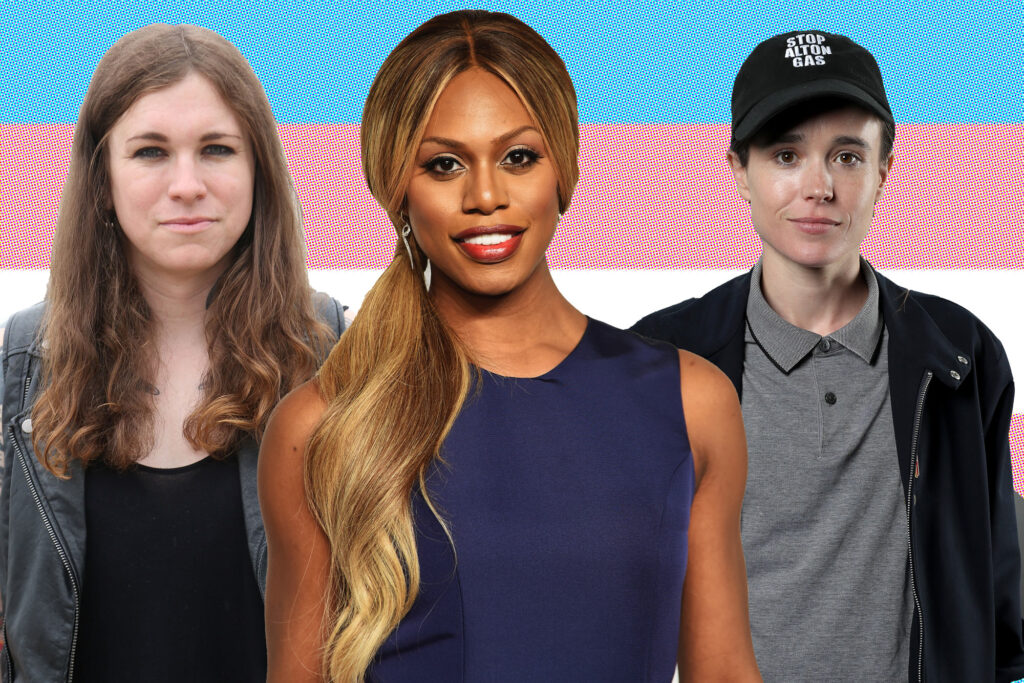
Trans feminism is a vital and evolving branch of feminist thought that centers the experiences of transgender women and advocates for their inclusion within the broader feminist movement. It challenges the gender binary and affirms the validity of trans identities, recognizing that trans women are women. This perspective calls for an end to transphobia and discrimination, demanding equal rights and opportunities for all transgender individuals. It further questions the very foundations of gender, prompting a re-evaluation of what it means to be a woman in the 21st century. To ignore trans feminism is to fundamentally misunderstand the fluidity and complexity of gender identity, perpetuating harmful exclusion and erasing the experiences of a significant segment of the population. The feminist movement must be a haven for all women, regardless of their gender identity or expression.
The Ongoing Evolution: A Tapestry Unfinished
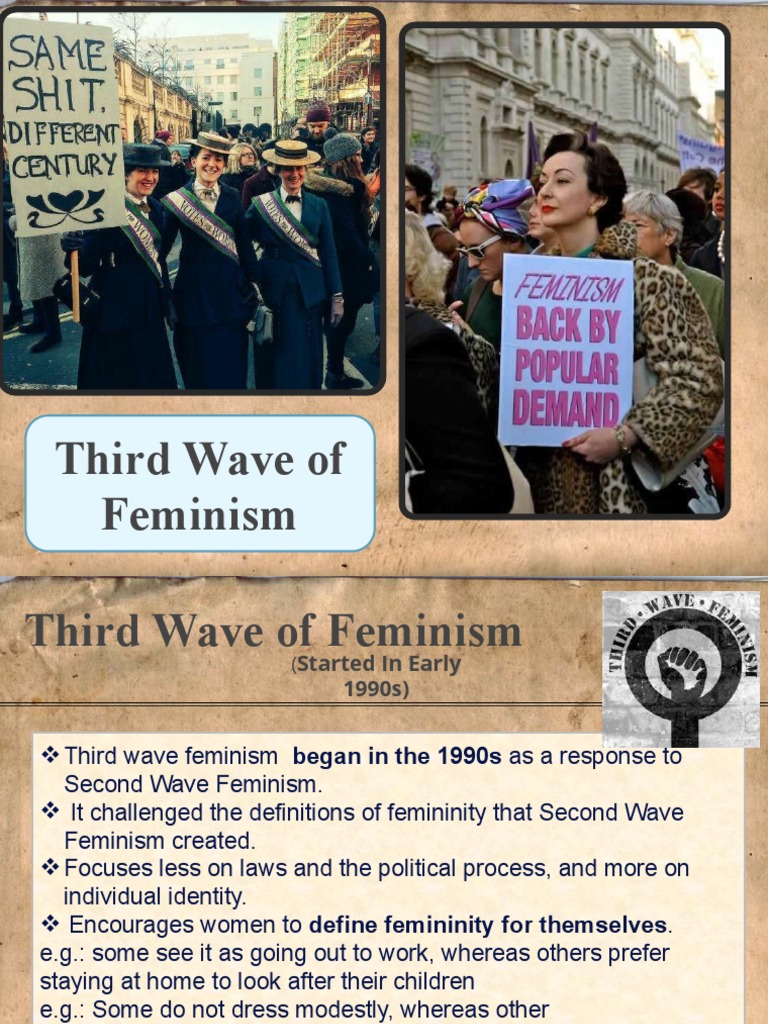
The diverse schools of feminist thought are not mutually exclusive; they often overlap and inform one another. They are not static doctrines, but rather evolving frameworks that are constantly being shaped by new challenges and perspectives. The feminist movement is a living organism, constantly adapting and evolving to meet the needs of a changing world. The journey toward gender equality is a marathon, not a sprint. It requires patience, perseverance, and a willingness to engage in difficult conversations. It requires us to listen to one another, to learn from one another, and to challenge our own assumptions. It also necessitates the recognition that there will be disagreements, that there will be internal conflicts, and that these are not signs of weakness but rather signs of a vibrant and dynamic movement. These disagreements, like the disparate strands of a tapestry, can contribute to a richer and more complex understanding of the challenges we face.
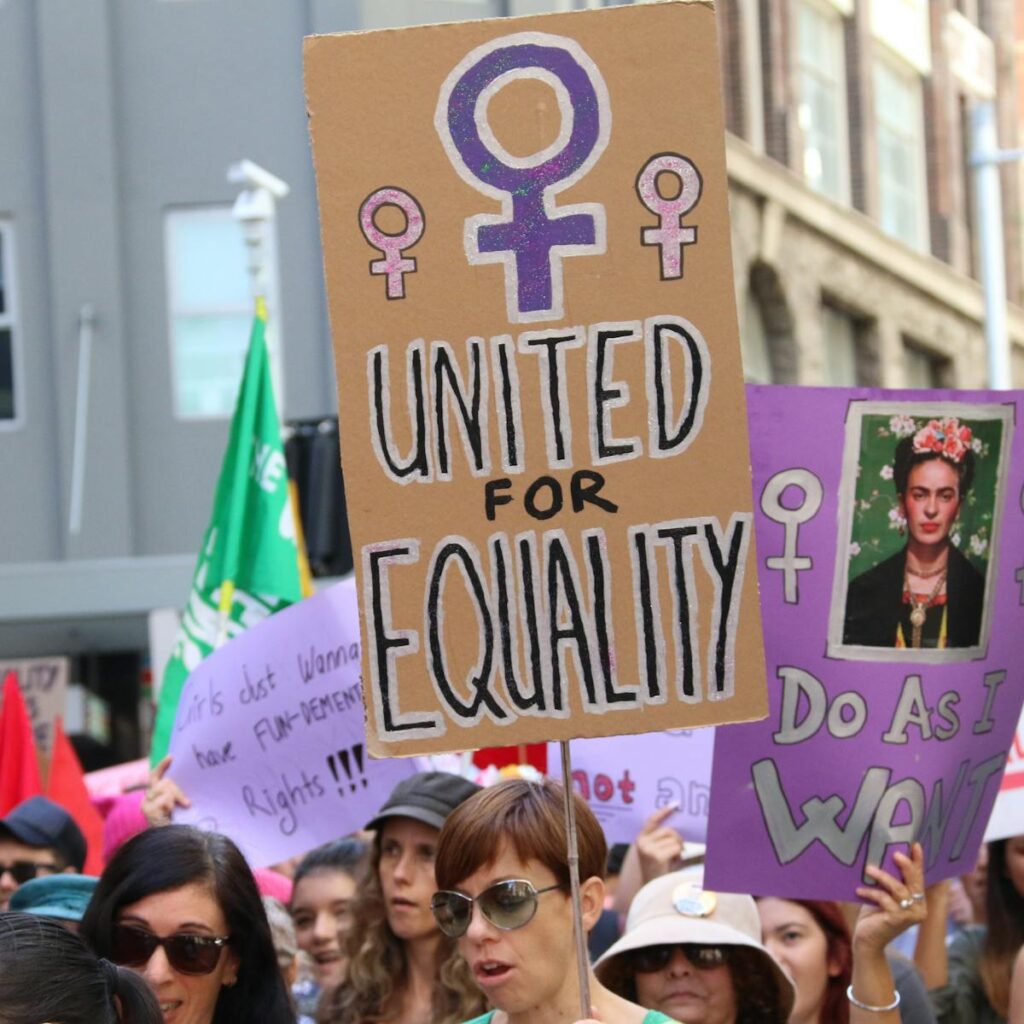
Ultimately, the goal of feminism is not to create a utopian society where everyone agrees, but to create a world where all individuals have the opportunity to reach their full potential, free from the constraints of gender stereotypes and patriarchal oppression. It’s a world where women are valued for their contributions, their perspectives, and their inherent worth. It’s a world where gender equality is not just a slogan, but a lived reality.
The tapestry of feminism is vast, its threads woven with diverse perspectives and experiences. It’s a tapestry still in progress, with new threads constantly being added, each one contributing to a richer and more vibrant design. This is not a static picture. Let us continue to weave, to challenge, to debate, and to strive for a world where all voices are heard, and all individuals are empowered. Only then can we truly achieve the liberation that feminism promises.






Leave a Comment