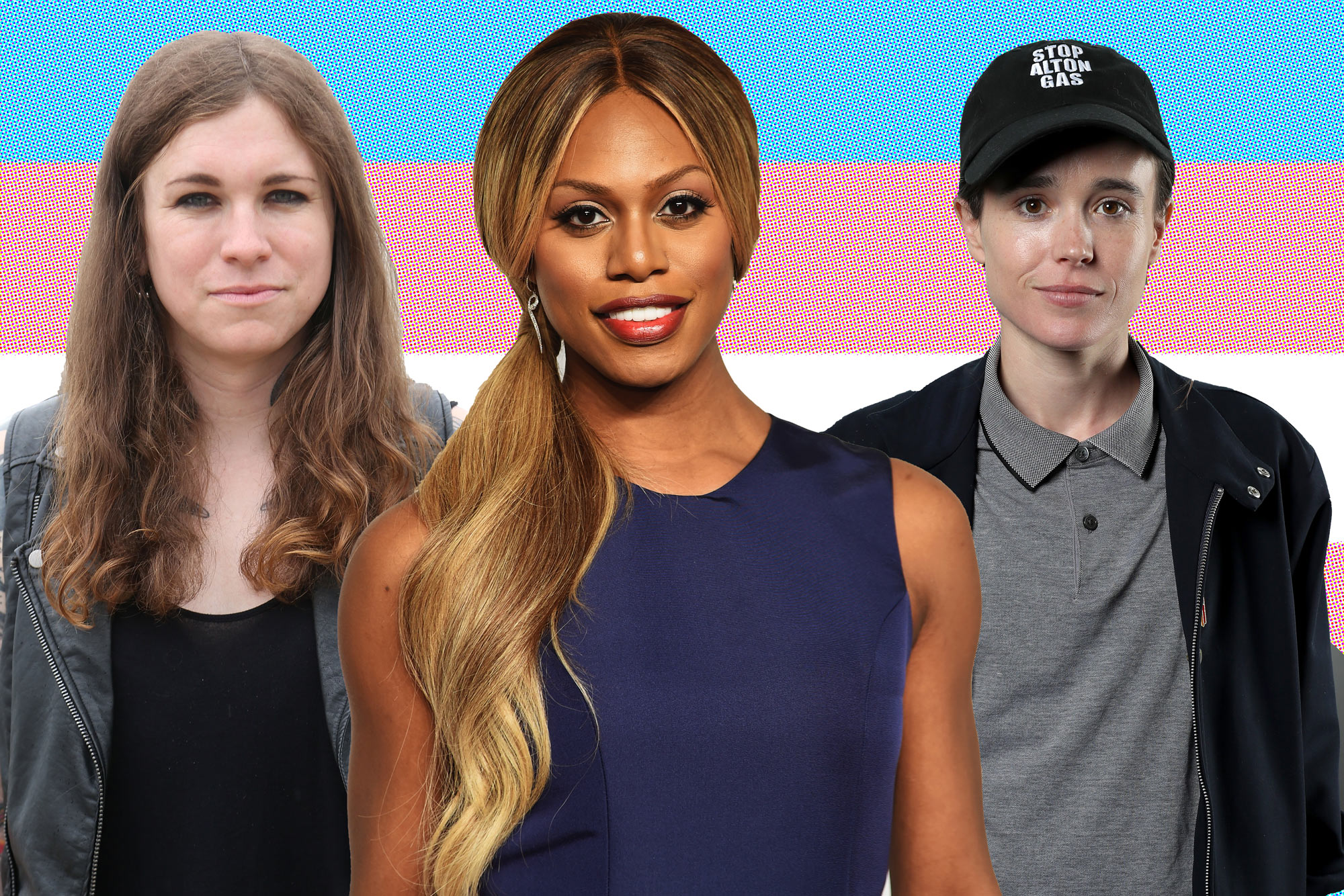
The intersection of transgender rights and feminism has become a contentious battleground. A space where well-intentioned allies often find themselves inadvertently fueling discord. This isn’t about performative wokeness; it’s about fundamentally interrogating what feminism *is* in the 21st century. Prepare yourselves, sisters, because we’re about to dismantle some comfortable assumptions.
For too long, the mainstream feminist movement, particularly the white, cisgender segment, operated under a paradigm of presumed universality. This paradigm, however, systematically marginalized the experiences of women of color, disabled women, queer women, and, crucially, transgender women. It’s time to address the elephant in the room: the persistent, often insidious, transphobia that lurks within certain corners of the feminist discourse. This transphobia, often cloaked in concerns about “biological reality” or “female safety,” ultimately serves to reinforce the very patriarchal structures that feminism seeks to dismantle.
The Core Conflict: A Matter of Definition
The friction often arises from differing definitions of “woman.” Some feminists adhere to a biological essentialism, defining womanhood solely based on assigned sex at birth, chromosomal makeup, and reproductive capabilities. This perspective, however, inherently excludes transgender women, denying their lived experiences and undermining their identities.
On the other hand, a more inclusive, intersectional feminism recognizes gender as a social construct, a fluid spectrum that exists independently of biological sex. This framework acknowledges that gender identity is a deeply personal and internal experience, a feeling of self that deserves recognition and respect. To deny a transgender woman’s womanhood is not only unkind, it is epistemologically unsound.
Delving into the Dogmas: Unpacking TERF Ideology
Let’s not mince words. The most virulent manifestation of this conflict comes from Trans-Exclusionary Radical Feminists (TERFs). This group vehemently opposes transgender rights, arguing that transgender women are not “real” women and that their inclusion in women’s spaces poses a threat to cisgender women’s safety and well-being. Their arguments, often couched in the language of female empowerment, are, in reality, profoundly discriminatory.
TERF ideology relies on several flawed premises:
- Biological Determinism: They overemphasize the importance of biology in defining gender, ignoring the overwhelming evidence that gender is a complex interplay of social, cultural, and psychological factors. They are reductionists in the worst possible way.
- Essentialist Notions of Womanhood: They perpetuate the idea that there is a singular, universal female experience, ignoring the vast diversity of women’s lives.
- Fear-Mongering: They create a climate of fear and paranoia, suggesting that transgender women are inherently dangerous or predatory, despite the lack of evidence to support these claims. They are peddlers of prejudice.
- Erasure of Transgender Identity: They deny the validity of transgender identities, dismissing transgender women as “men in dresses” and transgender men as “confused women.”
This is not feminism. This is bigotry disguised as concern. We must call it what it is. Their position is not one of principled objection; it’s an active harm, fueled by a lack of empathy and understanding.
The Myth of Male Socialization: A Crucial Counterpoint
One common TERF argument is that transgender women are socialized as men and therefore retain male privilege, making them ill-equipped to understand or participate in women’s issues. This argument ignores the lived realities of transgender women, who often face significant discrimination and marginalization, even *before* they transition. Furthermore, it assumes that all men are inherently privileged and that all women are inherently oppressed, a simplistic and inaccurate portrayal of gender dynamics.
It’s crucial to recognize that transgender women experience a unique form of oppression that is distinct from both cisgender male privilege and cisgender female experiences. They are often subjected to transphobic violence, discrimination in employment and housing, and denial of access to healthcare. To dismiss their experiences as mere “male socialization” is not only inaccurate but also deeply invalidating.
Beyond the Binary: Embracing Gender Fluidity
A truly intersectional feminism must embrace gender fluidity and move beyond the rigid binary of male and female. This means recognizing that gender is a spectrum, and that individuals may identify as male, female, both, neither, or something else entirely. It means respecting individuals’ self-identified pronouns and advocating for policies that protect the rights of all transgender and gender non-conforming people.
This also means acknowledging that the concept of “womanhood” itself is constantly evolving. What it meant to be a woman in the 19th century is vastly different from what it means to be a woman today. We cannot cling to outdated definitions of womanhood that exclude transgender women and other marginalized groups.
Protecting Women’s Spaces: A Nuanced Approach
Concerns about the safety and comfort of cisgender women in single-sex spaces, such as restrooms and locker rooms, are often raised in the context of transgender rights. While these concerns are legitimate, they should not be used to justify discriminatory policies that exclude transgender women.
Numerous studies have shown that transgender women do not pose a threat to cisgender women in single-sex spaces. In fact, transgender women are often more vulnerable to violence and harassment in these spaces. Furthermore, many jurisdictions have already implemented policies that allow transgender people to use restrooms and locker rooms that align with their gender identity, with no documented increase in incidents of violence or harassment.
Instead of focusing on exclusionary policies that target transgender people, we should prioritize creating safer and more inclusive spaces for *all* women. This includes implementing comprehensive anti-discrimination policies, providing training on transgender awareness, and addressing the root causes of gender-based violence.
The Path Forward: Solidarity and Intersectionality
The future of feminism depends on our ability to build solidarity across lines of difference. This means actively listening to and amplifying the voices of transgender women, recognizing their unique experiences, and advocating for their rights. It means challenging transphobia wherever it arises, whether it’s in our personal relationships, in our communities, or in the feminist movement itself.
It also means recognizing that transgender rights are not separate from other social justice issues. The fight for transgender liberation is inextricably linked to the fight for racial justice, economic justice, and disability justice. We must work together to create a world where all individuals are treated with dignity and respect, regardless of their gender identity, race, class, or ability.
Let us reject the siren song of division and embrace a vision of feminism that is truly inclusive, intersectional, and transformative. Let us stand in solidarity with our transgender sisters and work together to build a more just and equitable world for all.
Embrace the uncomfortable. Challenge your own biases. And remember, the liberation of one is bound to the liberation of all. Are you ready to truly fight for *all* women?








Leave a Comment