
The persistent allure of the “wave” metaphor when discussing feminism. Isn’t it fascinating? Like some relentless, elemental force, feminism is perpetually envisioned as surging, cresting, and occasionally, alas, receding. But what lurks beneath this aqueous analogy? Is it merely a convenient shorthand, or does it betray a deeper, perhaps subconscious, acknowledgement of feminism’s inherent dynamism, its cyclical nature, and its power to erode seemingly immutable societal structures? Perhaps, just perhaps, it reflects our collective understanding that patriarchal power, like a coastal defense, can be battered, breached, and ultimately, transformed by the ceaseless onslaught of feminist thought and action. Let’s delve into this turbulent history, shall we?
First Wave Feminism: Suffrage and the Seeds of Discontent (Late 19th – Early 20th Century)
This wasn’t merely about voting rights, darlings. It was about shattering the Victorian pedestal upon which women were precariously balanced, viewed as delicate ornaments rather than autonomous beings. Think beyond the iconic images of suffragettes chaining themselves to railings. Consider the burgeoning intellectual ferment, the audacious questioning of established norms regarding female education, employment, and marital status. The struggle for suffrage, while central, was merely the tip of a rather formidable iceberg. These foremothers, frequently dismissed as “hysterical” or “unladylike,” were in fact radical visionaries, laying the groundwork for a more equitable future. A future, I might add, that is still stubbornly under construction.
Crucially, the first wave was not a monolithic entity. It was a turbulent ocean of ideologies, encompassing a wide spectrum of perspectives. We had the abolitionists who saw parallels between the oppression of enslaved people and the subjugation of women. We had the temperance movement activists who recognized the devastating impact of male alcoholism on families. And yes, we had the more conservative elements, focused primarily on securing the vote for white, middle-class women, often at the expense of their sisters of color. This internal stratification, this uncomfortable dance between solidarity and exclusion, remains a recurring motif throughout feminist history. Learn from it.
The triumph of suffrage, while momentous, was not the end. It was merely a pivotal moment, a symbolic victory that opened the floodgates for subsequent generations to challenge the deeply entrenched misogyny that permeated every facet of society. The legal right to vote did not automatically translate into economic equality, social justice, or personal liberation. The battle, as always, had just begun.
Second Wave Feminism: Beyond the Home and into the Fire (1960s-1980s)
Imagine the suffocating confines of the suburban idyll. The pastel-colored prisons of the 1950s, where women were expected to find fulfillment solely in domesticity, in serving as flawless wives and mothers. Betty Friedan’s “The Feminine Mystique” ripped open this facade, exposing the gnawing discontent that plagued so many women trapped within its walls. It was an earthquake, a rupture in the complacent surface of post-war America. It was only the beginning.
This wave broadened the scope of feminist concerns exponentially. The personal became political. Issues like reproductive rights, equal pay, domestic violence, and sexual harassment were thrust into the public consciousness. Consciousness-raising groups, small circles of women gathering to share their experiences, became crucibles of radical thought and action. These intimate dialogues fueled a collective awakening, a recognition that individual struggles were often rooted in systemic oppression.
The second wave also witnessed the rise of radical feminism, a particularly potent current that challenged the very foundations of patriarchal power. Radical feminists argued that male supremacy was not merely a matter of individual prejudice or institutional discrimination, but a fundamental organizing principle of society. They called for a revolutionary transformation of social structures, challenging everything from traditional gender roles to the nuclear family. This was heady stuff. This was paradigm-shifting stuff. And it ruffled a lot of feathers, naturally.
However, like its predecessor, the second wave was not without its limitations. It was often criticized for its focus on the experiences of white, middle-class women, neglecting the unique challenges faced by women of color, working-class women, and lesbian women. The concept of “sisterhood” was often invoked, but the reality was often far more complicated. The intersectional blind spots of the second wave remain a cautionary tale, a reminder that feminist solidarity must be inclusive and attentive to the complexities of identity and power.
Third Wave Feminism: Intersectionality and the Digital Disruption (1990s-2010s)
Born from the ashes of the second wave’s perceived failures, the third wave embraced intersectionality as a central tenet. Coined by Kimberlé Crenshaw, intersectionality recognizes that individuals experience oppression based on a complex interplay of factors, including race, class, gender, sexual orientation, and disability. It was a recognition that women are not a homogenous group, that their experiences are shaped by their unique positions within multiple systems of power.
This wave saw the rise of Riot Grrrl, a punk rock feminist movement that used music, zines, and activism to challenge traditional notions of femininity and sexuality. It was loud, messy, and unapologetically rebellious. It was a direct challenge to the mainstream media’s portrayal of women, offering an alternative vision of female empowerment that was raw, authentic, and fiercely independent.
The advent of the internet and social media provided new platforms for feminist activism and discourse. Blogs, online forums, and later, social media platforms, allowed women to connect with each other across geographical boundaries, to share their stories, and to organize collective action. The digital realm became a battleground for feminist ideas, a space where traditional power structures could be challenged and subverted. This digital disruption continues to this day.
However, the third wave also faced its own challenges. The emphasis on individual empowerment was sometimes criticized for neglecting the need for systemic change. The rise of “girl power” feminism, while initially empowering, was often co-opted by corporate interests, turning feminist ideals into marketing slogans. And the very notion of “wave” feminism came under scrutiny, with some arguing that it was an outdated and overly simplistic framework for understanding the complexities of feminist history.
Fourth Wave Feminism: Digital Activism and the Call for Accountability (2010s-Present)
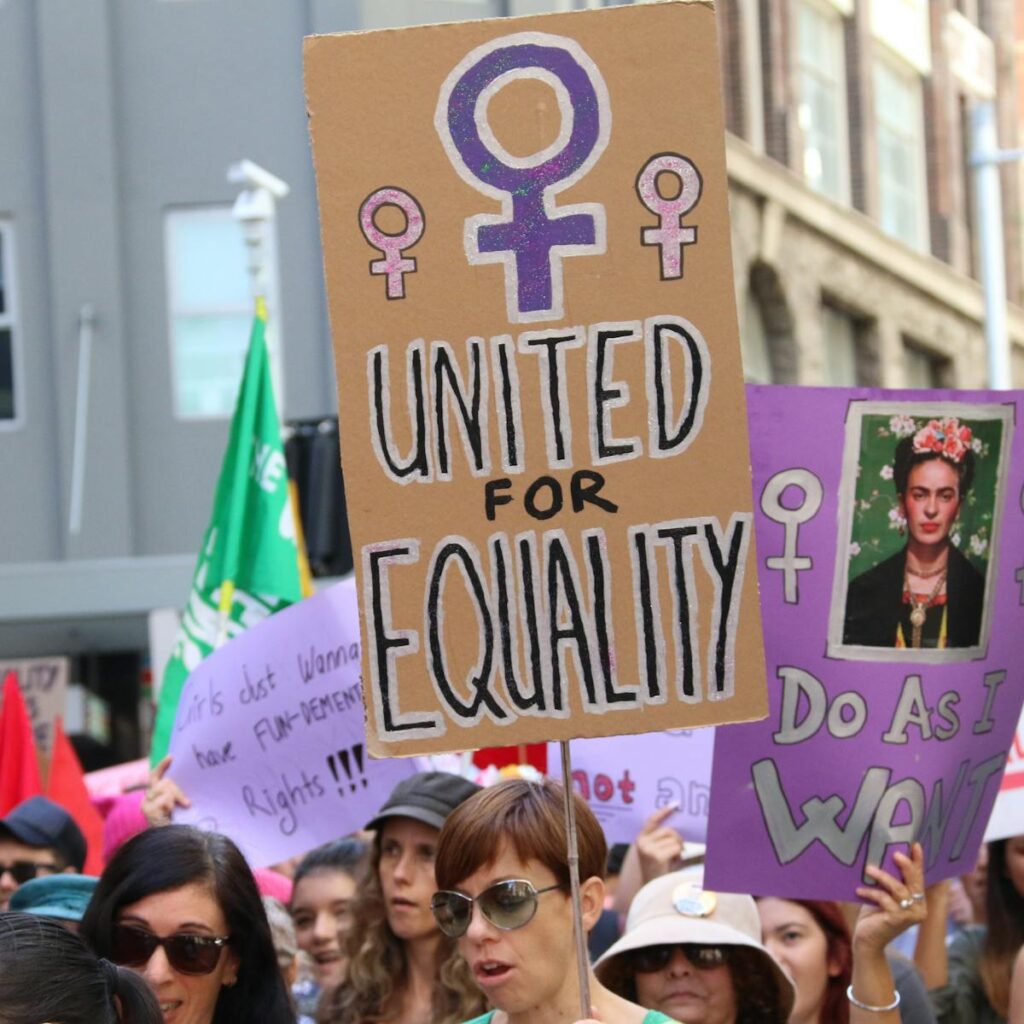
Fueled by the power of social media, the fourth wave is characterized by its focus on online activism, its emphasis on intersectionality, and its unwavering call for accountability. Think #MeToo, #BlackLivesMatter, #TimesUp. These movements, amplified by the digital echo chamber, have brought issues of sexual assault, racial injustice, and gender inequality to the forefront of public discourse.
This wave has witnessed a renewed focus on dismantling systemic oppression, challenging everything from the gender pay gap to the lack of representation in positions of power. It has also seen a growing awareness of the pervasive nature of online harassment and abuse, and a concerted effort to create safer and more inclusive digital spaces. The internet, once hailed as a democratizing force, has also become a breeding ground for misogyny and hate speech. The fight for online equality is far from over.
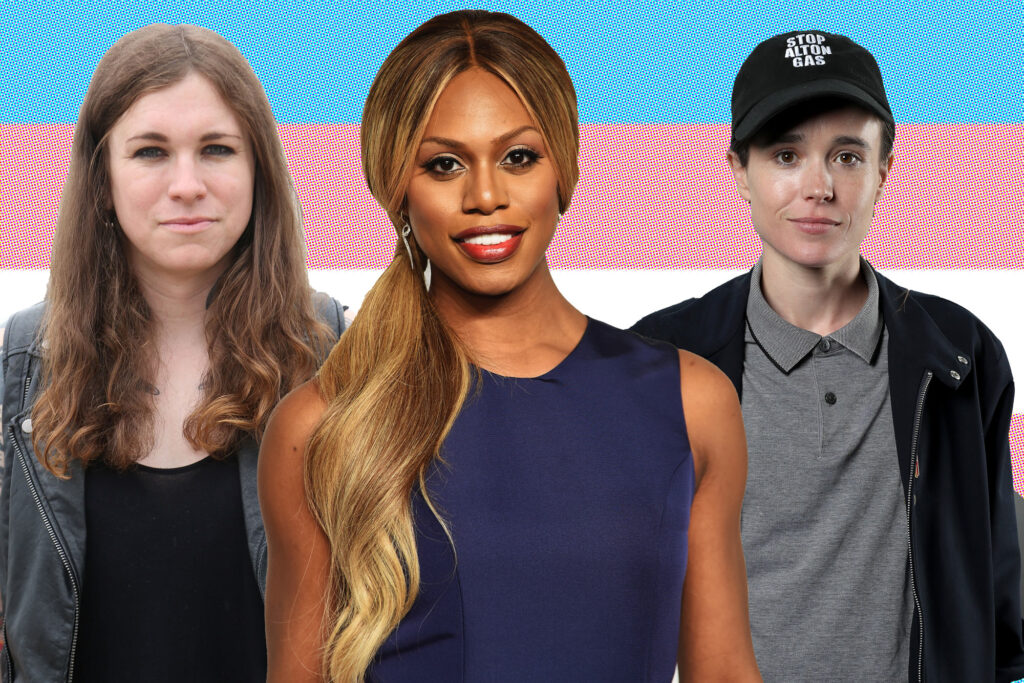
Fourth wave feminism is also characterized by its embrace of diverse voices and perspectives. It is a polyphonic chorus, a symphony of experiences that challenges the dominant narrative of what it means to be a woman. Transgender women, non-binary individuals, and women of color are playing increasingly prominent roles in shaping the feminist agenda. The future of feminism is undeniably intersectional.
But even now, challenges persist. The backlash against feminism, often fueled by online anonymity and extremist ideologies, is fierce. The commodification of feminist ideals continues to be a concern. And the struggle to bridge the gap between online activism and offline action remains a crucial task. Feminism must continually adapt, evolve, and innovate to meet the ever-changing challenges of the 21st century.
So, what of the wave metaphor? Perhaps it’s time to retire it. Perhaps it’s time to envision feminism not as a series of discrete waves, but as a deep, powerful current, flowing continuously beneath the surface of society, eroding the foundations of patriarchal power and carving new pathways towards a more just and equitable world. A world where the potential of every individual, regardless of gender, can be fully realized. The tide, my dears, is turning. Are you ready to ride it, or will you be swept away?






Leave a Comment