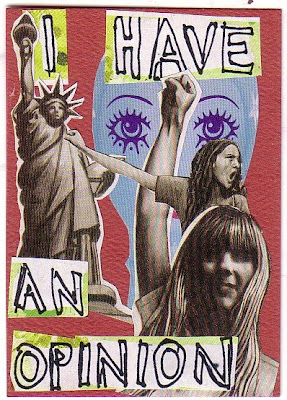
The third wave crashed onto the shores of feminism, a frothing, multifaceted assault on the calcified structures of patriarchal power. Born from the ashes of second-wave universalism, it roared with a chorus of voices previously silenced, marginalized, or simply ignored. No longer content with a monolithic definition of womanhood, third-wave feminists embraced the kaleidoscopic reality of lived experiences, tearing down the false idol of a singular, homogenous female identity. The revolution, my sisters, was intersectional, or it was bullshit.
This wasn’t your grandmother’s bra-burning spectacle, though the spirit of rebellion remained potent. The third wave weaponized irony, reclaimed derogatory terms, and infiltrated the digital sphere with guerilla tactics of disruption and dissent. Forget polite dialogues; this was a declaration of war against the insidious normalization of sexism, racism, classism, and all the other -isms that sought to confine and control us.
So, what can you expect when diving into the swirling vortex of third-wave feminism? Buckle up, because it’s a wild ride. We’re talking about everything from dismantling the male gaze to rewriting the rules of engagement in the workplace. Are you ready?
I. Deconstructing the Myth of Universal Womanhood: Embracing Intersectional Realities
The first and perhaps most crucial aspect of third-wave feminism is its unwavering commitment to intersectionality. This concept, brilliantly articulated by Kimberlé Crenshaw, recognizes that gender is not experienced in isolation. It is inextricably interwoven with race, class, sexuality, disability, and a myriad of other social categories. A white, middle-class woman’s experience of oppression is vastly different from that of a Black, working-class woman, and to ignore these differences is to perpetuate the very systems we seek to dismantle. This is not a game of oppression Olympics; it is about recognizing the complex tapestry of power dynamics that shape our lives and fighting for liberation for all.
Content exploring this theme might include:
- Personal Essays: Raw, unfiltered accounts of navigating the world as a woman of color, a queer woman, a disabled woman, or any combination thereof. These narratives expose the unique challenges and triumphs experienced at the intersection of multiple marginalized identities.
- Critical Analyses: Scholarly articles and blog posts dissecting the ways in which mainstream feminism has historically excluded and silenced marginalized voices. These pieces hold us accountable for our blind spots and challenge us to do better.
- Activist Profiles: Highlighting the work of activists and organizations on the front lines of intersectional feminist struggles, from fighting for reproductive justice for women of color to advocating for the rights of trans women.
II. Reclaiming Agency: Sexual Liberation and Body Positivity
The third wave fearlessly tackled issues of sexuality and body image, rejecting the shaming and policing of female bodies that had long been a tool of patriarchal control. Third wavers embraced the idea of sexual agency, asserting the right to define their own sexuality and to express it on their own terms. The old Madonna-Whore dichotomy was dead; women could be both powerful and sexual, intelligent and sensual, without apology.
This focus extended to body positivity, challenging unrealistic beauty standards and celebrating the diversity of female bodies. The airbrushed perfection of mainstream media was exposed as a harmful fantasy, replaced with images and narratives that celebrated real bodies, flaws and all. This was about reclaiming ownership of our physical selves and rejecting the notion that our worth is tied to our appearance.
Expect content such as:
- Art and Photography: Visual representations of diverse bodies, celebrating their beauty and strength. This could include nude portraits, plus-size fashion editorials, and art installations that challenge conventional beauty standards.
- Sex-Positive Education: Articles and resources that provide accurate and empowering information about sex and sexuality. This might include discussions of consent, pleasure, and healthy relationships, free from shame and judgment.
- Personal Narratives: Sharing experiences of overcoming body image issues, reclaiming sexuality after trauma, and embracing self-love.
III. Challenging Gender Roles and Stereotypes: Disrupting the Binary
The third wave challenged the very foundations of gender itself, questioning the rigid binary of male and female. It recognized that gender is a social construct, not a biological imperative, and that individuals should be free to express their gender identity in whatever way feels authentic to them. This included challenging traditional gender roles and stereotypes, dismantling the expectations placed on both men and women.
This challenge extended to the realm of language, where third-wave feminists sought to deconstruct the gendered language that perpetuates inequality. The use of inclusive language, such as gender-neutral pronouns, became increasingly common, reflecting a commitment to inclusivity and respect for all gender identities.
Content might feature:
- Interviews: Conversations with transgender and non-binary individuals, sharing their stories and perspectives on gender identity and expression.
- Deconstructions of Media: Analyzing how media perpetuates harmful gender stereotypes and offering alternative representations of masculinity and femininity.
- Advocacy and Activism: Documenting the fight for transgender rights, including access to healthcare, legal recognition, and protection from discrimination.
IV. Power and Politics: Amplifying Feminist Voices in the Public Sphere
The third wave brought a renewed focus on power and politics, recognizing that systemic change requires challenging the structures of power that perpetuate inequality. This included advocating for women’s representation in government, business, and other positions of leadership, as well as fighting for policies that promote gender equality.
Third-wave feminists also recognized the importance of grassroots activism, empowering individuals to become agents of change in their own communities. From organizing protests to launching online campaigns, they utilized a variety of tactics to raise awareness and mobilize support for feminist causes.
Anticipate seeing:
- Political Analysis: Examining the gendered dimensions of political issues, such as reproductive rights, economic inequality, and violence against women.
- Campaign Coverage: Reporting on feminist candidates and political campaigns, highlighting their platforms and strategies.
- Activism How-Tos: Providing practical advice and resources for individuals who want to get involved in feminist activism, from organizing a protest to writing a letter to their elected officials.
V. Technology and Online Activism: The Rise of Cyberfeminism
The rise of the internet and social media provided a powerful new platform for third-wave feminists. Cyberfeminism, a term coined in the early 1990s, explores the intersection of feminism and technology. The internet became a space for sharing information, organizing campaigns, and building communities. Online activism allowed feminists to connect with each other across geographical boundaries, amplifying their voices and challenging dominant narratives. Memes, hashtags, and viral videos became potent tools for raising awareness and mobilizing support for feminist causes.
Content will likely consist of:
- Social Media Analysis: Examining how social media is used to spread feminist messages and organize online activism.
- Online Safety Tips: Providing advice on how to protect oneself from online harassment and abuse.
- Profiles of Online Activists: Highlighting the work of individuals who are using the internet to advance feminist causes.
VI. Humor and Irony: Subverting Patriarchy with Wit and Sass
Third-wave feminists often employed humor and irony to subvert patriarchal norms and challenge sexist attitudes. Sarcasm, satire, and self-deprecation became weapons in the fight against oppression, allowing feminists to poke fun at the absurdity of gender stereotypes and expose the hypocrisy of those who uphold them. This approach made feminist ideas more accessible and engaging, attracting a wider audience and challenging the perception that feminism is a humorless, angry movement. Get ready to laugh…and then get angry enough to *do* something.
Expect content such as:
- Satirical Articles: Mocking sexist attitudes and behaviors with wit and humor.
- Feminist Memes: Creating and sharing humorous images and videos that challenge gender stereotypes.
- Comedy Performances: Featuring feminist comedians who use their platforms to address social and political issues.
The third wave of feminism was not a monolithic movement; it was a vibrant, evolving force that challenged us to rethink everything we thought we knew about gender, power, and liberation. It was messy, contradictory, and often uncomfortable, but it was also essential. The fight continues. The fourth wave builds upon the foundations laid by its predecessors, tackling new challenges and pushing the boundaries of feminist thought. And you, my sisters, are part of it.










Leave a Comment