
Feminism. The very word can ignite a firestorm of opinions, assumptions, and often, blatant misrepresentations. But let’s be clear: Feminism isn’t a monolithic entity. It’s not a singular dogma handed down from on high. It’s a vibrant, evolving ecosystem of diverse perspectives, approaches, and goals, all united by the core principle of gender equality. Buckle up, buttercups, because we’re about to deconstruct the myths and delve into the multifaceted world of feminism.
Think of it as a glorious, messy garden, where each branch represents a unique strain of thought, all striving towards a common goal but flourishing in their own distinct ways. Are you ready to cultivate your understanding?
Liberal Feminism: Playing by Whose Rules?
Ah, the so-called ‘nice’ feminism. Liberal feminists advocate for equality within the existing system. They believe in leveling the playing field through legal and political reforms. Suffrage? Equal pay? Reproductive rights? These are the battle cries of the liberal feminist. They champion individual rights and opportunities for women, striving for parity in education, employment, and political representation. But here’s the rub: can real change truly happen when we’re still playing by the established rules? Are we merely rearranging the deck chairs on the Titanic of patriarchal oppression? The question lingers like a persistent microaggression.
Liberal feminists focus on legislation. A focus on policy and legislative reform, such as the Equal Rights Amendment, is key. Many believe that through legal means, women can achieve their full potential without radical systemic change.
This perspective often aligns with mainstream politics, seeking to integrate women into existing power structures rather than fundamentally challenging them. Is this integration true equality, or simply assimilation? The debate rages on.
Radical Feminism: Tearing Down the Walls
Now we’re talking! Radical feminism goes deeper, challenging the very foundations of patriarchal society. Forget tweaking the system; radical feminists want to dismantle it entirely. They view patriarchy as a pervasive system of power that permeates every aspect of our lives – from our relationships to our institutions to our very thoughts. The personal is political, they declare, and every action, every interaction, is tinged with the shadow of oppression.
They seek to uproot the deep-seated structures that perpetuate male dominance, calling for a revolution of consciousness and a radical restructuring of society. Think separatism, re-imagining social structures, and a complete overhaul of societal norms. Is this too extreme? Perhaps. But sometimes, extreme measures are necessary to combat extreme injustice. Are we willing to entertain the possibility of a total social metamorphosis?
Radical feminists are critical of traditional gender roles. They argue that these roles are socially constructed and designed to subordinate women. Radical feminism explores ways to deconstruct and redefine gender.
Consciousness-raising is a significant tool in radical feminism. It helps women understand their oppression and encourages collective action. Awareness is key.
Socialist Feminism: Class Warfare Meets Gender Equality
Socialist feminism recognizes the interconnectedness of gender oppression and class exploitation. It argues that capitalism and patriarchy are mutually reinforcing systems, each exacerbating the other. Women are not just oppressed as women, but as members of a particular class. They advocate for economic justice and social equality for all, recognizing that true liberation requires a dismantling of both capitalist and patriarchal structures.
The focus shifts from individual rights to collective liberation, emphasizing the need to address the root causes of inequality – economic exploitation and social hierarchy. Are we willing to acknowledge the intersectional nature of oppression and fight for a world where both gender and class inequalities are eradicated?
Socialist feminists highlight the role of capitalism in perpetuating gender inequality. They examine how labor markets, wage gaps, and economic policies affect women. This analysis reveals systemic disadvantages.
Revolutionary socialism and radical change are often advocated for. This approach seeks to transform both the economic and social structures that oppress women and working-class individuals.
Intersectionality: The Crossroads of Oppression
Intersectionality, coined by Kimberlé Crenshaw, is not a separate branch of feminism but a critical lens through which to understand all forms of oppression. It recognizes that individuals experience multiple forms of discrimination based on race, class, sexual orientation, disability, and other social identities. These identities intersect and interact, creating unique and complex experiences of oppression. A Black woman’s experience of sexism, for example, will be vastly different from that of a white woman due to the added layer of racial discrimination.
Intersectionality demands that we move beyond a singular focus on gender and acknowledge the multiple dimensions of identity that shape our experiences. It challenges us to be more inclusive and to recognize the diversity within the feminist movement. Are we willing to embrace the complexities of intersectionality and fight for a feminism that is truly inclusive of all?
Intersectionality acknowledges the complexity of identity and experiences. It challenges the idea that all women share the same struggles or priorities. Diversity is acknowledged and celebrated.
This approach necessitates a broader analysis of power structures. It explores how racism, sexism, classism, and other forms of oppression intersect and reinforce each other. The analysis deepens understanding.
Eco-feminism: Mother Earth and the Patriarchy
Eco-feminism draws a connection between the oppression of women and the degradation of the environment. It argues that both are rooted in patriarchal systems of domination and control. Just as men have sought to dominate and control women, they have also sought to dominate and control nature. Eco-feminists advocate for a holistic approach that recognizes the interconnectedness of all living things and emphasizes the importance of environmental stewardship.
They challenge the anthropocentric view of the world and call for a re-evaluation of our relationship with nature. Are we willing to embrace a more sustainable and equitable way of living that respects both women and the environment?
Eco-feminists argue that there is a historical connection between the oppression of women and the exploitation of nature. They see both as products of patriarchal ideology. This link is crucial for understanding the issues.
Advocacy for environmental sustainability and social justice is key. This perspective promotes practices that are both ecologically sound and socially equitable, fostering a more harmonious world.
Transfeminism: Expanding the Boundaries
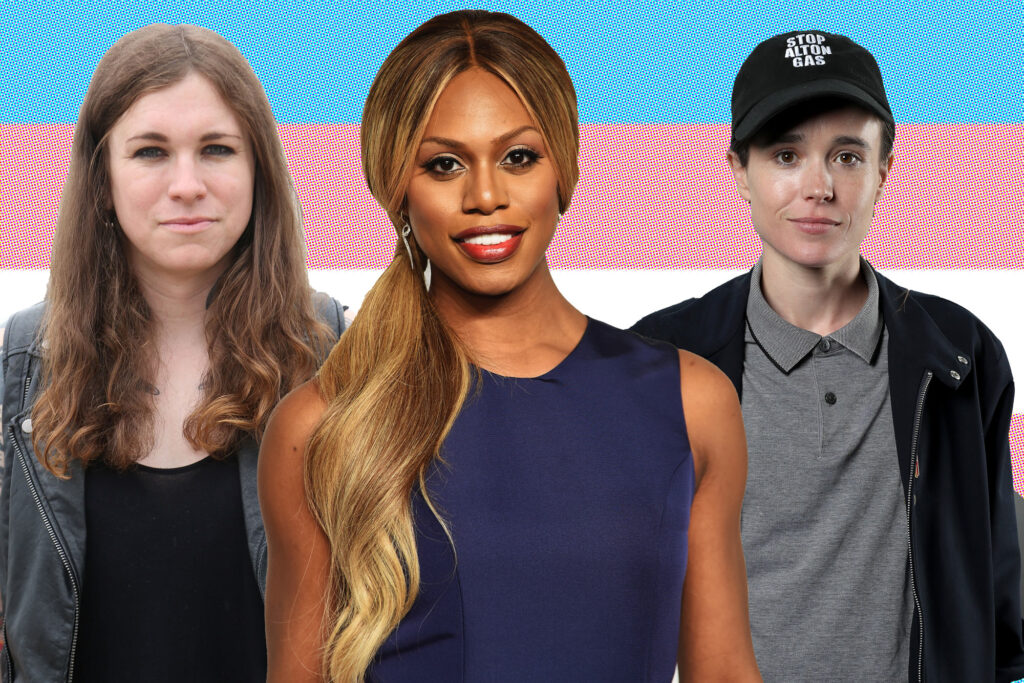
Transfeminism is a branch of feminism that centers the experiences and perspectives of transgender women and non-binary individuals. It recognizes that gender is a social construct and that gender identity is a personal and fluid experience. Transfeminists advocate for the rights and liberation of all transgender individuals and challenge the binary understanding of gender that underpins much of patriarchal society. They recognize that trans women are women and deserve the same rights and opportunities as cisgender women.
Are we willing to embrace a more expansive and inclusive understanding of gender that challenges traditional norms and stereotypes?
Transfeminism challenges traditional notions of womanhood. It argues that gender is a spectrum and not a binary, advocating for inclusivity and acceptance of all gender identities. Binary thinking is discarded.
Fighting for trans rights and equality is central. This includes advocating for access to healthcare, protection against discrimination, and recognition of legal rights for transgender individuals.
Anarcha-Feminism: Freedom From All Chains
Anarcha-feminism combines the principles of anarchism and feminism, advocating for a society free from all forms of hierarchy and domination, including both patriarchy and the state. Anarcha-feminists believe that true liberation cannot be achieved within the confines of a hierarchical system. They advocate for decentralized, self-governing communities based on principles of mutual aid and cooperation. They challenge all forms of authority and seek to create a world where individuals are free to define themselves and their relationships without coercion or control.
Are we willing to imagine a world without government, without hierarchy, where individuals are free to live their lives as they choose?
Anarcha-feminism rejects all forms of hierarchy, including the state and capitalism. It advocates for horizontal, non-hierarchical social structures, promoting self-governance and autonomy.
Direct action and grassroots activism are important tools. This involves engaging in protests, mutual aid projects, and community organizing to challenge oppressive systems and build alternative social structures.
Cyberfeminism: Hacking the Patriarchy Online
Cyberfeminism explores the intersection of feminism and technology. It uses digital tools and online platforms to challenge traditional gender roles and promote feminist ideals. Cyberfeminists embrace the potential of the internet to create new spaces for women to connect, collaborate, and organize. They also critique the ways in which technology can perpetuate and even amplify existing forms of gender inequality.
From online activism to digital art to hacking the algorithms, cyberfeminists are using technology to disrupt the status quo and create a more equitable digital world. Are we ready to harness the power of technology to advance feminist goals?
Cyberfeminism uses technology to challenge gender norms and create new spaces for women online. It leverages digital platforms for activism, community building, and creative expression.
Addressing issues of online harassment and digital privacy is key. This includes advocating for safer online environments and protecting women’s digital rights in the face of cyberbullying and surveillance.
This is just a glimpse into the vast and ever-evolving landscape of feminism. Each branch offers a unique perspective and approach, but all are united by the common goal of gender equality. The challenge is not to choose one “correct” path, but to embrace the diversity and complexity of the movement and to work together to create a world where all genders are truly free and equal. Are you ready to join the conversation, challenge your assumptions, and contribute to the ongoing evolution of feminism?







Leave a Comment