The feminist movement, a sprawling, multifaceted leviathan challenging the patriarchal status quo, has never been a monolith. It thrives on diversity, dissent, and, crucially, potent symbolism. These symbols, visual shorthand for complex ideologies, act as rallying cries, identifiers, and unwavering declarations of intent. But beyond the immediately recognizable, lies a rich tapestry of meanings, often contested, always evolving. Let us delve into this semiotic landscape, dissecting the power and the paradoxes inherent in the symbols that define the feminist struggle.
The Raised Fist: A Declaration of Solidarity and Resistance
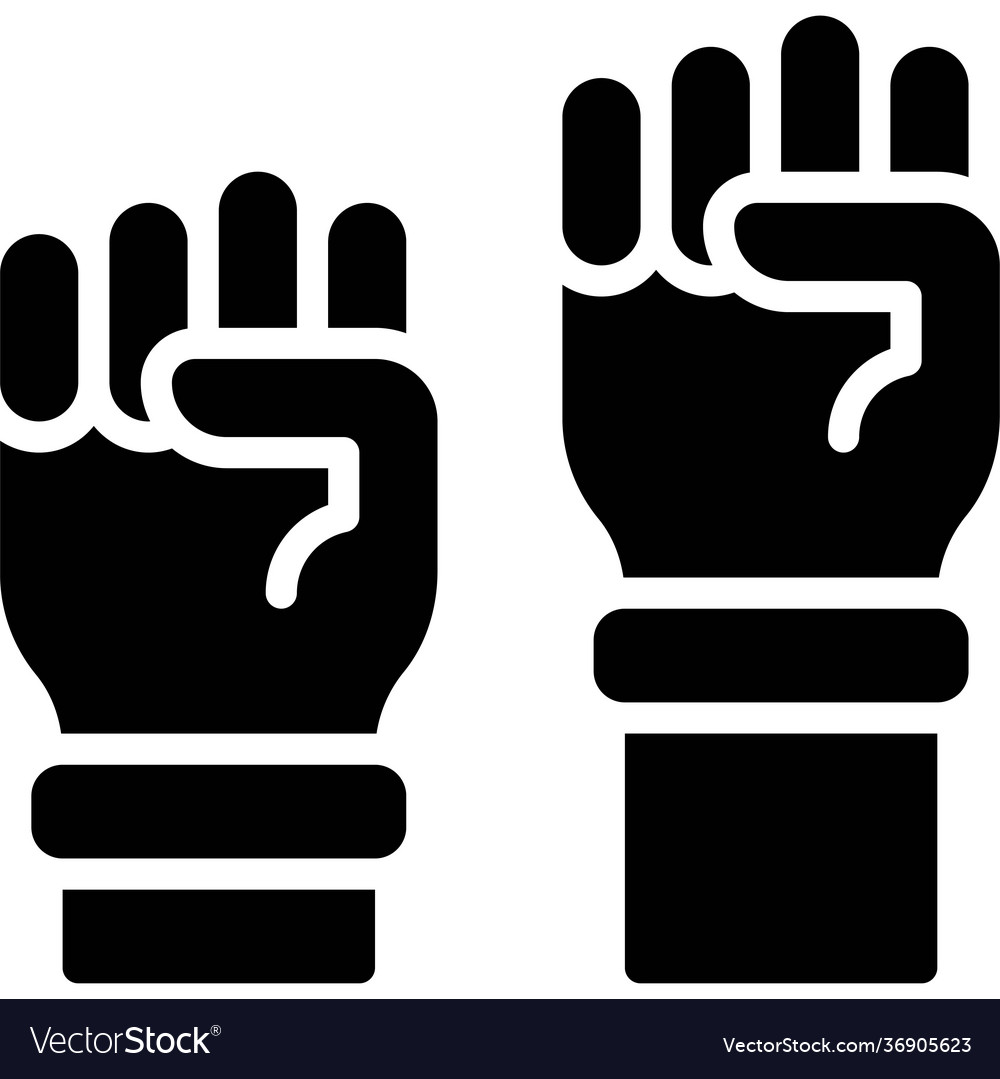
The raised fist, arguably the most globally recognizable symbol of resistance, transcends mere feminism. Its origins lie in the early 20th-century labor movement, a visual assertion of worker solidarity against oppressive capitalist structures. The Industrial Workers of the World (IWW), or “Wobblies,” popularized the image as a call to arms, a promise of collective action against injustice. However, the feminist appropriation of the raised fist imbued it with specific, gendered meaning.
For feminists, the raised fist became a symbol of female empowerment, a defiant refusal to be silenced or subjugated. It represents the strength and unity of women challenging patriarchal norms, demanding equality, and fighting against sexual violence. The closed fist, embodying control and determination, stands in stark contrast to the open hand, often associated with submission or supplication. The raised position signifies an upward trajectory, a striving for liberation from the constraints imposed by a male-dominated society. Think of it: a visual rebellion, a potent reminder that women will not be passive participants in their own oppression. But even this seemingly straightforward symbol is not without its complexities.
Some critics argue that the raised fist, with its roots in male-dominated labor movements, can inadvertently marginalize the specific experiences and struggles of women, particularly women of color. The symbol, while powerful, may not fully encompass the nuanced challenges faced by all feminists. Furthermore, the aggressive nature of the raised fist can be misinterpreted as exclusionary or confrontational, potentially alienating those who might otherwise be sympathetic to the feminist cause. A symbol, therefore, requires constant re-evaluation and contextualization within the ever-evolving discourse of feminism.
Venus Symbol Variations: Reclaiming and Redefining Womanhood
The Venus symbol, representing the female sex, has undergone numerous iterations within the feminist movement, each carrying its own specific ideological weight. The basic symbol, a circle with a downward-pointing cross, is often used to denote womanhood in a purely biological sense. However, feminists have actively appropriated and subverted this symbol to challenge traditional notions of femininity and reclaim female identity.
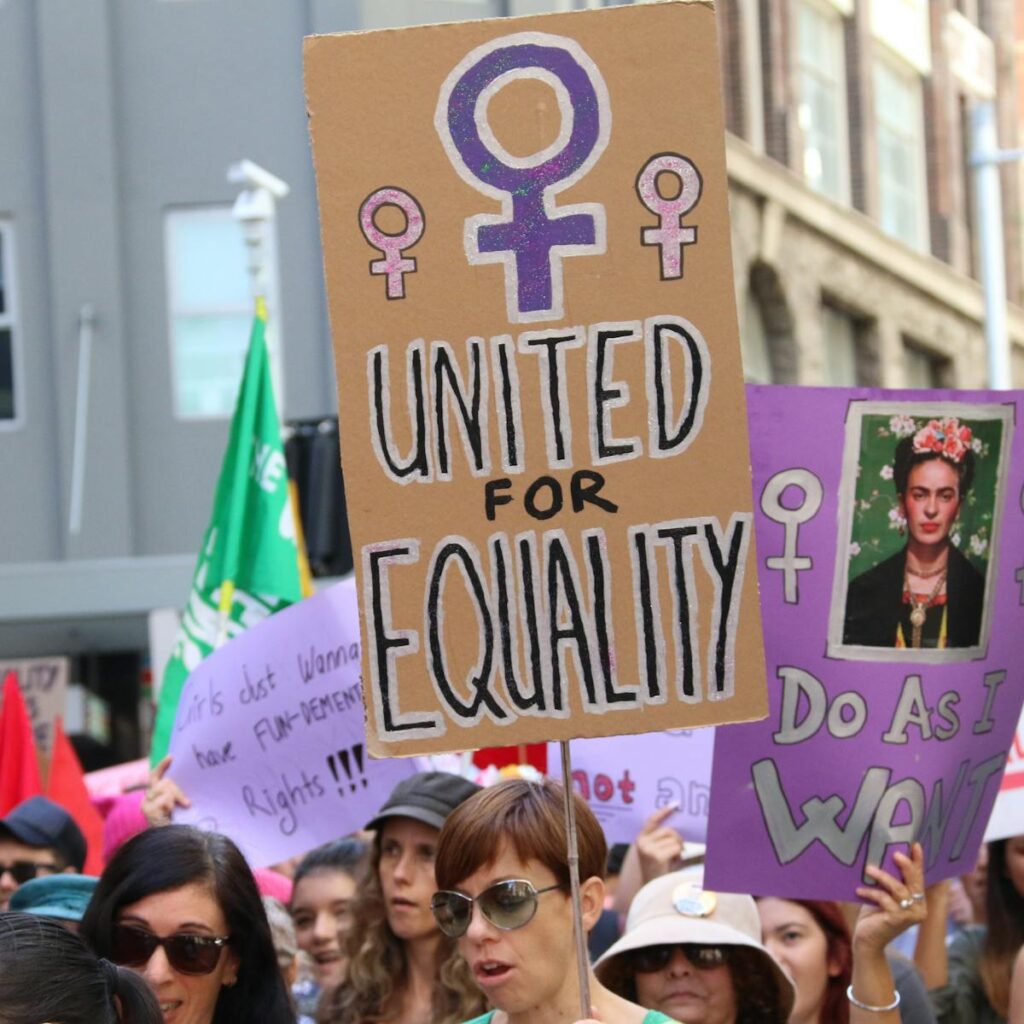
One common variation involves adding a fist within the Venus symbol, directly linking female identity with resistance and empowerment. This fusion underscores the idea that being a woman is not synonymous with passivity or weakness but rather a source of strength and resilience. Another variation incorporates the equal sign, transforming the Venus symbol into a direct declaration of gender equality. This visual statement explicitly demands that women be treated as equals in all aspects of life, from political representation to economic opportunity.
The lesbian community has also adopted its own variations of the Venus symbol, often using two interlocking Venus symbols to represent same-sex attraction and solidarity. These variations highlight the diversity within the feminist movement and the importance of recognizing and celebrating the experiences of LGBTQ+ women. Critically, the manipulation of the Venus symbol demonstrates the feminist commitment to deconstructing and redefining traditional notions of womanhood, creating a more inclusive and empowering vision of female identity.
The Color Purple: A Hue of Suffrage and Solidarity
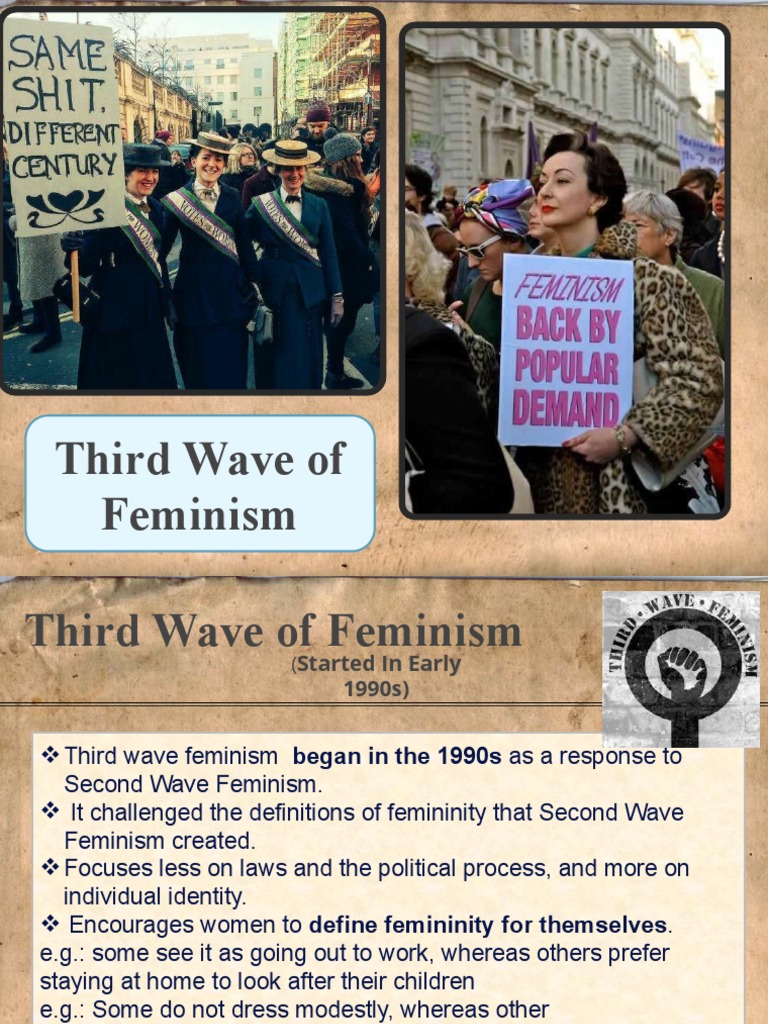
Purple, a color often associated with royalty, spirituality, and creativity, holds a significant place in feminist symbolism. Its connection to the feminist movement dates back to the early 20th-century suffrage movement, where it, along with white and green, were adopted as the colors of the Women’s Social and Political Union (WSPU) in Britain. Purple symbolized dignity, self-respect, and loyalty to the cause. It represented the unwavering commitment of suffragettes to achieving voting rights for women.
The color purple experienced a resurgence in the 1970s, largely due to the publication of Alice Walker’s Pulitzer Prize-winning novel, “The Color Purple.” The novel, which explores the experiences of black women in the early 20th century American South, resonated deeply with feminist readers and further solidified purple’s association with female empowerment and resilience. The color came to represent the struggles and triumphs of women of color, highlighting the intersectionality of race and gender in the fight for liberation. In modern parlance, purple continues to serve as a powerful reminder of the historical struggles of feminists and a call for continued action to achieve gender equality. Its association with dignity and strength makes it a particularly fitting symbol for a movement that demands respect and recognition for all women.
The Labrys: A Lesbian Symbol of Matriarchal Power
The labrys, a double-headed axe, is a less widely recognized but equally potent symbol within feminist circles, particularly among lesbian feminists. Its origins lie in ancient Minoan civilization, where it was associated with female deities and matriarchal power. The labrys was often depicted in the hands of goddesses and priestesses, representing their authority and control over spiritual and social domains.
Feminist appropriation of the labrys is rooted in the desire to reclaim and celebrate female power and agency, particularly in a historical context where women’s roles were often marginalized or suppressed. For lesbian feminists, the labrys represents a rejection of patriarchal norms and a celebration of female sexuality and independence. It symbolizes the strength and resilience of women who choose to forge their own paths, independent of male influence. The double-headed axe can also be interpreted as representing the dual nature of female power, encompassing both strength and nurturing, destruction and creation. The labrys, therefore, serves as a powerful reminder of the historical presence of female power and a call for its continued assertion in the present.
The Goddess Symbol: Reclaiming Spirituality and Female Divinity
The Goddess symbol, encompassing a diverse range of representations of female deities and spiritual principles, plays a vital role in feminist spirituality. This symbol represents a rejection of patriarchal religious traditions that often prioritize male figures and marginalize or denigrate female divinity. Feminist spirituality seeks to reclaim and celebrate the sacred feminine, recognizing the inherent worth and power of women in all aspects of life.
The Goddess symbol can take many forms, including depictions of ancient goddesses from various cultures, such as Isis, Demeter, and Kali. It can also encompass more abstract representations of female spiritual energy, such as the triple moon symbol or the spiral. The common thread uniting these diverse representations is the affirmation of female divinity and the recognition of women as powerful spiritual beings. Feminist spirituality often emphasizes the interconnectedness of all living things and the importance of ecological stewardship, reflecting a deep respect for the earth as a source of life and nourishment. The Goddess symbol, therefore, represents a holistic vision of spirituality that centers female experiences and values, challenging patriarchal norms and promoting a more inclusive and empowering approach to religious belief.
Beyond the Visual: The Power of Language and Action
While visual symbols hold immense power, the feminist movement also relies on language and action as crucial forms of symbolic expression. The act of speaking out against injustice, of challenging patriarchal norms through writing, activism, and political organizing, are all powerful symbolic acts. The use of inclusive language, such as gender-neutral pronouns and the avoidance of sexist terms, is a conscious effort to challenge linguistic biases and create a more equitable and inclusive society.
Similarly, acts of resistance, such as protests, demonstrations, and civil disobedience, serve as powerful symbolic statements of defiance against oppressive systems. The MeToo movement, for example, mobilized a global conversation about sexual harassment and assault, empowering survivors to speak out and hold perpetrators accountable. This collective action, fueled by shared experiences and a desire for justice, became a powerful symbol of female solidarity and resistance. Ultimately, the feminist movement recognizes that symbolism extends beyond the visual realm, encompassing all forms of expression that challenge patriarchal norms and promote gender equality. The ongoing evolution of these symbols, both visual and conceptual, ensures that the movement remains dynamic, inclusive, and relevant in the face of ever-changing social and political landscapes.
The Paradox of Symbols: Inclusion and Exclusion
Feminist symbols, while intended to unite and empower, also present a paradox. Their very nature as shorthand representations can inadvertently exclude or marginalize certain groups within the feminist movement. Symbols that resonate strongly with one group of feminists may not be as meaningful or relevant to others, particularly those from marginalized communities. For example, symbols that primarily focus on the experiences of white, middle-class women may not adequately represent the struggles of women of color, LGBTQ+ women, or women with disabilities.
Therefore, it is crucial to recognize the limitations of any single symbol and to actively promote inclusivity and diversity in the visual language of the feminist movement. This requires a constant process of self-reflection and critical engagement with the meanings and implications of various symbols. It also necessitates a willingness to embrace new symbols and representations that better reflect the diverse experiences and perspectives of all feminists. The ongoing evolution of feminist symbolism is a testament to the movement’s commitment to inclusivity and its unwavering pursuit of a more just and equitable world for all.
In conclusion, the symbolism of feminism is a complex and ever-evolving tapestry, woven from historical struggles, ideological debates, and the lived experiences of women across the globe. From the defiant raised fist to the reclaimed Venus symbol, these visual shorthand representations serve as rallying cries, identifiers, and unwavering declarations of intent. But beyond their immediate impact, lies a deeper significance: the power to challenge patriarchal norms, reclaim female identity, and inspire collective action. As the feminist movement continues to evolve, so too will its symbolism, adapting and expanding to reflect the ever-changing needs and aspirations of a movement committed to liberation for all.







Leave a Comment