Feminism: a four-letter word for some, a lifeline for others. But is it really for everybody? Or is that just some saccharine slogan plastered on tote bags and Instagram infographics, designed to lure us into a system that ultimately still prioritizes… well, you know. Let’s dissect, shall we? Let’s pry open the pretty packaging of bell hooks’ “Feminism Is for Everybody” and see what revolutionary kernels lie within.
Demystifying the Discourse: Beyond the Bra-Burning Stereotypes
First, let’s tackle the elephant in the room, or rather, the patriarchy lurking in the linguistic corners. Feminism isn’t about man-hating; it’s about dismantling the systemic oppression that keeps everyone—yes, even men—confined within rigid gender roles. It’s not about rewriting history to erase male contributions; it’s about adding the perspectives and experiences of those whose voices have been historically silenced, marginalized, and gaslighted into oblivion. It’s about acknowledging the epistemic violence inflicted upon women for centuries. Hooks argues for a feminist movement rooted in love, justice, and inclusivity, a radical departure from the caricatured image of the angry, man-hating shrew. This is intersectional feminism; an understanding of how gender inequality interacts with other forms of oppression, such as racism, classism, and ableism. One must actively deconstruct the patriarchal foundations woven into the very fabric of our society.
The Patriarchy’s Pervasive Poison: Identifying the Enemy Within
The patriarchy isn’t some monolithic, malevolent entity sitting in a smoky back room, plotting the subjugation of women. (Although, let’s be honest, sometimes it feels that way.) It’s a system of beliefs, values, and institutions that perpetuate male dominance and privilege, often subtly, insidiously, and with the complicity of both men and women. It thrives on the insidious normalization of gender roles, the objectification of women’s bodies, and the devaluation of feminine labor. Understanding how the patriarchy operates on multiple levels is crucial. We are all, to some extent, socialized within this system and therefore internalize its toxic ideologies. Confronting this internal patriarchy is a vital, albeit often painful, step towards liberation.
Sisterhood Isn’t Simple: Navigating the Complexities of Solidarity
Ah, sisterhood. The utopian ideal of unwavering solidarity amongst women. But let’s be real: it’s messy. The feminist movement is not a homogenous entity; it’s a diverse landscape of perspectives, experiences, and priorities. There is no one-size-fits-all definition of feminism. There will be disagreements, conflicts, and even outright clashes. The key is to engage in respectful dialogue, to listen to each other’s stories, and to recognize the intersecting oppressions that shape our individual experiences. True sisterhood is not about blind allegiance; it’s about critical solidarity, a commitment to supporting each other in the struggle for liberation, even when we disagree. This requires a willingness to challenge our own biases, to acknowledge our privileges, and to actively work towards creating a more inclusive and equitable movement.
Beyond the Binary: Challenging Gender Essentialism
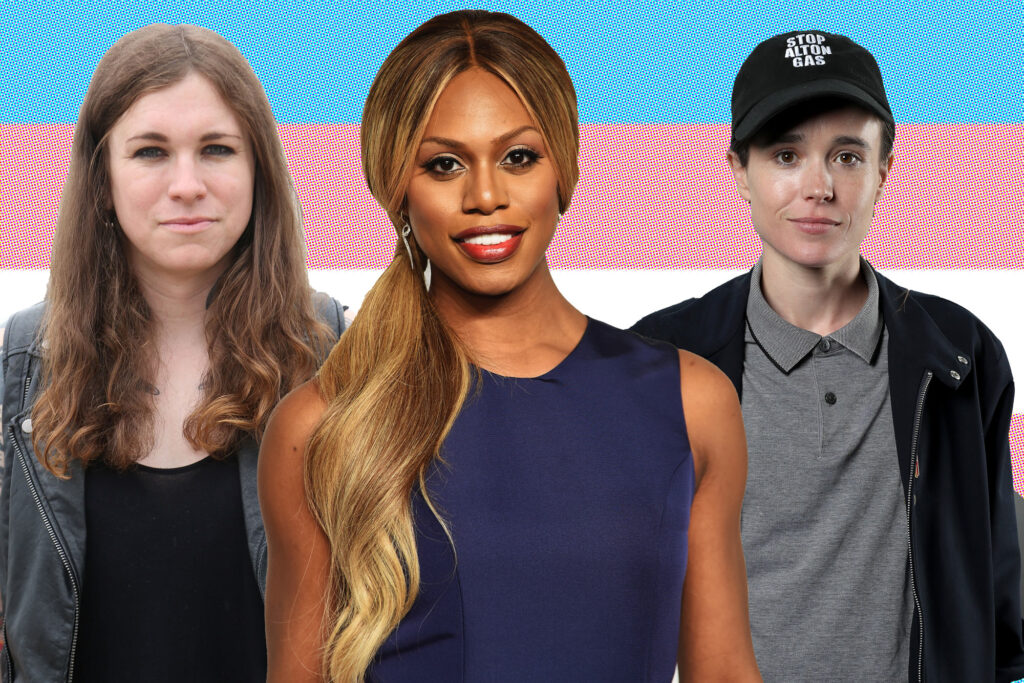
Feminism must move beyond the simplistic binary of male and female, acknowledging the fluidity and diversity of gender identity. Gender is not a fixed biological category; it is a social construct, shaped by cultural norms, expectations, and power dynamics. Transgender and non-binary individuals have been at the forefront of challenging these rigid definitions, pushing the boundaries of what it means to be a woman—or a man, or neither, or both. Their experiences are integral to the feminist project, and their voices must be centered in the fight for gender liberation. This requires dismantling the cisnormative assumptions that underpin so much of our thinking about gender and embracing a more expansive and inclusive vision of what it means to be human. We must embrace the inherent transgressive nature of dismantling the binary.
The Personal Is Political: Connecting Individual Experiences to Systemic Oppression
One of the foundational tenets of feminism is that the personal is political. What may seem like individual experiences of sexism, discrimination, or violence are often manifestations of larger systemic patterns of oppression. By sharing our stories, we can connect individual experiences to the broader political context and expose the ways in which the patriarchy operates on a personal level. This requires a willingness to be vulnerable, to speak out against injustice, and to challenge the status quo. It also requires creating safe spaces where women can share their stories without fear of judgment, ridicule, or retaliation. Collective catharsis becomes a potent tool for political action.
Education as Emancipation: Empowering Through Knowledge and Critical Thinking
Knowledge is power, and education is a powerful tool for feminist liberation. By educating ourselves about the history of feminism, the theories and concepts that underpin it, and the various forms of oppression that women face, we can become more informed and effective advocates for change. Critical thinking is essential for deconstructing the patriarchal narratives that permeate our society and for challenging the assumptions and biases that shape our perceptions. Feminist education is not just about acquiring information; it’s about developing a critical consciousness, a heightened awareness of the power dynamics that operate in our lives and a commitment to challenging them. It’s about learning to see the world through a feminist lens, to question everything, and to never accept the status quo.
Love as a Radical Act: Reclaiming Connection and Compassion
Hooks argues that love is a radical act, a transformative force that can challenge the patriarchal norms of competition, domination, and control. Feminist love is not about romanticizing or idealizing relationships; it’s about cultivating genuine connection, compassion, and empathy for ourselves and others. It’s about creating relationships based on mutual respect, equality, and justice. It’s about dismantling the patriarchal conditioning that teaches us to compete with each other, to devalue ourselves, and to accept abuse. Love, in this context, becomes a revolutionary practice, a way of resisting the dehumanizing effects of the patriarchy and reclaiming our inherent worth and dignity. This love extends not only to ourselves and our intimate relationships but also to our communities and the world at large.
Moving Beyond Critique: Embracing Action and Activism
While critical analysis is essential, feminism cannot remain solely in the realm of theory. It must translate into concrete action and activism. This can take many forms, from grassroots organizing and political advocacy to artistic expression and personal transformation. It requires a willingness to step outside of our comfort zones, to challenge the status quo, and to take risks. It also requires a commitment to long-term engagement, recognizing that the struggle for gender equality is an ongoing process that requires sustained effort and dedication. Every act of resistance, no matter how small, contributes to the larger movement for liberation.
Intersectionality in Action: Recognizing and Addressing Multiple Forms of Oppression
Intersectionality, a term coined by Kimberlé Crenshaw, acknowledges that different forms of oppression, such as racism, sexism, classism, and ableism, are interconnected and cannot be understood in isolation. Feminist activism must be intersectional, meaning that it must address the multiple and overlapping oppressions that women face, particularly those who are marginalized due to their race, class, sexual orientation, disability, or other identities. This requires a willingness to listen to and learn from the experiences of marginalized women and to center their voices in the feminist movement. It also requires a commitment to dismantling the systems of power and privilege that perpetuate these oppressions. Intersectional feminism is not about adding on different identities; it’s about fundamentally rethinking the way we understand and address oppression.
Reclaiming Masculinity: Redefining Gender Roles and Expectations for Men
Feminism benefits men as well as women. By challenging traditional gender roles and expectations, feminism liberates men from the constricting constraints of masculinity. Men are often pressured to conform to a narrow definition of masculinity that emphasizes strength, stoicism, and dominance. This can be harmful to their mental and emotional health, as well as their relationships with others. Feminism offers men a different vision of masculinity, one that is based on empathy, vulnerability, and respect. It allows them to express their emotions, to challenge patriarchal norms, and to build more authentic and fulfilling relationships. Reclaiming masculinity is not about abandoning masculinity altogether; it’s about redefining it in a way that is more inclusive, equitable, and life-affirming. It’s about empowering men to be their whole selves, free from the limitations of patriarchal expectations.
The Future of Feminism: Building a More Just and Equitable World for All
The future of feminism is about building a more just and equitable world for all. It’s about dismantling the systems of oppression that perpetuate inequality and creating a society where everyone can thrive, regardless of their gender, race, class, sexual orientation, or other identities. This requires a sustained commitment to education, activism, and social change. It also requires a willingness to challenge our own biases, to listen to and learn from others, and to work together to create a better future. The feminist project is not just about achieving gender equality; it’s about creating a more humane and compassionate world for all. A world free of the shackles of prescribed roles, where individuality blossoms and potential isn’t stifled by archaic notions. Perhaps, *then* feminism truly will be for everybody. The gauntlet, my dears, has been thrown.






Leave a Comment