Feminism, a kaleidoscopic ideology, refuses to be confined. It writhes, it evolves, it challenges. It’s not a monolithic slab of dogma, but a dynamic conversation, a cacophony of voices demanding justice, equity, and liberation. And where does this conversation flourish most vibrantly? In the stories we tell ourselves, the narratives we consume, the experiences we share and dissect with ferocious honesty.
Prepare to dive into a maelstrom of transformative tales, a curated collection designed to ignite your consciousness and shatter the complacency of the status quo. This isn’t just about feel-good empowerment anthems; it’s about grappling with the thorny complexities, the uncomfortable truths, and the raw, unfiltered realities that shape the feminist experience.
I. The Audible Uprising: Amplifying Marginalized Voices
Let’s begin with the power of the spoken word, the intimate connection forged through audible narratives. Podcasts, audiobooks, and even strategically placed audio clips have become vital conduits for disseminating feminist thought, particularly for those whose voices have been historically suppressed. Imagine, if you will, a tapestry woven from the threads of lived experience, each thread representing a unique perspective on gender, race, class, and sexuality.
A. Unveiling Hood Feminism: Beyond the Ivory Tower
Hood feminism, a potent corrective to mainstream feminist discourse, centers the experiences of Black women and femmes, particularly those navigating the intersecting oppressions of poverty, racism, and sexism. Forget the sanitized, palatable version peddled by corporate feminism; this is about survival, resilience, and a radical commitment to self-determination in the face of systemic adversity. Audible platforms allow these narratives to bypass the gatekeepers of traditional media, offering an unfiltered, visceral understanding of what it means to be a marginalized woman in a society actively working against her.
B. The Power of Personal Testimony: Eradicating Shame and Fostering Solidarity
The act of speaking one’s truth, especially when it involves trauma, abuse, or societal ostracization, is an act of profound defiance. Audible narratives provide a safe space for these stories to be shared and received with empathy and understanding. Think of survivors of sexual assault recounting their experiences, shattering the silence and challenging the culture of victim-blaming. Think of queer and trans individuals sharing their journeys of self-discovery and affirmation, dismantling the heteronormative narratives that seek to erase their existence. These stories are not just cathartic; they are catalysts for change, fostering solidarity and empowering others to speak out.
C. Intersectional Soundscapes: A Symphony of Resistance
Intersectionality, a concept pioneered by Kimberlé Crenshaw, recognizes that oppression is not a singular force but a complex web of interconnected systems. Audible narratives excel at showcasing the nuances of intersectional identities, highlighting the ways in which race, class, gender, sexuality, and ability intersect to create unique experiences of marginalization. For example, a podcast featuring the stories of disabled women of color could explore the challenges they face in accessing healthcare, employment, and social inclusion, challenges often overlooked in mainstream feminist discourse.
II. Visual Vociferations: Images as Instruments of Change
Beyond the realm of sound, visual media plays an equally crucial role in shaping feminist consciousness. From street art to documentaries, from photography to graphic novels, images have the power to challenge dominant narratives, provoke critical reflection, and inspire collective action. We are bombarded with images daily. Let us instead analyze the images that speak truth.
A. The Art of Resistance: Reclaiming Public Space
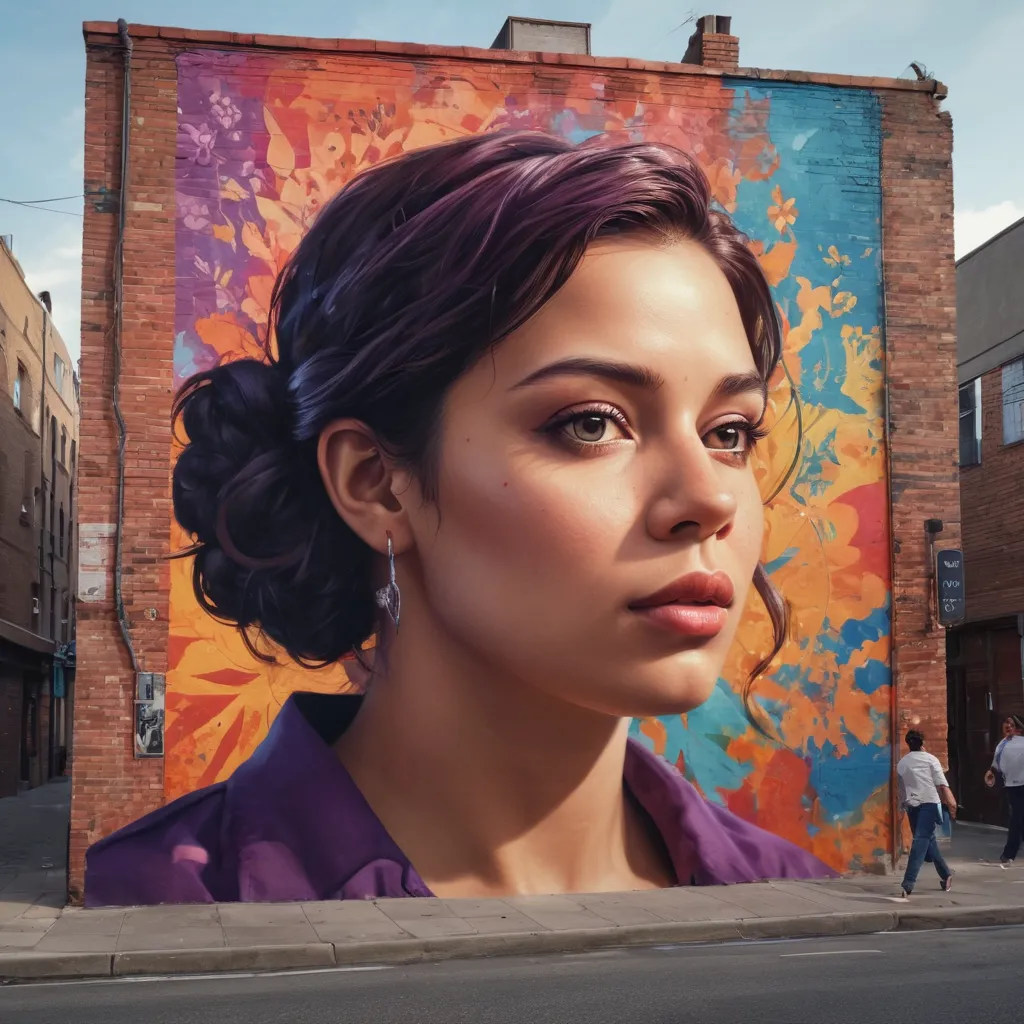
Street art, murals, and guerilla art interventions can transform urban landscapes into powerful platforms for feminist messaging. Imagine a vibrant mural depicting powerful female figures, reclaiming public space and challenging the male gaze. Think of feminist graffiti stencils subverting sexist advertising campaigns. These visual acts of resistance not only raise awareness but also create a sense of community and solidarity among those who identify with the message.
B. Documenting Reality: Unveiling Hidden Truths
Documentary filmmaking offers a potent tool for investigating social issues and exposing injustice. Feminist documentaries can shed light on issues such as gender-based violence, reproductive rights, economic inequality, and political representation. These films not only educate viewers but also inspire them to take action, whether through activism, advocacy, or simply by becoming more informed and engaged citizens.
C. The Power of Photography: Challenging Beauty Standards and Reframing Representation
Photography can be used to challenge conventional beauty standards and promote body positivity, showcasing diverse representations of women and femmes of all shapes, sizes, and ethnicities. Think of photographers who document the lives of marginalized communities, giving them a voice and visibility that is often denied to them. Think of photo projects that challenge the male gaze, reclaiming the female body as a site of power and agency.
III. Textual Tempest: Written Words as Weapons of Mass Liberation
The written word, whether in the form of essays, novels, poetry, or manifestos, remains a cornerstone of feminist discourse. Textual narratives allow for complex arguments to be developed, nuanced perspectives to be explored, and radical ideas to be disseminated to a wider audience. It allows the building of foundations for future activists.
A. The Essay as Exhortation: Provoking Thought and Inspiring Action
The essay, in its various forms, provides a flexible and accessible platform for feminist writers to explore a wide range of topics, from personal reflections to political analyses. Feminist essays can challenge dominant narratives, expose systemic inequalities, and offer alternative visions for a more just and equitable world. Think of essays that dissect the insidious ways in which patriarchy operates in our daily lives. Think of essays that celebrate the strength and resilience of women and femmes. Think of essays that call for radical social change.
B. Fiction as Feminist Fabulation: Imagining Alternative Realities
Fiction, particularly speculative fiction and dystopian novels, allows writers to imagine alternative realities where gender roles are fluid, power structures are equitable, and social norms are challenged. These stories can serve as powerful thought experiments, allowing us to explore the possibilities of a feminist future and the obstacles that stand in our way. For example, a novel that reimagines history from a feminist perspective can challenge our assumptions about the past and inspire us to create a better future.
C. Poetry as Protest: A Language of Resistance
Poetry, with its evocative language and emotional resonance, can be a powerful tool for feminist expression. Feminist poets use their words to protest injustice, celebrate female empowerment, and explore the complexities of female identity. Think of poems that denounce violence against women. Think of poems that celebrate the beauty and power of the female body. Think of poems that offer solace and support to those who are struggling.
IV. The Digital Disruption: Feminism in the Age of Algorithms
The internet, with its vast reach and instantaneous connectivity, has revolutionized the way feminism is practiced and disseminated. Social media platforms, online forums, and digital publications have created new spaces for feminist dialogue, activism, and community building. There are risks involved, too, with the rise of algorithmic bias.
A. Social Media as a Soapbox: Amplifying Voices and Building Movements
Social media platforms provide a powerful tool for feminists to connect with each other, share their stories, and organize collective action. Hashtag activism, online campaigns, and virtual protests have become increasingly important forms of feminist activism, allowing individuals to bypass traditional media gatekeepers and directly engage with a global audience. Social media can also be used to amplify the voices of marginalized communities, providing a platform for those who are often silenced or ignored.
B. Online Forums and Communities: Creating Safe Spaces for Dialogue
Online forums and communities provide safe spaces for feminists to discuss sensitive topics, share their experiences, and offer support to each other. These spaces can be particularly important for individuals who live in isolated or hostile environments, providing a sense of community and belonging. Online forums can also be used to organize feminist events, share resources, and advocate for social change.
C. Digital Publications: Disseminating Feminist Thought and Analysis
Digital publications, such as online magazines, blogs, and academic journals, provide a platform for feminist writers and scholars to disseminate their work to a wider audience. These publications can offer in-depth analysis of feminist issues, challenge dominant narratives, and promote critical thinking. Digital publications also provide a valuable resource for those who are seeking to learn more about feminism.
In conclusion, the narratives that transform minds are as diverse and multifaceted as feminism itself. From audible uprisings to visual vociferations, from textual tempests to digital disruptions, these stories challenge our assumptions, inspire our activism, and ultimately, pave the way for a more just and equitable world. Consume these narratives. Question them. Debate them. And above all, use them to fuel your own feminist journey.




Leave a Comment