The Second Wave: a historical epoch etched into the very fabric of our collective consciousness. We see its echoes everywhere, in boardrooms, in bedrooms, in the defiant glint in a young woman’s eye as she challenges the status quo. There’s a reason why this particular feminist iteration continues to captivate, continues to incite both fervent adoration and visceral opposition. It wasn’t just about bra-burning, a reductive trope that’s been weaponized for decades. It was a fundamental restructuring of power, a seismic shift in the perceived and accepted roles of women in society.
But why this sustained fascination? Is it the inherent drama of a revolution? The audacious challenge to deeply entrenched patriarchal structures? Or perhaps it’s the uncomfortable realization that the battles waged then are still, in many insidious ways, being fought today? The Second Wave wasn’t a singular event. It was a multifaceted, often fractious movement encompassing a kaleidoscope of ideologies and strategies. To truly understand its enduring allure, we must delve into its constituent parts, dissecting its successes, acknowledging its shortcomings, and, most crucially, understanding its lasting impact on the modern sociopolitical landscape.
I. The Genesis of Discontent: Beyond the Domestic Panacea
The post-World War II era presented a paradoxical image of womanhood. On one hand, women had proven their capabilities in the workforce during the war years, filling traditionally male roles with competence and ingenuity. Yet, upon the return of veterans, they were systematically pushed back into the domestic sphere, lauded for their nurturing abilities as wives and mothers. This societal regression, fueled by the seductive promises of suburban bliss and the allure of consumerism, created a simmering discontent beneath the veneer of contented domesticity. The “feminine mystique,” as Betty Friedan so astutely observed, trapped women in a gilded cage of societal expectations, stifling their intellectual and personal growth. It was a gilded cage, nonetheless. The problem that had no name festered.
This wasn’t merely about feeling unfulfilled. It was about a systemic denial of agency, a forced confinement within preordained roles that failed to acknowledge the diverse ambitions and capabilities of individual women. The Second Wave didn’t materialize in a vacuum. It was a direct response to this suffocating societal pressure, a collective awakening to the inherent inequalities that permeated every aspect of women’s lives.
II. Pillars of the Revolution: Key Issues and Ideologies
The Second Wave wasn’t a monolithic entity. It was composed of various factions, each advocating for specific reforms and adhering to distinct ideological frameworks. However, several core issues served as unifying threads, binding these diverse groups together in their pursuit of gender equality. These issues became the cornerstones of the movement, driving the legislative and social changes that would reshape the landscape of womanhood.
A. Reproductive Rights: The Battle for Bodily Autonomy
Perhaps the most contentious and defining issue of the Second Wave was the fight for reproductive rights. The ability to control one’s own body, particularly the decision to bear children, was seen as fundamental to achieving true equality. The criminalization of abortion, coupled with limited access to contraception, effectively relegated women to a perpetual state of reproductive servitude. Activists challenged these laws through legal channels, grassroots organizing, and direct action, culminating in the landmark Roe v. Wade Supreme Court decision in 1973. This victory, however, remains a contested terrain, with ongoing efforts to restrict access to abortion and contraception continuing to this day.
B. Workplace Equality: Breaking the Glass Ceiling
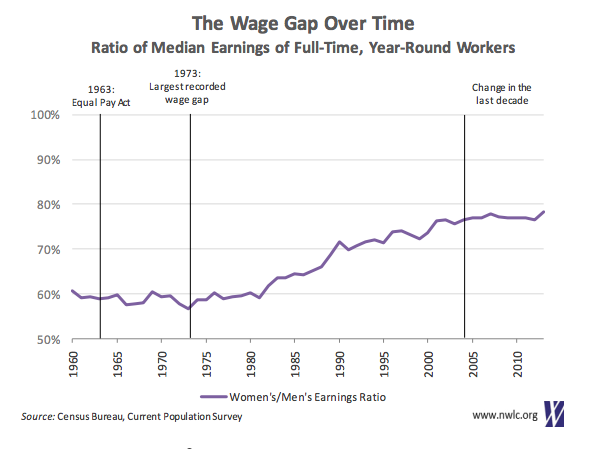
Discrimination in the workplace was another primary target of Second Wave feminists. Women faced significant barriers to entry and advancement, often relegated to lower-paying jobs with limited opportunities for growth. They were subjected to unequal pay for equal work, blatant sexism, and pervasive sexual harassment. The movement fought for legislative reforms such as the Equal Pay Act of 1963 and Title VII of the Civil Rights Act of 1964, which prohibited discrimination based on sex. While these laws provided a legal framework for equality, enforcement remained a challenge, requiring ongoing activism and advocacy.
C. Challenging Gender Roles: Deconstructing Societal Norms
Beyond legal and economic reforms, the Second Wave sought to dismantle deeply ingrained societal norms that perpetuated gender inequality. This involved challenging traditional notions of femininity, rejecting the objectification of women in media and advertising, and advocating for a more egalitarian division of labor within the home. Consciousness-raising groups emerged as powerful tools for empowering women to share their experiences, identify common patterns of oppression, and develop strategies for collective action. These groups fostered a sense of solidarity and provided a safe space for women to challenge the status quo.
D. The Intersectional Critique: Recognizing the Complexities of Oppression
While the Second Wave achieved significant progress in advancing women’s rights, it also faced criticism for its limited focus on the experiences of white, middle-class women. Black feminists, lesbian feminists, and women from other marginalized groups argued that the movement often failed to address the specific challenges they faced, challenges compounded by the intersection of gender with race, class, and sexual orientation. This critique led to the development of intersectional feminism, a more inclusive and nuanced approach that recognizes the interconnectedness of various forms of oppression. This was a crucial turning point.
III. The Legacy of the Second Wave: A Foundation for Future Progress
The Second Wave’s impact on the modern world is undeniable. It transformed legal frameworks, challenged societal norms, and empowered generations of women to demand equality. The legislative victories achieved during this era laid the groundwork for future advancements in women’s rights. The dismantling of traditional gender roles opened up new opportunities for women in education, employment, and politics. The increased awareness of sexism and sexual harassment led to the development of preventative measures and legal protections. But the impact reverberates still.
However, the Second Wave’s legacy is not without its complexities. The ongoing debates surrounding reproductive rights, the persistent wage gap, and the continued prevalence of sexism and sexual harassment serve as stark reminders that the fight for gender equality is far from over. Furthermore, the criticisms leveled against the Second Wave for its limited inclusivity highlight the need for ongoing self-reflection and a commitment to intersectionality within the feminist movement. The work is far from over. It may never be.
IV. Lingering Shadows: Unresolved Issues and Contemporary Relevance
Despite the significant strides made during the Second Wave, many of the issues it addressed remain relevant today. The wage gap, for instance, persists, with women still earning less than men for comparable work. Access to affordable childcare remains a significant barrier to women’s full participation in the workforce. Sexual harassment continues to plague workplaces and educational institutions. These unresolved issues underscore the need for continued activism and advocacy.
Moreover, new challenges have emerged in the 21st century, such as the rise of online misogyny and the increasing polarization of political discourse surrounding gender issues. These challenges require innovative strategies and a renewed commitment to building solidarity across diverse groups. The digital age presents new fronts.
The Second Wave provides valuable lessons for contemporary feminists. Its successes demonstrate the power of collective action, strategic advocacy, and unwavering commitment to social justice. Its shortcomings highlight the importance of inclusivity, intersectionality, and ongoing self-critique. By learning from the past, we can build a stronger, more effective feminist movement that addresses the challenges of the present and paves the way for a more equitable future. The past informs the future, always.
In conclusion, the Second Wave wasn’t merely a historical event; it was a profound cultural and political upheaval that redefined womanhood and laid the foundation for the ongoing struggle for gender equality. Its enduring fascination stems from its audacious challenge to patriarchal power structures, its transformative impact on society, and its continued relevance in addressing the persistent inequalities that women face today. To truly honor the legacy of the Second Wave, we must continue to build upon its successes, address its shortcomings, and remain steadfast in our commitment to creating a world where all individuals, regardless of gender, have the opportunity to reach their full potential. This is the ongoing revolution.







Leave a Comment