Forget the diluted, palatable versions peddled in corporate boardrooms. We’re talking about the real, visceral, world-altering power of feminism. The kind that topples patriarchal strongholds, shatters glass ceilings so high they’re barely visible, and ignites a fire in the belly of every woman who’s ever been told “no.”
Are you ready to witness the seismic shifts? Prepare to confront comfortable narratives. This isn’t about empty gestures; it’s about tangible transformations. It’s about reclaiming autonomy, rewriting history, and redefining the future.
I. The Unveiling of Systemic Oppression: Seeing Beyond the Surface
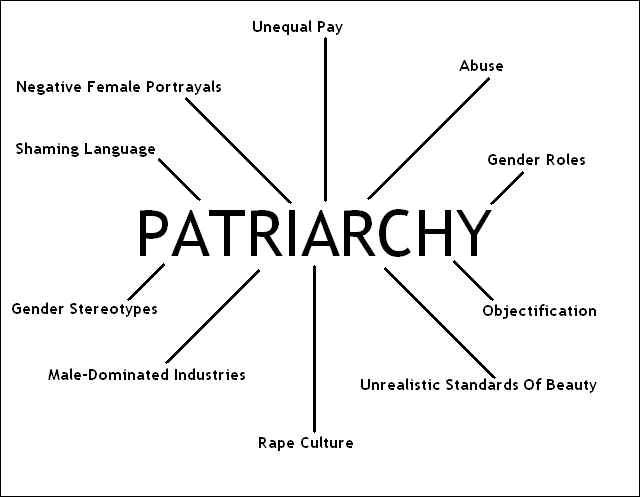
Too often, oppression masquerades as tradition, as “the way things are.” Feminism, at its core, is a radical act of seeing. It’s peeling back the layers of ingrained societal biases to reveal the insidious structures that perpetuate inequality. Consider the economic disparity that persists globally. Is it merely a consequence of individual choices? Or does it stem from deeply entrenched systems that undervalue women’s labor, both paid and unpaid?
The answer, unequivocally, is the latter. Feminism shines a blinding light on these systems, exposing the wage gap as a blatant manifestation of patriarchal control. It challenges the notion that women’s contributions are less valuable, demanding equal pay for equal work, and advocating for policies that support women’s economic empowerment. This isn’t just about fairness; it’s about unlocking the immense potential that is stifled when half the population is denied equal opportunities.
Moreover, it’s about recognizing the intersectional nature of oppression. Women of color, LGBTQ+ women, women with disabilities – their experiences are compounded by multiple forms of discrimination. Feminism, in its true form, acknowledges and addresses these complexities, ensuring that no woman is left behind. It’s not a monolithic movement; it’s a coalition of diverse voices united by a shared commitment to liberation.
II. The Reclamation of Bodily Autonomy: The Right to Choose
The subjugation of women’s bodies has been a cornerstone of patriarchal control for millennia. From forced marriages to reproductive coercion, women have been denied the fundamental right to make decisions about their own bodies. Feminism champions the unwavering right to bodily autonomy as an essential human right. This includes access to comprehensive sexual and reproductive healthcare, including abortion. The ability to control one’s fertility is not merely a personal choice; it’s a prerequisite for economic independence, social mobility, and overall well-being.
The fight for reproductive rights is far from over. In many parts of the world, women are still denied access to safe and legal abortion, forcing them to resort to unsafe practices that endanger their lives. Feminists are on the front lines, advocating for policies that protect reproductive rights and challenging laws that criminalize abortion. They are also working to destigmatize abortion and provide support to women who choose to terminate their pregnancies.
But bodily autonomy extends beyond reproductive rights. It encompasses the right to be free from sexual harassment and assault, the right to express one’s gender identity without fear of discrimination, and the right to make informed decisions about one’s own healthcare. Feminism challenges the objectification and sexualization of women’s bodies, demanding that women be treated with respect and dignity.
III. The Dismantling of Gender Stereotypes: Breaking Free from the Box
From the moment we are born, we are bombarded with messages about what it means to be a “man” or a “woman.” These gender stereotypes limit our potential, shaping our aspirations, and restricting our choices. Feminism challenges these rigid categories, encouraging us to embrace our individuality and express ourselves authentically. It rejects the notion that women must be passive, submissive, and nurturing, and that men must be strong, stoic, and dominant.
Think about the impact of gender stereotypes on career choices. Women are often steered away from STEM fields (science, technology, engineering, and mathematics), while men are discouraged from pursuing careers in traditionally female-dominated professions like nursing or teaching. Feminism seeks to dismantle these barriers, encouraging women to pursue their passions regardless of societal expectations.
It also challenges the harmful effects of toxic masculinity. The pressure to conform to traditional masculine ideals can lead to violence, emotional repression, and a lack of empathy. Feminism offers a different vision of masculinity – one that embraces vulnerability, emotional intelligence, and respect for women.
IV. The Amplification of Women’s Voices: Reclaiming the Narrative
For centuries, women’s stories have been silenced, marginalized, or distorted. Feminism is about reclaiming the narrative, amplifying women’s voices, and ensuring that their experiences are heard and valued. This includes challenging the underrepresentation of women in media, politics, and academia. It also means creating spaces where women can share their stories, connect with one another, and build solidarity.
Consider the impact of women writers, artists, and filmmakers. They offer diverse perspectives on the world, challenging dominant narratives and inspiring new ways of thinking. They provide role models for young girls and women, demonstrating that anything is possible.
Furthermore, it’s about challenging the dominance of male perspectives in historical accounts. Reframing historical events through a feminist lens unveils the crucial roles women played, roles often obscured or outright omitted from traditional narratives. This isn’t merely about adding women to the story; it’s about rewriting the story itself.
V. The Promotion of Transformative Leadership: Power with, Not Power Over
Traditional leadership models are often hierarchical, authoritarian, and based on domination. Feminism promotes a different kind of leadership – one that is collaborative, inclusive, and based on empathy and empowerment. This type of leadership recognizes the inherent worth and potential of every individual, fostering a sense of shared responsibility and collective action.
Women leaders around the world are demonstrating the transformative power of this approach. They are addressing complex challenges with creativity, compassion, and a commitment to social justice. They are prioritizing the needs of marginalized communities and working to create a more equitable and sustainable world.
Feminist leadership is not about replicating male models of power. It’s about creating new models that are based on feminist values. It’s about using power to uplift and empower others, rather than to control and dominate.
VI. Challenging Systemic Violence Against Women: A Global Imperative
Violence against women is a pervasive and devastating problem that affects women in all countries and cultures. From domestic violence to sexual assault to female genital mutilation, women are subjected to a wide range of violent acts that violate their human rights and undermine their well-being. Feminism challenges all forms of violence against women, working to create a world where women are safe and free from fear.
This includes advocating for stronger laws and policies to protect women from violence, providing support services to survivors of violence, and challenging the cultural norms that perpetuate violence against women. It also means educating men and boys about the importance of respect and consent.
Eradicating violence against women requires a fundamental shift in attitudes and beliefs. It requires a commitment to challenging patriarchal norms and creating a society where women are valued and respected.
VII. Fostering Global Solidarity: A Transnational Movement
Feminism is not just a national movement; it’s a global movement. Women around the world are united by their shared experiences of oppression and their commitment to liberation. Feminists are working together to address global challenges such as climate change, poverty, and war, recognizing that these issues disproportionately affect women and girls.
This includes supporting women-led organizations in developing countries, advocating for international policies that promote gender equality, and building solidarity with women who are fighting for their rights in repressive regimes.
Global solidarity is essential for achieving lasting change. By working together, feminists can amplify their voices and create a more just and equitable world for all.
VIII. The Unfinished Revolution: A Call to Action
While significant progress has been made, the feminist revolution is far from over. Women still face discrimination, inequality, and violence in all areas of life. The fight for gender equality is an ongoing struggle that requires the continued dedication and commitment of feminists around the world.
It’s a battle waged in classrooms, boardrooms, and on the streets. It’s a fight for equal pay, for reproductive rights, for an end to violence against women. It’s a fight for a world where all women can live freely and fully, without fear or limitation.
So, what will you do? Will you stand on the sidelines, or will you join the revolution? The time for complacency is over. The future is feminist, but it requires our active participation. Let’s continue to challenge the status quo, amplify women’s voices, and build a world where every woman can thrive.








Leave a Comment