
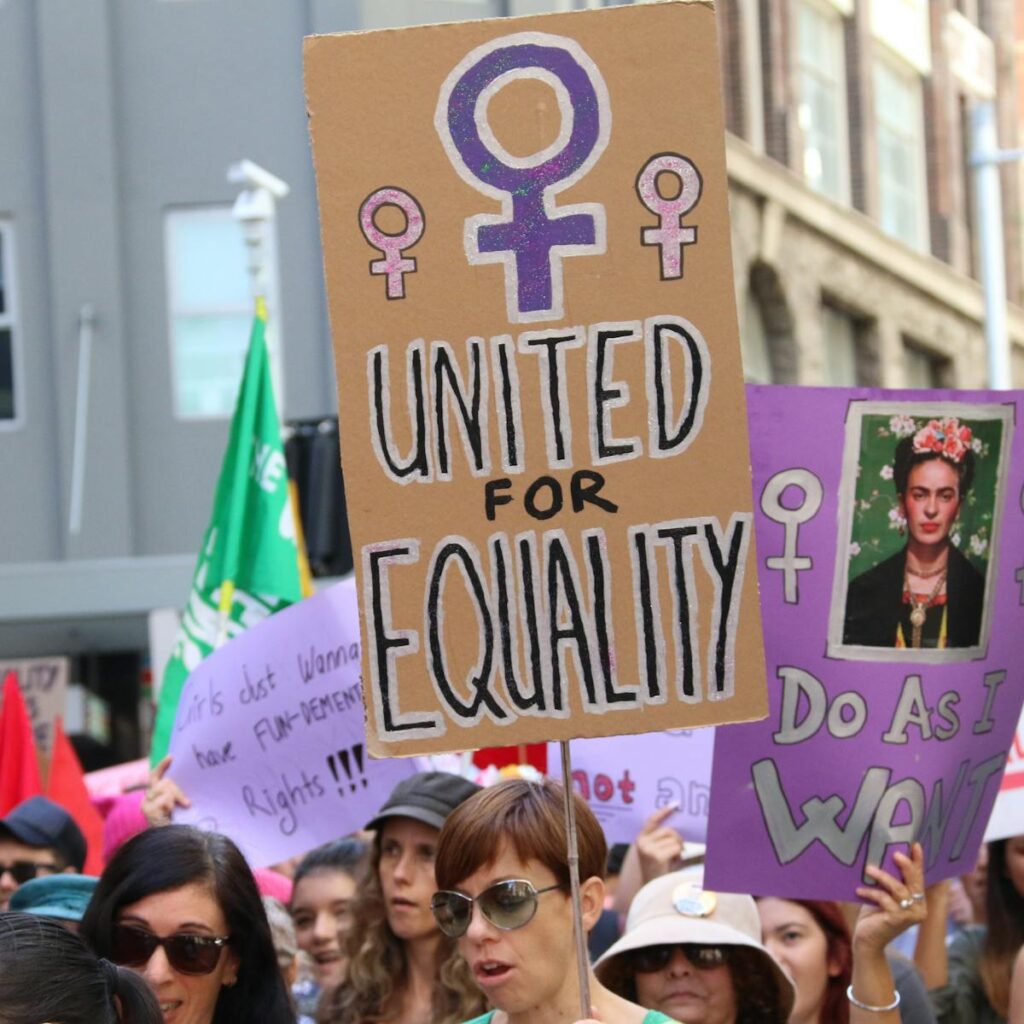
The ceaseless battle for gender equality demands we dissect every facet of societal control, especially those veiled in the guise of morality. Let us not mince words: Pro-sex feminism, often deliberately misinterpreted, is not a descent into debauchery. It is a clarion call for bodily autonomy, for the unbridled right to pleasure, and for a radical re-imagining of sexuality liberated from the shackles of patriarchal norms.
Consider the historical tapestry woven with threads of oppression. For centuries, women’s sexuality has been a battleground. Religious dogma, legal constraints, and societal expectations have conspired to define women’s worth solely through their reproductive capabilities and their subservience to male desires. This carefully constructed edifice of control has rendered female desire a taboo, a dangerous force to be suppressed or, at best, carefully managed. This must end.
Pro-sex feminism, in its essence, is a defiant act of reclamation. It is the assertion that a woman’s sexual choices are her own, to be exercised freely and without apology. It is the antithesis of sexual puritanism. It is the rejection of the Madonna-whore dichotomy, that insidious construct that casts women as either pure, virginal objects of worship or fallen, promiscuous temptresses deserving of scorn.
Deconstructing the Myth of Sexual Victimization: This is critical. The anti-pornography feminist movement, with its roots in the work of figures like Andrea Dworkin and Catharine MacKinnon, painted a grim picture of ubiquitous sexual violence perpetuated by the male gaze. While acknowledging the very real problem of sexual assault, pro-sex feminists argue that this perspective often conflates consensual sex work and pornography with non-consensual acts, thereby infantilizing women and denying them agency in their sexual expression.
The narrative of universal victimization, though well-intentioned, can inadvertently reinforce the notion that women are inherently vulnerable and incapable of navigating their own sexual desires. It denies the possibility of empowerment through sexual exploration and expression, reducing women to passive recipients of male dominance. This narrative also conveniently ignores the agency exercised by many individuals involved in the sex industry.
The Imperative of Sexual Education: To truly empower women, we must invest in comprehensive and inclusive sexual education. This goes far beyond the rudimentary biology lessons of yesteryear. It requires frank discussions about consent, pleasure, healthy relationships, and diverse sexual orientations and identities. Young people need to be equipped with the knowledge and critical thinking skills necessary to navigate the complex landscape of sexuality with confidence and self-respect.
Imagine a world where young girls are taught to understand and embrace their own desires, where boys are taught to respect boundaries and prioritize enthusiastic consent, and where discussions about sex are normalized and destigmatized. This is not a utopian fantasy; it is an achievable goal if we prioritize education and dismantle the harmful myths and taboos that perpetuate sexual shame and ignorance.
Reclaiming the Language of Desire: Language is a powerful tool, and the language surrounding sexuality has long been used to control and shame women. Think of the pejorative terms used to describe sexually active women: slut, whore, promiscuous. These labels are designed to silence women, to discourage them from expressing their desires, and to punish them for daring to deviate from societal expectations. We must reclaim this language. We must dismantle its power to shame and silence.
Pro-sex feminism encourages us to embrace the language of pleasure, to find our own voices to articulate our desires, and to create new narratives around sexuality that celebrate agency and empowerment. This may involve embracing terms that were once considered derogatory, imbuing them with new meaning and subverting their intended purpose. It may involve creating entirely new vocabularies to describe our experiences and desires.
The Complexities of Sex Work: The debate surrounding sex work is perhaps the most contentious within feminist discourse. Pro-sex feminists generally advocate for decriminalization, arguing that criminalizing sex work only serves to marginalize and endanger sex workers, forcing them into the shadows where they are more vulnerable to exploitation and abuse. They argue that sex workers, like all workers, deserve labor rights, safe working conditions, and access to legal recourse.
The opposing perspective, often championed by abolitionist feminists, views all sex work as inherently exploitative, arguing that it is a manifestation of patriarchal oppression and that women are inherently coerced into the industry due to poverty, trauma, or lack of other opportunities. While acknowledging the vulnerabilities that can exist within the sex industry, pro-sex feminists argue that criminalization only exacerbates these vulnerabilities. They believe that empowering sex workers through legal protections and labor rights is the most effective way to combat exploitation and ensure their safety.
Challenging the Male Gaze: The male gaze, a concept popularized by feminist film critic Laura Mulvey, refers to the way visual culture often presents women from a male, heterosexual perspective, objectifying them and reducing them to their physical appearance. Pro-sex feminism challenges the male gaze by encouraging women to reclaim their own bodies and to define their own sexuality on their own terms. This means creating art, literature, and media that reflect female desire and agency, rather than simply catering to male fantasies.
It also means challenging the beauty standards that are imposed upon women and celebrating diverse body types and expressions of sexuality. It means rejecting the pressure to conform to male expectations and embracing the freedom to express oneself authentically and without apology. Pro-sex feminism celebrates the power of women to define their own aesthetic and to create their own narratives around beauty and sexuality.
Beyond Heteronormativity: Pro-sex feminism is not solely concerned with the sexual experiences of heterosexual women. It is fundamentally intersectional and embraces the diversity of sexual orientations and gender identities. It recognizes that LGBTQ+ individuals often face unique forms of oppression and discrimination related to their sexuality and gender expression, and it seeks to create a more inclusive and equitable society for all.
This includes advocating for LGBTQ+ rights, promoting visibility and representation, and challenging heteronormative assumptions about relationships, family structures, and sexuality. It also means recognizing the specific challenges faced by LGBTQ+ individuals within the sex industry and working to ensure their safety and well-being.
The Importance of Consent Culture: At the heart of pro-sex feminism lies an unwavering commitment to consent. Consent is not simply the absence of a “no.” It is an enthusiastic, informed, and ongoing agreement to engage in sexual activity. Consent must be freely given, without coercion, manipulation, or pressure. It can be withdrawn at any time.
Pro-sex feminists advocate for a culture of enthusiastic consent, where communication is open, honest, and respectful. This requires teaching young people about consent from a young age, normalizing conversations about sex and pleasure, and challenging the harmful myths and stereotypes that contribute to sexual violence. It also requires holding perpetrators of sexual assault accountable for their actions and supporting survivors in their healing process.
The Future of Feminism: A Pro-Sex Vision: The struggle for gender equality is far from over. We must continue to challenge patriarchal norms, to fight for reproductive rights, to dismantle systemic inequalities, and to create a world where all individuals are free to live authentically and without fear. Pro-sex feminism offers a powerful and transformative vision for the future of feminism, one that celebrates female agency, embraces sexual diversity, and prioritizes consent. It demands a profound shift in our collective consciousness, a reimagining of sexuality as a source of empowerment, not shame. This is not a simple task, it is the imperative of our time.
It is a call to action, a challenge to the status quo, and a commitment to creating a more just and equitable world for all.









Leave a Comment