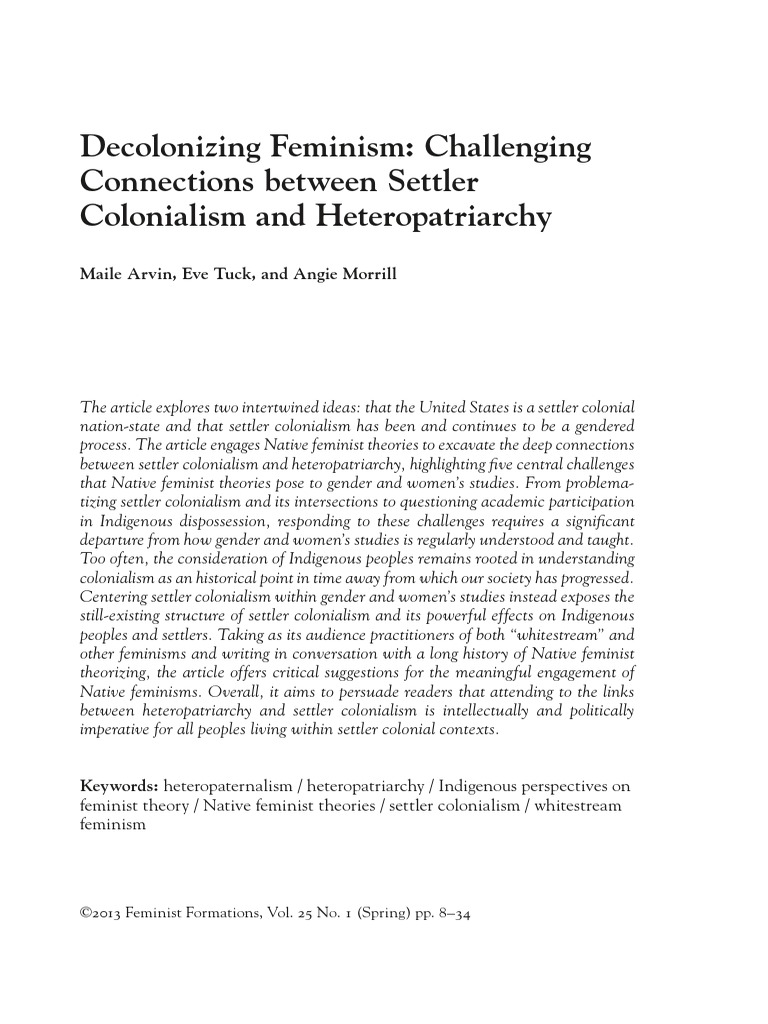
The allure of dissecting the nexus of postcolonialism and feminism stems, on the surface, from a seemingly straightforward observation: both interrogate power structures. Both question established norms. But beneath this veneer lies a more profound and unsettling fascination – a yearning to unravel the intricate ways in which colonial legacies continue to warp gendered experiences, particularly for women in the Global South. This is not merely an academic exercise; it is a radical imperative.
The postcolonial critique, born from the ashes of empires, excavates the enduring impacts of colonialism on colonized societies. Think about it. Political independence, while significant, did not magically erase centuries of economic exploitation, cultural imposition, and psychological manipulation. These legacies manifest in myriad ways, from neocolonial economic policies that perpetuate dependency to the internalization of Western beauty standards that denigrate indigenous forms of femininity. We are still grappling with the fallout.
Feminism, in its multifaceted iterations, seeks to dismantle patriarchal structures that subordinate women. This struggle, however, cannot be divorced from the historical context of colonialism. Colonialism, in many instances, exacerbated existing patriarchal hierarchies or imposed new ones, often cloaked in the guise of “civilizing” missions. The result? A complex tapestry of oppression where gender and colonial histories become inextricably intertwined. It’s a knot that needs untangling, thread by painful thread.
I. The Colonial Construction of Gender
A. Inventing the “Oriental Woman”: Colonial discourse frequently constructed the “Oriental woman” as exotic, hypersexualized, and passive, contrasting her sharply with the idealized Western woman. This orientalist trope served to justify colonial domination by portraying colonized societies as inherently backward and in need of Western intervention. Think of the countless paintings, novels, and travelogues that perpetuated this harmful stereotype. They are all complicit.
B. Imposing Victorian Morality: Colonial powers often attempted to impose Victorian morality and gender roles on colonized populations, disrupting existing social structures and practices. This included suppressing indigenous forms of female agency and autonomy, such as female land ownership or participation in trade. The imposition of corsets on women in tropical climates? A literal and symbolic tightening of the noose.
C. The Weaponization of Gender: Gender became a crucial tool in the colonial project. Colonial administrators used gendered narratives to justify their rule, claiming to “protect” native women from their own men. This paternalistic justification masked the brutal realities of colonial exploitation and control. It was never about protection; it was always about power.
II. Feminist Responses to Colonialism
A. Early Nationalist Movements: Women played pivotal roles in anti-colonial nationalist movements, often fighting alongside men for independence. However, their contributions were frequently marginalized or overlooked in the post-independence era, as nationalist leaders prioritized male dominance and patriarchal social structures. They fought for liberation, only to be sidelined once “freedom” was achieved. A bitter irony.
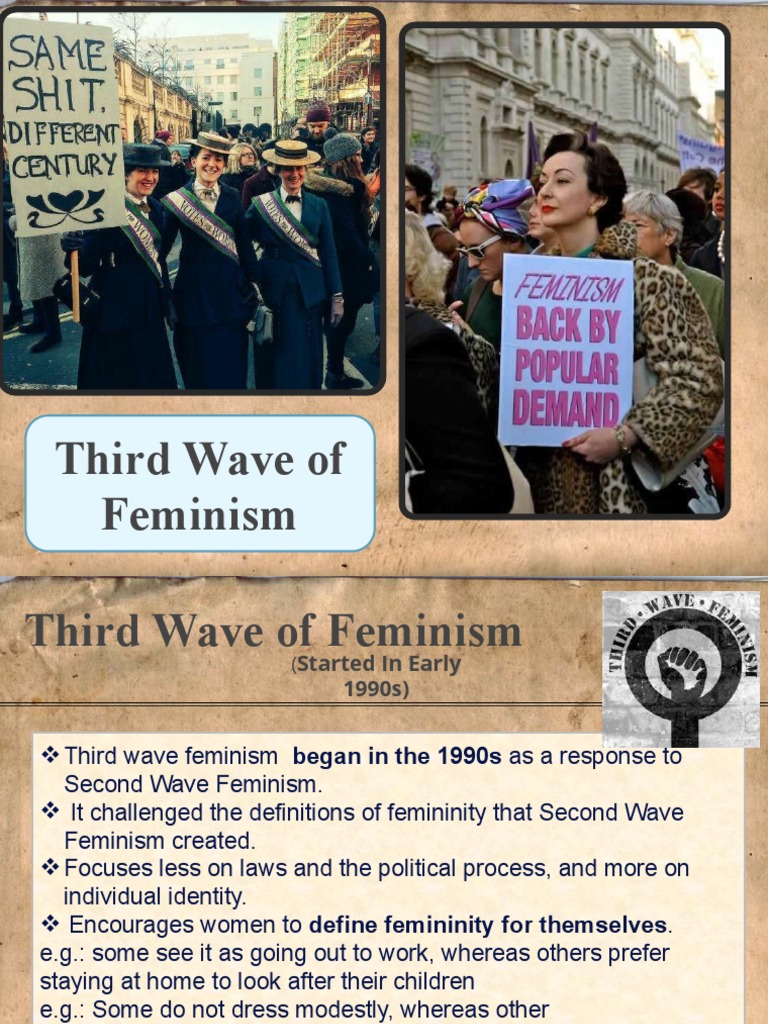
B. The Rise of Third World Feminism: The emergence of Third World feminism challenged the Western-centric perspectives of mainstream feminist theory, arguing that the experiences of women in the Global South were distinct and shaped by colonial legacies. Third World feminists critiqued the universalizing tendencies of Western feminism and emphasized the importance of cultural context. Decolonizing the feminist project itself.
C. Intersectionality and Postcolonial Feminism: Postcolonial feminism embraced the concept of intersectionality, recognizing that gender intersects with other forms of oppression, such as race, class, caste, and sexuality. This approach allowed for a more nuanced understanding of the complexities of women’s lives in postcolonial contexts. One cannot understand gender without understanding the myriad ways it is shaped by other forms of power.
III. Key Concepts in Postcolonial Feminist Theory
A. Subalternity: Coined by Gayatri Chakravorty Spivak, the concept of the subaltern refers to those who are marginalized and excluded from dominant power structures. Postcolonial feminists examine how women, particularly those from marginalized communities, are often relegated to subaltern positions, their voices silenced and their experiences ignored. Who speaks for the voiceless? And more importantly, who listens?
B. Hybridity: Homi K. Bhabha’s concept of hybridity describes the mixing and blending of cultures that occurs in postcolonial contexts. Postcolonial feminists explore how hybridity can challenge colonial binaries and create new forms of identity and resistance. But hybridity is not always a harmonious blend; it can also be a site of tension and conflict.
C. Mimicry: Mimicry, also developed by Bhabha, refers to the colonized subject’s imitation of the colonizer. Postcolonial feminists analyze how mimicry can be a form of both resistance and assimilation. By mimicking the colonizer, the colonized subject can subvert colonial authority, but also risk internalizing colonial values and norms. It’s a dangerous dance.
D. Epistemic Violence: This refers to the suppression or marginalization of indigenous knowledge systems and ways of knowing. Postcolonial feminists argue that colonial powers often engaged in epistemic violence by dismissing or devaluing the knowledge and experiences of colonized women. The erasure of indigenous wisdom is a profound loss, a cultural amputation.
IV. Challenges and Critiques
A. Essentialism: One critique of postcolonial feminism is that it can sometimes essentialize the experiences of women in the Global South, portraying them as a homogenous group with shared experiences of oppression. This overlooks the diversity and complexity of women’s lives across different cultural contexts. Avoid the trap of creating new stereotypes in the process of dismantling old ones.
B. The “West vs. The Rest” Dichotomy: Some critics argue that postcolonial feminism can perpetuate a “West vs. The Rest” dichotomy, reinforcing the notion that the West is inherently oppressive and the Global South is inherently victimized. This oversimplification ignores the complexities of power relations within both the West and the Global South. Nuance is paramount.
C. The Risk of Reifying Colonial Categories: There is a risk that in the process of deconstructing colonial categories, postcolonial feminism can inadvertently reify them, giving them renewed legitimacy. It is crucial to be aware of this danger and to avoid essentializing or romanticizing pre-colonial cultures. The past is not always a golden age.
V. Contemporary Applications and Future Directions
A. Neocolonialism and Globalization: Postcolonial feminist perspectives are increasingly relevant in the context of neocolonialism and globalization. Multinational corporations, international financial institutions, and global media often perpetuate gendered inequalities and exploit women in the Global South. The new colonizers wear suits, not pith helmets.
B. Transnational Feminist Solidarity: Transnational feminist solidarity seeks to build alliances and collaborations between feminists across different national and cultural contexts. This requires a commitment to listening to and learning from each other, respecting cultural differences, and challenging power imbalances within the feminist movement. Solidarity, not charity.
C. Decolonizing Development: Postcolonial feminists are advocating for a decolonization of development, challenging the Western-centric assumptions and models that often underpin development interventions. This includes promoting participatory approaches that prioritize the needs and perspectives of local communities, particularly women. Development should empower, not impose.
D. Indigenous Feminisms: The rise of Indigenous feminisms highlights the unique experiences and perspectives of Indigenous women, who have often been marginalized by both mainstream feminism and postcolonial theory. Indigenous feminisms challenge colonial legacies and assert the importance of Indigenous knowledge, culture, and self-determination. Listen to the voices that have been silenced for too long.
Ultimately, the project of decolonizing gender requires a constant interrogation of power, a willingness to challenge established norms, and a commitment to creating a more just and equitable world for all women. It demands that we listen to the voices of those who have been marginalized, that we dismantle the structures that perpetuate inequality, and that we envision a future where all women can thrive, free from the shackles of colonialism and patriarchy. The work is far from over.







Leave a Comment