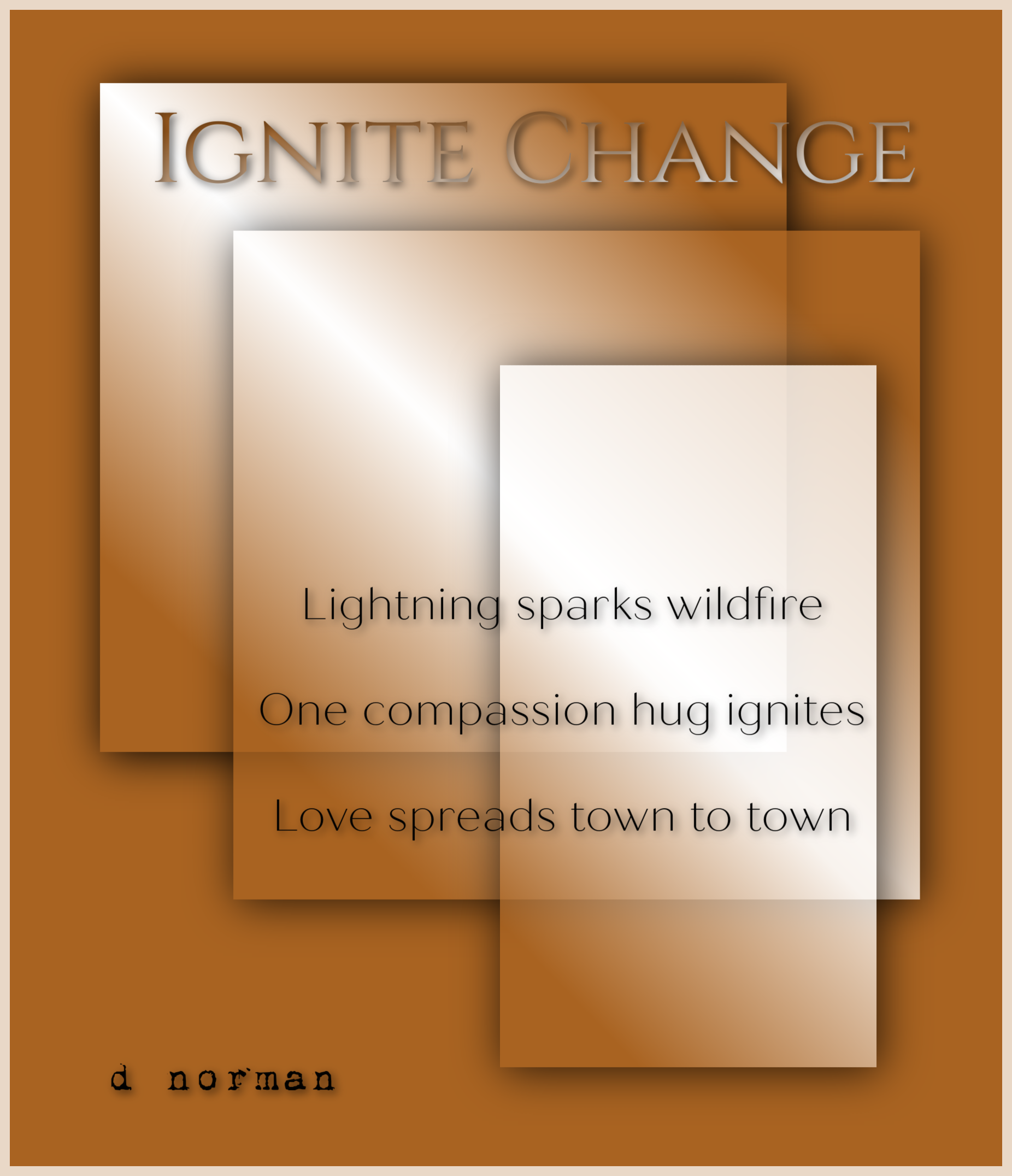
The very notion of “feminist poetry” is, in itself, a gauntlet thrown down at the feet of the patriarchy. It’s a defiant scream in the face of centuries of silencing, a claiming of voice when the world demanded women whisper or, better yet, remain mute. It’s a linguistic insurrection, a rewriting of the narratives that have confined us, diminished us, and told us our worth was measured in proximity to men. But is it enough? Is the act of crafting verses, however exquisitely wrought or fiercely worded, truly capable of igniting change, or does it merely offer a cathartic echo chamber for the already converted? We must delve deeper, dissect the anatomy of these poems, and interrogate their potential to disrupt the status quo.
Feminist poetry isn’t just about expressing anger, though that emotion, undeniably, is a potent fuel. It’s about dismantling the scaffolding of societal oppression, brick by agonizing brick, using the power of metaphor, the sting of irony, and the unwavering gaze of truth. It’s about excavating the buried histories of women, reclaiming their agency, and forging a future where their voices are not only heard but amplified. Let us consider the insidious ways patriarchal structures infiltrate our consciousness, shaping our perceptions and limiting our aspirations. Poetry, at its most potent, serves as an antidote, a cognitive recalibration that challenges these deeply ingrained biases. It’s a mirror reflecting back the ugliness of systemic inequality, forcing us to confront the uncomfortable truths we often choose to ignore.
I. The Unveiling of Systemic Inequities: Poetic Dissections
This section will delve into how feminist poetry exposes the multifaceted nature of systemic inequities. We’ll examine the following:
- The Wage Gap: How poems expose the financial disparity between men and women, and how this reinforces economic dependence. A poem might not just state the statistic; it might evoke the exhaustion of a single mother working two jobs to make ends meet, the frustration of a woman denied a promotion despite her superior qualifications.
- Gendered Labor: How poems confront the unpaid labor burden placed on women, from housework to emotional support. We’ll explore poems that expose the subtle and not-so-subtle ways women are expected to manage households and relationships, often at the expense of their own well-being. A poem might depict the endless cycle of cooking, cleaning, and caring, or the emotional toll of being the perpetual peacekeeper.
- Representation in Media: How poems challenge the stereotypical and often harmful portrayals of women in media and popular culture. Consider how poems confront the objectification of women in advertising, the underrepresentation of women in leadership roles, and the pervasive pressure to conform to unrealistic beauty standards. A poem might offer a scathing critique of the male gaze or celebrate the diversity of female bodies.
II. Reclaiming the Body: A Sanctuary of Resistance
For centuries, women’s bodies have been battlegrounds, sites of control and oppression. Feminist poetry reclaims this territory, transforming it into a sanctuary of resistance. This section will explore:
- Body Positivity: How poems celebrate the diversity of female bodies and challenge the narrow beauty standards imposed by society. It’s about defying the pressure to conform, embracing imperfections, and recognizing the inherent worth of every body. A poem might celebrate the strength of a postpartum body, the beauty of wrinkles, or the resilience of a body that has survived trauma.
- Reproductive Rights: How poems defend a woman’s right to control her own body and make her own reproductive choices. These poems are often raw and unflinching, confronting the complex ethical and emotional dilemmas surrounding abortion, contraception, and motherhood. They might explore the fear of unwanted pregnancy, the anger at political interference, or the grief of infertility.
- Sexual Assault and Harassment: How poems give voice to the experiences of survivors of sexual assault and harassment, breaking the silence and challenging the culture of victim-blaming. These poems are essential for raising awareness, fostering empathy, and creating a space for healing. They might depict the trauma of an assault, the struggle to report it, or the long road to recovery.
III. Deconstructing Language: A Weapon of Empowerment
Language is not neutral. It’s a tool that can be used to empower or oppress. Feminist poetry deconstructs patriarchal language, exposing its biases and reclaiming it for female expression. Consider the following:
- Challenging Gendered Language: How poems subvert traditional gendered language and create new ways of expressing female identity and experience. This involves challenging the use of masculine pronouns as the default, creating neologisms to describe female experiences, and reclaiming derogatory terms. A poem might reimagine the word “slut” as a term of empowerment or create a new language that centers female experiences.
- Reclaiming Female Narratives: How poems rewrite history from a female perspective, giving voice to the untold stories of women throughout history. This involves challenging the dominant narratives that have marginalized women and celebrating their contributions to society. A poem might tell the story of a forgotten female scientist, artist, or activist.
- Intersectional Voices: How poems amplify the voices of women from marginalized communities, addressing the intersectional nature of oppression. Feminism must be inclusive, recognizing that the experiences of women of color, LGBTQ+ women, and women with disabilities are often different from and more complex than those of white, heterosexual, able-bodied women. Poems must address the unique challenges faced by these women and celebrate their resilience. A poem might explore the intersection of racism and sexism or the challenges faced by a transgender woman.
IV. Beyond Catharsis: Catalyzing Social Action
While personal expression is valuable, feminist poetry must also move beyond catharsis and catalyze social action. How can poems translate into tangible change?
- Raising Awareness: How poems can raise awareness about feminist issues and inspire empathy and understanding. Poetry can reach a wider audience than academic papers or political speeches, making feminist ideas more accessible and engaging. A poem might be shared on social media, performed at a rally, or included in a textbook.
- Inspiring Activism: How poems can inspire people to take action and fight for social justice. Poetry can ignite passion, galvanize support, and provide a sense of community for activists. A poem might be used as a call to action at a protest or as a source of inspiration for organizing.
- Creating Dialogue: How poems can create dialogue and foster critical thinking about gender and power. Poetry can challenge readers to question their assumptions, reconsider their beliefs, and engage in meaningful conversations about feminism. A poem might be used as a starting point for a discussion group or as a prompt for writing exercises.
V. The Future of Feminist Poetry: A Polyphony of Resistance
The future of feminist poetry is bright. It will be a polyphony of voices, a chorus of resistance, a symphony of hope. This section will explore:
- Embracing Digital Platforms: How feminist poets are using digital platforms to reach new audiences and create interactive experiences. Social media, online journals, and virtual reality offer new opportunities for feminist poets to share their work and connect with readers.
- Interdisciplinary Collaborations: How feminist poets are collaborating with artists from other disciplines, such as music, dance, and visual arts, to create powerful and multifaceted works of art. These collaborations can amplify the message of feminist poetry and reach new audiences.
- Expanding the Definition of Poetry: How feminist poets are pushing the boundaries of what poetry can be, experimenting with new forms and techniques. This involves challenging traditional notions of rhyme, meter, and subject matter and embracing experimentation and innovation.
The true power of feminist poetry lies not merely in its capacity to articulate the pain and injustice of the past, but in its ability to imagine and actively create a more equitable future. It is a process of constant questioning, relentless challenging, and unwavering belief in the transformative potential of words. It demands that we, as readers and as citizens, engage critically with the narratives we consume and actively participate in the rewriting of the world. It is not enough to simply admire the artistry; we must allow ourselves to be moved, to be provoked, to be changed. Only then can we truly unlock the revolutionary potential of poems about feminism.
The promise of feminist poetry is not just solace, but disruption. It’s a meticulously crafted Molotov cocktail of words, designed to shatter complacency and ignite the flames of change. It’s a call to arms, a summons to dismantle the structures of oppression, line by painstaking line. Are we willing to answer the call? Are we ready to wield the weapon of language and forge a new reality where equality is not a utopian dream, but a lived experience? The answer, my comrades, lies within the verses themselves. Let the revolution begin.








Leave a Comment