
Why are we, as a society, suddenly so enthralled with feminism again? Is it just another fleeting trend, a momentary blip on the radar of societal consciousness? I think not. The resurgence we’re witnessing isn’t merely a fashionable affectation. It’s a tectonic shift, a burgeoning movement with the potential to irrevocably reshape the societal landscape. The renewed interest is fueled by systemic failures, decades of deferred promises, and the persistent, galling inequities that continue to plague women globally. Welcome to the era of New Wave Feminism, a force far more nuanced and complex than its predecessors.
Let’s dissect this phenomenon, shall we? Forget the simplistic narratives. This isn’t your grandmother’s bra-burning brigade (though, let’s be honest, a metaphorical bra-burning might be in order some days). New Wave Feminism is an intersectional, multifaceted, and unapologetically vocal movement built on the scaffolding of past struggles but daring to reach new heights. It acknowledges the historical context while forging its own path.
I. The Genesis: Echoes of the Past, Visions of the Future
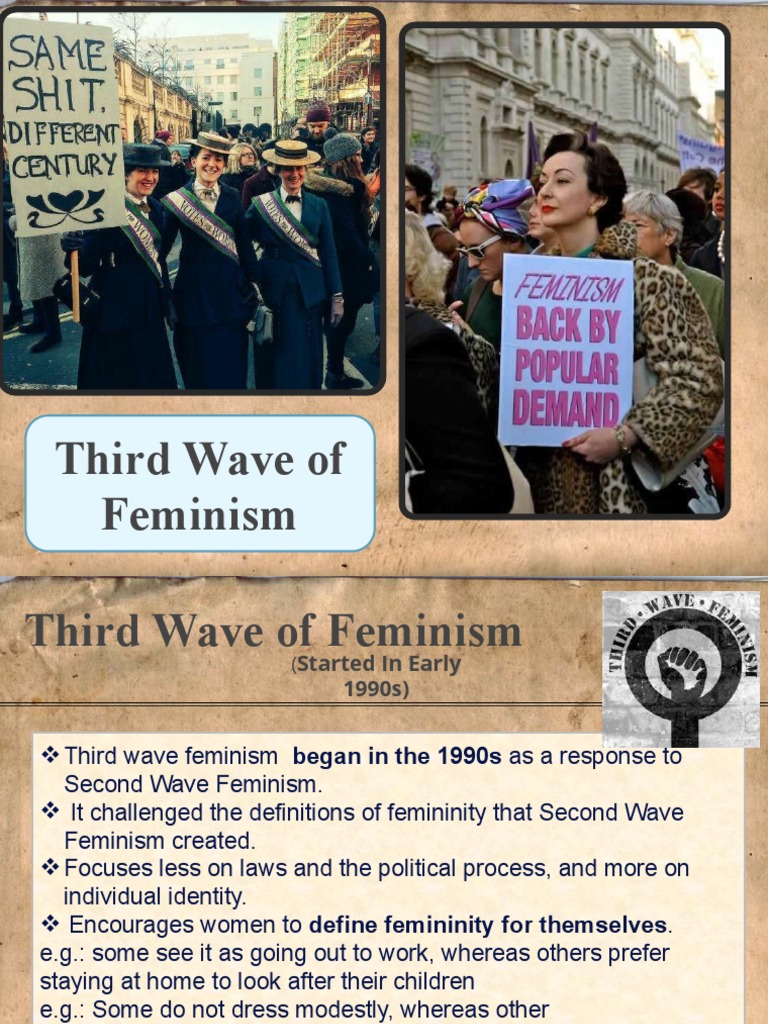
Any worthwhile examination of the current feminist surge requires a brief, though essential, recapitulation of its antecedents. The suffragettes, bless their tenacious hearts, fought for the right to vote, a cornerstone of political agency. Second-wave feminism tackled issues of reproductive rights, workplace equality, and domestic violence. Each wave, a response to its specific epoch, laid the groundwork for what we see today. But New Wave Feminism isn’t simply a continuation. It’s a recalibration, a response to the shortcomings and oversights of previous iterations. It’s about acknowledging privilege, addressing exclusion, and dismantling the very structures that perpetuate inequality.
II. Intersectional Imperatives: Beyond a Singular Narrative
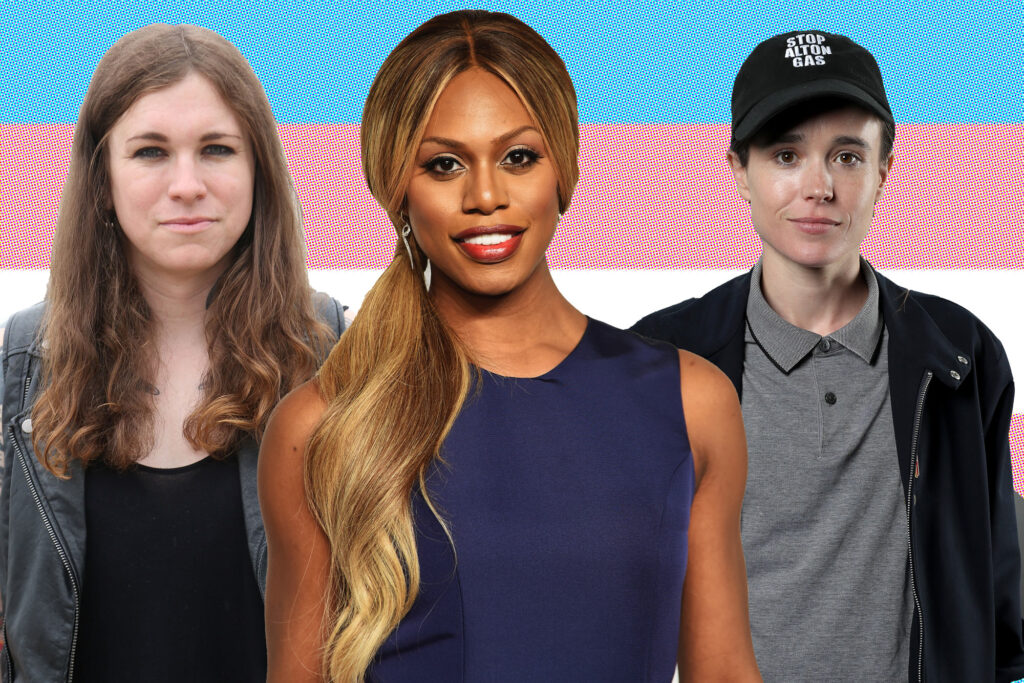
This is where New Wave Feminism distinguishes itself most profoundly. The recognition that womanhood is not a monolithic experience is paramount. Race, class, sexual orientation, gender identity, disability – these are not tangential considerations; they are integral components of the feminist discourse. The experiences of a Black, disabled, queer woman are vastly different from those of a white, cisgender, heterosexual woman. To ignore these differences is to perpetuate the very systems of oppression that feminism seeks to dismantle. This isn’t just about inclusivity; it’s about understanding that power structures operate differently and affect various demographics in unique ways. It’s a demand for a truly equitable space where all voices are not only heard but valued. Consider the concept of “intersectionality,” coined by Kimberlé Crenshaw. It’s not just a buzzword; it’s a crucial framework for understanding how different forms of discrimination interact and compound upon each other.
III. Digital Activism: Amplifying Voices, Challenging Norms
The internet, for all its flaws, has become a powerful tool for feminist activism. Social media platforms provide a space for marginalized voices to be amplified, for stories to be shared, and for movements to be organized with unprecedented speed and reach. Hashtags like #MeToo and #TimesUp have become rallying cries, exposing systemic sexual harassment and assault and demanding accountability. Online campaigns have brought awareness to issues ranging from period poverty to gender-based violence. However, we must also acknowledge the dark side of digital activism. Online harassment, doxing, and the spread of misinformation are real threats that can silence voices and undermine the movement. Navigating this digital landscape requires vigilance, critical thinking, and a commitment to creating safe and inclusive online spaces.
IV. The Male Gaze: Reclaiming the Narrative
Laura Mulvey’s concept of the “male gaze,” introduced decades ago, remains strikingly relevant. The pervasiveness of media that objectifies women and presents them through a masculine lens continues to shape societal perceptions. New Wave Feminism actively challenges this gaze. It’s about reclaiming agency over female representation, celebrating diverse body types, and deconstructing harmful stereotypes. This involves supporting female filmmakers, artists, and writers who offer alternative narratives. It also involves critically analyzing the media we consume and challenging the messages that perpetuate sexism and objectification. The reclamation of narrative extends beyond mere representation; it demands a fundamental shift in power dynamics, ensuring that women are not merely objects of observation but active agents in their own stories.
V. The Wage Gap and Economic Empowerment: Closing the Divide
The persistent wage gap, where women earn less than men for doing the same work, is a glaring example of systemic inequality. This isn’t just about fairness; it’s about economic empowerment. Women who earn less have less financial security, less ability to invest in their future, and less power to negotiate their own terms. New Wave Feminism advocates for equal pay for equal work, paid parental leave, affordable childcare, and policies that support women’s economic advancement. It recognizes that economic empowerment is crucial for women’s overall well-being and for achieving true gender equality. Furthermore, it addresses the subtle but pervasive biases that contribute to the wage gap, such as the tendency to undervalue work traditionally performed by women.
VI. Reproductive Rights: Autonomy and Choice
The right to control one’s own body is a fundamental human right. New Wave Feminism fiercely defends reproductive rights, including access to safe and legal abortion, contraception, and comprehensive sex education. These are not merely “women’s issues”; they are essential for gender equality and bodily autonomy. Restrictions on reproductive rights disproportionately affect marginalized communities and perpetuate cycles of poverty and inequality. The fight for reproductive rights is not just about access to healthcare; it’s about ensuring that all individuals have the power to make informed decisions about their own bodies and futures. It’s about challenging the patriarchal control over women’s reproductive capacity and asserting the right to self-determination.
VII. Challenging Toxic Masculinity: Reimagining Gender Roles
Feminism is not about hating men. It’s about dismantling oppressive systems that harm everyone, including men. New Wave Feminism recognizes that toxic masculinity, with its emphasis on dominance, aggression, and emotional suppression, is detrimental to both men and women. It challenges traditional gender roles and encourages men to embrace vulnerability, empathy, and emotional intelligence. This is not about feminizing men; it’s about creating a more equitable and compassionate society where individuals are free to express themselves without being constrained by rigid gender norms. It’s about dismantling the power structures that perpetuate violence and inequality.
VIII. The Role of Education: Empowering the Next Generation
Education is a powerful tool for social change. New Wave Feminism advocates for inclusive curricula that challenge gender stereotypes, promote critical thinking, and empower students to become agents of change. This includes teaching about feminist history, discussing issues of gender equality, and fostering a culture of respect and empathy. It also involves addressing the subtle biases that can perpetuate inequality in the classroom, such as the tendency to call on boys more often than girls or to undervalue the contributions of female students. Education is not just about acquiring knowledge; it’s about developing the skills and values needed to create a more just and equitable world.
IX. The Backlash: Navigating Resistance and Misrepresentation
Any movement that challenges the status quo is bound to face resistance. New Wave Feminism is no exception. The backlash takes many forms, from online harassment and misinformation to legislative attempts to restrict women’s rights. It’s crucial to be aware of these tactics and to develop strategies for countering them. This includes educating the public about feminist principles, challenging harmful stereotypes, and supporting feminist activists who are facing threats and intimidation. The backlash is a sign that the movement is making progress, but it also underscores the importance of vigilance and resilience.
X. The Future of Feminism: A Vision of Equality
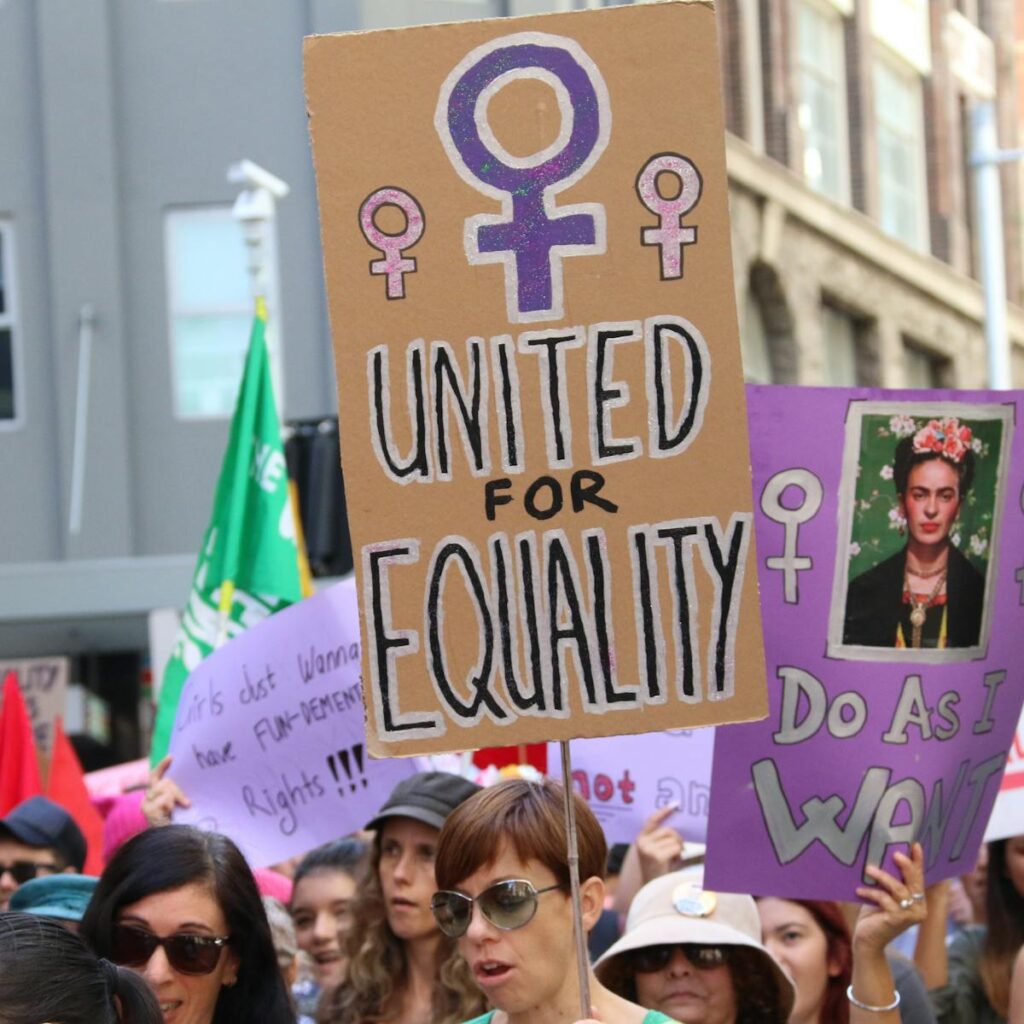
The future of feminism is not predetermined. It’s being shaped by the actions of individuals and communities around the world. It’s a future where gender equality is not just a goal but a reality. A future where all individuals, regardless of their gender identity, have the opportunity to thrive. This vision requires ongoing commitment, collaboration, and a willingness to challenge the systems that perpetuate inequality. New Wave Feminism is a powerful force for change, but it’s not a magic bullet. It requires the active participation of everyone who believes in a more just and equitable world. It’s about building a future where the word “feminism” is no longer necessary because equality is simply the norm.
Ultimately, the allure of New Wave Feminism lies in its promise of a more just, equitable, and compassionate world for all. It’s not merely about empowering women; it’s about dismantling the very structures that perpetuate inequality and creating a society where everyone can thrive. It’s a messy, complex, and often frustrating process, but it’s a process worth fighting for. So, let’s get to work.






Leave a Comment