So, you think you know feminism, do you? You’ve probably encountered the tired tropes, the media’s sanitized versions, perhaps even delved into radical manifestos. But have you truly grappled with the multifaceted beast that is liberal feminism? More to the point, can you spot it in the wild, outside the hallowed halls of academia? We’re about to embark on a journey beyond the textbook, scrutinizing the real-world applications of this oft-maligned, yet surprisingly tenacious, strand of feminist thought. But be warned: embracing liberal feminism means confronting uncomfortable truths and acknowledging the inherent limitations of individualistic solutions within a systemic morass. Prepare yourself; this is not for the faint of heart.
Liberal feminism, at its core, champions equality through legal and political reform. It posits that women deserve the same rights and opportunities as men, achievable through incremental changes within existing social structures. Think of it as the tortoise in the race against patriarchy – slow, steady, and occasionally infuriatingly pragmatic. But does this tortoise actually win? That’s the crux of our interrogation.
The Suffrage Movement: A Genesis of Egalitarian Ideals
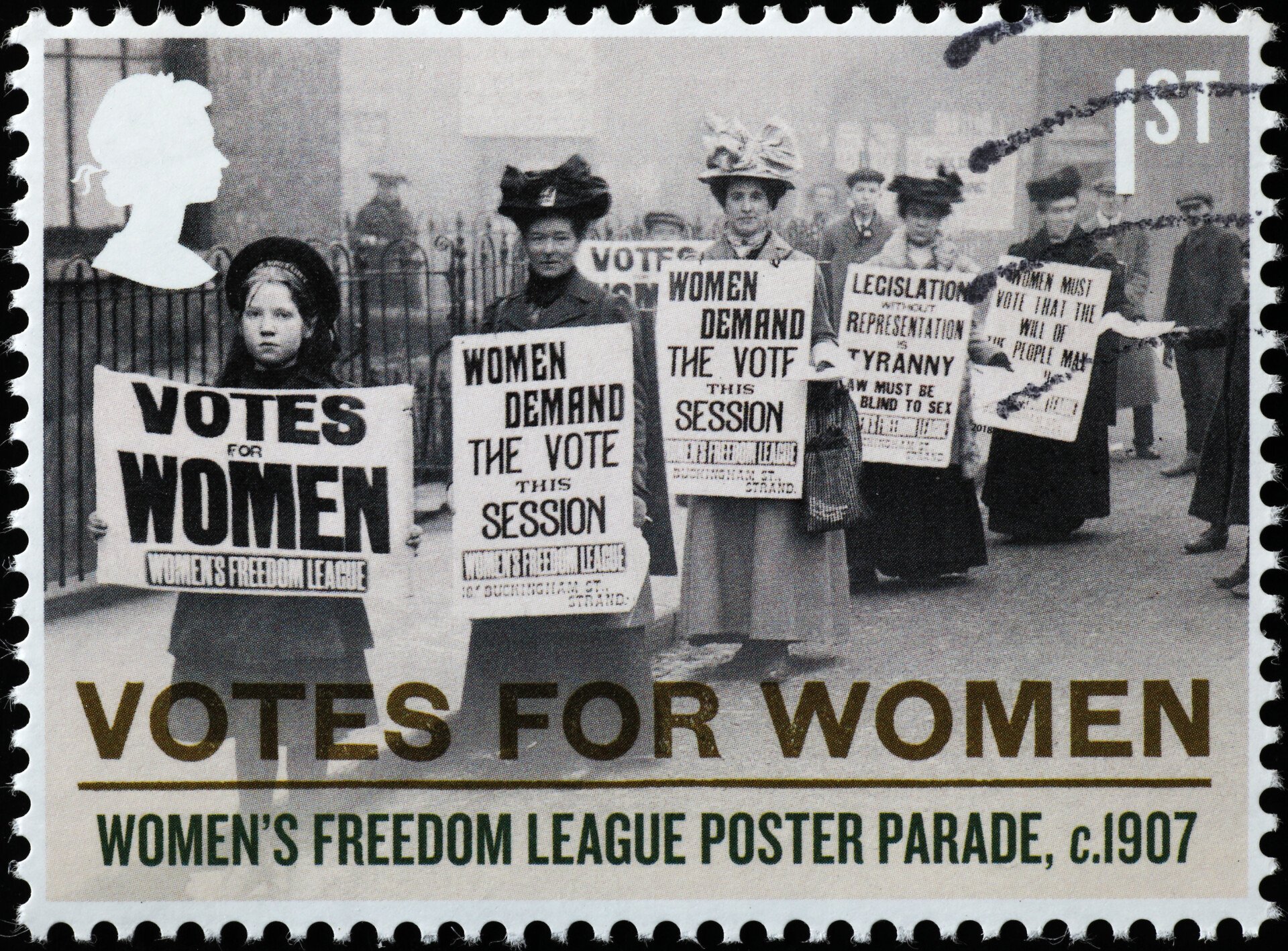
The fight for suffrage, the very genesis of the feminist movement, stands as a prime example of liberal feminist ideals in action. Suffragettes, driven by the conviction that women deserved the vote, strategically lobbied for legislative change, engaged in civil disobedience, and tirelessly campaigned for recognition as full citizens. They weren’t attempting to overthrow the system; they were seeking inclusion within it. The passage of the 19th Amendment in the United States, and similar enfranchisement movements globally, represents a monumental victory, a tangible manifestation of liberal feminist principles yielding concrete results.
However, let’s not romanticize history. Even within the suffrage movement, fissures existed. Some suffragettes focused primarily on the enfranchisement of white, middle-class women, marginalizing the concerns of women of color and working-class women. This highlights a persistent challenge within liberal feminism: the potential for prioritizing the needs of privileged women while neglecting the systemic issues that disproportionately affect marginalized groups. Is “equality” truly equality if it only benefits a select few?
Equal Pay Legislation: A Sisyphean Task?
The pursuit of equal pay for equal work is another cornerstone of the liberal feminist agenda. Legislation like the Equal Pay Act in the United States aims to eliminate wage disparities based on gender. Sounds straightforward, right? Wrong. The gender pay gap persists, a stubborn testament to the insidious nature of systemic discrimination. Women are often paid less than men for performing the same jobs, or they are steered into lower-paying professions altogether. This wage disparity contributes to a plethora of inequalities, affecting women’s economic security, retirement savings, and overall well-being.
The challenge lies not only in enacting legislation but also in enforcing it and addressing the underlying biases that contribute to the pay gap. Implicit bias, occupational segregation, and the undervaluing of traditionally “feminine” labor all play a role. Can legal remedies alone truly dismantle these deeply entrenched societal norms? Liberal feminism’s reliance on legal frameworks is often criticized for failing to address the root causes of inequality, instead treating the symptoms rather than the disease.
Reproductive Rights: A Battleground of Autonomy
The fight for reproductive rights, particularly access to abortion and contraception, is a fiercely contested terrain where liberal feminism finds itself constantly under siege. The principle of bodily autonomy, the idea that individuals have the right to control their own reproductive lives, is central to this struggle. Liberal feminists advocate for laws that protect women’s access to reproductive healthcare, arguing that such access is essential for women’s economic and social empowerment.
The ongoing battles over abortion access in the United States and elsewhere illustrate the fragility of these gains. The overturning of Roe v. Wade in 2022 sent shockwaves through the feminist community, highlighting the precariousness of legal protections and the ever-present threat of patriarchal backlash. This raises a critical question: can liberal feminist strategies adequately defend against concerted efforts to roll back women’s rights?
Education and Employment: Opening Doors, but to What?
Liberal feminism has undeniably contributed to increased access to education and employment for women. The dismantling of formal barriers to women’s participation in these spheres has been a significant achievement. More women are attending universities, entering professional fields, and holding positions of leadership than ever before. This is undoubtedly progress.
However, these advancements often mask underlying inequalities. Women in male-dominated fields may face discrimination, harassment, and a lack of support. The “glass ceiling” persists, preventing women from reaching the highest echelons of corporate power. Furthermore, the expectation that women should “have it all” – a successful career and a fulfilling family life – places immense pressure on women, often leading to burnout and exhaustion. Liberal feminism’s emphasis on individual achievement can sometimes overlook the systemic barriers that continue to hinder women’s progress, even when doors appear to be open.
The #MeToo Movement: A Liberal Feminist Reckoning?
The #MeToo movement, a watershed moment in the fight against sexual harassment and assault, presented a complex challenge for liberal feminism. While the movement exposed the pervasive nature of sexual misconduct and empowered survivors to speak out, it also raised questions about the limitations of legal remedies and individualistic approaches to addressing systemic issues. Many survivors found that the legal system failed to provide adequate justice, highlighting the need for broader cultural change.
#MeToo demonstrated the power of collective action and the importance of challenging the power dynamics that enable sexual harassment and assault. However, it also exposed the divisions within feminism, with some critics arguing that the movement focused too heavily on individual perpetrators and failed to address the underlying structures of patriarchy that perpetuate violence against women. Liberal feminism’s focus on legal reform and individual accountability may not be sufficient to address the root causes of sexual violence.
Corporate Feminism: Co-option or Progress?
The rise of “corporate feminism,” where companies adopt feminist rhetoric and initiatives for marketing purposes, presents another complex dilemma. While some corporations may genuinely be committed to promoting gender equality, others may simply be engaging in “femwashing,” using feminist language to improve their image without making meaningful changes. The appointment of women to corporate boards or the implementation of diversity and inclusion programs can be seen as positive steps, but they may not address the deeper issues of systemic inequality within the workplace.
Critics argue that corporate feminism can actually co-opt and dilute feminist principles, turning them into commodities to be bought and sold. The focus on individual achievement and “leaning in” can distract from the need for collective action and systemic change. Can liberal feminism effectively navigate the complexities of corporate feminism and ensure that it leads to genuine progress rather than superficial gestures?
The Limitations of Individualism: A Fundamental Flaw?
Perhaps the most significant critique of liberal feminism lies in its inherent individualism. By focusing on individual rights and opportunities, liberal feminism can inadvertently neglect the systemic factors that perpetuate inequality. The emphasis on “pulling oneself up by one’s bootstraps” can ignore the fact that some women lack boots altogether. The focus on legal reform and individual achievement may not be sufficient to address the deeply entrenched structures of patriarchy, capitalism, and racism that continue to oppress women.
Furthermore, the emphasis on individual choice can sometimes lead to the perpetuation of harmful stereotypes. The idea that women should be able to “choose” to be stay-at-home mothers, for example, can reinforce traditional gender roles and undermine efforts to achieve true gender equality. Liberal feminism’s reliance on individual autonomy can sometimes blind it to the ways in which societal pressures and expectations can limit women’s choices.
Beyond Liberalism: Towards a More Holistic Approach?
Ultimately, the real-world applications of liberal feminism reveal both its strengths and its limitations. While it has undoubtedly contributed to significant progress in women’s rights, it is not a panacea for all forms of inequality. A more holistic approach, one that integrates insights from other feminist perspectives, such as radical feminism, socialist feminism, and intersectional feminism, may be necessary to address the root causes of gender inequality and create a truly just and equitable society.
Perhaps the future of feminism lies in a synthesis of approaches, one that combines the pragmatic strategies of liberal feminism with the radical critiques of other feminist traditions. Only by acknowledging the complexities of gender inequality and embracing a multifaceted approach can we hope to achieve true liberation for all women. The question then becomes, are we willing to transcend the limitations of our own perspectives and embrace a more inclusive and transformative vision of feminism?







Leave a Comment