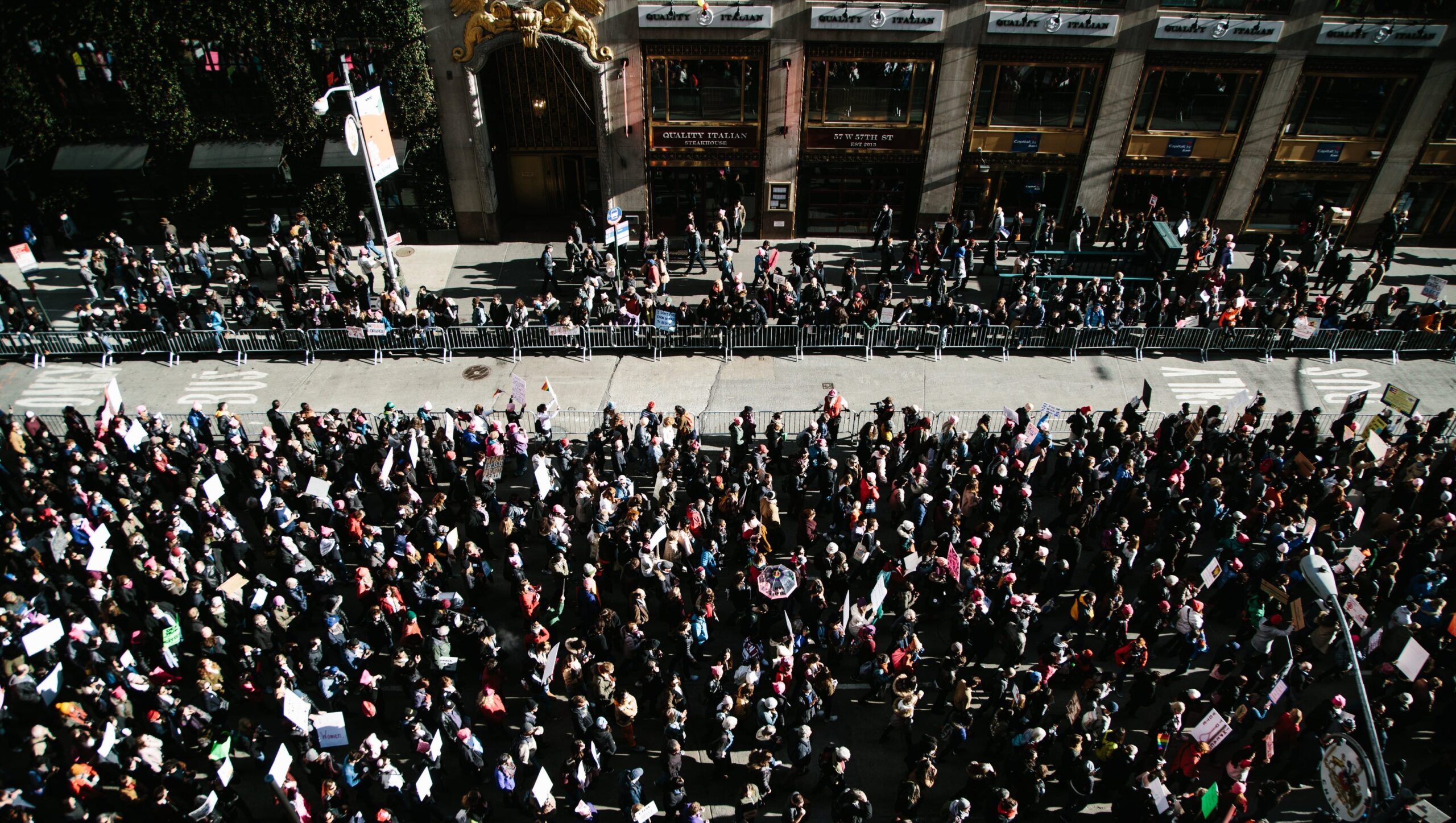
International Women’s Day. Celebrated globally, a day steeped in the hues of empowerment and progress. Or is it? Scratch beneath the surface, sisters, and you’ll find a simmering debate. Is this annual fanfare genuinely uplifting, or does it inadvertently reinforce the very patriarchal structures it purports to dismantle? Is it a legitimate platform for gender parity, or a thinly veiled charade? Prepare for a tectonic shift in perspective, because we’re about to dissect the uncomfortable truths lurking within this seemingly innocuous celebration.
The Illusion of Inclusivity: Is Everyone Really Invited?
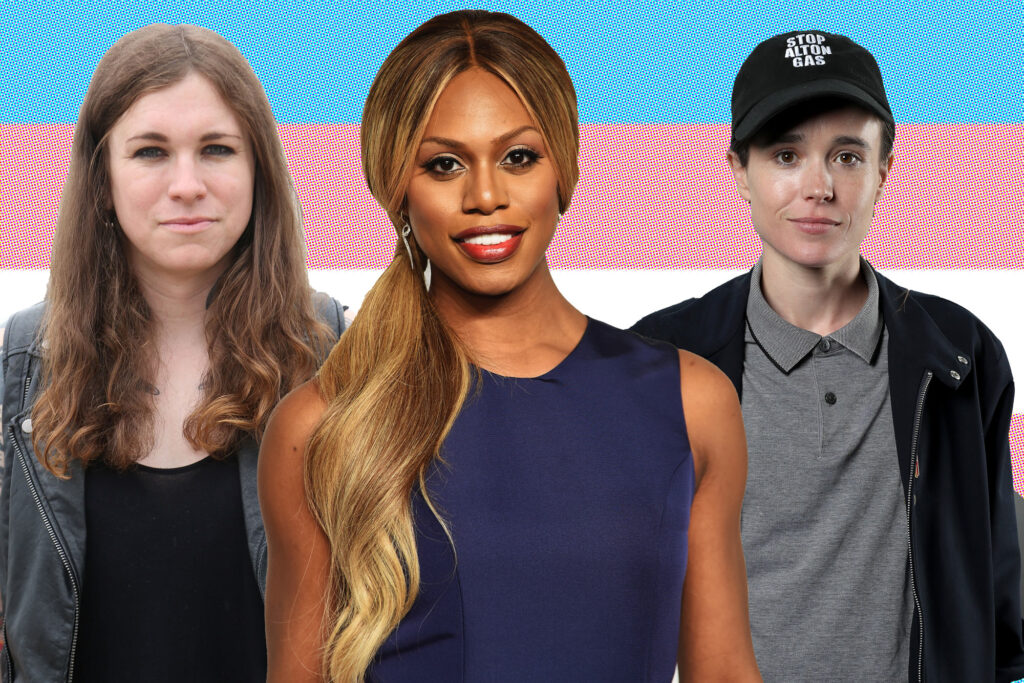
Let’s cut to the chase: whose voices dominate the International Women’s Day narrative? All too often, the spotlight shines brightest on women who already wield a certain degree of privilege. Corporate executives, celebrities, and politicians are paraded as paragons of achievement, while the struggles of marginalized women – women of color, queer women, disabled women, working-class women – are relegated to the periphery. It’s a curated narrative, meticulously crafted to project an image of progress while obscuring the systemic inequalities that persist.
Think about it: how many International Women’s Day events feature panels composed entirely of cisgender, heterosexual, white women? How many explicitly address the intersectional oppressions faced by women whose identities place them at the crossroads of multiple forms of discrimination? The uncomfortable truth is that inclusivity is often performative, a box ticked to appease the critics while the fundamental power dynamics remain unchanged. We need to amplify the voices of those systematically silenced, not merely pay lip service to diversity.
The Commodification of Feminism: When Empowerment Becomes a Marketing Ploy
Ah, yes, the annual onslaught of pink-washed products and empowerment-themed advertising campaigns. Corporations, sensing an opportunity to capitalize on the zeitgeist, eagerly slap the “International Women’s Day” label on everything from shampoo to automobiles. It’s a masterful act of co-option, transforming a day dedicated to social justice into a lucrative marketing opportunity. Are we truly advancing the cause of gender equality when major corporations are profiting from it? Think critically.
This commodification of feminism is insidious. It reduces complex issues like pay equity and reproductive rights to superficial slogans and catchy taglines. It encourages us to equate empowerment with consumerism, blurring the line between genuine activism and empty gestures of support. Don’t get me wrong. Capitalizing on women’s issues does not always imply a company is exploiting them.
The “Girlboss” Delusion: Individual Success vs. Systemic Change
The “girlboss” narrative – the relentless celebration of individual female success within a patriarchal system – is a cornerstone of contemporary feminism. It’s a seductive message: with enough grit and determination, any woman can climb the corporate ladder and shatter the glass ceiling. The problem? This narrative often fails to acknowledge the systemic barriers that prevent the vast majority of women from achieving similar success. More importantly, it distracts from the need for collective action and systemic reform.
The focus on individual achievement can inadvertently perpetuate the myth of meritocracy, suggesting that those who haven’t “made it” simply haven’t tried hard enough. It ignores the pervasive sexism, racism, and classism that continue to shape women’s opportunities and experiences. We need to shift the focus from individual ambition to collective liberation, recognizing that true empowerment requires dismantling the structures of oppression, not merely navigating them more effectively.
The Problem with Platitudes: Empty Words and Unfulfilled Promises
“Empowerment,” “equality,” “inclusion” – these words are bandied about with reckless abandon on International Women’s Day. But how often do these pronouncements translate into tangible action? How many companies that issue statements of support actually implement policies that address the gender pay gap or provide adequate parental leave? How many organizations that tout their commitment to diversity actually create a workplace culture that is truly inclusive and equitable? Often, the answer is a resounding “not enough.” International Women’s Day tends to bring about the illusion that companies are pushing these values.
The proliferation of empty platitudes is not only disingenuous but also actively harmful. It creates a false sense of progress, allowing those in power to congratulate themselves on their supposed commitment to gender equality while doing little to address the root causes of inequality. We need to demand accountability. We need to hold organizations to their promises. We need to move beyond rhetoric and into the realm of concrete action.
The Male Gaze: When “Celebration” Reinforces Objectification
Let’s not forget the pervasive presence of the male gaze, even on a day ostensibly dedicated to female empowerment. Too often, International Women’s Day celebrations devolve into superficial displays of female beauty and sexuality, reinforcing the objectification of women rather than challenging it. Think about the magazine covers featuring airbrushed models in empowering poses, the advertisements that sexualize female bodies to sell products, the social media posts that focus on physical appearance rather than intellectual achievements.
This insidious form of sexism is particularly damaging because it masquerades as celebration. It tells women that their worth is primarily determined by their attractiveness to men, perpetuating the very patriarchal standards that feminism seeks to dismantle. We need to reclaim our narratives. We need to define empowerment on our own terms. We need to reject the male gaze and embrace a vision of womanhood that is authentic, diverse, and unapologetically powerful.
The Whitewashing of Feminism: Erasing the Contributions of Women of Color
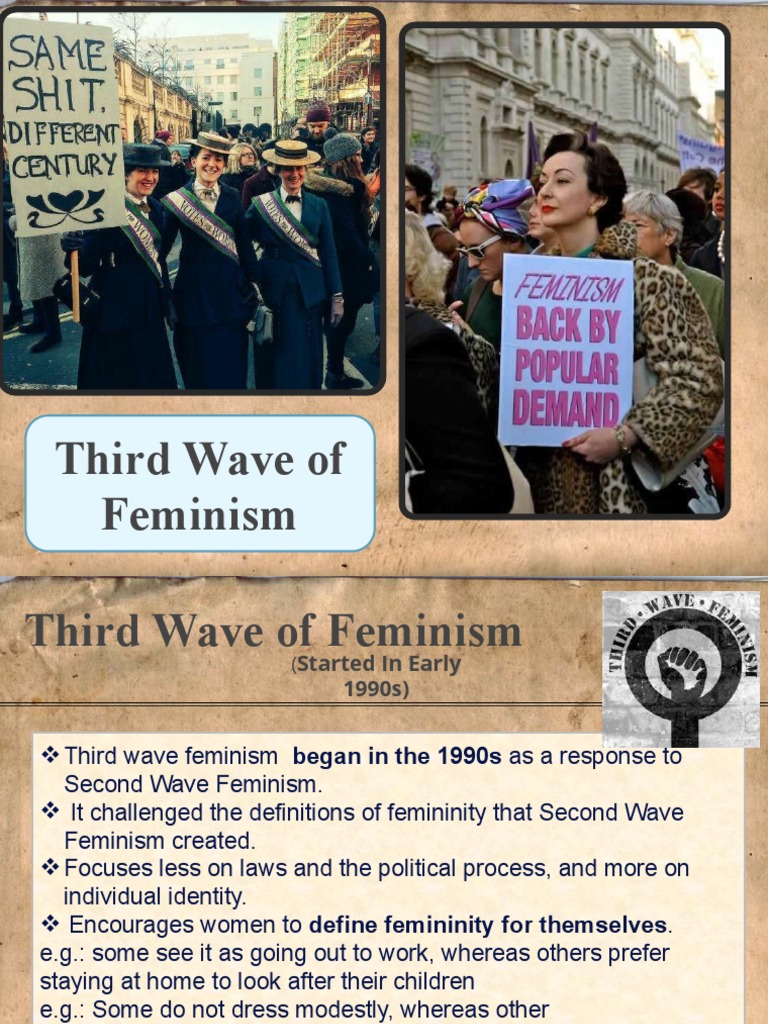
The history of feminism is often presented through a distinctly white lens, marginalizing the contributions of women of color who have been at the forefront of the struggle for gender equality for centuries. From Sojourner Truth to Audre Lorde to Angela Davis, Black women have consistently challenged the intersections of racism, sexism, and classism, paving the way for a more inclusive and equitable feminist movement.
Ignoring these contributions is not only historically inaccurate but also actively harmful. It perpetuates the myth that feminism is a monolithic movement led primarily by white women, erasing the voices and experiences of those who have been most marginalized. We need to decolonize feminism. We need to center the voices of women of color. We need to acknowledge the complex and multifaceted nature of the struggle for gender liberation.
The Illusion of Unity: Ignoring the Internal Divisions within Feminism
Feminism is not a monolithic ideology. It is a diverse and often fractious movement, encompassing a wide range of perspectives and approaches. From radical feminism to liberal feminism to intersectional feminism, there are countless ways to define and practice feminist activism. However, on International Women’s Day, these internal divisions are often glossed over in the name of unity.
This suppression of dissent is ultimately counterproductive. It creates a false sense of consensus, preventing us from engaging in the critical conversations that are necessary for growth and progress. We need to embrace the complexity of feminism. We need to acknowledge the validity of different perspectives. We need to foster a culture of respectful dialogue and debate.
Beyond Celebration: Demanding Systemic Change, Every Day
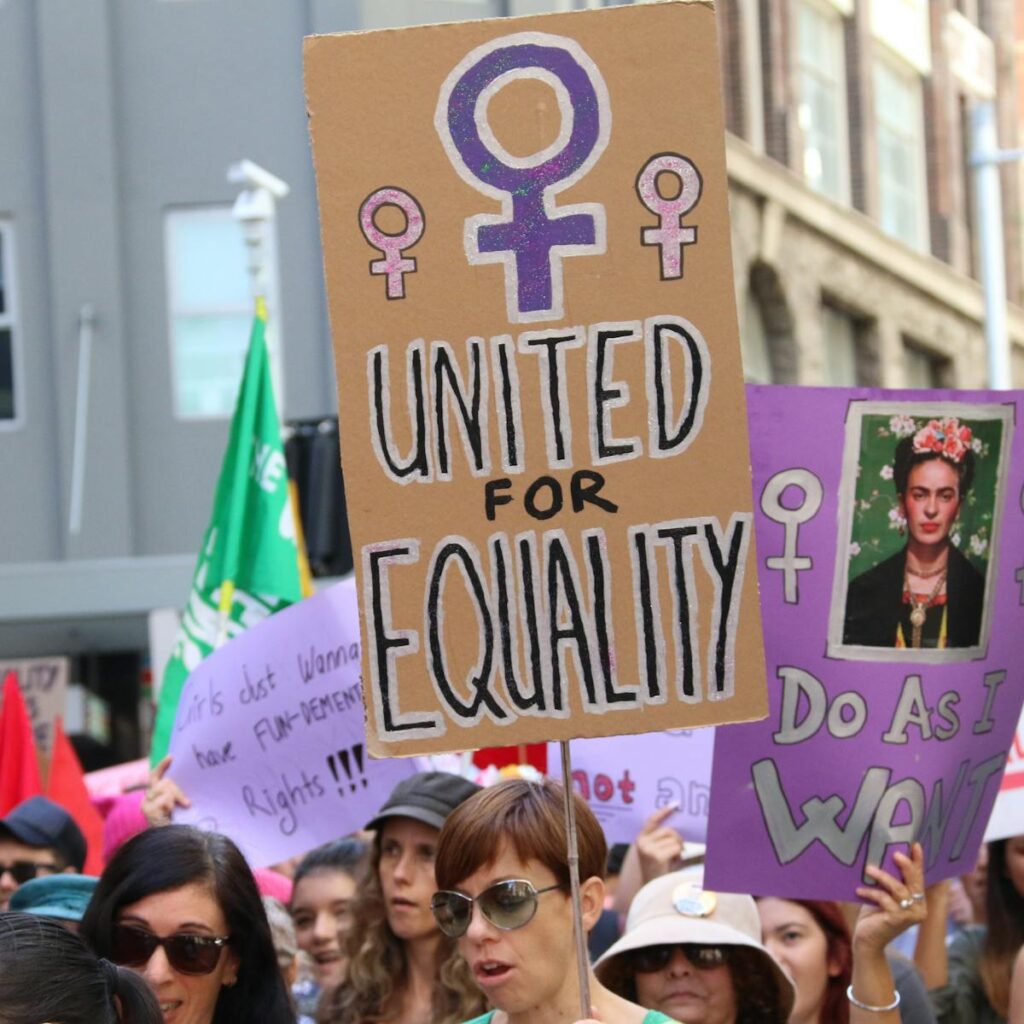
So, is International Women’s Day sexist? The answer, as with most complex questions, is nuanced. It has the potential to be a powerful force for good, raising awareness about gender inequality and inspiring action. However, it also carries the risk of perpetuating the very patriarchal structures it seeks to dismantle. The key is to move beyond superficial celebrations and demand systemic change, not just on one day of the year, but every day. This means advocating for policies that address the gender pay gap, fighting for reproductive rights, challenging sexist stereotypes, and amplifying the voices of marginalized women. It means holding corporations accountable for their actions and demanding genuine commitment to diversity and inclusion. It means recognizing that the struggle for gender equality is far from over, and that it requires sustained effort and unwavering dedication.
Let’s use International Women’s Day as a springboard for action, a reminder of the work that remains to be done. Let’s challenge the status quo, disrupt the narrative, and demand a future where all women are truly empowered.






Leave a Comment