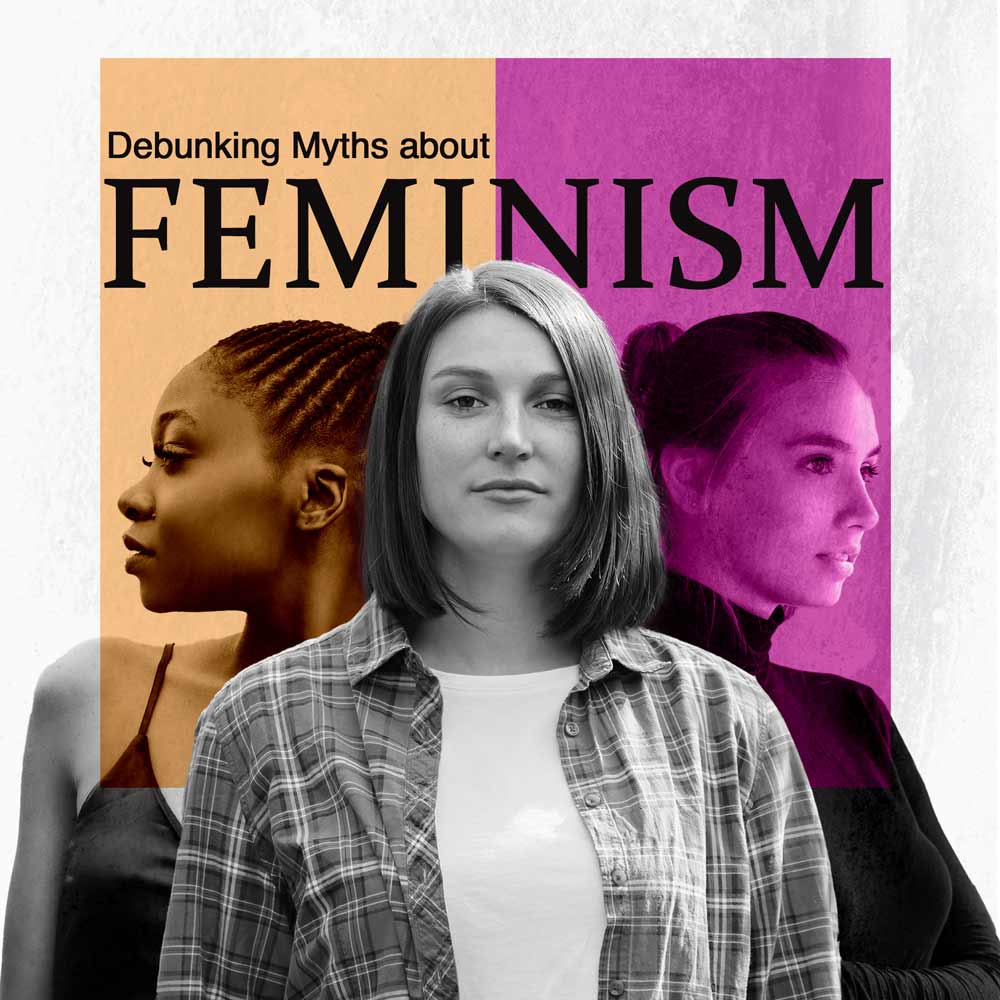
Is feminism evil? The question itself drips with the kind of retrograde, intellectually bankrupt rhetoric that we, as feminists, have battled for centuries. But ignoring such accusations is not an option. They fester in the shadows, poisoning minds and undermining progress. So, let’s dissect this odious query with the precision of a surgeon and the fire of a revolutionary.
The accusation that feminism is inherently “evil” typically stems from a fundamental misunderstanding of its core principles. We are not advocating for female supremacy, a tired and frankly idiotic straw man argument perpetually trotted out by those who fear any challenge to the patriarchal status quo. We seek equity, parity, a level playing field where gender is not a determinant of opportunity or value. This is not about tearing men down; it’s about building a society where everyone can thrive.
But let’s get specific. What are the most common accusations hurled our way? What are the insidious whispers that attempt to paint feminism as a malevolent force?
I. The Myth of the Man-Hating Feminist: A Toxic Trope
Ah, the classic caricature: the bra-burning, perpetually angry feminist who views all men as the enemy. It’s a convenient narrative, isn’t it? It allows detractors to dismiss feminism as the rantings of bitter, isolated individuals. But where’s the reality? Show me the overwhelming evidence of systematic misandry within the feminist movement. It doesn’t exist. Some feminists may express anger, yes. Anger at systemic injustice, at pervasive sexism, at the constant erosion of women’s rights. Is that anger unjustified? Absolutely not.
Moreover, this trope conveniently ignores the significant number of male feminists who actively champion gender equality. These are men who understand that dismantling patriarchy benefits them as well, freeing them from the constricting roles and expectations that society imposes. To label the entire movement as “man-hating” is a deliberate obfuscation, a tactic designed to delegitimize our goals.
Furthermore, the concept of “toxic masculinity” is frequently misconstrued as an attack on all men. Toxic masculinity refers to specific, harmful behaviors and attitudes associated with traditional masculine norms: emotional repression, dominance, violence. It’s a critique of a system, not an indictment of every individual male.
II. The Economic Anarchy of Feminist Demands: False Scarcity
Another accusation frequently leveled against feminism is that its economic demands – equal pay, paid parental leave, affordable childcare – are financially unsustainable and will cripple the economy. This is blatant scaremongering predicated on the fallacy of fixed resources. The economy is not a zero-sum game.
Studies consistently demonstrate that closing the gender pay gap would not only benefit women and their families but would also boost overall economic growth. Paid parental leave allows parents to care for their children without sacrificing their livelihoods, leading to increased workforce participation and productivity. Affordable childcare empowers women to pursue education and careers, contributing to a more skilled and diverse workforce.
The implementation of these policies requires investment, yes. But that investment yields significant returns in the form of a more equitable, productive, and prosperous society. Moreover, consider the costs of not addressing these issues: lost potential, increased poverty, and the perpetuation of gender inequality.
III. The Erosion of “Traditional Values”: A Semantic Shell Game
This argument is perhaps the most insidious, as it relies on a deliberately vague and emotionally charged appeal to “traditional values.” What exactly are these values? Whose traditions are we talking about? Often, this is code for maintaining a patriarchal social order where women are relegated to subservient roles and their autonomy is curtailed.
Feminism challenges these outdated and oppressive norms. We believe that women should have the right to make their own choices about their bodies, their careers, and their lives. We believe that marriage should be a partnership of equals, not a hierarchical power structure. We believe that all individuals, regardless of gender, should be treated with dignity and respect.
To equate these beliefs with the “erosion of traditional values” is to conflate progress with destruction. Feminism is not about dismantling everything that came before; it’s about building a better future based on principles of justice and equality. Furthermore, many feminists find strength and wisdom in their cultural heritage, advocating for a reinterpretation of tradition through a feminist lens, challenging harmful practices while preserving what is valuable.
IV. The “Privileged” Feminist: Ignoring Intersectionality
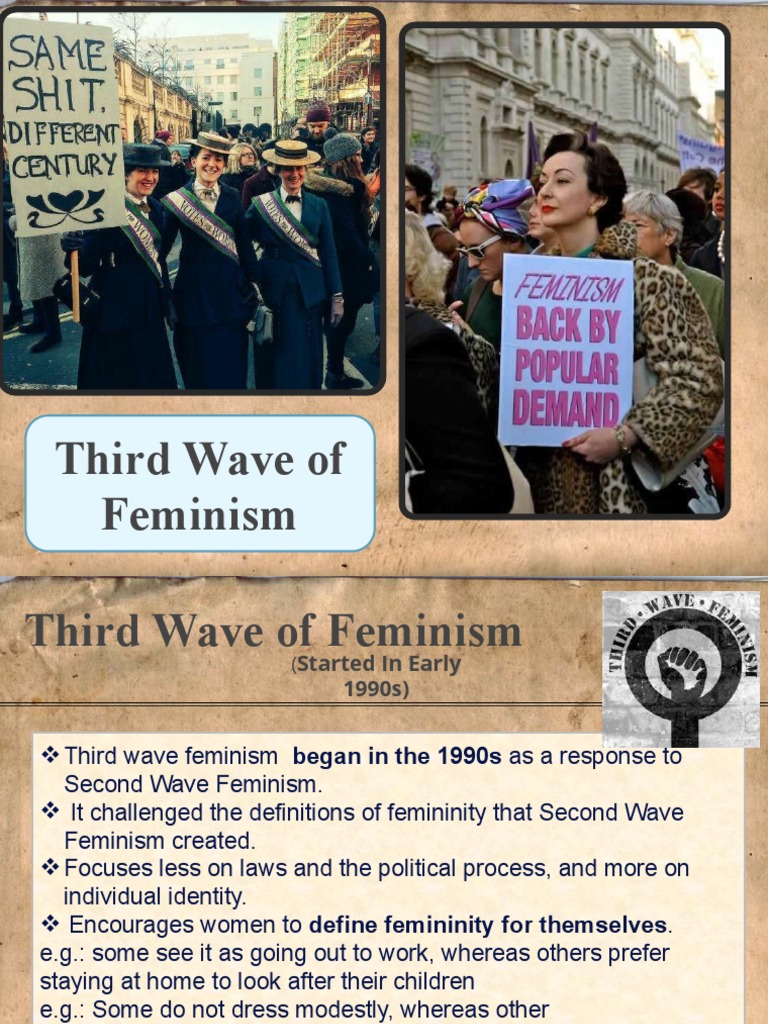
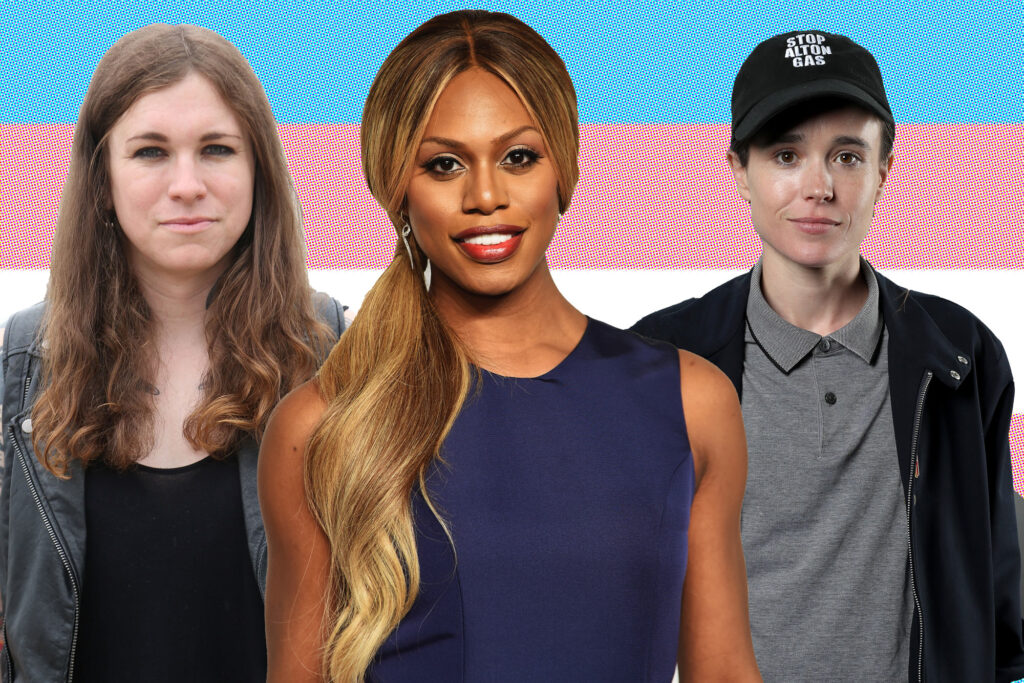
It’s true that early waves of feminism often focused primarily on the concerns of white, middle-class women, neglecting the experiences of women of color, LGBTQ+ women, and women from marginalized communities. This is a valid critique and one that contemporary feminism actively seeks to address.
Intersectionality, a concept coined by Kimberlé Crenshaw, recognizes that individuals experience multiple forms of oppression based on their race, gender, class, sexual orientation, and other identities. A Black woman, for example, faces sexism and racism simultaneously, and her experiences cannot be understood by examining either form of oppression in isolation.
Modern feminism embraces intersectionality, recognizing that all forms of oppression are interconnected and that we must work to dismantle them all. We strive to create a movement that is inclusive and representative of all women, amplifying the voices of those who have been historically marginalized.
However, the accusation of “privilege” is sometimes used to silence feminist voices altogether, particularly those of white women. While it’s crucial to acknowledge and address one’s own privilege, it’s equally important to avoid using it as a weapon to invalidate someone’s experiences or dismiss their activism. The goal is not to shame individuals but to foster a deeper understanding of systemic inequality and to work together to create a more just world.
V. The “Radical” Agenda: Redefining the Overton Window
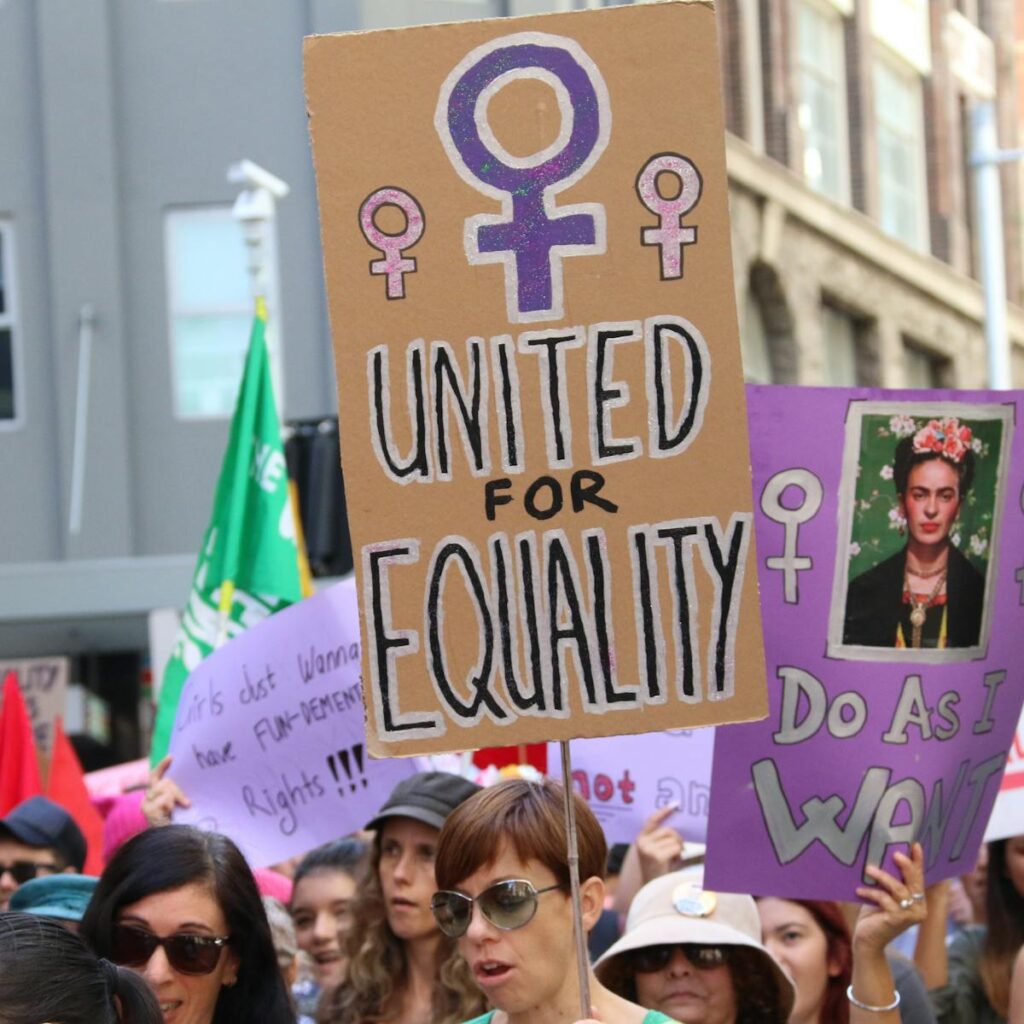
The term “radical” is often used to discredit feminist ideas that challenge the status quo. But what is radical? Is it radical to demand equal pay for equal work? Is it radical to advocate for reproductive rights? Is it radical to challenge rape culture? These demands may seem radical to those who benefit from the existing power structures, but they are simply demands for basic human rights.
Feminism has always been a radical movement, pushing the boundaries of what is considered acceptable and challenging the established order. It is through this radicalism that we have achieved significant progress over the past century, from securing the right to vote to challenging discriminatory laws.
Furthermore, what is considered “radical” changes over time. Ideas that were once considered fringe can become mainstream with sufficient advocacy and public awareness. Feminism has played a crucial role in shifting the Overton window, making previously unthinkable ideas part of the public discourse.
VI. The Distortion of Scientific Truth: Anti-Science Accusations
Another recurring accusation is that feminism is anti-science, particularly when it comes to discussions of sex and gender. This is a deliberate misrepresentation of feminist scholarship, which engages critically with scientific research and challenges biased interpretations. For example, feminists have long challenged the notion that biological differences between men and women justify gender inequality. While acknowledging that biological differences exist, we argue that these differences do not determine social roles or capabilities.
Furthermore, feminist scholars have highlighted the ways in which scientific research can be influenced by social and cultural biases, leading to skewed results and inaccurate conclusions. By critically examining scientific methodologies and interpretations, feminists contribute to a more rigorous and objective understanding of the world.
To accuse feminism of being anti-science is to ignore the vast body of feminist scholarship that engages with science in a thoughtful and nuanced way. We are not denying scientific facts; we are challenging the ways in which those facts are interpreted and used to justify inequality.
VII. The “Divisiveness” of Identity Politics: Solidarity’s Shadow
Feminism is often accused of being divisive due to its focus on identity politics. The argument goes that by emphasizing differences based on gender, race, and other identities, feminism undermines social cohesion and creates conflict. However, this critique ignores the fact that inequality itself is inherently divisive. By addressing the systemic injustices that disproportionately affect marginalized groups, feminism seeks to create a more inclusive and equitable society.
Identity politics is not about creating division; it’s about recognizing and validating the experiences of those who have been historically marginalized. By acknowledging the ways in which different forms of oppression intersect, we can develop more effective strategies for achieving social justice. Furthermore, solidarity across different identity groups is essential for building a strong and unified movement for change.
To dismiss feminism as “divisive” is to ignore the underlying power dynamics that perpetuate inequality. We are not creating division; we are challenging it.
In conclusion, the assertion that feminism is evil is a baseless and intellectually dishonest smear. It’s a tactic used to silence dissent, to maintain the status quo, and to perpetuate the oppression of women and other marginalized groups. Feminism is not about hate; it’s about love – love for ourselves, love for each other, and love for a future where all individuals can live with dignity and respect. It is a constant striving towards a world where the shackles of patriarchy are shattered, and where the full potential of humanity can finally be realized. The struggle continues.







Leave a Comment