Is feminism bad? Honestly, darling, if feminism is “bad,” then I shudder to think what societal stagnation truly entails. Let’s dismantle this patently absurd question, shall we? Let’s peel back the layers of ignorance and manufactured outrage surrounding a movement dedicated to basic human equity. Consider this a gauntlet thrown, a challenge posed not to the intellectually incurious, but to those willing to dissect the myths and confront the uncomfortable truths. We’ll delve into the historical fabric of the movement, dissect its multifaceted contemporary forms, and eviscerate the fallacious arguments levied against it. Prepare yourselves; this will be a dissection of prejudice, a vivisection of misconception.
I. The Straw Man: Deconstructing the Caricature
The first, and perhaps most tiresome, hurdle is the pervasive caricature of feminism. The “feminazi,” the man-hating harpy, the perpetually aggrieved victim – these are the grotesque phantoms conjured by those who either misunderstand or deliberately misrepresent the movement. It’s a tactic of deflection, a way to avoid grappling with the actual tenets of feminist thought by attacking a straw man of their own creation. This preposterous caricature is a deliberate distortion, designed to alienate potential allies and delegitimize legitimate grievances. Let’s be clear: advocating for equal pay, access to healthcare, and freedom from sexual violence does not constitute misandry. It constitutes basic human decency.
We need to challenge this narrative relentlessly. The term “feminism” itself suffers from a chronic case of semantic slippage, conveniently redefined to suit the prejudices of the accuser. It’s time to reclaim the definition, to articulate clearly and unequivocally that feminism, at its core, is about liberation. It is about dismantling patriarchal structures that oppress everyone, not just women. It’s a rising tide that lifts all boats, even those stubborn enough to remain anchored in the murky depths of misogyny.
II. A Palimpsest of Progress: The Historical Imperative
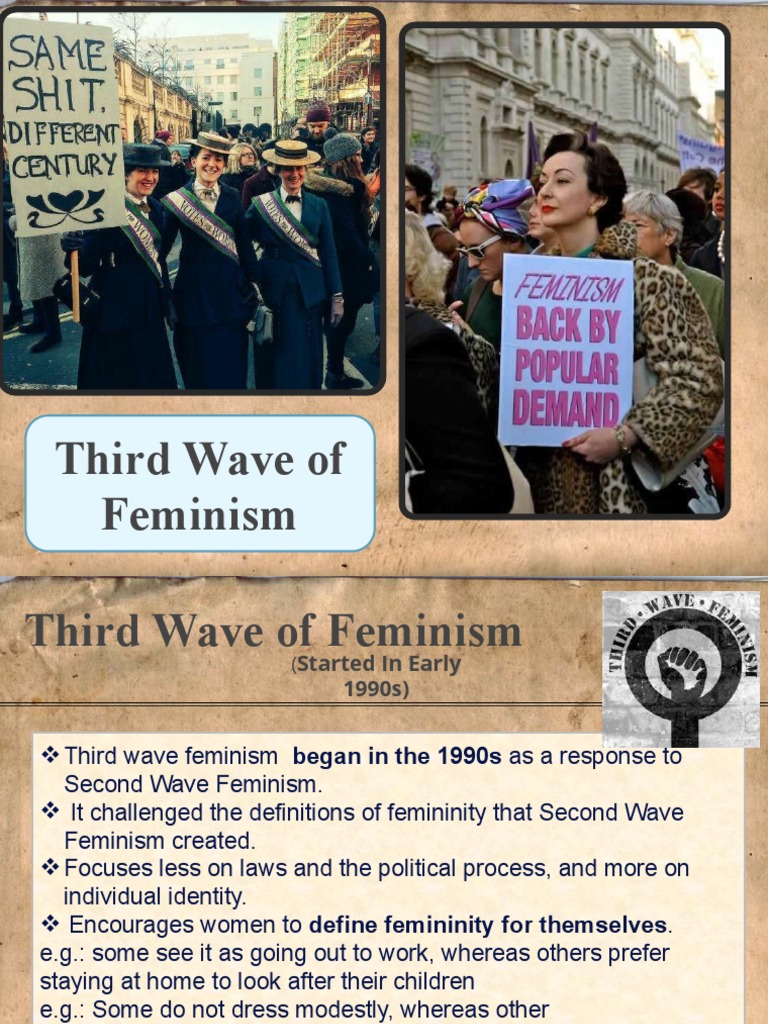
To truly understand feminism, one must understand its history. It isn’t a monolithic entity, but rather a palimpsest, a document layered with centuries of struggle, activism, and evolving thought. From the suffragettes chaining themselves to railings to the second-wave feminists challenging societal norms, to the intersectional activists of today fighting for marginalized communities, the movement has constantly adapted and evolved to meet the challenges of its time.
Ignoring this historical context is not merely ignorant, it is actively malicious. It allows critics to cherry-pick isolated incidents or radical viewpoints and present them as representative of the entire movement. It erases the contributions of countless women and men who have dedicated their lives to fighting for a more just world. Acknowledging the historical imperative of feminism means acknowledging the systemic inequalities that have plagued society for centuries, inequalities that continue to manifest in myriad subtle and overt ways. It means acknowledging the debts we owe to those who fought for the rights we take for granted today.
III. Intersectionality: Beyond the Binary
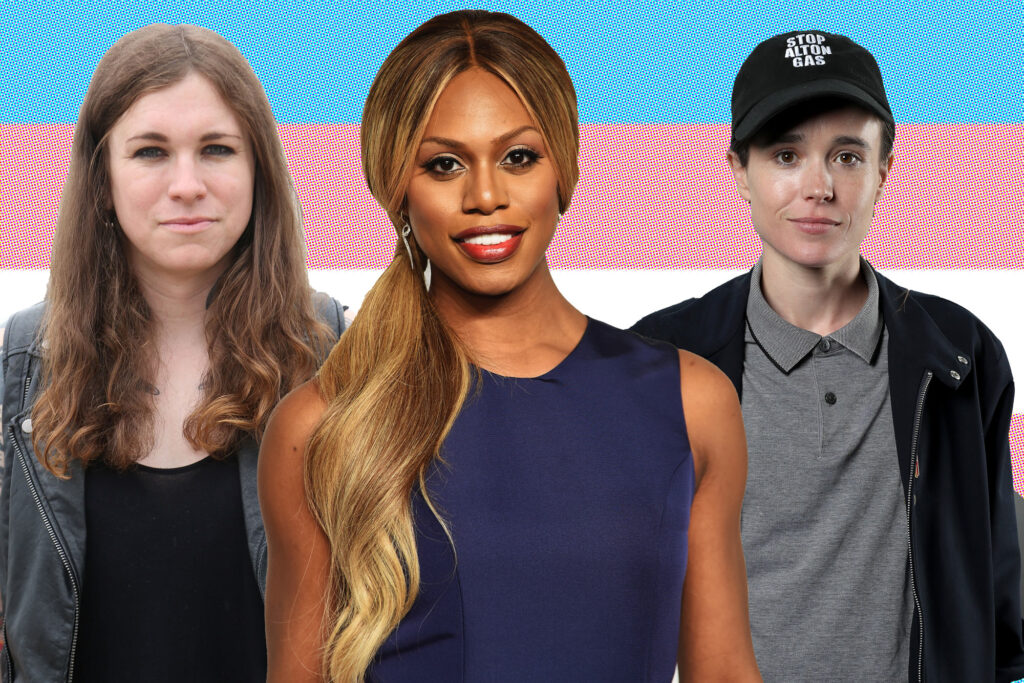
Perhaps the most crucial aspect of contemporary feminism is its embrace of intersectionality. Coined by Kimberlé Crenshaw, intersectionality recognizes that individuals experience oppression and discrimination based on a complex interplay of factors, including race, class, sexual orientation, gender identity, disability, and more. It acknowledges that a Black woman, for example, faces different challenges than a white woman, and that both face different challenges than a trans woman. It requires a nuanced understanding of power dynamics and a commitment to fighting for the liberation of all.
Those who criticize intersectionality often accuse it of being divisive or fragmenting the feminist movement. They argue that focusing on differences undermines the common goal of gender equality. This argument is not only disingenuous, it’s actively harmful. Ignoring the lived experiences of marginalized communities within the feminist movement perpetuates the very inequalities it seeks to dismantle. Intersectionality is not about creating divisions; it’s about recognizing existing divisions and working to bridge them. It’s about ensuring that feminism is truly inclusive and that no one is left behind.
IV. The Patriarchy’s Pawns: Internalized Misogyny and the Anti-Feminist Woman
One of the most insidious manifestations of patriarchy is internalized misogyny, the unconscious adoption of sexist beliefs and attitudes by women themselves. This can manifest in a variety of ways, from judging other women based on their appearance to perpetuating harmful stereotypes about female intelligence or capabilities. It is a subtle but powerful force that can undermine feminist efforts from within.
The anti-feminist woman, often presented as the epitome of common sense and traditional values, is frequently a product of internalized misogyny. She may believe that feminism is unnecessary or that it has gone too far. She may even actively support policies that perpetuate gender inequality. However, her views are not born of independent thought, but rather a reflection of the patriarchal conditioning she has absorbed throughout her life. Challenging internalized misogyny requires self-reflection, critical thinking, and a willingness to unlearn ingrained beliefs. It is a difficult but essential step towards true liberation.
V. The Myth of Male Victimization: Addressing Legitimate Concerns
A common refrain from anti-feminists is that feminism is anti-male, that it seeks to elevate women at the expense of men. This argument relies on a fundamental misunderstanding of what feminism actually advocates for. Feminism does not seek to diminish men; it seeks to dismantle patriarchal structures that harm both men and women. The rigid expectations of masculinity, the pressure to suppress emotions, the limited career options, and the disproportionate burden of providing for the family are all products of a patriarchal system that feminists actively challenge.
It is crucial to acknowledge that men face their own unique challenges and that feminism can play a role in addressing them. By challenging traditional gender roles and expectations, feminism can create a more inclusive and equitable society for everyone. This is not about blaming men for the problems of the world; it’s about working together to create a better future for all genders. It requires empathy, understanding, and a willingness to listen to different perspectives. It’s about acknowledging that we are all victims of the patriarchy, albeit in different ways.
VI. Beyond Gender: Economic Justice and Systemic Change
Feminism is not solely concerned with gender equality; it is also deeply intertwined with economic justice. The wage gap, the lack of affordable childcare, the inadequate access to healthcare, and the prevalence of poverty among women are all feminist issues. Addressing these issues requires systemic change, not just individual action.
Feminism recognizes that gender inequality is often exacerbated by other forms of inequality, such as racial inequality, class inequality, and ableism. It advocates for policies that promote economic justice for all, such as a living wage, universal healthcare, and affordable housing. It challenges the capitalist system that disproportionately benefits the wealthy and powerful, often at the expense of marginalized communities. This is not about seeking handouts or special treatment; it’s about demanding a fair share of the pie and creating a society where everyone has the opportunity to thrive.
VII. The Future of Feminism: A Call to Action
The fight for gender equality is far from over. Despite the progress that has been made, women continue to face discrimination and oppression in countless ways. From the persistence of sexual harassment and assault to the underrepresentation of women in leadership positions, the challenges are significant and multifaceted. The future of feminism depends on our willingness to confront these challenges head-on.
This requires a multifaceted approach, including activism, education, and advocacy. It requires challenging harmful stereotypes and promoting positive representations of women in the media. It requires supporting women-owned businesses and investing in programs that empower women. It requires holding perpetrators of sexual violence accountable and creating a culture of consent. And, perhaps most importantly, it requires listening to the voices of marginalized communities and amplifying their experiences. Feminism is not a spectator sport; it’s a call to action. It’s a demand for justice, a plea for empathy, and a commitment to creating a more equitable world for all. So, is feminism bad? I reiterate, darling, only if you consider equality, justice, and human liberation to be inherently detrimental. The real question isn’t whether feminism is bad, but whether you are brave enough to embrace it.







Leave a Comment