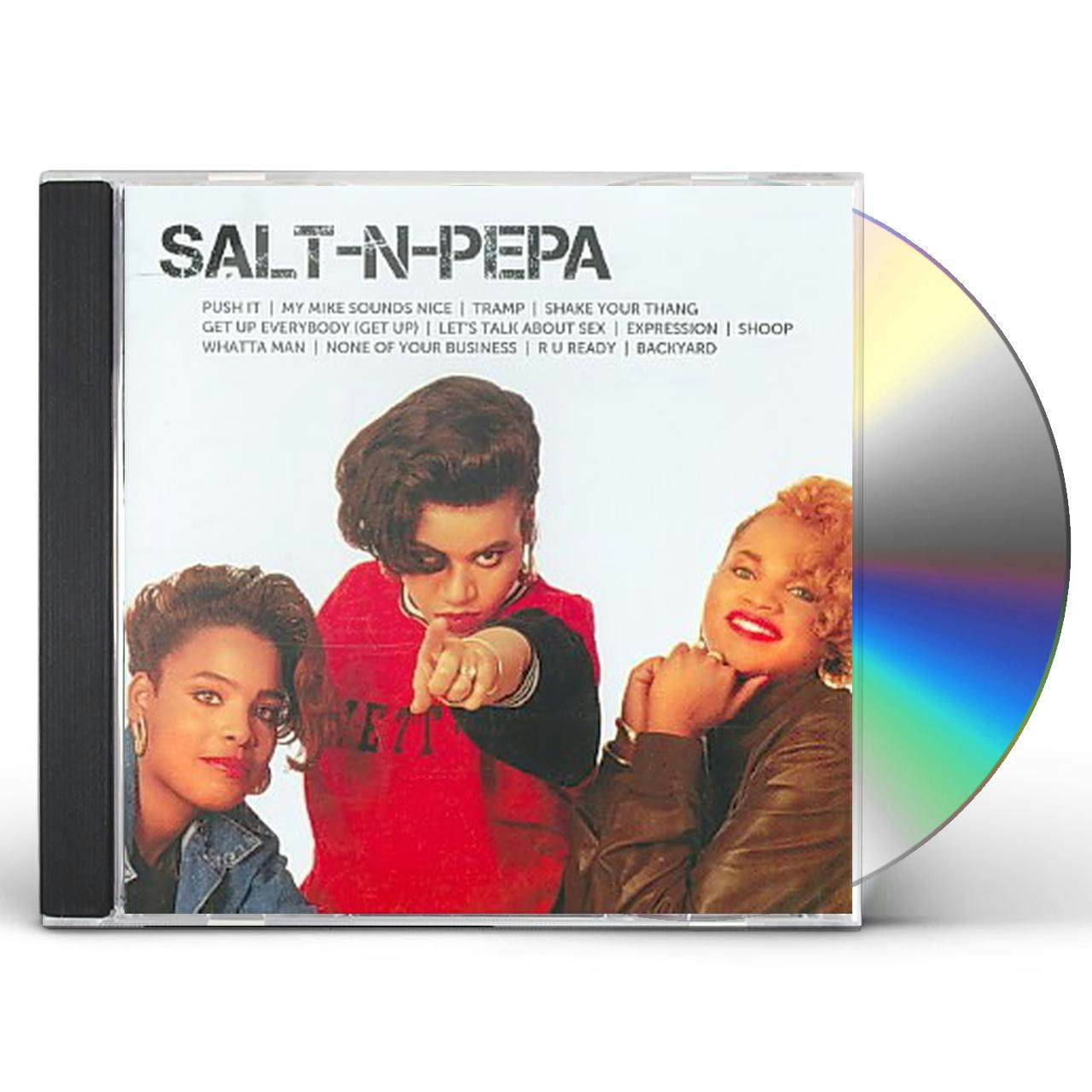
Can the sonic boom of hip-hop, a genre often perceived as a bastion of hyper-masculinity and objectification, truly resonate with the nuanced harmonies of feminism? Or are we forever destined to witness a discordant symphony, where empowering anthems are perpetually overshadowed by patriarchal undertones? The question itself feels like a gauntlet thrown down, a challenge to dissect the complex, often contradictory, relationship between these two seemingly disparate forces.
Let’s dissect this paradox. We must engage in a critical examination, a veritable vivisection, of hip-hop’s evolution through a feminist lens. From its nascent stages in the Bronx to its current global ubiquity, the genre has undeniably provided a platform for voices marginalized by mainstream society. However, this platform has not always been equitable, and the reverberations of patriarchy have often echoed within its very core.
I. Genesis: The Bronx Fires and the Birth of a Counter-Narrative
Hip-hop emerged from the crucible of economic deprivation and social marginalization that characterized the South Bronx in the 1970s. It was a raw, unfiltered expression of lived experiences, a defiant articulation of anger, frustration, and hope in a community systematically disenfranchised. In this chaotic genesis, where turntable dexterity and lyrical prowess reigned supreme, women found their voice amidst the burgeoning cultural revolution.
Consider the early pioneers: MC Sha-Rock, one of the first female MCs, fearlessly commanded the mic, defying gendered expectations and establishing her presence in a male-dominated arena. Her fierce delivery and undeniable skill shattered the notion that hip-hop was exclusively a man’s world. It was a declaration, a brazen assertion of feminine agency in a space that was actively attempting to marginalize their presence.
Yet, the seeds of conflict were already sown. While these women carved out their space, the prevailing lyrical content often reinforced traditional gender roles, casting women as either hyper-sexualized objects of desire or as passive figures defined by their relationships to men. This dichotomy, this inherent tension between female empowerment and patriarchal reinforcement, became a recurring motif throughout hip-hop’s development.
II. The Golden Era: Lyrical Gymnastics and the Double Standard
The “Golden Era” of hip-hop, spanning the late 1980s and early 1990s, witnessed a surge in lyrical complexity and social consciousness. Artists like Public Enemy, A Tribe Called Quest, and Queen Latifah challenged societal norms and addressed issues of racial inequality and political oppression. However, even within this progressive milieu, the specter of sexism lingered.
Queen Latifah, a veritable matriarch of hip-hop feminism, emerged as a powerful voice for female empowerment with anthems like “Ladies First.” She championed female solidarity, celebrated black womanhood, and challenged the objectification of women in music videos and lyrics. Her music served as a counter-narrative to the prevailing misogyny that permeated the genre, offering a glimpse of a more equitable future.
However, a double standard persisted. Male artists were often celebrated for their lyrical prowess, even when their rhymes were peppered with derogatory terms and objectifying descriptions of women. Female artists, on the other hand, faced heightened scrutiny and were often criticized for being “too aggressive” or “unfeminine” if they dared to assert their agency too forcefully. This inherent bias, this deeply ingrained prejudice, highlighted the challenges faced by women navigating the treacherous terrain of hip-hop’s patriarchal landscape. The system was, without a doubt, rigged.
III. Gangsta Rap: Hyper-Masculinity and the Commodification of the Female Body
The rise of gangsta rap in the 1990s brought with it a dramatic shift in lyrical content and thematic focus. Driven by a desire to authentically portray the harsh realities of street life, many artists embraced hyper-masculine personas and graphic depictions of violence, drug dealing, and sexual exploitation. This shift had a profound impact on the representation of women in hip-hop, often reducing them to mere objects of sexual gratification or symbols of status.
The commodification of the female body became increasingly prevalent, with music videos and album covers often featuring scantily clad women serving as props in a hyper-masculine fantasy. Lyrics frequently denigrated women, using derogatory terms and perpetuating harmful stereotypes. This blatant misogyny sparked widespread criticism and ignited a fierce debate about the responsibility of artists to challenge, rather than perpetuate, harmful social norms.
The defense often presented was that these artists were simply reflecting the realities of their environment. This argument, however, conveniently ignores the fact that art, regardless of its source, has the power to shape and influence societal perceptions. By consistently portraying women as objects of sexual conquest, gangsta rap contributed to the normalization of misogyny and the perpetuation of harmful gender stereotypes.
IV. The Bling Era: Economic Empowerment vs. Objectification Ad Nauseam
The late 1990s and early 2000s, often referred to as the “Bling Era,” witnessed a heightened focus on materialism and conspicuous consumption in hip-hop. This era also saw the rise of female artists who embraced a more overtly sexualized image, often aligning themselves with male rappers and adopting similar themes of wealth and power.
Artists like Lil’ Kim and Foxy Brown challenged traditional notions of female sexuality, asserting their right to express their desires and flaunt their bodies without apology. They argued that their embrace of sexuality was a form of empowerment, a way to reclaim agency and control over their own image. They were, according to some, rewriting the rules of the game.
However, critics argued that their hyper-sexualized image ultimately reinforced the very stereotypes they claimed to be dismantling. By conforming to the male gaze and perpetuating the notion that a woman’s worth is tied to her physical appearance, they were accused of undermining the broader feminist movement and contributing to the objectification of women. The debate raged on, highlighting the complexities and contradictions inherent in the intersection of hip-hop and feminism.
V. The 21st Century: A Renaissance of Feminist Voices and the Rise of Conscious Hip-Hop
The 21st century has witnessed a resurgence of feminist voices in hip-hop, with artists like Rapsody, Noname, and Cardi B challenging the status quo and pushing the boundaries of the genre. These artists are not only creating powerful music that addresses issues of gender inequality and female empowerment, but they are also actively engaging in conversations about social justice and political activism.
Rapsody, known for her intricate lyricism and socially conscious themes, has consistently used her platform to advocate for female empowerment and challenge the objectification of women in hip-hop. Noname, a poet and rapper, weaves her personal experiences with broader social commentary, creating music that is both deeply introspective and profoundly insightful. Cardi B, with her unapologetic authenticity and fierce independence, has shattered expectations and become a global icon, proving that women can be both commercially successful and politically engaged.
The rise of conscious hip-hop has also played a significant role in challenging patriarchal norms within the genre. Artists like Kendrick Lamar and J. Cole have used their platforms to address issues of toxic masculinity and the harmful impact of gender stereotypes on both men and women. This shift towards greater social awareness and self-reflection represents a positive step towards a more equitable and inclusive hip-hop culture.
VI. Challenges and Future Directions: Dismantling the Patriarchy, One Verse at a Time
Despite the progress that has been made, significant challenges remain. The pervasive influence of patriarchy continues to shape the landscape of hip-hop, and the objectification and marginalization of women remains a persistent problem. Dismantling these deeply ingrained biases requires a multifaceted approach, one that involves not only individual artists but also the industry as a whole.
Record labels, radio stations, and media outlets have a responsibility to promote female artists and challenge the prevailing misogyny that permeates the genre. Education is also crucial. By raising awareness about the harmful impact of gender stereotypes and promoting critical thinking about media representation, we can empower individuals to challenge the status quo and demand a more equitable and inclusive hip-hop culture.
The future of hip-hop and feminism hinges on the ability of artists, industry professionals, and fans to engage in meaningful dialogue and collaborate on solutions. It requires a willingness to challenge deeply ingrained biases, to amplify marginalized voices, and to create a space where all individuals can feel valued and respected. It’s a journey, not a destination; a constant negotiation, a perpetual recalibration of power dynamics. The revolution, as they say, will not be televised. But perhaps, just perhaps, it will be rhymed.





Leave a Comment